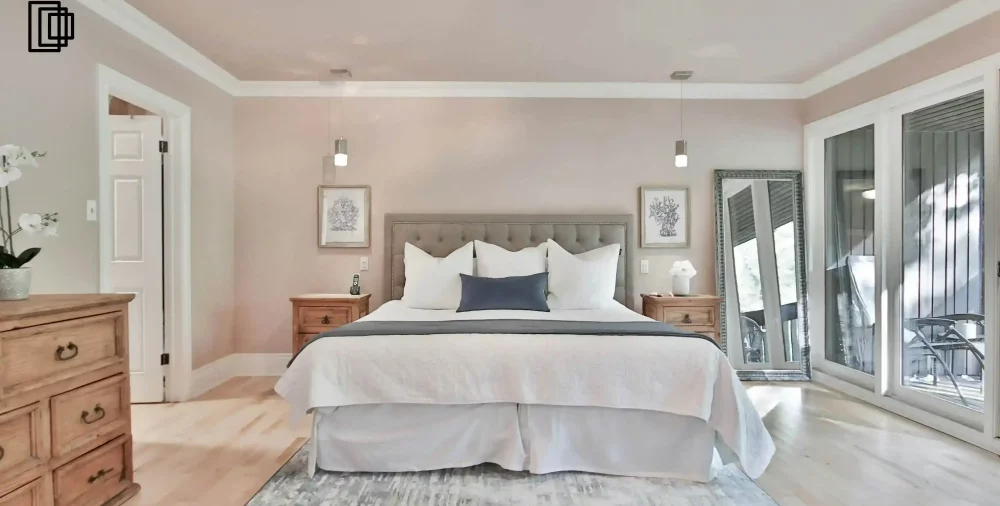
Have you ever walked into a bedroom and felt instantly comfortable—or oddly cramped? The size and placement of your bed play a huge role in how your room feels and functions.
But how much space should your bed actually take up? Knowing the right percentage of your bedroom that your bed should occupy can transform your space from cluttered to calming. You'll discover simple, practical tips to find the perfect balance, making your bedroom a true haven for rest and relaxation.
Keep reading to unlock the secret to a bedroom layout that works perfectly for you.
Ideal Bed Size Ratio
Choosing the right bed size for your bedroom is important. The bed should fit well without making the room feel cramped.
This guide explains how much space a bed should take up in a bedroom. It focuses on the ideal bed size ratio for comfort and style.
Standard Bedroom Dimensions
Bedrooms come in different sizes, usually measured in feet or meters. Common bedroom sizes are small, medium, and large.
- Small bedroom: 10 x 10 feet (3 x 3 meters)
- Medium bedroom: 12 x 14 feet (3.7 x 4.3 meters)
- Large bedroom: 14 x 16 feet (4.3 x 4.9 meters)
Recommended Bed-to-room Percentage
The bed should take up a reasonable part of the room. Too big or too small beds affect comfort and space.
| Bedroom Size | Ideal Bed Size | Bed-to-Room Space Percentage |
| Small (10 x 10 feet) | Twin or Full | 30% to 40% |
| Medium (12 x 14 feet) | Full or Queen | 35% to 45% |
| Large (14 x 16 feet) | Queen or King | 40% to 50% |

Credit: foyr.com
Factors Influencing Bed Size Choice
Choosing the right bed size for your bedroom is important. It affects comfort and space use.
Many factors influence how much space a bed should take up in a bedroom. These include the room's shape, its purpose, and personal preferences.
Room Layout And Shape
The size and shape of your bedroom affect the bed size you should choose. A small or oddly shaped room needs a smaller bed to keep space free.
Look at where doors, windows, and closets are. These features can limit where you place the bed.
- Square rooms fit larger beds more easily
- Long narrow rooms may need smaller beds
- Keep enough space for walking around the bed
- Consider furniture placement besides the bed
Purpose Of The Bedroom
Think about how you use the bedroom. A guest room might not need a big bed. A master bedroom often does.
If you use the room for other things, like reading or working, keep extra space for those activities.
- Guest rooms can have smaller beds for flexibility
- Master bedrooms usually have larger beds for comfort
- Multi-use bedrooms need space for other furniture
Personal Space Preferences
Everyone likes different amounts of personal space. Some like large beds with room to move. Others prefer smaller beds for coziness.
Consider who will sleep in the bed and their comfort needs. This affects how much bedroom space the bed should occupy.
- Single sleepers may want smaller beds for more room
- Couples often need larger beds for comfort
- Children’s beds are smaller to save space
- Think about mobility and ease of access around the bed
Balancing Comfort And Space
Choosing the right bed size is key to a comfortable bedroom. The bed should take up enough space for rest but not crowd the room.
Knowing the percentage of the bedroom the bed should occupy helps balance comfort and space well. This guide shows how to plan this.
Maintaining Walkways
Clear walkways keep the bedroom easy to move in. Beds should leave space around for walking without bumping into furniture.
A good rule is to keep at least 24 inches of space around the bed. This space helps people walk freely and safely.
- Leave 24 inches minimum on each side of the bed
- Keep walkways clear of clutter and furniture
- Allow space for opening doors and windows
Incorporating Additional Furniture
Other furniture like dressers and chairs should fit without crowding. The bed should not use too much space to allow these pieces.
Plan the bed size so there is room for extra furniture while still keeping the room comfortable.
- Keep at least 18 inches between bed and other furniture
- Use smaller furniture in small bedrooms
- Choose multi-use furniture to save space
Visual Space Perception
The bed size affects how big or small the room feels. A large bed can make the room look crowded.
Using the right bed size and layout can make the bedroom feel open and cozy at the same time.
- Choose lighter colors for bedding to open the space
- Use low-profile beds to keep sight lines clear
- Keep the bed away from walls to create depth

Credit: www.subhavaastu.com
Space-saving Bed Options
Choosing the right bed size helps maximize bedroom space. It is important to know what percentage of the room your bed should occupy. Space-saving beds offer smart solutions for small bedrooms.
These options provide comfort while leaving room for other furniture and activities. Let's explore some popular choices.
Murphy Beds
Murphy beds are perfect for small spaces. They fold up against the wall when not in use. This allows for more floor space during the day.
- Easy to fold and unfold
- Variety of designs and finishes
- Can include storage options
Storage Beds
Storage beds are a great way to save space. These beds come with built-in drawers or compartments. They help keep your room tidy and organized.
| Feature | Benefit |
| Drawers | Extra storage space |
| Lift-up mattress | Easy access to storage |
| Compact design | Maximizes room space |
Loft Beds
Loft beds elevate the sleeping area. This frees up space underneath for other uses. They are ideal for kids' rooms and studio apartments.
"A loft bed is a versatile choice for maximizing space."
- Create a study area underneath
- Add a sofa for a cozy nook
- Use the space for storage units
Tips For Measuring Bedroom Space
Knowing the right size for your bed in a bedroom is important. It helps keep the room comfortable and functional.
Measuring your bedroom space correctly ensures your bed fits well without crowding the room.
Tools And Techniques
Use a tape measure for accurate room dimensions. Start by measuring the length and width of the bedroom.
Mark the measurements on paper or use a digital app. This makes it easy to plan bed placement.
- Measure walls from corner to corner
- Note the height of the room
- Include closets or built-in furniture in your measurements
Accounting For Door And Window Placement
Doors and windows affect where you can place your bed. Measure their size and distance from the floor and walls.
Leave enough space for doors to open fully and windows to stay unobstructed.
- Measure door width and swing direction
- Note window height and width
- Check for radiators or vents near windows
- Plan bed placement to avoid blocking these areas

Credit: housing.com
Common Mistakes In Bed Placement
Choosing the right size bed for your bedroom is important. The bed should not take up too much space. It also should not block doors or windows.
Many people make simple errors when placing their bed. These mistakes can make the room look crowded or hard to move around in.
Overcrowding The Room
Placing a bed that is too large can make the bedroom feel cramped. It leaves little space for other furniture or walking.
- Choose a bed size that fits the room's dimensions.
- Leave enough space on both sides for nightstands.
- Keep clear space for opening closet doors and drawers.
- Consider smaller bed options for small bedrooms.
Ignoring Traffic Flow
Blocking the natural path around the room makes it hard to move. Beds placed in the middle of traffic routes cause inconvenience.
| Common Traffic Issues | Effect |
| Bed blocking door | Hard to enter or exit room |
| Bed close to walkways | Limited space to move around |
| Cramped corners | Uncomfortable to use furniture |
Neglecting Natural Light
Blocking windows with a large bed reduces natural light. This makes the room dark and less inviting.
Tips to keep natural light:
- Place the bed away from windows.
- Use low headboards near windows.
- Keep window treatments light and airy.
Frequently Asked Questions
What Percentage Of Bedroom Should A Bed Occupy?
A bed should occupy about 25% to 30% of the bedroom space. This balance allows room for other furniture and free movement, ensuring the bedroom feels spacious and comfortable.
How Does Bed Size Affect Bedroom Space Percentage?
Larger beds take up more room, increasing the percentage of floor space occupied. Choosing the right bed size helps maintain proper space for walking and additional furniture.
Why Is Bed Size Important For Bedroom Layout?
The bed size influences furniture arrangement and space flow. Proper bed size ensures a functional and aesthetically pleasing bedroom without overcrowding.
Can A Bed Occupy More Than 30% Of Bedroom Space?
While possible, a bed occupying over 30% may limit space for other furniture and movement. It might make the room feel cramped and less functional.
Conclusion
Choosing the right bed size helps keep your bedroom comfortable. The bed should take up about 30 to 40 percent of the room space. This leaves enough room to move around freely. A well-sized bed makes the bedroom look balanced and cozy.
Remember, a cluttered room feels smaller and less relaxing. Think about your needs and room size before buying a bed. This simple step improves your sleep and daily comfort. Your bedroom can be a peaceful place with the right bed size.