Are you wondering how much space a living room chair really needs? Choosing the right chair isn’t just about style—it’s about comfort and making sure your room feels open and inviting.
Too big, and your space feels cramped; too small, and it might not give you the relaxation you deserve. You’ll discover simple tips to find the perfect size for your living room chair, so you can create a cozy spot that fits your space perfectly.
Keep reading to learn how to balance comfort and space without any guesswork.

Choosing The Right Chair Size
Picking the right chair size makes your living room comfortable. The chair should fit the space without crowding it.
Consider the room size and how many people will use the chair. The right size improves both style and function.
Standard Chair Dimensions
Standard chairs have common sizes that fit most living rooms. Knowing these sizes helps you choose easily.
| Chair Type | Width (inches) | Depth (inches) | Height (inches) |
|---|---|---|---|
| Armchair | 30-40 | 30-35 | 35-40 |
| Side Chair | 18-22 | 20-24 | 30-35 |
| Lounge Chair | 32-42 | 32-40 | 30-36 |
Small Space Seating Options
Small rooms need chairs that do not take much space. Choose pieces that are slim and easy to move.
- Compact armchairs with narrow arms
- Armless side chairs
- Stackable or foldable chairs
- Benches or stools without backs
- Chairs with open or airy designs
Oversized Chairs And Their Impact
Oversized chairs add comfort but can crowd the room. They create a strong style statement if space allows.
- Measure your room before buying
- Leave at least 24 inches of walking space around the chair
- Use oversized chairs as focal points
- Pair with smaller chairs or tables to balance the space

Measuring Your Living Room
Choosing the right chair size needs careful measurement. You must know how much space your living room has.
Measure the floor area and note the space used by other items. This helps avoid overcrowding.
Assessing Available Floor Space
Start by measuring your living room length and width. Use a tape measure for accuracy.
- Clear the floor to get exact dimensions.
- Mark fixed elements like doors and windows.
- Note any uneven walls or corners.
- Calculate the total free floor space.
Considering Traffic Flow
Think about how people move in your living room. Chairs should not block paths.
| Pathway | Recommended Width |
| Main walkways | 36 inches (91 cm) |
| Between furniture | 18-24 inches (45-60 cm) |
| Door clearances | 32 inches (81 cm) minimum |
Accounting For Other Furniture
List all furniture pieces already in the room. Chairs should fit with existing items.
- Measure sofas, tables, and shelves.
- Check how much space each piece occupies.
- Leave room for cushions and armrests.
- Ensure no furniture overlaps.
Spacing Guidelines For Comfort
Choosing the right space for your living room chairs makes your room cozy. Proper spacing helps people sit and move easily.
These guidelines focus on the ideal distance between chairs, space from walls, and room for movement.
Ideal Distance Between Chairs
Keep chairs close enough for easy conversation but not too tight. A good rule is about 3 to 5 feet apart.
- 3 feet allows easy talking without shouting
- 5 feet gives more personal space
- Adjust based on chair size and room shape
Space Between Chair And Walls
Chairs need space from walls to avoid a cramped look and allow cleaning. Leave at least 12 to 18 inches.
| Chair Type | Recommended Distance from Wall |
| Armchair | 18 inches |
| Side Chair | 12 inches |
| Recliner | 20 inches |
Allowing Room For Movement
Space around chairs must allow people to walk and move without bumping into furniture.
- Keep 24 inches clear for walking paths
- Allow extra space near doors and windows
- Arrange chairs to avoid blocking access
Types Of Living Room Chairs
Living room chairs come in many styles. Each type offers a unique look and comfort level.
Choosing the right chair depends on space, style, and how you use your room.
Armchairs And Accent Chairs
Armchairs provide good support with padded arms. They fit well next to sofas.
Accent chairs add style and color. They often serve as a focal point in the room.
- Armchairs usually measure about 30 to 40 inches wide.
- Accent chairs vary but often take up less space than armchairs.
- Both types can fill small or large spaces nicely.
Recliners And Lounge Chairs
Recliners let you lean back for comfort. They often need extra room to fully open.
Lounge chairs are designed for relaxing. They usually have a low seat and wide base.
- Recliners need about 40 to 45 inches of width.
- Allow 6 to 12 inches of space behind recliners for reclining.
- Lounge chairs vary but often need 30 to 35 inches in width.
Swivel And Rocking Chairs
Swivel chairs rotate, giving easy movement without standing up. They fit well in small spaces.
Rocking chairs provide gentle motion. They add a cozy and classic touch to any room.
- Swivel chairs usually measure 28 to 36 inches wide.
- Rocking chairs need space to move forward and back, about 30 to 40 inches wide.
- Both types are good for reading or relaxing.
Optimizing Layout With Chair Placement
Choosing the right space for a living room chair helps make the room feel open and inviting. Good placement improves flow and comfort.
Careful planning lets you use chairs to create balance and purpose. This guide shows ways to place chairs well.
Creating Conversation Areas
Arrange chairs close to each other to invite talking. Place them around a coffee table or facing each other.
Keep space between chairs so people can move easily. Avoid pushing chairs too far apart or too close.
- Place chairs in a circle or square pattern
- Use a small table in the center
- Leave at least 18 inches between seats
Balancing Symmetry And Function
Symmetry makes a room look neat and calm. Place chairs evenly on each side of a sofa or fireplace.
Mix function with style by adding a chair where people need it most. A reading corner or near a window works well.
- Match pairs of chairs opposite each other
- Use a single chair for extra seating in key spots
- Keep pathways clear for easy walking
Using Rugs And Accessories
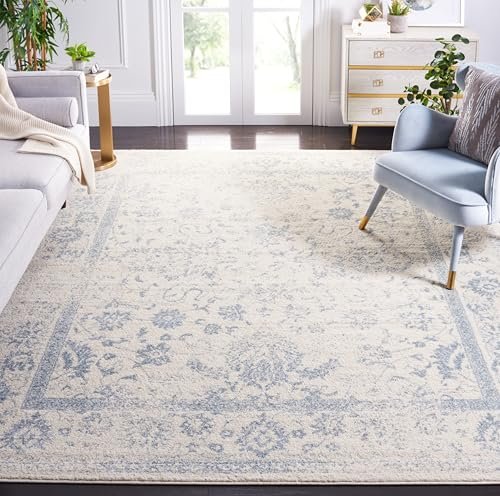
Rugs help define where chairs belong. Place a rug under chairs and tables to create a cozy zone.
Accessories like lamps and side tables support chair areas. They add comfort and function without crowding the space.
- Choose rugs that fit under all chair legs
- Use side tables for drinks and books
- Add lamps for soft lighting near chairs

Material And Style Considerations
Choosing the right living room chair involves thinking about materials and style. Different materials and styles can change the look and feel of your space.
Consider how each chair will fit with your room's theme. Think about the materials that best suit your lifestyle and comfort needs.
Bulkiness And Visual Weight
The size of a chair can impact how your room feels. A bulky chair might make a room look crowded.
Choose a chair that fits the space without making it seem too full. Consider chairs with open designs for a lighter look.
- Bulky chairs suit large spaces
- Light chairs work in small rooms
- Open designs reduce visual weight
Matching Chair Style To Room Design
The style of a chair should match your room's design. A modern chair might not fit in a vintage-themed room.
Think about the colors, patterns, and textures in your room. Pick a chair that complements these elements.
| Room Style | Chair Style |
| Modern | Sleek and simple |
| Vintage | Classic with details |
| Minimalist | Neutral and streamlined |
Durability And Maintenance
Durability is key when choosing a chair. Some materials last longer and are easier to maintain.
Think about how much use the chair will get. Choose materials that are easy to clean and withstand wear and tear.
- Leather is durable and easy to clean
- Fabric can be cozy but may stain
- Wood is sturdy and long-lasting
Budgeting For Space And Comfort
Choosing the right living room chair involves finding a balance between space and comfort. Understanding your budget is crucial for making smart choices.
Let's explore how size, style, and shopping tips can help you make the best decision for your living space.
Cost Variations By Size And Style
Different sizes and styles of chairs come with various price tags. Larger chairs often cost more due to additional materials.
| Chair Type | Average Cost |
| Armchair | $150 - $300 |
| Recliner | $250 - $500 |
| Accent Chair | $100 - $250 |
Investing In Quality Vs. Quantity
Quality chairs may cost more upfront, but they last longer. Investing in one or two high-quality pieces can be more beneficial than filling your space with cheaper options.
Smart Shopping Tips
Shopping smart can save both money and space. Consider these tips when searching for the perfect chair.
- Measure your space before buying
- Look for sales and discounts
- Read customer reviews for quality assurance
- Consider multi-functional furniture options
Frequently Asked Questions
How Much Space Does A Living Room Chair Need?
A living room chair typically requires 30 to 36 inches of width. Allow at least 18 to 24 inches in front for legroom. This ensures comfortable seating without crowding the space.
What Is The Ideal Chair Size For Small Living Rooms?
For small living rooms, choose chairs 24 to 28 inches wide. Compact designs with slim arms save space. This helps maintain openness while providing comfortable seating.
How To Measure Space For Multiple Living Room Chairs?
Measure total wall length and subtract walking paths. Allocate about 24 inches between chairs for comfort. Ensure chairs don’t block doorways or pathways for easy movement.
Can Living Room Chairs Fit In Tight Spaces?
Yes, choose armless or minimalist chairs under 30 inches wide. Slim profiles and open legs create a sense of space. This optimizes seating in tight living rooms.
Conclusion
Choosing the right size for your living room chair is key. It helps keep the space open and comfortable. Measure your room before buying any chair. Think about how many people will use it daily. Small rooms need compact chairs to avoid crowding.
Bigger rooms allow for larger, more plush chairs. Always leave space to walk around easily. This balance makes your living room both cozy and practical. A well-chosen chair improves your home's look and feel. Take your time and pick wisely for best results.