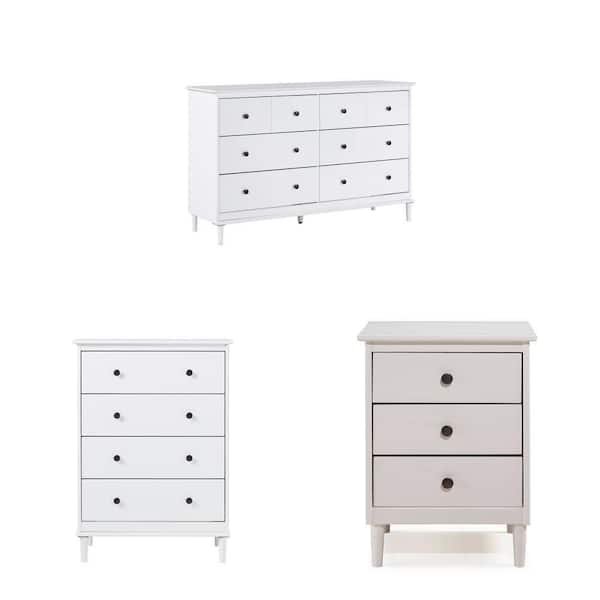
Are you wondering how much space a bedroom dresser really takes up? Knowing the average size of a bedroom dresser can help you plan your room better and avoid clutter.
Whether you’re buying a new dresser or trying to organize your space, understanding the typical dimensions can make a big difference. Keep reading to discover the common sizes, how to choose the right one for your room, and tips to maximize your bedroom’s layout.
You’ll find everything you need to make smart decisions for your space.

Common Dresser Dimensions
Bedroom dressers come in many sizes. Knowing the average size helps you pick the right one for your room.
Dressers vary by height, width, and depth. Styles also affect their size.
Standard Height And Width
The most common dresser height is between 30 and 36 inches. Width usually ranges from 30 to 72 inches.
- Short dressers are about 30 inches tall.
- Tall dressers can reach up to 72 inches wide.
- Most dressers fall in the middle, about 48 inches wide.
Depth Variations
Dresser depth changes based on design. Common depths are between 16 and 20 inches.
| Depth (inches) | Use |
| 16 | Small rooms or narrow spaces |
| 18 | Standard bedroom use |
| 20 | Extra storage space |
Size Differences By Style
Dressers come in many styles. Each style has unique size traits.
- Modern dressers tend to be lower and wider.
- Traditional dressers are taller with more depth.
- Minimalist dressers are often narrow and compact.
- Rustic dressers usually have bulkier frames.
Factors Influencing Dresser Size
The size of a bedroom dresser depends on many things. It is not the same for every room or person.
Understanding these factors helps you pick the right dresser size for your space and needs.
Room Size And Layout
The size of your room limits how big the dresser can be. Small rooms need smaller dressers.
The shape and layout of the room also affect dresser placement and size choice.
- Large rooms can fit wide and tall dressers
- Small rooms need compact dressers to save space
- Layout affects dresser placement and walking space
Storage Needs
Your storage needs decide how many drawers and compartments you want. More clothes mean bigger dressers.
Think about the types of items you store, like clothes, accessories, or linens.
- More clothes need more drawer space
- Smaller items may need special compartments
- Extra storage can mean a taller or wider dresser
Material And Construction
The material of the dresser affects its size and weight. Solid wood dressers tend to be heavier and larger.
Lightweight materials like particleboard allow for bigger designs that are easier to move.
- Wood dressers are often sturdy but heavy
- Particleboard dressers can be larger and lighter
- Metal dressers may have a slimmer design
Choosing The Right Dresser Size
Finding the perfect dresser size can make your bedroom more comfortable. It helps keep your space tidy and stylish.
Knowing the average size of bedroom dressers guides you to pick one that fits well and suits your needs.
Measuring Your Bedroom Space
Measure the area where you want to place the dresser. Leave room for walking and opening drawers.
- Measure the width, height, and depth of the available space
- Note the location of doors and windows
- Check for outlets or vents that may limit placement
Balancing Functionality And Style
Dressers come in many sizes and styles. Choose one that holds your clothes and matches your room’s design.
| Dresser Type | Width (inches) | Height (inches) | Depth (inches) |
| Small | 30–40 | 30–35 | 16–20 |
| Medium | 40–60 | 35–45 | 18–22 |
| Large | 60–80 | 45–55 | 20–24 |
Considering Future Needs
Think about your future storage needs. Your dresser should grow with you and still fit your room.
- Will you need more space for clothes soon?
- Do you want a dresser that can also hold other items?
- Is it easy to move or replace if your space changes?
Space-saving Dresser Options
The average size of a bedroom dresser varies but many take up a lot of space. Choosing space-saving options helps keep your room neat. These dressers fit well in smaller rooms or tight spaces.
Space-saving dressers come in different styles. They offer smart storage without crowding the room. You can find options that suit your needs and style.
Compact Dressers
Compact dressers are smaller than regular ones. They fit well in small bedrooms or apartments. These dressers usually have fewer drawers but still hold essential clothes.
They often measure around 30 to 40 inches wide and 20 inches deep. Compact dressers save floor space and keep your room open.
- Width: 30-40 inches
- Depth: About 20 inches
- Height: Usually 30-35 inches
Multi-functional Designs
Multi-functional dressers combine storage with other uses. Some have mirrors or desks built in. These designs save space by serving more than one purpose.
They are perfect for small rooms where you want to reduce furniture pieces. You get storage and a workspace or vanity in one item.
- Dresser with a fold-out desk
- Dresser with attached mirror
- Dresser with hidden compartments
Vertical Storage Solutions
Vertical dressers use height to save floor space. They are tall and narrow. This design fits in corners or tight spots easily.
These dressers often have five to seven drawers stacked. They keep clothes organized without using much room width.
- Height: 50-70 inches
- Width: 20-30 inches
- Depth: 15-20 inches
Popular Bedroom Dresser Styles
Bedroom dressers come in many styles to fit different tastes and room designs. Knowing popular styles helps you pick the right one.
Each style offers unique shapes, materials, and sizes. These affect the average dresser size and how it fits your bedroom.
Traditional Dressers
Traditional dressers often have classic wood finishes and detailed designs. They usually measure about 60 inches wide, 18 inches deep, and 30 to 36 inches tall.
These dressers have multiple drawers with metal handles or knobs. They fit well in rooms with classic or formal decor.
Modern Minimalist Designs
Modern minimalist dressers focus on clean lines and simple shapes. They tend to be smaller and more compact.
- Width ranges from 40 to 55 inches
- Depth is usually 16 to 18 inches
- Height varies between 28 to 34 inches
- Often made with sleek materials like metal or lacquered wood
Minimalist dressers suit bedrooms with modern or contemporary styles. They save space and avoid cluttered looks.
Rustic And Vintage Options
| Style | Average Width | Average Depth | Average Height |
| Rustic | 50 - 65 inches | 18 - 20 inches | 32 - 38 inches |
| Vintage | 45 - 60 inches | 16 - 19 inches | 30 - 35 inches |
Rustic dressers often use natural wood with rough finishes. Vintage dressers feature ornate details and antique styles.
Both styles add charm and character. Their sizes vary but usually fit medium to large bedrooms well.
Frequently Asked Questions
What Is The Average Width Of A Bedroom Dresser?
The average width of a bedroom dresser ranges from 30 to 60 inches. Most standard dressers fall around 48 inches wide, fitting well in medium to large bedrooms while offering ample storage space.
How Tall Is A Typical Bedroom Dresser?
Typical bedroom dressers stand between 30 and 50 inches tall. This height allows easy access to drawers and complements bedroom furniture like beds and nightstands.
What Is The Standard Depth Of Bedroom Dressers?
Standard dresser depth usually measures 16 to 20 inches. This depth balances storage capacity with room space, ensuring the dresser doesn’t protrude excessively into the bedroom.
How Many Drawers Does An Average Dresser Have?
Most average bedroom dressers contain 5 to 7 drawers. This provides sufficient storage for clothing and accessories, helping keep the bedroom organized and clutter-free.
Conclusion
A bedroom dresser usually fits well in most rooms. Sizes vary but often stay between 30 to 60 inches wide. Choosing the right size helps keep your space neat and organized. Remember to measure your room before buying. This way, the dresser will match your needs and room style.
A good dresser adds both storage and charm to your bedroom. Keep size in mind to create a comfortable, clutter-free space.