Choosing the right home office chair can change the way you work every day. You spend hours sitting, so comfort isn’t just a luxury—it’s a must.
But how do you know which chair will support your body, boost your focus, and keep you pain-free? You’ll discover the key features to look for that make a chair more than just a seat. Stick with me, and you’ll learn how to pick a chair that works with you, not against you.
Your back will thank you.

Comfort Features
Choosing a home office chair means focusing on comfort. A good chair helps you work longer without pain.
Comfort features include padding, materials, and seat adjustments. These make a big difference in your daily use.
Seat Padding And Cushioning
Seat padding supports your weight and reduces pressure on your hips and thighs. Look for high-density foam or memory foam cushions.
- Dense foam keeps shape longer
- Memory foam molds to your body
- Thicker cushions offer more comfort
- Firm padding avoids sinking too deep
Breathable Materials
Breathable fabrics keep air flowing to stop heat and sweat buildup. Mesh and fabric covers work well.
| Material | Benefits |
| Mesh | Allows air flow, keeps cool |
| Fabric | Soft, comfortable, breathable |
| Leather | Durable but less breathable |
Adjustable Seat Height
Adjustable seat height helps fit the chair to your desk and body size. It promotes good posture and comfort.
Key benefits of adjustable seat height:
- Aligns your feet flat on the floor
- Keeps knees at a 90-degree angle
- Improves blood circulation in legs
- Allows easy movement under desks

Support Elements
Choosing the right home office chair depends on support features. Good support helps you sit comfortably for long hours. It also reduces strain on your body.
Focus on key support elements like lumbar support, ergonomic design, and armrest adjustability. These features keep your posture healthy.
Lumbar Support
Lumbar support helps keep the lower back’s natural curve. It reduces pressure on your spine and lowers back pain risk. Look for chairs with adjustable lumbar support.
- Adjustable height and depth for lumbar support
- Firm but cushioned support to avoid discomfort
- Contoured shape that fits the lower back
Ergonomic Design
An ergonomic design promotes good posture and comfort. It helps reduce fatigue and improves focus. Chairs with ergonomic features adjust to your body.
| Feature | Benefit |
| Seat height adjustment | Fits your desk height and leg length |
| Seat depth adjustment | Supports thighs without pressure |
| Backrest tilt and lock | Allows reclining and supports different postures |
Armrest Adjustability
Adjustable armrests reduce shoulder and neck strain. They help keep your arms at a natural angle while typing or using a mouse. Choose armrests that move up, down, and sideways.
- Height adjustment to align with your desk
- Width adjustment to fit your body width
- Pivot or swivel options for better arm positioning
Style Considerations
Choosing a home office chair is not just about comfort. Style also matters. The chair should fit your room’s look and feel.
Look at color, design, and how it matches your workspace. These factors help create a pleasant work area.
Color And Finish Options
Colors and finishes set the tone for your office space. Dark colors give a classic feel. Light colors make the room feel larger.
- Black or brown leather for a traditional look
- Gray or white fabric for a modern touch
- Wood finishes for a warm, natural style
- Bright colors to add energy and personality
Design Styles
Office chairs come in many styles. Some focus on simplicity, while others offer bold shapes. Choose a style that suits your taste.
| Style | Description | Best For |
| Ergonomic | Supports posture and comfort | Long hours of work |
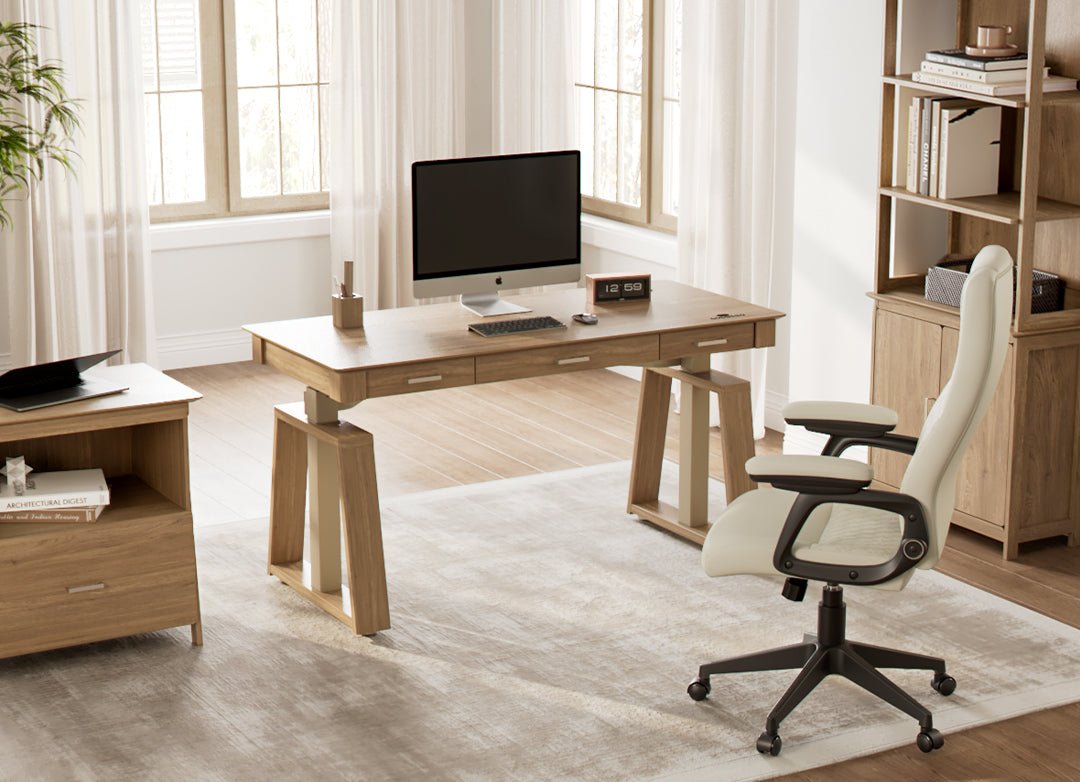
| Mid-century Modern | Clean lines and wood accents | Minimalist spaces |
| Executive | High back and plush padding | Professional look |
| Task Chair | Simple and adjustable | Small spaces |
Matching Your Workspace
Your chair should blend with your desk and room decor. This creates a balanced, inviting space.
Try these tips for matching:
- Pick colors that complement your desk and walls
- Match materials, like wood or metal, across furniture
- Keep the style consistent for a neat look
- Consider the size to keep the space open
Durability And Build Quality
Choosing a home office chair means looking at how long it will last. Durability and build quality affect comfort and safety.
A strong chair supports daily use without wear or damage. Let’s explore key factors that show good build quality.
Frame Materials
The frame holds the chair together. Strong materials like steel or aluminum offer better support. Plastic frames may be lighter but can break faster.
- Steel: Very durable and heavy
- Aluminum: Strong and lighter than steel
- Plastic: Affordable but less sturdy
- Wood: Stylish but needs good care
Weight Capacity
The chair’s weight limit shows how much it can safely hold. Picking a chair with a higher capacity means better durability and comfort.
| Weight Capacity | Durability Level |
| Up to 250 lbs | Standard for most chairs |
| 250 to 350 lbs | Strong and durable |
| Over 350 lbs | Extra heavy-duty build |
Warranty And Brand Reputation
Good brands offer warranties that protect your purchase. A longer warranty shows confidence in the chair’s build quality.
- Check warranty length and what it covers
- Read reviews about chair durability
- Choose brands known for quality
- Avoid unknown brands with poor support
Price And Budget Tips
Choosing a home office chair means thinking about price and comfort. You want a chair that fits your budget and feels good to sit in.
Knowing what to look for helps you spend wisely. This guide shows how to balance cost with useful features for your chair.
Balancing Cost And Features
Look for chairs that offer key features without extra cost. Focus on adjustable height, good back support, and durable materials.
- Check if the chair has adjustable armrests
- Look for lumbar support to protect your back
- Choose breathable fabric to stay comfortable
- Consider a swivel base for easier movement
- Read reviews to find long-lasting chairs
Affordable Yet Reliable Options
Affordable chairs can still be reliable. Focus on brands with good customer feedback and warranty offers.
| Price Range | Features Included | Expected Lifespan |
| Under $100 | Basic comfort, limited adjustments | 1-2 years |
| $100 - $200 | Adjustable height, better support | 3-5 years |
| Above $200 | Ergonomic design, premium materials | 5+ years |
Investing In Long-term Comfort
Spending more on a chair can save money later. A good chair helps prevent pain and boosts work focus.
Consider these tips before buying:
- Test the chair if possible for comfort
- Look for warranty and return policies
- Choose materials that are easy to clean
- Pick chairs with adjustable features for your needs
- Think about your work hours and sitting style
Additional Features
Choosing the right home office chair involves more than just comfort. Additional features can greatly enhance your work experience. Here are some key aspects to consider.
Mobility And Casters
Mobility is crucial for a home office chair. Casters enable smooth movement across different surfaces. Consider the type of flooring in your workspace when selecting casters.
- Hard casters for carpeted floors
- Soft casters for hard floors
- Lockable casters for stability
Swivel And Recline Functions
A chair that swivels and reclines offers flexibility. Swivel allows easy reach to different parts of your desk. Recline functions help you relax during breaks.
Consider a chair with adjustable tension for reclining. This feature lets you control the ease of reclining to suit your comfort.
Ease Of Assembly
Assembling your chair should not be a daunting task. Look for models with simple assembly instructions. This saves time and effort.
| Feature | Benefit |
| Pre-assembled parts | Less time required |
| Clear instructions | Easy to follow |
| Minimal tools needed | Convenience |

Frequently Asked Questions
What Features Make A Home Office Chair Ergonomic?
An ergonomic home office chair supports posture and reduces strain. Look for adjustable height, lumbar support, and breathable material. These features ensure comfort during long work hours and help prevent back pain.
How Important Is Lumbar Support In Office Chairs?
Lumbar support maintains the natural curve of your lower spine. It reduces pressure on your back and improves posture. This feature is crucial for preventing discomfort and long-term spinal issues.
Which Materials Are Best For Home Office Chairs?
Breathable mesh and high-quality fabric offer comfort and airflow. Leather provides durability and a professional look but may be less breathable. Choose materials that suit your climate and personal comfort.
Should I Prioritize Adjustability In A Home Office Chair?
Yes, adjustability is vital for personalized comfort. Adjustable armrests, seat height, and tilt allow you to customize the chair to your body. This helps reduce fatigue and improve focus.
Conclusion
Choosing the right home office chair matters a lot. It keeps your body comfortable and healthy. Focus on support, adjustability, and good materials. A chair that fits you well helps you work better. Don't forget to try before you buy if possible.
Small details make a big difference in comfort. Your chair should suit your daily work needs. A good chair lasts a long time and feels right. Keep these points in mind for a better workspace.