Are you looking for a fun and creative way to add a personal touch to your garden or indoor plants? Making clay plant pots at home is easier than you think—and it lets you design pots that perfectly match your style.
Imagine holding a pot you crafted yourself, knowing it’s both beautiful and unique. You’ll discover simple steps to create your own clay pots with just a few materials. Whether you’re a beginner or just want to try something new, this guide will help you bring your plant display to the next level.
Keep reading to unlock the secrets of crafting your own clay plant pots right at home!
Materials Needed
Making clay plant pots at home is a fun and creative project. You only need a few materials to get started. These materials help shape and harden your pots.
Choosing the right materials is important for a strong and beautiful pot. Let’s look at what you need to gather before you begin.
Types Of Clay
Clay is the base material for your plant pot. Different clays have different textures and drying times. Pick one that fits your project and skill level.
- Air-dry clay: Easy to use, no firing needed
- Earthenware clay: Needs kiln firing, porous and rustic
- Stoneware clay: Strong, fired at high temperatures
- Terracotta clay: Classic orange color, good for plants
Essential Tools
You will need some basic tools to shape and smooth your clay pot. These tools help you create clean edges and details.
- Clay modeling tools: For carving and shaping
- Rolling pin: To flatten the clay evenly
- Wire cutter: To slice clay blocks
- Sponge: To smooth surfaces and clean tools
- Plastic or wooden board: Work surface for clay
Additional Supplies
Some extra supplies make the process easier and improve the pot’s durability. These items help with drying and decoration.
- Water: To keep clay moist and workable
- Plastic wrap: To cover clay and prevent drying out
- Glaze or paint: To decorate and seal the pot
- Brushes: For applying glaze or paint
- Plastic containers: For mixing or storing clay pieces
Preparing The Clay
Making clay pots starts with preparing the clay properly. Good preparation helps the pot keep its shape and last longer.
Preparing the clay means making it soft and removing any air inside. This makes the clay easier to shape and bake.
Conditioning The Clay
Conditioning means kneading the clay until it is soft and smooth. This process helps remove lumps and makes the clay easier to work with.
Use your hands to press and fold the clay many times. If the clay feels dry, add a small amount of water to soften it.
- Break the clay into small pieces first
- Press and fold the pieces together
- Add water little by little if needed
- Knead until the clay feels soft and smooth
Removing Air Bubbles
Air bubbles can cause cracks when the pot dries or bakes. Removing them is very important for strong pots.
To remove air bubbles, wedge the clay by slamming and folding it on a flat surface. This pushes out trapped air.
- Flatten the clay with your hand or a board
- Fold the clay over itself
- Press down firmly to push out air
- Repeat several times until no bubbles remain
Shaping The Pot
Shaping a clay plant pot is an important step in making your pot sturdy and attractive. This part focuses on how to form the pot’s body and details. You can use different ways to shape your pot depending on your tools and skill level.
Here are three main ways to shape your clay plant pot: hand building, using molds, and creating drainage holes. Each method helps you make a pot that works well for your plants.
Hand Building Techniques
Hand building lets you shape the pot using simple tools and your hands. You can pinch, coil, or slab the clay to form the pot. This method is great for beginners and offers lots of creative freedom.
- Pinching:Use your thumb and fingers to pinch the clay into a pot shape.
- Coiling:Roll clay into long ropes and stack them to build walls.
- Slabbing:Roll flat pieces of clay and join them to create sides.
Using Molds
Molds help you shape pots quickly and evenly. You press or pour clay into a mold and let it dry. This method works well for consistent shapes and sizes.
Here is a simple table showing common types of molds:
| Type of Mold | Description |
|---|---|
| Plaster Mold | Absorbs water, helps clay dry fast |
| Plastic Mold | Reusable and easy to clean |
| Silicone Mold | Flexible, good for detailed shapes |
Creating Drainage Holes
Drainage holes keep plants healthy by letting water flow out. You make these holes after shaping the pot but before it dries fully. Use a tool like a skewer or nail to poke a hole at the pot’s base.
- Make at least one hole in the center bottom.
- For bigger pots, add several smaller holes.
- Keep holes smooth to avoid cracks.
- Check holes before firing the pot.
Drying And Firing
Creating clay plant pots at home is fun and rewarding. The drying and firing process is crucial for strong pots. Let's explore some effective methods.
Proper drying and firing ensure your clay pots are durable and beautiful. Learn different techniques to perfect your craft.
Air Drying Tips
Air drying is a natural way to dry clay pots. It's simple and requires minimal equipment.
- Place pots in a well-ventilated area
- Turn pots occasionally for even drying
- Use a fan to speed up the process
Kiln Firing Options
Firing pots in a kiln gives them strength and durability. Kilns reach high temperatures necessary for clay transformation.
| Type of Kiln | Temperature Range |
| Electric Kiln | 1200°F - 2400°F |
| Gas Kiln | 1300°F - 2500°F |
| Wood Kiln | 1400°F - 2600°F |
Alternative Firing Methods
For those without a kiln, alternative methods offer creative solutions. These methods are cost-effective and accessible.
Consider using a pit firing technique:
- Dig a shallow pit in your backyard
- Line the pit with dry leaves and small branches
- Place the pots inside and cover with more leaves
- Light the pit and monitor the fire
- Allow pots to cool gradually after firing
Decorating Your Pot
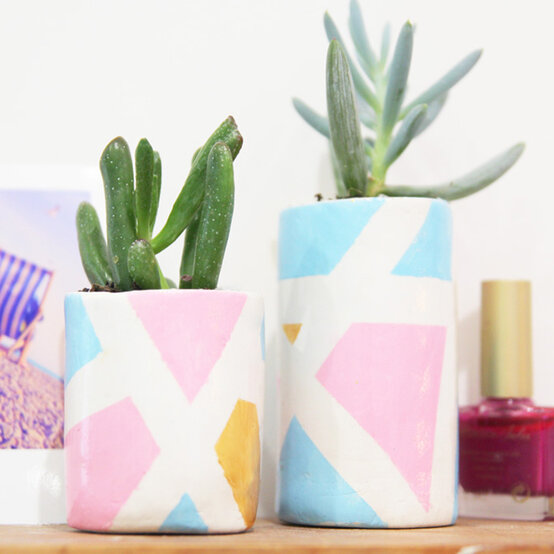
Decorating your clay plant pot makes it unique and personal. You can use simple techniques to add color and style.
Try different ideas to bring your pot to life and match your home or garden decor.
Painting And Glazing
Painting clay pots adds color and protects the surface. Use acrylic paints for bright colors and outdoor durability.
- Clean the pot before painting.
- Apply a base coat and let it dry.
- Use brushes or sponges for patterns.
- Seal with a clear glaze for shine and water resistance.
Adding Texture
Texture makes your pot interesting to touch and see. You can add texture before the clay dries or after it is fired.
| Method | Description | Tools Needed |
|---|---|---|
| Impressing | Press objects like leaves or stamps into soft clay. | Leaves, stamps |
| Carving | Cut patterns into leather-hard clay with sharp tools. | Carving tools, knives |
| Adding Clay | Attach small clay shapes for raised designs. | Extra clay, slip |
Personalizing Designs
Make your pot special by adding names, dates, or symbols. This adds meaning and style.
- Use paint pens to write or draw on the pot.
- Attach small decorations like beads or buttons with glue.
- Write messages with a fine brush before glazing.
- Mix colors to create your own patterns.

Sealing And Finishing
Making clay plant pots at home is fun. To ensure they last long, sealing and finishing are crucial. These steps protect your pots from water and cracks.
Proper sealing keeps your pots looking good and prevents damage. Let's explore how to seal and finish your clay pots effectively.
Waterproofing Techniques
Waterproofing your clay pots helps them last longer. It stops water from soaking into the clay, which can cause damage.
Use a clear acrylic spray to seal your pots. This spray creates a protective layer that keeps water out.
- Apply the spray evenly over the pot.
- Let it dry completely before using the pot.
- Consider using a waterproof sealant for extra protection.
Protecting Against Cracks
Cracks can ruin your beautiful clay pots. To protect them, handle the pots with care during and after drying.
Ensure the clay is well mixed and free of air bubbles. This makes the pots stronger and less likely to crack.
- Dry the pots slowly, away from direct sunlight.
- Use a clay slip to fix small cracks if they appear.
- Store pots in a stable environment to avoid temperature changes.
Planting Tips
Making clay plant pots at home is fun and rewarding. You can grow many plants in your handmade pots.
Using the right plants and soil helps your plants grow healthy. Caring for them keeps them strong.
Choosing The Right Plants
Pick plants that fit your pot size and light conditions. Small pots need small plants or succulents.
Choose plants that do well indoors or outdoors based on where you place the pot.
- Succulents and cacti need little water and small pots
- Herbs like basil or mint grow well in medium pots
- Flowering plants need pots with good drainage
Potting Soil Recommendations
Use soil that drains well to keep roots healthy. Clay pots dry faster than plastic ones.
Mix potting soil with sand or perlite for better air flow and water drainage.
- Use standard potting mix for most plants
- Add sand or perlite to improve drainage
- Use cactus mix for succulents and cacti
- Avoid garden soil which can be too dense
Maintenance Advice
Water your plants based on their needs. Clay pots need more frequent watering.
Check the soil moisture before watering. Remove dead leaves and check for pests.
- Water when top inch of soil is dry
- Use a spray bottle for misting leaves
- Keep pots in good light for plant growth
- Clean pots and change soil yearly
Troubleshooting Common Issues
Making clay plant pots at home can bring many rewards. Still, some problems may appear during the process.
This guide helps you fix common troubles like cracks, uneven drying, and firing problems.
Cracking Problems
Cracks often form if the clay dries too fast or if the pot is too thin. To avoid cracks, keep the pot in a shaded, cool place while drying.
- Make sure the clay is well mixed and moist before shaping.
- Do not make walls too thin; aim for even thickness.
- Cover pots with plastic to slow drying if cracks start.
- Smooth any cracks gently with a damp sponge before drying fully.
Uneven Drying
Uneven drying causes warping or cracking. It happens when one side dries faster than others.
| Cause | Solution |
| Direct sunlight on one side | Move pot to shaded area |
| Uneven air flow | Turn pot regularly for even drying |
| Thick and thin sections | Make walls uniform in thickness |
| Clay too wet in some spots | Mix clay evenly before shaping |
Firing Challenges
Firing is a key step. Problems like breaking or explosions happen if moisture remains or firing is too quick.
Try these tips for safer firing:
- Make sure pots dry fully before firing.
- Fire slowly at first to let moisture escape.
- Use proper kiln settings for the clay type.
- Do not overcrowd kiln to allow heat flow.

Frequently Asked Questions
How Do I Start Making Clay Plant Pots At Home?
Begin by gathering natural clay, water, and basic shaping tools. Knead the clay until soft, then mold it into your desired pot shape. Allow it to dry before firing or air-drying to harden the pot.
What Materials Are Needed For Homemade Clay Pots?
You need natural clay, water, a flat work surface, shaping tools, and a kiln or oven for firing. Optional items include sand or grog to improve clay texture and durability.
How Long Does It Take For Clay Pots To Dry?
Clay pots typically take 24 to 48 hours to dry completely at room temperature. Drying time varies based on pot thickness and humidity levels. Ensure pots are fully dry before firing or use.
Can I Make Clay Pots Without A Kiln?
Yes, air-dry clay or sun-drying methods can harden pots without a kiln. However, kiln firing produces stronger, more durable pots suitable for long-term use.
Conclusion
Making clay plant pots at home is simple and fun. You can create pots that fit your style and plant needs. This craft uses easy materials anyone can find. Enjoy the process of shaping and painting your pots. Handmade pots add a personal touch to your garden or home.
Start small and practice to improve your skills. Each pot you make will feel special and unique. Give your plants a cozy new home with your own pots. Try it today and enjoy gardening in a new way.