Are you waking up with itchy red bites and wondering if bed bugs have started to spread beyond your bedroom? Knowing exactly when bed bugs move from your bedroom to other parts of your home can save you from a bigger infestation and costly treatments.
If you don’t act quickly, these tiny pests can take over your living space faster than you think. You’ll discover the warning signs and timing of bed bug spread, so you can protect your home and sleep peacefully again. Keep reading to learn how to spot the early signs and stop bed bugs before they invade your entire house.
Bed Bug Behavior
Bed bugs are small insects that feed on human blood. They usually come out at night to bite people while they sleep.
Understanding how bed bugs behave helps prevent their spread from the bedroom to other areas.
Where Bed Bugs Hide
Bed bugs hide in tight and dark places near where people sleep. They stay close to their food source, which is humans.
Common hiding spots include mattress seams, bed frames, and cracks in walls or furniture.
- Mattress seams and tags
- Box springs and bed frames
- Behind baseboards and wallpaper
- Inside cracks or crevices in furniture
- Electrical outlets and picture frames
How They Move Around
Bed bugs crawl quickly but cannot fly or jump. They move mostly by walking across floors and furniture.
They follow humans or pets to find new places to feed and hide. They often move at night when it is quiet.
- Walk across floors and walls
- Climb onto furniture and bedding
- Follow heat and carbon dioxide from hosts
- Hide during the day in dark spaces
Common Spread Patterns
Bed bugs spread from bedrooms to other rooms by hitching rides on clothes and luggage. They also crawl through cracks and gaps.
They often spread slowly but can infest an entire home if not controlled early.
- Move via clothing and bags
- Crawl through wall cracks and vents
- Spread to nearby rooms and furniture
- Travel between apartments in buildings
Signs Of Bed Bug Spread
Bed bugs can quickly move from one part of your home to another. Knowing the signs helps you stop them early.
Watch for changes on your skin, bugs in your room, and strange smells. These clues show if bed bugs have spread.
Bite Marks And Skin Reactions
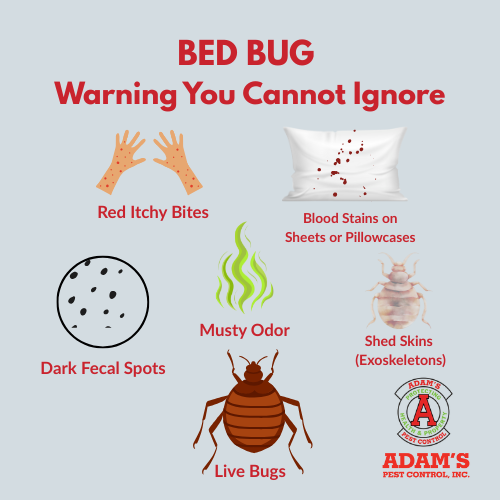
Bed bug bites usually appear as small red marks on your skin. They often form lines or clusters.
- Itchy bumps that may swell
- Redness around bite areas
- Skin rash in some cases
- Commonly bites on arms, neck, and face
Visible Bugs And Eggs
You may see live bed bugs or their eggs near your bed. They hide in cracks and crevices.
| Signs | Description |
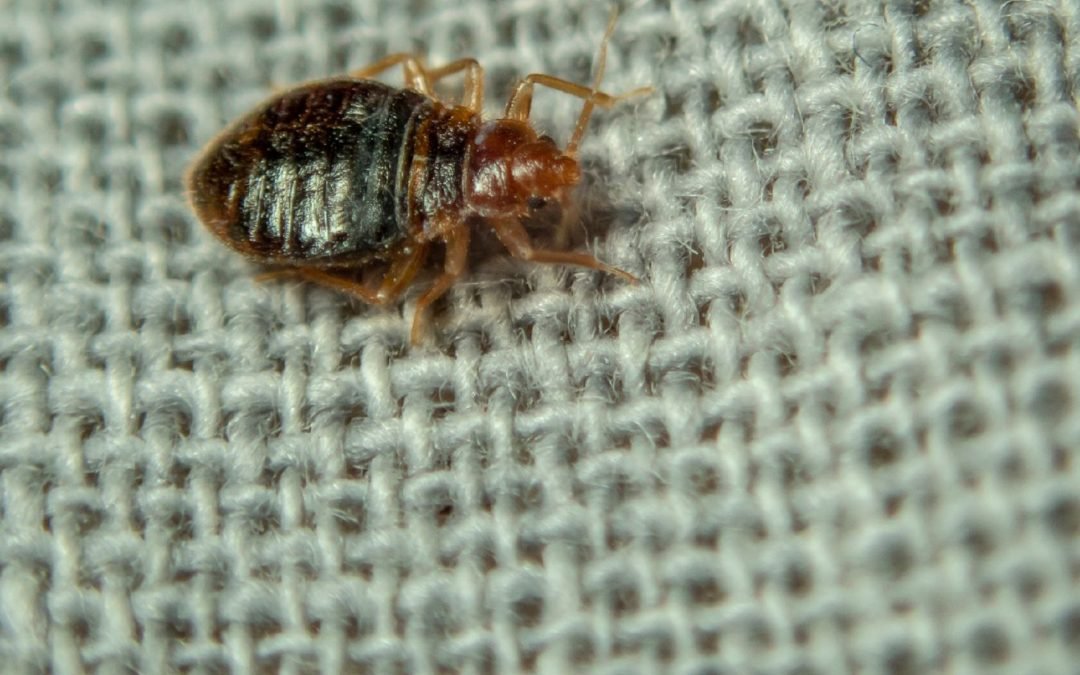
| Live Bugs | Small, brownish insects about the size of an apple seed |
| Eggs | Tiny white eggs, often found in mattress seams or furniture joints |
| Shells | Leftover skins from molting, pale and translucent |
Foul Odor And Stains
Bed bugs release a musty odor that smells like almonds or coriander. You may notice this in your bedroom.
- Rust-colored spots on sheets or mattress
- Dark spots from bug droppings
- Blood stains from crushed bugs
Risk Factors For Spread
Bed bugs can spread quickly from the bedroom to other parts of the home. Knowing what helps them spread can reduce the risk.
Several common activities and conditions in a household increase the chance of bed bugs moving around.
Clutter And Furniture Movement
Clutter gives bed bugs many places to hide and makes it hard to find them. Moving furniture can carry bed bugs to new spots.
- Piles of clothes or boxes allow bed bugs to stay unseen.
- Moving beds, sofas, or chairs can spread bed bugs to other rooms.
- Untidy areas increase the chance of bed bugs nesting.
Travel And Visitors
Bed bugs often travel on luggage, bags, and clothes. Visitors can bring bed bugs from other places without knowing.
| Source | How Bed Bugs Spread |
| Luggage | Bed bugs hide in seams and pockets |
| Visitors' Clothing | Bed bugs cling to fabric |
| Shared Spaces | Bed bugs move between furniture |
Pets And Household Items
Pets can carry bed bugs on their fur or bedding. Household items like used furniture or secondhand clothes also bring bed bugs inside.
Common household items that spread bed bugs include:
- Pet beds and blankets
- Secondhand sofas and chairs
- Used clothing and luggage
- Stuffed toys

Prevention Strategies
Bed bugs can spread quickly from bedrooms to other parts of your home. Stopping their spread means acting early and using good habits. These prevention strategies help keep your space safe and clean.
Focus on regular checks, using protective covers, and reducing clutter. These steps lower the chance of bed bugs hiding and moving around.
Regular Inspection And Cleaning
Check your mattress, bed frame, and nearby furniture often. Look for small dark spots, shed skins, or live bugs. Cleaning these areas removes bed bugs and eggs before they spread.
- Vacuum floors and furniture weekly
- Wash bedding in hot water regularly
- Use a flashlight to inspect cracks and crevices
- Seal any wall or floor gaps near the bed
Protective Covers And Barriers
Use mattress and box spring covers designed to trap bed bugs. These covers prevent bugs from entering or escaping your bed. Barriers like bed bug interceptors under bed legs stop bugs from climbing up.
| Protective Tool | Purpose |
| Mattress Cover | Traps bugs inside and blocks new ones |
| Box Spring Cover | Prevents bugs hiding in springs |
| Bed Bug Interceptor | Stops bugs from climbing onto bed |
| Sealing Tape | Closes cracks where bugs hide |
Limiting Clutter And Hiding Spots
Bed bugs love clutter because it gives them places to hide. Keeping your bedroom tidy reduces hiding spots. This makes it easier to spot and remove bugs before they spread.
Try these tips to limit clutter:
- Keep clothes in drawers or closets
- Remove piles of papers or boxes from the floor
- Store bags and luggage off the floor
- Use plastic bins with lids instead of open boxes
Early Response Actions
Bed bugs can quickly spread beyond the bedroom if not handled fast. Taking early steps helps stop them from moving to other rooms.
Acting early reduces the chance of a large infestation. Here are key actions to take as soon as you notice bed bugs.
Isolating Affected Areas
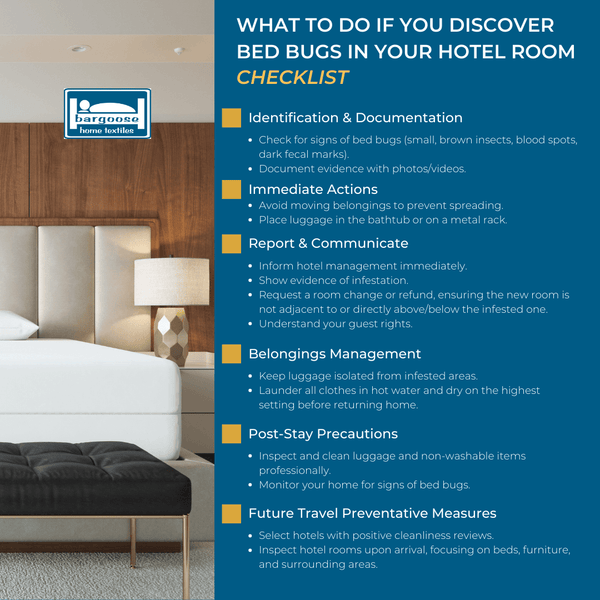
Keep bed bugs from spreading by isolating the area. Remove clutter and seal cracks near the bed and furniture.
Use plastic covers on mattresses and box springs to trap bugs inside. Avoid moving infested items to other rooms.
- Clear clutter around the bed
- Seal cracks and crevices
- Cover mattress and box spring with plastic
- Do not move infested items
Using Heat And Cold Treatments
Bed bugs die at extreme temperatures. Heat and cold treatments can kill bugs on clothes, bedding, and furniture.
Wash infested fabrics in hot water and dry on high heat. Cold treatment involves freezing items below 0°F for several days.
- Wash and dry clothes at high temperatures
- Freeze small items for at least four days
- Use steam on furniture seams and edges
When To Call Professionals
Some infestations need expert help. Call pest control if bed bugs spread beyond the bedroom or treatments fail.
Professionals have tools and chemicals that work better. Early calls save time and reduce damage.
- Call experts if bugs appear in other rooms
- Hire professionals after multiple treatments fail
- Seek help for large or hidden infestations
Frequently Asked Questions
When Do Bed Bugs Start Spreading From The Bedroom?
Bed bugs begin spreading when their population grows large. They move to nearby rooms seeking food and shelter. Early detection and treatment can prevent this spread effectively.
How Fast Do Bed Bugs Spread Beyond The Bedroom?
Bed bugs can spread within days to weeks. Their movement depends on infestation size and available hiding spots. Prompt action limits their spread throughout the home.
Can Bed Bugs Spread Through Furniture Between Rooms?
Yes, bed bugs can travel via infested furniture. Moving beds, couches, or chairs can transfer them to new areas. Inspect and treat furniture before relocating it.
What Signs Show Bed Bugs Have Spread From The Bedroom?
Look for bites, blood stains, or dark spots on bedding and furniture. Sightings outside the bedroom, like in living areas, indicate spreading. Regular inspections help catch infestations early.
Conclusion
Bed bugs spread quickly from the bedroom once they find food. They move to nearby rooms through cracks and furniture. Early detection helps stop their spread before it worsens. Keep your bedroom clean and check for signs regularly. Acting fast can save your home from a big problem.
Remember, bed bugs do not stay in one place for long. Stay alert and take action as soon as you notice any bites or bugs. Prevention and quick response are key to controlling bed bugs.