Where exactly should you put your sofa in the living room to make the space feel just right? The spot you choose can change everything—from how comfortable your room feels to how easy it is to move around.
You might think it’s just about placing furniture, but it’s really about creating a cozy, inviting space where you can relax, entertain, and enjoy every moment. Keep reading, and you’ll discover simple tips and clever ideas to arrange your sofa perfectly for your lifestyle and room layout.
Your living room transformation starts here.
Choosing The Right Wall
Placing a sofa in the living room changes the room’s look and feel. Choosing the right wall helps the sofa fit well with the room’s design.
This guide covers three common wall choices for your sofa. Each option suits different room layouts and styles.
Facing The Focal Point
Position the sofa so it faces the room’s focal point. This could be a fireplace, TV, or large window. This setup draws attention to the main feature.
Facing the focal point helps guests feel connected during conversations and makes watching TV comfortable.
Against A Blank Wall
Placing a sofa against a blank wall can open the room. It gives space for other furniture and decorations.
- Allows easy traffic flow in the room
- Provides a solid backdrop for art or shelves
- Makes the sofa the main seating area
- Good for small or narrow rooms
Near Windows And Doors
Placing a sofa near windows or doors brings natural light and fresh air close to seating. It creates a bright and inviting area.
| Pros | Cons |
|---|---|
| Good natural light | May block door or window access |
| Nice view outside | Possible drafts or noise |
| Creates cozy reading nook | Sunlight can fade fabric |

Credit: swyfthome.com
Creating Conversation Areas
Placing a sofa in your living room can shape how people talk and connect. The right spot makes chatting easy and natural.
Designing spaces for conversation helps guests feel comfortable and welcome. It also makes your room more inviting.
Facing Other Seating
Arrange sofas and chairs to face each other. This setup encourages eye contact and better communication.
- Place sofas opposite armchairs or loveseats.
- Keep a coffee table between seats for convenience.
- Allow enough space for people to move freely.
- Use area rugs to define the conversation zone.
Arranging For Easy Interaction
Think about the flow of conversation and movement. Position your sofa where people can talk without turning too much.
| Tip | Explanation |
| Angle the sofa | Helps create a cozy space and invites people to join. |
| Keep pathways clear | Allows easy access and avoids blocking views. |
| Add side tables | Gives guests a place to set drinks or phones. |
| Use lighting well | Soft lighting makes conversation more pleasant. |
Maximizing Space In Small Rooms
Small living rooms need smart furniture placement. A sofa is a main piece. Where you put it changes the whole space.
Use strategies that open the room and make it feel bigger. This guide shares two ways to place your sofa well.
Floating The Sofa
Floating the sofa means placing it away from walls. This creates a clear path and a cozy seating area.
- Place the sofa in the middle of the room or near the center.
- Use a rug to define the space around the sofa.
- Keep enough space behind for walking, about 2 to 3 feet.
- Pair with chairs or side tables to create a balanced layout.
This setup works well in rooms with more open space. It helps the room feel less cramped.
Using Corners Effectively
Corners are often unused or cluttered. Putting a sofa here saves space and makes the room look tidy.
| Corner Sofa Placement Tips | Benefits |
| Push sofa snugly into the corner | Frees up central floor space |
| Add a corner lamp or shelf | Improves lighting and storage |
| Use L-shaped or sectional sofas | Fits corners perfectly and seats more |
| Keep cushions light and minimal | Prevents the space from feeling crowded |
Balancing Traffic Flow
Placing a sofa in the living room affects how people move around. Good placement helps keep paths open and easy to use.
Balancing traffic flow means arranging furniture so no one feels blocked or crowded. This makes the room comfortable and safe.
Avoiding Walkway Obstructions
Do not place the sofa where it blocks main walking areas. People need clear space to walk without bumping into furniture.
Keep at least 30 to 36 inches of space around the sofa for easy movement. This space lets people pass by without trouble.
- Place the sofa away from doorways and hallways
- Avoid blocking entry points to other rooms
- Leave space between the sofa and other furniture pieces
Allowing Clear Pathways
Arrange the sofa to guide traffic naturally through the room. Clear pathways help guests move without confusion.
Use the sofa to define walking routes. This keeps traffic flowing smoothly and stops people from cutting through seating areas.
- Angle the sofa to open up paths
- Keep pathways wide enough for two people to walk side-by-side
- Use rugs or lighting to highlight walking areas
Considering Room Shape And Size
Choosing where to put a sofa depends on the shape and size of your living room. The right placement helps the room feel balanced and comfortable.
Each room shape needs a different approach. This guide covers long and narrow rooms and square, open spaces.
Long And Narrow Rooms
In long and narrow rooms, place the sofa along the longest wall. This opens up the walkway and makes the space feel bigger.
- Keep the sofa low-profile to avoid blocking sightlines.
- Use a rug to define the seating area in the center.
- Place side tables at sofa ends for easy access.
- Consider adding slim chairs opposite the sofa for balance.
Square And Open Spaces
Square rooms allow more flexible sofa placement. You can center the sofa or float it in the room.
| Sofa Placement | Benefits |
| Centered against a wall | Creates a clear focal point |
| Floating in the room | Defines a seating zone and encourages flow |
| Facing a fireplace or TV | Optimizes comfort and viewing |

Credit: www.independent.ie
Using Rugs And Accessories
Rugs and accessories can change the look of your living room. They help in placing your sofa perfectly.
These items add color and style to your space. They also help define the seating area.
Defining The Seating Area
A rug can show where the seating area starts and ends. It acts like a frame for your sofa.
Place the front legs of the sofa on the rug. This creates a cozy space.
- Choose a rug that matches the room size
- Pick colors that go with your sofa
- Use patterns to add interest
Complementing Sofa Placement
Accessories like lamps and pillows can enhance the sofa's position. They add balance and style.
Place a lamp near the sofa for reading. Use pillows to add comfort and color.
- Choose pillows in different sizes
- Mix patterns and solids for variety
- Place a small table for drinks and books
Adjusting For Lighting And Views
Placing your sofa correctly in the living room is important. It affects both lighting and views.
Consider natural light and scenic views when arranging your furniture. This guide helps you make the best choice.
Maximizing Natural Light
Natural light makes a room feel warm and inviting. Position your sofa to take advantage of sunlight.
Keep your sofa away from blocking windows. This allows light to fill the space and creates a bright atmosphere.
- Place the sofa parallel to the windows
- Avoid tall furniture near windows
- Use light curtains to diffuse sunlight
Positioning For Scenic Views
A scenic view adds beauty to your living room. Align your sofa so you can enjoy the view comfortably.
Make sure the sofa faces the best view in the room. This enhances relaxation and enjoyment for everyone.
- Face the sofa towards gardens or outdoor spaces
- Ensure no furniture blocks the view
- Consider a corner placement for panoramic views

Credit: www.brookfieldresidential.com
Special Layouts And Styles
Choosing where to put a sofa can change the whole feel of your living room. Different layouts and styles help fit your space and needs.
Below are two popular sofa placement ideas that work well in many homes. Each style creates a unique look and function.
Sectional Sofa Arrangements
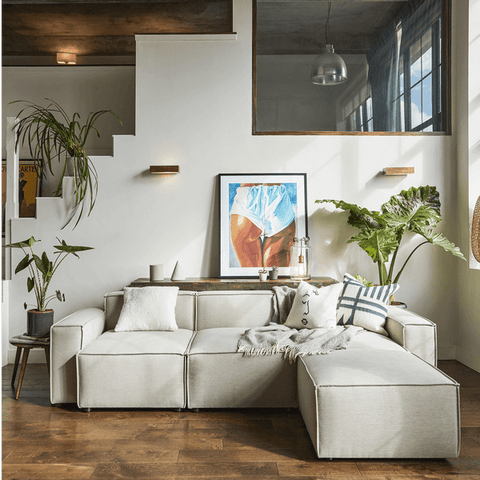
Sectional sofas offer flexibility and comfort. You can place them in many ways to match your room shape.
- Place the sectional in a corner to open up the room center.
- Use it to divide a large room into zones.
- Position the longest side facing the main focal point like a TV or window.
- Keep pathways clear by leaving space around the sofa.
- Add a rug beneath to define the seating area.
Sofa With Fireplace Setup
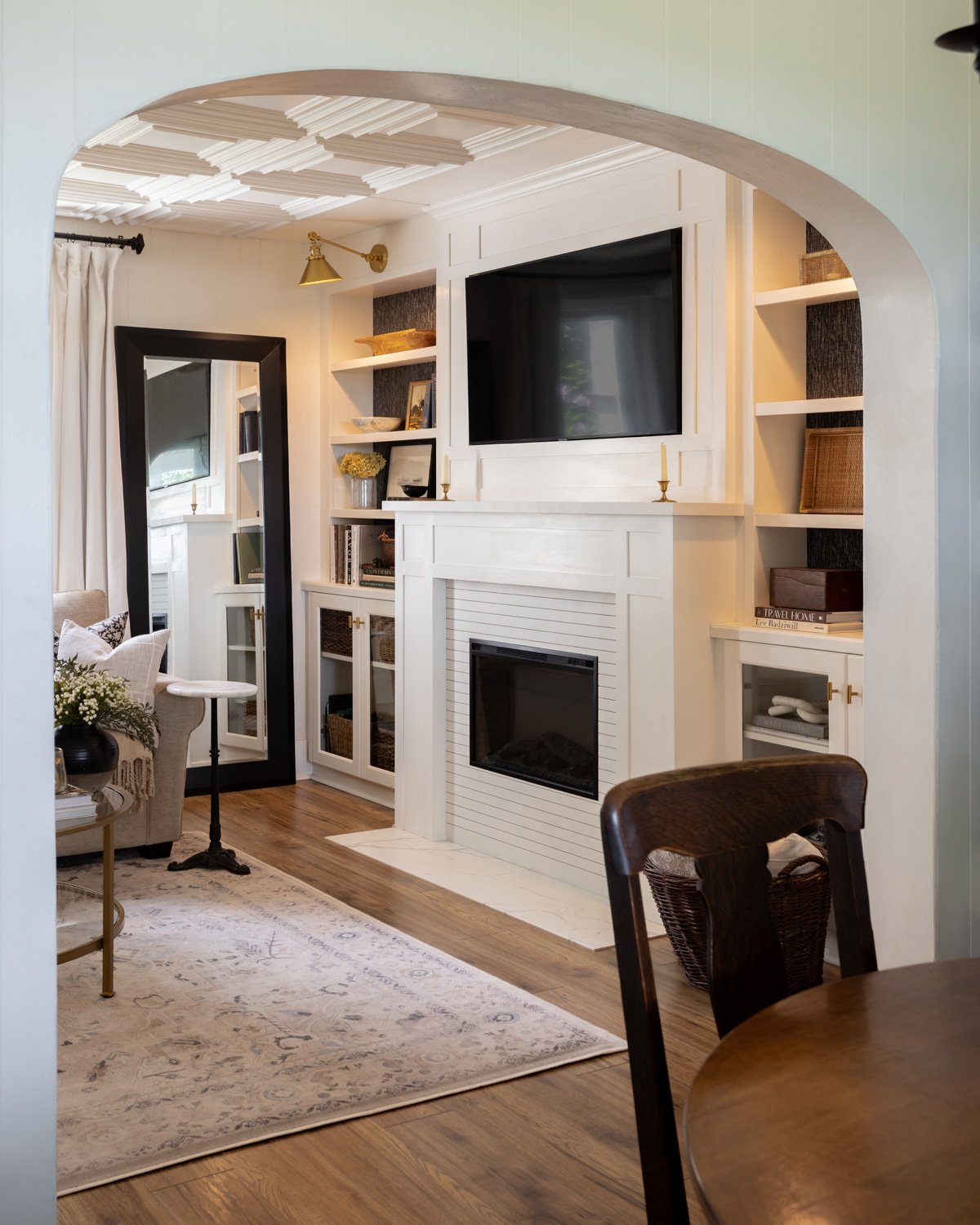
Placing a sofa near a fireplace creates a cozy and inviting spot. You should think about comfort and balance.
| Placement Tip | Reason |
| Face the sofa toward the fireplace | Highlights the fireplace as the room’s focus |
| Keep at least 3 feet from the fireplace | Ensures safety and heat circulation |
| Use a low back sofa | Allows an open view and maintains room flow |
| Add side tables | Provides space for drinks and decor |
| Arrange chairs opposite the sofa | Creates a balanced conversation area |
Frequently Asked Questions
Where Is The Best Spot To Place A Sofa In Living Room?
The best spot depends on room size and layout. Usually, facing the main focal point like a TV or fireplace works well. Ensure enough walking space around the sofa for comfort and flow.
How To Arrange A Sofa For Better Living Room Flow?
Position the sofa to allow easy movement between entrances and seating areas. Avoid blocking doorways and pathways. Angle the sofa if needed to create a natural flow and conversation zones.
Should A Sofa Face The Tv Or Fireplace?
Ideally, place the sofa facing the main focal point, whether TV or fireplace. This creates a cozy, functional setting. If both exist, prioritize the one used most often.
Can A Sofa Be Placed In The Middle Of The Room?
Yes, placing a sofa in the middle can define separate zones. Use rugs or tables to anchor the space. This setup works well in open-plan living rooms.
Conclusion
Choosing the best spot for your sofa shapes your living room's feel. Think about space, light, and how you use the room. Place the sofa where it invites talk and comfort. Avoid blocking doors or windows to keep flow smooth.
Try different spots to find what fits best. Your sofa can make the room cozy and welcoming. Keep these tips in mind to create a happy, easy space for everyone.