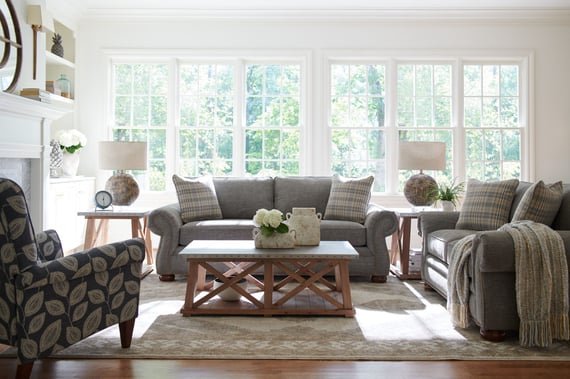
Are you wondering how to mix different tables in your living room without making it look cluttered or mismatched? You’re not alone.
Combining various styles, shapes, and sizes of tables can be tricky, but when done right, it adds personality and charm to your space. Imagine a living room where every table complements the others, creating a cozy and stylish vibe that feels uniquely yours.
Keep reading, and you’ll discover simple tips that make mixing tables easy and enjoyable—so your living room becomes a place you love to relax and entertain.
:max_bytes(150000):strip_icc()/charlie-sidetables-043aabdeaf4b46d9bfc1a3d7281ca30a.jpg)
Credit: www.thespruce.com
Choosing Table Styles
Mixing different tables in your living room can create a unique and inviting space. Picking the right styles is key to making the room look balanced and stylish.
Consider how each table’s design will work together. Focus on shapes, materials, and colors to bring harmony to the room.
Balancing Modern And Vintage
Combine modern and vintage tables by matching their sizes and shapes. Large modern tables can pair well with smaller vintage ones. This contrast adds interest without chaos.
- Use clean lines in modern tables to contrast ornate vintage details.
- Place vintage tables as accents near modern furniture.
- Keep the overall room style consistent to avoid clutter.
- Mix styles but keep a similar height for balance.
Mixing Materials
Different table materials can work well together when chosen carefully. Wood, metal, glass, and stone each bring a unique feel to the space.
| Material | Style Effect |
| Wood | Warm and natural |
| Metal | Modern and sleek |
| Glass | Light and airy |
| Stone | Strong and elegant |
Try combining one natural material with one sleek material for good contrast. Avoid too many shiny or matte surfaces together.
Selecting Complementary Colors
Colors help tie different tables together. Pick colors that match or complement the room’s palette for a smooth look.
- Choose neutral colors like white, gray, or beige for easy mixing.
- Use one or two accent colors across tables to connect them.
- Match wood tones by picking tables with similar finishes.
- Avoid clashing bright colors on multiple tables.
Arranging Tables For Functionality
Mixing different tables in your living room can add style and purpose. Arranging them well keeps the space useful and inviting.
Think about how you use the room. Place tables to support your daily activities and comfort.
Creating Conversation Zones
Group tables near seating areas to encourage talking. Small tables between chairs help people share drinks or books.
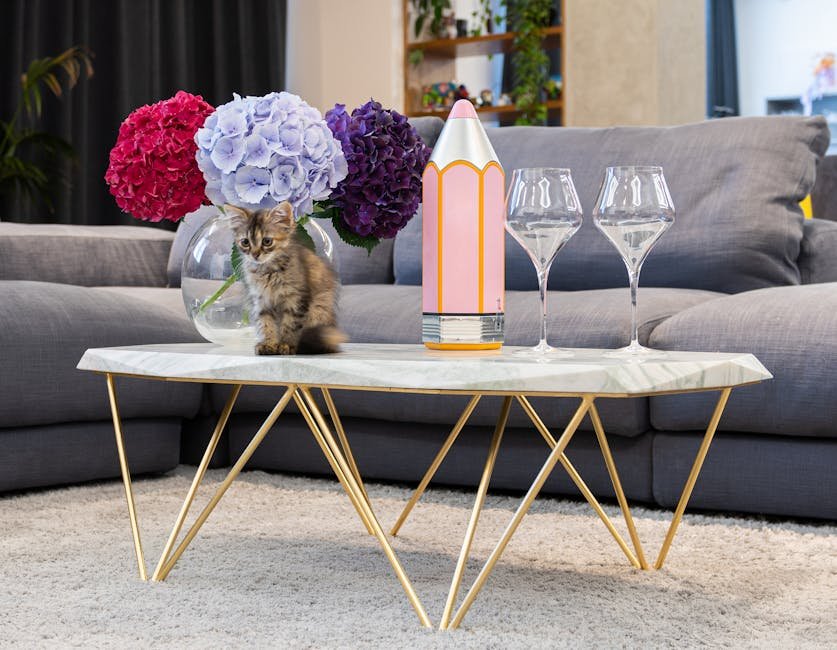
- Place a coffee table in front of the sofa
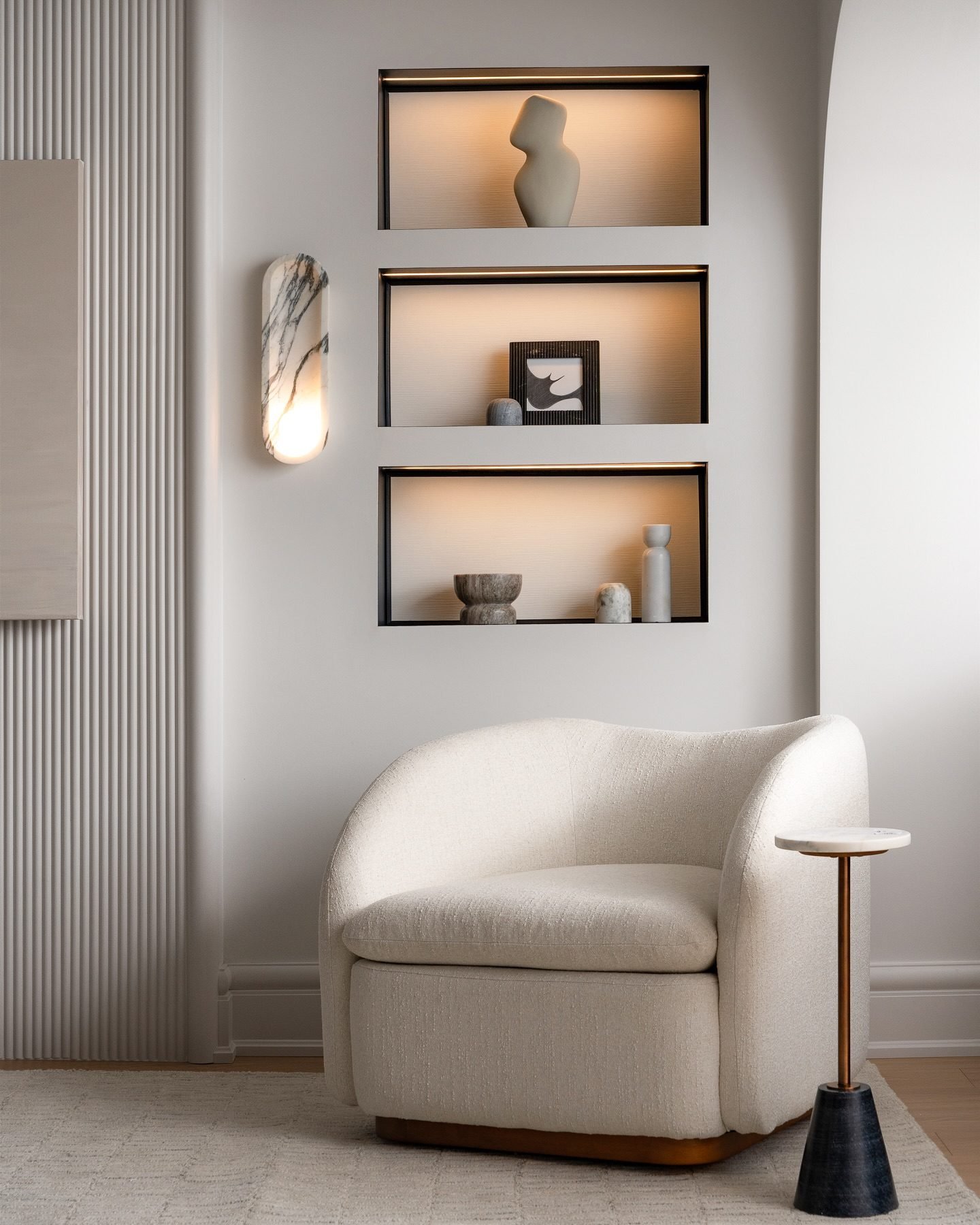
- Use side tables next to armchairs
- Keep tables close enough for easy reach
- Leave enough space for people to move around
Optimizing Traffic Flow
Arrange tables so people can walk through without bumping. Avoid blocking pathways or doorways with large pieces.
| Table Type | Placement Tips |
| Coffee Table | Center of seating, 18 inches from sofa |
| Side Table | Next to chairs, easy to reach |
| Console Table | Against walls, behind sofas |
| Nesting Tables | Stacked or spread in corners |
Layering Heights And Sizes
Use tables of different heights and sizes to add interest and function. Taller tables work well for lamps, shorter ones for snacks.
Tall Table
Good for lamps and plants.
Medium Table
Ideal for drinks and books.
Low Table
Great for footrests or trays.
Accessorizing Mixed Tables
Mixing different tables in your living room adds style and function. Accessories help bring the look together.
Use simple items to balance the shapes and sizes of your tables. This creates a cozy and inviting space.
Using Decorative Trays
Decorative trays keep small items organized on mixed tables. They add color and texture to the space.
Choose trays that fit the style of your tables. They can be made of wood, metal, or glass.
- Group candles, coasters, or remotes on trays
- Use trays to create a focal point
- Mix patterns or solid colors for contrast
Incorporating Plants And Books
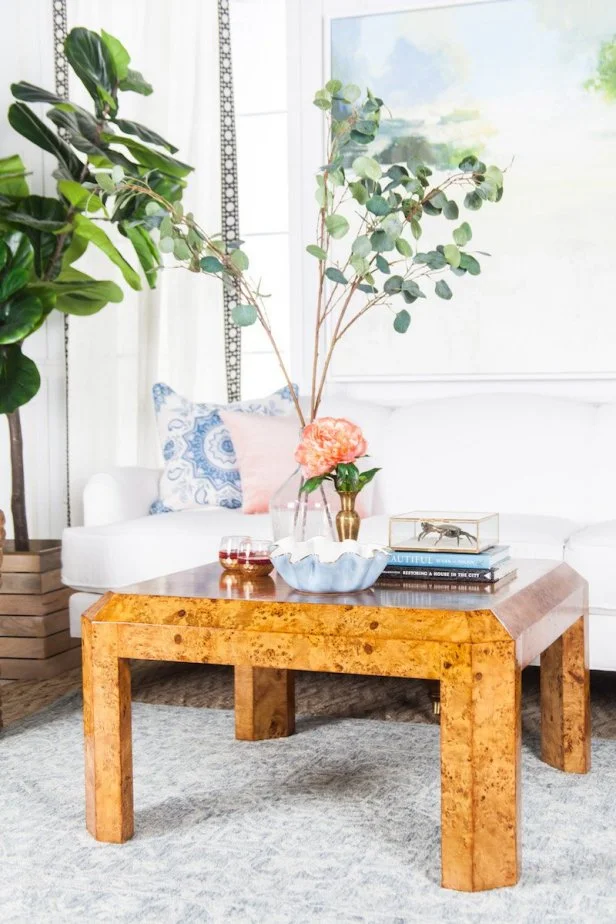
Plants add life and freshness to your living room tables. Books bring warmth and personality.
Place a small plant or stack of books on each table. This helps unify different table styles.
- Use low-maintenance plants like succulents or ferns
- Stack books by size or color for neatness
- Mix natural and colorful items for interest
Adding Personal Touches
Personal items make your living room feel warm and unique. Use photos, souvenirs, or art pieces.
Place these items carefully on your tables. They show your style and tell a story.
- Display framed photos in small sizes
- Add small sculptures or decorative bowls
- Use items that match your room’s color scheme
Credit: www.hgtv.com
Maintaining Visual Harmony
Mixing different tables in your living room can create a unique look. It is important to keep the space balanced and calm.
Visual harmony helps all pieces work well together. It makes the room feel comfortable and inviting.
Repeating Patterns And Textures
Use similar patterns or textures on the tables to tie them together. This repetition creates a sense of unity.
For example, if one table has a wood grain texture, choose another with a similar finish or pattern.
- Match wood tones or metal finishes
- Use similar shapes or legs style
- Add textures like glass or stone that repeat
Balancing Negative Space
Negative space is the empty area around the tables. Balance it by leaving enough space between pieces.
This space helps the room feel open and not crowded. Avoid placing tables too close or too far apart.
- Keep walkways clear
- Space tables evenly
- Use area rugs to define table zones
Coordinating With Surrounding Furniture
Choose tables that match your sofa and chairs in style or color. This creates a smooth flow in the room.
Consider the height and scale of surrounding furniture to keep everything balanced and easy to use.
- Pick tables with colors that complement the sofa
- Match table height with sofa arms or seat height
- Use similar materials or finishes as chairs
Troubleshooting Common Issues
Mixing different tables in your living room can create a stylish look. It also brings personality to the space. But some problems may appear during the process.
This guide helps you fix common issues like clutter, scale problems, and safety concerns. Follow these tips for a better living room setup.
Avoiding Clutter
Too many tables can make your living room look messy. It can block walking paths and reduce usable space. Keep only the necessary tables to avoid clutter.
- Choose tables with storage options to keep items inside.
- Arrange tables so they do not block doors or walkways.
- Use smaller tables instead of many large ones.
- Keep surfaces clear by regularly tidying up.
Fixing Scale Imbalance
Tables that are too big or small can look odd together. The right scale creates harmony. Measure your space before adding tables.
| Table Size | Recommended Use | Tip |
| Small (under 18 inches) | Side tables or accent pieces | Use for lamps or décor |
| Medium (18-30 inches) | Coffee tables or occasional tables | Good for front of sofas |
| Large (over 30 inches) | Main coffee or console tables | Place against walls or large seating |
Ensuring Stability And Safety
Unstable tables can cause accidents. Check legs and joints before use. Make sure tables sit flat on the floor.
- Test for wobbling by gently pushing on each table.
- Tighten loose screws or bolts.
- Use furniture pads to prevent slipping on hard floors.
- Avoid placing heavy items on small or light tables.

Credit: www.shelterness.com
Frequently Asked Questions
What Tables Work Best Together In A Living Room?
Mix tables with varying heights, shapes, and materials for visual interest. Combine wood, metal, and glass surfaces to blend styles and textures.
How To Balance Colors When Mixing Living Room Tables?
Choose tables with complementary or neutral colors. Use accent pieces like rugs or cushions to tie the colors together seamlessly.
Can Different Table Styles Create A Cohesive Look?
Yes, mixing modern and vintage tables works well. Keep a consistent color palette or material to maintain harmony.
How To Arrange Multiple Tables For Functionality?
Place the largest table centrally as a focal point. Position smaller tables nearby for easy access and balanced flow.
Conclusion
Mixing different tables in your living room creates a fresh, inviting space. Choose pieces that balance size and style for harmony. Play with colors and shapes to add interest and fun. Keep the arrangement simple and practical for easy use.
This approach makes your room feel cozy and unique. Enjoy crafting a look that shows your personality and taste. Small changes can make a big difference in your home’s feel. Try mixing tables today and see how your space transforms.