Are you tired of uneven cooling or heating in your home? Your A/C vents might be the key to fixing that.
The right vents don’t just blow air—they control the flow, keep your space comfortable, and even save you money on energy bills. You’ll discover how to choose the best A/C vents for your home, improve airflow, and enjoy a fresher, more balanced indoor climate.
Keep reading to find out simple tips that can make a big difference in your comfort every day.
Types Of A/c Vents
A/C vents help move cool air through your home. They come in different types. Each type fits a specific place in your house.
Choosing the right vent type can improve air flow and comfort. Let’s look at the common types of A/C vents used at home.
Ceiling Vents
Ceiling vents are installed in the ceiling to blow air down into rooms. They are often used in rooms with high ceilings.
These vents spread air evenly and keep the room cool from above. They are good for large spaces.
- Usually square or rectangular
- Can have adjustable louvers to direct airflow
- Works well with central air systems
Wall Vents
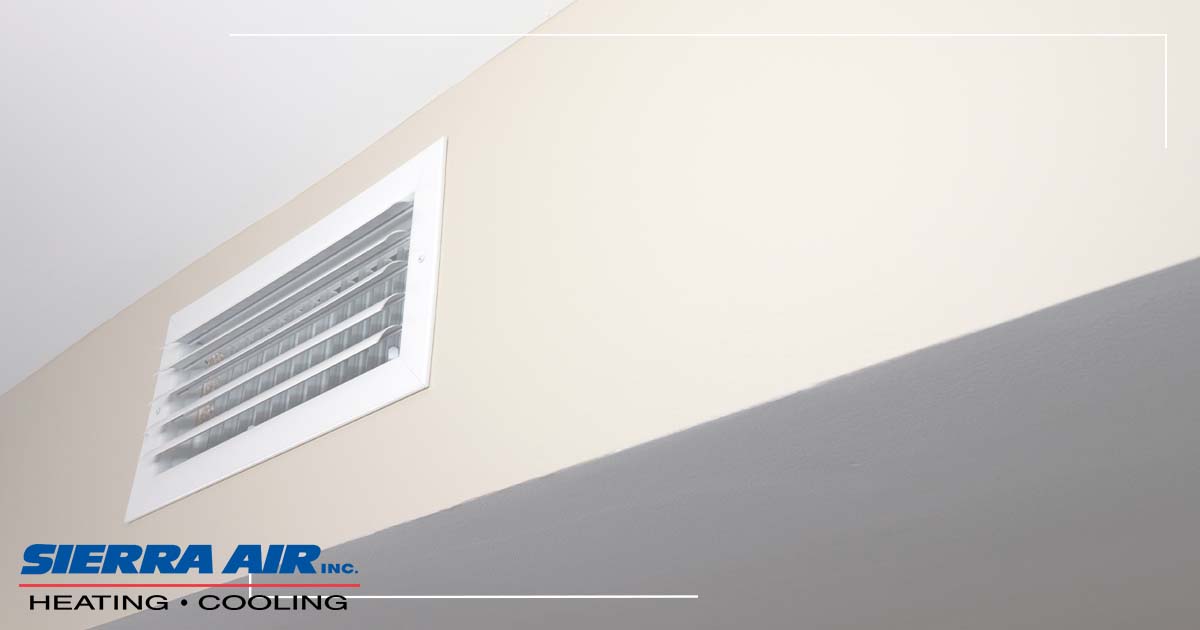
Wall vents are placed on walls to let air in or out. They are common in rooms without ceiling access.
These vents help cool or heat a room by moving air sideways. They fit well in smaller rooms or hallways.
- Often rectangular or round
- Can be fixed or adjustable
- Easy to install in existing walls
Floor Vents
Floor vents blow air into a room from the floor. They work best in rooms with low ceilings.
Warm air rises from floor vents, making the room comfortable. They are common in homes with wood or carpet floors.
- Usually rectangular or square
- Can have adjustable grilles
- Good for heating and cooling
Return Air Vents
Return air vents pull air back into the A/C system. They help keep air moving and filter it.
These vents are usually larger and placed in central locations. They keep your home’s air clean and cool.
- Often bigger than supply vents
- Located on walls, floors, or ceilings
- Includes filters to trap dust
Materials And Designs
A/C vents come in many materials and designs. Choosing the right vent affects air flow and home style.
Materials like metal and plastic offer different benefits. Designs range from simple to decorative covers.
Metal Vents
Metal vents are strong and last a long time. They handle heat well and resist damage.
They often have a sleek look that fits modern homes. Metal vents come in steel, aluminum, or brass.
- Durable and sturdy
- Good heat resistance
- Simple or polished finishes
- Easy to clean
Plastic Vents
Plastic vents are lightweight and cost less than metal. They do not rust and are easy to install.
These vents come in many colors and shapes. Plastic is good for rooms with low heat exposure.
- Light and easy to handle
- Wide color options
- Resistant to rust and corrosion
- Affordable choice
Decorative Covers
Decorative covers add style to plain vents. They come in wood, metal, or plastic with patterns.
These covers can match your home decor. They hide vents while still letting air flow freely.
- Enhance room appearance
- Match different home styles
- Easy to remove for cleaning
- Available in many designs
Choosing The Right Size
Choosing the right size for A/C vents is important. It helps your home stay cool and comfortable.
If vents are too small, airflow will be weak. If they are too big, they may not fit well.
Measuring Vent Dimensions
Measure the vent opening carefully before buying. Use a tape measure to get accurate numbers.
Measure the width and height of the vent opening in inches. Note these numbers for reference.
- Measure inside edges of the vent frame
- Write down width first, then height
- Double-check measurements for accuracy
Matching Vent Size To Room
Choose a vent size that matches your room size. Bigger rooms need bigger vents for good airflow.
Use room square footage to help decide vent size. This ensures the air spreads evenly.
| Room Size (sq ft) | Recommended Vent Size (inches) |
|---|---|
| Up to 100 | 8 x 8 |
| 101 to 200 | 10 x 10 |
| 201 to 300 | 12 x 12 |
| More than 300 | 14 x 14 or larger |
Installation Tips
Installing A/C vents in your home helps keep rooms cool and comfortable. Proper installation ensures good airflow and energy savings.
Follow simple tips to place, seal, and fit your vents correctly. Using the right tools makes the job easier and safer.
Proper Placement
Place vents where air can flow freely across the room. Avoid blocking vents with furniture or curtains.
Install vents near windows or doors to balance hot and cold air. This helps the A/C work efficiently.
- Keep vents at least 12 inches from walls or furniture
- Place vents high on walls or ceilings for better airflow
- Avoid placing vents near heat sources
Sealing And Insulation
Seal gaps around vents to stop air leaks. Leaks reduce cooling and waste energy.
Use insulation around ductwork to keep air cold. This stops heat from entering the system.
- Apply caulk or foam sealant around vent edges
- Check for cracks in ducts and seal them
- Wrap ducts with insulation sleeves or tape
Tools Needed
Having the right tools makes vent installation simple and safe. Gather tools before starting the job.
- Screwdriver or drill for fasteners
- Measuring tape to find vent size and placement
- Utility knife to cut drywall or insulation
- Caulk gun for sealing gaps
- Insulation material for duct wrapping
Maintenance And Cleaning
Keeping your A/C vents clean is important for good air quality. Dust and dirt can build up inside vents. This causes less airflow and may spread allergens.
Regular maintenance helps your air conditioner work well. It also keeps your home healthier and more comfortable.
Regular Dusting
Dust your A/C vents often to stop dirt from piling up. Use a soft cloth or a vacuum with a brush tool. This removes surface dust and keeps vents clean.
- Turn off the A/C unit before cleaning.
- Wipe vents with a dry microfiber cloth.
- Use a vacuum brush to reach inside the vents.
- Clean vents weekly or every two weeks.
Deep Cleaning Methods
Deep cleaning removes dirt inside the vents and ducts. This is good once or twice a year. It needs more effort than dusting.
| Method | Description |
| Vacuuming | Use a powerful vacuum to clean inside ducts. |
| Brush Cleaning | Brush inside vents to loosen stubborn dirt. |
| Washing | Wash vent covers with soap and water, then dry. |
| Professional Service | Hire experts to clean ducts and vents deeply. |
Replacing Filters
Filters trap dust and particles before air enters your home. Replace filters often to keep air clean and improve A/C efficiency.
- Check the filter every month for dirt.
- Replace filters every 1-3 months, depending on use.
- Choose the right filter size for your system.
- Follow manufacturer instructions for installation.

Credit: www.reggioregister.com
Improving Airflow Efficiency
Enhancing airflow efficiency in your home can make a big difference. It helps in maintaining comfort and saves energy. Let's explore some effective ways.
Adjusting A/C vents properly ensures optimal air circulation. This can lead to better cooling and heating results.
Adjusting Vent Direction
Directing vents the right way is crucial. It ensures air spreads evenly across rooms. Aim vents toward open spaces to maximize airflow.
- Point vents away from walls and furniture
- Adjust vents to target frequently used areas
- Check vent angles regularly for best results
Using Vent Deflectors
Vent deflectors help guide air where needed. They are easy to install and adjust. These can be very effective in improving room comfort.

Vent deflectors can redirect airflow efficiently.
Balancing Air Distribution
Ensuring balanced air distribution is vital. It prevents some areas from being too hot or cold. A balanced system promotes energy efficiency.
| Room | Vent Status | Air Flow |
| Living Room | Open | High |
| Bedroom | Partially Closed | Moderate |
| Kitchen | Closed | Low |
Energy Saving Benefits
Using A/C vents wisely can save energy. These strategies help keep your home comfortable.
Learn how to cut energy use and boost HVAC performance with your A/C vents.
Reducing Energy Bills
Well-positioned A/C vents reduce energy bills. Proper placement ensures efficient air distribution.
- Install vents away from obstructions.
- Regularly clean filters for smooth airflow.
- Seal any leaks to prevent air loss.
Enhancing Hvac Performance
Enhancing HVAC performance is key. A/C vents play a big role in this process.
| Method | Benefit |
| Zone heating | Custom temperature control |
| Smart thermostats | Automated adjustments |
| Regular maintenance | Prevents system strain |
Credit: sierraair.com
Common Problems And Fixes
A/C vents help keep your home cool and comfortable. Sometimes, vents can have issues that reduce their performance. Knowing common problems helps you fix them quickly.
This guide covers blocked vents, noisy vents, and uneven cooling problems. Each section explains causes and simple fixes you can try at home.
Blocked Vents
Blocked vents reduce air flow and lower cooling efficiency. Dust, dirt, or furniture can block the vents. Pets shedding hair also cause blockages.
- Clear any furniture or objects away from vents.
- Regularly vacuum dust and debris from vent covers.
- Use a soft brush to clean inside vent grilles.
- Check ducts for any obstructions if air flow is poor.
Noisy Vents
Noisy vents can create whistling, rattling, or banging sounds. Loose vent covers and high air pressure often cause these noises. Dirt buildup also affects airflow.
| Cause | Fix |
| Loose vent cover | Tighten screws or replace cover |
| High air pressure | Adjust HVAC fan speed |
| Dirt buildup | Clean vent and ducts |
| Duct vibration | Secure ducts with clamps |
Uneven Cooling
Uneven cooling means some rooms feel too hot or cold. Causes include blocked vents, wrong vent size, or closed dampers. Poor insulation may also play a role.
Try this checklist for fixing uneven cooling:
- Open all vent registers fully.
- Check for blockages in each vent.
- Adjust or open dampers in ductwork.
- Seal leaks in duct joints with tape.
- Consider adding insulation to cold rooms.
Smart Vent Solutions
Smart vents help control airflow in your home. They adjust automatically to keep rooms comfortable.
These vents work with your HVAC system to save energy and improve air quality.
Automated Vent Controls
Automated vent controls open and close vents based on room temperature. They use sensors to detect when a room is too hot or cold.
- Keep each room at the right temperature
- Reduce energy waste by closing vents in unused rooms
- Improve overall comfort in your home
- Work quietly without manual adjustment
Integration With Smart Home Systems
Smart vents connect to home systems like Alexa or Google Home. This lets you control vents with voice commands or apps.
| Feature | Description |
| Voice Control | Open or close vents using voice commands |
| App Control | Manage vents remotely from your smartphone |
| Scheduling | Set vent schedules for different times of day |
| Energy Reports | Track energy savings and usage patterns |

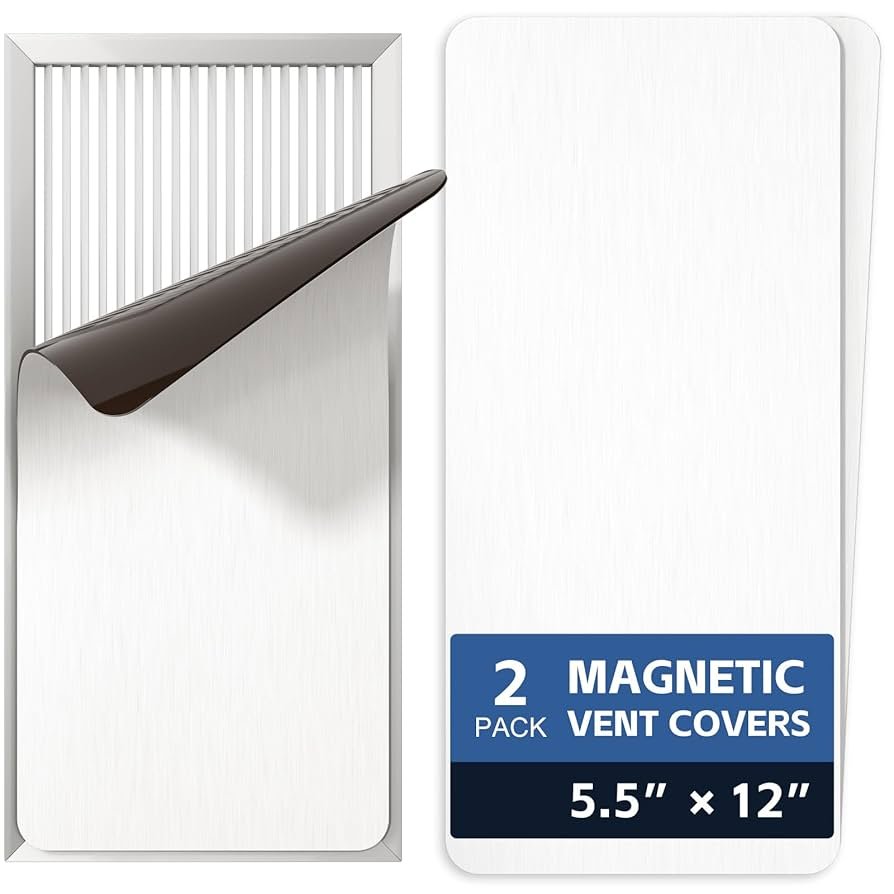
Credit: www.amazon.ca
Frequently Asked Questions
What Are The Best Materials For A/c Vents In Homes?
The best materials for home A/C vents include metal, plastic, and wood. Metal vents offer durability, plastic vents are affordable and lightweight, and wood vents provide aesthetic appeal. Choosing the right material depends on your home's style and ventilation needs.
How Often Should I Clean My Home A/c Vents?
You should clean your home A/C vents every 3 to 6 months. Regular cleaning improves air quality, reduces allergens, and enhances system efficiency. Frequent maintenance prevents dust buildup and helps your HVAC system run smoothly.
Can A/c Vents Affect Home Energy Efficiency?
Yes, A/C vents significantly impact home energy efficiency. Properly sealed and well-maintained vents reduce air leaks and improve airflow. This lowers energy consumption and helps maintain consistent indoor temperatures, saving on utility bills.
How Do I Choose The Right Size A/c Vents?
Choose A/C vent sizes based on your room size and HVAC system. Correct sizing ensures optimal airflow and temperature control. Oversized vents cause noise, while undersized vents reduce cooling efficiency. Consult HVAC professionals for precise measurements.
Conclusion
Choosing the right A/C vents helps keep your home cool and fresh. Good vents improve air flow and save energy. Clean vents prevent dust and allergies. Small changes make big differences in comfort. Take time to select vents that fit your needs well.
Proper maintenance keeps your system working smoothly. Enjoy a cooler home with better air quality today.