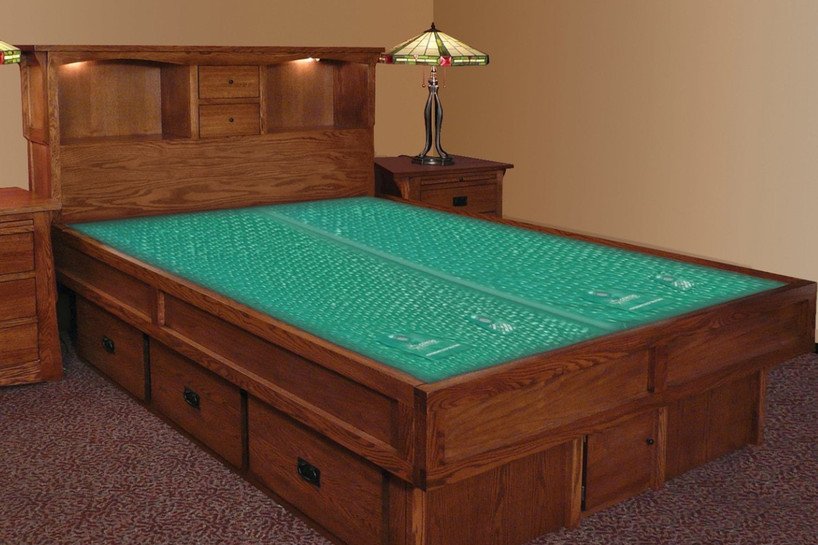
Are you worried that your waterbed might crash through your bedroom floor? It’s a common fear, especially if you’ve just invested in one or are thinking about getting one.
You might wonder if the floor can really hold all that weight. This question is more important than you think because a weak floor could mean serious damage to your home. But don’t panic just yet. You’ll discover the truth about waterbeds and floor safety.
By the end, you’ll know exactly what to check before placing your waterbed, keeping your bedroom safe and sound. Keep reading to protect your home and sleep peacefully!
Waterbed Weight Basics
Waterbeds are unique beds filled with water. This makes their weight much different from traditional beds. Understanding waterbed weight helps you know if your floor can hold it safely.
Waterbeds can weigh a lot because water is heavy. Knowing the weight can stop any worries about the bed breaking the floor.
Average Waterbed Weight
A typical waterbed mattress holds about 800 to 1,200 pounds of water. The exact weight depends on the mattress size and water level. The bed frame and mattress cover add extra weight too.
- Full-size waterbeds can weigh around 1,000 to 1,200 pounds when filled.
- Queen-size waterbeds usually weigh between 1,100 and 1,400 pounds.
- King-size waterbeds can weigh up to 1,500 pounds or more.
- The frame and bedding add about 100 to 200 pounds.
Comparing Waterbed To Traditional Beds
Traditional beds are much lighter than waterbeds. They use wood, metal, and foam or springs. These materials weigh less than water.
| Bed Type | Average Weight | Weight Source |
| Waterbed (Queen) | 1,200–1,400 lbs | Water + Frame |
| Traditional Bed (Queen) | 100–150 lbs | Frame + Mattress |
| Waterbed Frame | 100–200 lbs | Wood or Metal |
| Foam Mattress | 50–80 lbs | Foam Material |
Bedroom Floor Strength
Waterbeds are heavy and hold a lot of water. Many people worry if their bedroom floor can hold this weight.
The strength of your bedroom floor depends on its design and materials. Knowing this helps prevent accidents.
Typical Floor Load Capacity
Most residential floors support about 40 to 50 pounds per square foot. This includes furniture and people.
A waterbed can weigh much more than a regular bed. It may weigh 800 to 1500 pounds when full.
- Standard floors hold around 40-50 lbs per square foot
- Waterbeds can weigh up to 1500 lbs total
- Weight spreads over the floor area
- Check floor joist size and spacing for support
Materials Used In Bedroom Floors
Bedroom floors usually have wood or concrete materials. These affect how much weight the floor can hold.
Wood floors have joists and beams to spread weight. Concrete floors are solid and very strong.
- Wood floors use joists, beams, and plywood
- Concrete floors are made of solid slabs
- Stronger materials mean better support
- Older homes may have weaker floors
Factors Affecting Floor Stability
Waterbeds are heavy and filled with water. This weight can affect the floor below.
Some floors handle heavy loads better than others. Knowing what affects floor stability helps keep your home safe.
Age And Condition Of Flooring
Old floors may weaken over time. Wood can rot or crack, making it less strong.
Floors with damage or wear may not support a heavy waterbed safely.
- Check for soft spots or cracks
- Look for water damage or mold
- Older floors may need extra support
Support Beams And Joists
Beams and joists hold the floor up. Their size and spacing matter a lot.
Stronger beams mean better support for heavy beds like waterbeds.
- Thicker beams hold more weight
- Closer joist spacing adds strength
- Damaged or weak beams reduce floor stability
Waterbed Size And Fill Level
Larger waterbeds hold more water and weigh more. Full beds weigh the most.
How much water you add changes the bed’s total weight and floor pressure.
- Bigger beds spread weight over a larger area
- More water means more weight on the floor
- Partial fills weigh less but still need support

Common Misconceptions
Many people worry that waterbeds will damage their bedroom floors. Some think the floor will break under the waterbed's weight. Others worry about leaks causing water damage. These are common fears but often not based on facts.
This article looks at two common concerns: if waterbeds can cause structural damage and if leaks can harm floors. It clears up some misunderstandings.
Waterbeds And Structural Damage
Waterbeds are heavy because they hold a lot of water. People fear this weight might break the floor or cause the house to collapse. In truth, most floors can hold the weight of a waterbed safely.
- Waterbeds weigh about 1,000 to 1,500 pounds when full.
- Most bedroom floors support much more weight than this.
- Floors are built to hold heavy furniture and people.
- Proper bed frames spread the waterbed’s weight evenly.
- Older or damaged floors may need inspection before use.
Leaks And Floor Damage
Leaks are a common worry. Waterbeds can leak if damaged. People think water spills will ruin floors immediately. This is not always true. The damage depends on the floor type and how quickly the leak is noticed.
| Floor Type | Leak Impact | Damage Risk |
| Wood | Absorbs water, swells | High |
| Carpet | Water soaks in, mold grows | Medium to High |
| Tile | Water pools on surface | Low |
| Vinyl | Water stays on surface | Low |
Preventing Floor Damage
Waterbeds are heavy and need strong floors. Protect your bedroom floor to avoid cracks or breaks.
Use good methods and tools to keep the floor safe under the waterbed.
Proper Installation Tips
Place the waterbed on a flat, stable surface. Uneven floors can cause pressure points.
Check the floor’s strength before setting up the waterbed. Wood floors may need extra support.
- Measure the floor area and waterbed size carefully
- Use plywood or boards under the waterbed for extra support
- Keep the waterbed away from weak spots like old floorboards
Using Floor Protectors
Floor protectors stop scratches and dents from the waterbed frame. They spread weight evenly.
Choose protectors that match your floor type like rubber pads or felt mats.
- Place protectors under all waterbed legs and corners
- Check protectors often for wear and replace if needed
- Use waterproof mats to catch spills and leaks
Regular Maintenance Checks
Inspect the floor around the waterbed regularly. Look for soft spots or water damage.
Fix small problems early to avoid big repairs later.
- Check for leaks and repair them quickly
- Test floor stability by pressing and walking on it
- Keep the room dry to prevent wood swelling or mold

When To Consult A Professional
Waterbeds are heavy and can strain your bedroom floor. It's important to know when to seek expert advice.
Consulting a professional can help prevent accidents and ensure your floor's safety.
Signs Of Floor Weakness
Recognizing signs of floor weakness is crucial. It can prevent potential damage.
- Floors creak when you walk
- Visible sagging or bending
- Cracks in the ceiling below
Structural Assessment Options
Knowing your assessment options helps in making informed decisions. It's vital to choose the right method.
| Assessment Type | Description |
| Visual Inspection | Look for visible damage |
| Professional Survey | Hire experts for detailed analysis |
| Load Testing | Test floor's weight-bearing capacity |

Frequently Asked Questions
Will A Waterbed Damage My Bedroom Floor?
A waterbed exerts more pressure than a regular mattress. Most floors can support it if properly reinforced. Always check floor joists and consider additional support to prevent damage or collapse.
How Much Weight Does A Waterbed Add To Floors?
A filled waterbed can weigh between 800 to 1,200 pounds. This weight spreads evenly but still requires a sturdy floor structure. Reinforcing floor joists is often necessary for safety.
Can Waterbeds Cause Floor Sagging Or Cracks?
Yes, waterbeds can cause floor sagging or cracks if the floor is weak. Proper floor reinforcement helps distribute the weight evenly and prevents structural damage.
Should I Reinforce My Floor Before Installing A Waterbed?
Yes, reinforcing the floor is recommended. Strengthening floor joists or adding plywood can handle the waterbed’s heavy weight. This prevents damage and increases safety.
Conclusion
Waterbeds usually do not crash through bedroom floors. Most floors can hold the weight safely. Make sure your floor is strong and stable. Check the floor’s material and support beams. Spread the waterbed’s weight evenly to avoid damage. Regularly inspect for leaks or weak spots.
A waterbed can be a safe and comfy choice. Taking simple precautions keeps your home secure. Sleep well without worry about floor problems.