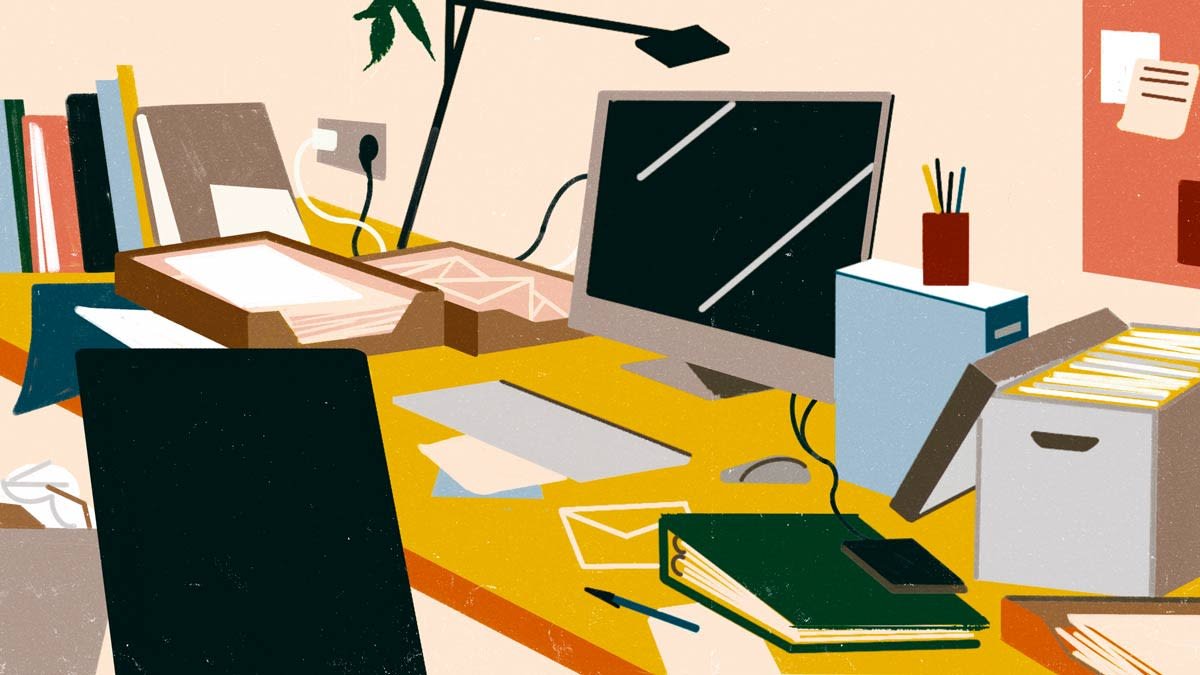
When organizing a home office, one of the biggest challenges is deciding which paperwork to keep and which to toss. You don’t want clutter slowing you down, but you also need quick access to important documents.
Knowing exactly what paperwork to hold onto can save you time, reduce stress, and keep your workspace clear. You’ll discover the essential papers you must keep, how to organize them efficiently, and tips to avoid common mistakes. Keep reading to transform your home office into a smooth-running, clutter-free zone.
Types Of Paperwork To Keep
Organizing a home office means deciding which papers to keep. Keeping the right paperwork helps you find important documents quickly.
This guide lists the main types of paperwork you should store safely in your home office.
Personal Documents
Personal documents prove your identity and important life events. Keep these papers safe and easy to access.
- Birth certificates
- Passports and ID cards
- Marriage and divorce certificates
- Social security cards
- Adoption papers
Financial Records
Financial documents show your money matters. Store them to track spending and prove ownership.
- Bank statements
- Investment records
- Loan agreements
- Credit card statements
- Receipts for big purchases
Legal Papers
Legal documents protect your rights and property. Keep these papers organized and secure.
- Wills and trusts
- Property deeds
- Contracts and agreements
- Power of attorney documents
- Vehicle titles
Work-related Documents
Work papers track your job history and skills. Store these for future reference or job changes.
- Employment contracts
- Pay stubs
- Performance reviews
- Certificates and licenses
- Work project files
Medical Records
Medical documents keep your health information organized. Keep copies of important health papers.
- Immunization records
- Medical history reports
- Prescription details
- Insurance information
- Doctor and hospital bills
Tax Documents
Tax paperwork shows your income and payments. Keep these for several years to meet legal needs.
- Tax returns
- W-2 and 1099 forms
- Receipts for deductions
- Property tax statements
- IRS correspondence

Credit: www.amazon.com
Criteria For Keeping Papers
Organizing a home office means deciding which papers to keep. Not all documents need saving.
Use clear rules to keep important papers and remove the rest. This saves space and time.
Legal Requirements
Some papers must be kept by law. These include documents related to taxes and property.
Keep these papers for the required time to avoid problems with authorities.
- Tax returns and supporting documents (usually 3-7 years)
- Property deeds and mortgage papers
- Insurance policies and claims
- Contracts and legal agreements
Financial Importance
Financial papers help track spending and income. Keep bills, receipts, and bank statements.
These papers help with budgeting and can be useful for audits or disputes.
- Monthly bank and credit card statements
- Receipts for big purchases
- Pay stubs and income records
- Investment and retirement account documents
Sentimental Value
Some papers hold personal meaning. These include letters, cards, and certificates.
Keep only the items that bring positive memories or mark important moments.
- Personal letters and cards
- Certificates and awards
- Photos and keepsakes
- Children’s schoolwork or achievements
Organizing Paperwork Efficiently
Keeping paperwork in order helps save time and reduce stress. A neat system lets you find documents quickly.
Focus on sorting, labeling, and storing your papers carefully. This keeps your home office clean and useful.
Sorting And Categorizing
Start by grouping papers into clear categories. This step makes it easy to manage and find what you need.
- Important documents like birth certificates and tax returns
- Financial papers including bills and bank statements
- Work-related files such as contracts and reports
- Personal records like medical and school papers
- Receipts and warranties for purchases
Labeling Systems
Use clear labels to mark each category. Labels help you spot the right files fast without opening everything.
| Label Type | Use |
| Color-coded stickers | Identify categories by color |
| Printed labels | Neat and easy to read |
| Handwritten tags | Quick and flexible |
| Tabs on folders | Separate sections inside binders |
Using Filing Cabinets And Binders
Filing cabinets and binders keep papers safe and organized. Choose what fits your space and needs.
- Use filing cabinets for large amounts of paperwork
- Binders work well for smaller, active projects
- Keep frequently used files within easy reach
- Store older documents in labeled boxes or drawers
- Regularly review and remove unneeded papers

Credit: thesavvysparrow.com
Digitizing Important Documents
Organizing a home office means deciding what paperwork to keep. Digitizing important documents saves space and keeps them safe. You can access digital files quickly without searching through piles of paper.
Scanning and storing documents on your computer or cloud helps protect them from damage or loss. It also makes sharing files easier if needed.
Benefits Of Digital Storage
Digital storage reduces clutter by eliminating paper stacks. It saves space and makes your home office look neat. You can find files fast by searching on your device.
Digital copies are safer from fire, water, or accidental damage. Backups can protect files if your device breaks. Sharing files by email or cloud is simple and quick.
- Saves physical space
- Easy and fast to find documents
- Protects documents from damage
- Allows quick sharing
- Supports backup and recovery
Scanning Tips
Use a good scanner or smartphone app to get clear images. Clean documents before scanning to avoid blurry files. Scan in color for important papers to see details.
Save files in common formats like PDF or JPEG. Name files with clear titles and dates to find them easily. Organize scanned files into folders by type or date.
- Use a flatbed scanner or scanning app
- Clean papers before scanning
- Choose color or black and white
- Save as PDF or JPEG
- Use clear file names
- Organize files into folders
Secure Backup Methods
Keep copies of your digital files in more than one place. Use external hard drives or USB drives for offline backups. Cloud storage services offer safe, remote backup options.
Regularly update your backups to include new documents. Use strong passwords and encryption to protect sensitive files. This keeps your digital documents safe from loss or theft.
- Store backups on external drives
- Use cloud storage services
- Update backups regularly
- Use strong passwords
- Encrypt sensitive files
Safe Disposal Of Unneeded Papers
Organizing a home office means managing paperwork safely. Proper disposal helps protect your personal information.
Knowing how to discard papers correctly keeps your space tidy and secure.
Shredding Sensitive Documents
Always shred papers with personal details like bank info or social security numbers. This stops identity theft and fraud.
- Financial statements
- Medical records
- Credit card offers
- Old tax returns
- Legal documents with sensitive info
Recycling Tips
Recycle papers that do not have private data. Use local recycling bins or centers for paper waste.
| Paper Type | Recycle? |
| Plain office paper | Yes |
| Colored paper without info | Yes |
| Shredded paper | Check local rules |
| Wax-coated or glossy paper | No |
| Receipts and labels | No |
When To Toss
Throw away papers that are old and no longer useful. This reduces clutter and makes organizing easier.
- Check if the paper has needed information.
- Keep papers required by law or for taxes.
- Recycle or shred papers without value.
- Dispose of damaged or unreadable papers in trash.
- Review documents yearly to update what to keep.
:max_bytes(150000):strip_icc()/spr-sentrysafe-fireproof-and-waterproof-safe-anton-galang-01-1-e7b4f99d2cc64c06894ab1f0e0bd359f.jpeg)
Credit: www.thespruce.com
Maintaining Paperwork Organization
Organizing a home office involves managing a variety of documents. Keeping paperwork in order helps you find what you need quickly.
Some papers are essential and should always be kept safe. Organize them to maintain an efficient workspace.
Regular Reviews
Regularly reviewing your paperwork helps you stay organized. Set a schedule to go through your files.
Check each document to see if it is still needed. Remove any outdated or unnecessary papers.
- Review monthly bills and receipts
- Check personal documents like ID copies
- Discard expired warranties and manuals
Updating Files
Keep your files updated to ensure all information is current. Replace old documents with new versions.
Label your folders clearly for easy access. This helps in finding documents without hassle.
- Update insurance policies regularly
- Refresh contact lists
- Reorganize tax-related papers yearly
Avoiding Paper Clutter
Avoid clutter by minimizing the amount of paper in your office. Only keep papers that are necessary.
Use digital storage for documents you do not need in print. This saves space and reduces clutter.
- Scan and store documents digitally
- Use cloud services for backup
- Recycle junk mail immediately
Frequently Asked Questions
What Essential Paperwork Should I Keep In A Home Office?
Keep tax documents, legal papers, bills, and financial records. Also store contracts, warranties, and insurance papers for easy access and organization.
How Long Should I Keep Home Office Paperwork?
Keep tax and financial records for at least seven years. Retain legal documents permanently or until they expire or are replaced.
Should I Keep Digital Or Physical Copies Of Paperwork?
Maintain both digital and physical copies. Digital files save space, while physical copies are crucial for signed contracts and original documents.
How Can I Organize Paperwork Efficiently At Home?
Use labeled folders, filing cabinets, and digital backups. Sort documents by category and date for quick retrieval and clutter-free space.
Conclusion
Keeping the right paperwork helps your home office run smoothly. Important documents like bills, taxes, and contracts need safe storage. Avoid clutter by sorting papers regularly and tossing what’s unnecessary. A neat space saves time and reduces stress. Organizing papers is a small step with big benefits.
It makes work easier and keeps you prepared. Simple habits today lead to a more productive tomorrow. Start with the basics and build from there. Your home office will thank you.