If you’ve ever wanted to make your steel stronger, tougher, and more reliable, learning how to temper steel at home is a skill you don’t want to miss. Imagine turning a simple piece of metal into something that lasts longer and performs better—right in your own workshop.
Whether you’re a hobbyist, a DIY enthusiast, or someone who loves working with tools, this guide will show you exactly how to do it safely and effectively. Ready to unlock the secret to better steel? Let’s dive in and get your metal working like a pro.

Steel Tempering Basics
Tempering steel is a process used to make it stronger and less brittle. It helps improve the steel’s toughness and flexibility.
You can temper steel at home using simple tools and careful heating. Knowing the basics helps you get good results safely.
What Is Tempering
Tempering is heating steel to a specific temperature and then cooling it slowly. This reduces hardness and increases toughness.
The process removes some brittleness caused by hardening. It helps steel resist breaking under stress.
Types Of Steel Suitable For Tempering
Not all steel types work well for tempering. Steel with high carbon content is best because it changes properties more.
- High-carbon steel (0.6% to 1.0% carbon)
- Medium-carbon steel (0.3% to 0.6% carbon)
- Alloy steels with special heat treatments
Low-carbon steel is softer and does not benefit much from tempering.
Essential Tools Needed
You need a few basic tools to temper steel safely at home. These tools help control heat and protect you.
- Heat source like a propane torch or small forge
- Thermometer or temperature indicator
- Heat-resistant gloves
- Quenching container with oil or water
- Tongs or pliers to hold steel
Having a safe workspace with good ventilation is important. Always follow safety rules when handling hot steel.
Preparing Steel For Tempering
Tempering steel at home needs careful preparation. Proper steps help get the best results.
Preparing steel involves cleaning, shaping, and heating. Each step is important before tempering.
Cleaning And Inspecting The Metal
Remove dirt, rust, and grease from the steel. Clean steel heats evenly during tempering.
Check the metal for cracks or damage. Damaged steel can break during tempering.
- Use a wire brush or sandpaper to clean the surface
- Wipe with a cloth and solvent to remove oils
- Look for cracks, dents, or rust spots
- Discard steel that has deep cracks or heavy rust
Shaping And Annealing
Shape the steel to your desired form before tempering. Annealing softens the metal for easier shaping.
Annealing lowers hardness and reduces stress inside the steel. This prepares it for final heat treatment.
| Process | Purpose | Temperature Range |
| Shaping | Form steel to needed shape | Room temperature |
| Annealing | Soften steel for machining | 1200°F to 1500°F (650°C to 815°C) |
Heating Methods
Steel must be heated evenly to the right temperature. This avoids warping or cracking.
Common heating tools include a forge, kiln, or a propane torch. Each method fits different steel sizes.
- Use a forge for large or thick steel pieces
- Small parts can be heated with a propane torch
- A kiln offers precise temperature control
- Always heat steel slowly and evenly
Heating Steel Safely
Tempering steel at home requires careful heating to avoid accidents. Proper heating helps improve steel's strength and durability.
Using the right tools and methods keeps the process safe and effective. Always follow safety rules when working with heat.
Temperature Control Techniques
Controlling the temperature is key to good tempering. Too much heat can damage the steel, too little won't work.
Use a thermometer or temperature indicator to watch the heat closely. Keep the steel at the right temperature for the right time.
- Use an infrared thermometer for quick readings
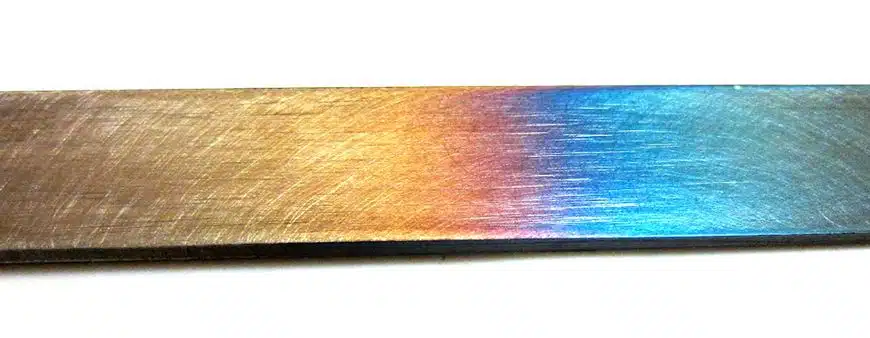
- Check steel color changes as a heat guide
- Keep the heat steady to avoid uneven tempering
Using A Heat Source At Home
You can use common heat sources like a propane torch or a small forge. Choose a tool that heats steel evenly.
Work in a well-ventilated area and keep flammable items away. Make sure your heat source is stable and easy to control.
- Propane torch for small steel pieces
- Electric or gas forge for larger work
- Oven for controlled and even heating
Safety Precautions
Safety is very important when heating steel at home. Always wear protective gear to avoid burns and injuries.
Keep a fire extinguisher nearby and work on a fireproof surface. Never leave the heat source unattended while it is on.
- Wear heat-resistant gloves and eye protection
- Use long tools to handle hot steel
- Keep children and pets away from the work area
- Have a fire extinguisher ready at all times

Achieving Desired Hardness
Tempering steel at home helps you control its hardness and strength. This process makes steel less brittle and more durable.
By heating and cooling steel properly, you can reach the hardness you want for your tools or projects.
Cooling Methods Explained
Cooling steel too fast or too slow changes its hardness. Different cooling methods create different results.
Air cooling cools steel slowly and reduces brittleness. Water cooling cools steel quickly and makes it harder but more brittle.
- Air cooling: slow, less hard, less brittle
- Oil cooling: medium speed, good balance
- Water cooling: fast, very hard, more brittle
Quenching Options
Quenching stops the steel from cooling slowly. It traps the hardness gained from heating.
Choose the right quenching liquid for your steel type. Each liquid cools at a different speed.
- Water: cools fastest, best for hard steel
- Oil: cools slower, reduces cracking risk
- Air: slowest, used for soft tempering
- Saltwater: cools quickly but can be corrosive
Avoiding Common Mistakes
Do not overheat steel beyond its critical temperature. This can damage the metal's structure.
Do not cool steel unevenly. This can cause warping or cracks.
- Use a thermometer to check temperature accurately
- Heat steel evenly for consistent hardness
- Cool steel in a steady, controlled way
- Wear safety gear to protect from burns and sparks
Finishing Touches
Tempering steel is not complete without proper finishing steps. These steps improve the steel’s look and strength. They also prepare the tool for use and care.
Focus on polishing, cleaning, testing, and maintaining your tempered steel. These tasks help keep tools sharp and durable.
Polishing And Cleaning
After tempering, clean the steel to remove any dirt or scale. Use a soft cloth and mild cleaner to avoid damage.
Polishing brings out the shine and smooths the surface. Use fine sandpaper or polishing compounds for best results.
- Start with a clean, dry cloth
- Use fine grit sandpaper to smooth rough spots
- Apply metal polish with a soft cloth
- Buff until the steel shines
- Wipe off excess polish to avoid buildup
Testing Tempered Steel
Test tempered steel to ensure it is strong and flexible. Simple tests check if the steel holds its temper well.
Try bending the steel slightly. It should bend without cracking or breaking. A file can also test hardness by scratching the surface.
- Bend the steel gently to check flexibility
- Scratch the surface with a file to test hardness
- Look for cracks or chips as signs of poor tempering
- Repeat tests after use to monitor wear
Maintaining Tempered Tools
Keep tempered tools in good shape with regular care. Clean tools after each use and store them in a dry place.
Sharpen tools as needed to keep edges strong. Avoid leaving tools wet to stop rust and damage.
- Clean tools after every use
- Dry tools completely before storage
- Sharpen edges regularly with a whetstone
- Oil metal parts to prevent rust
- Store tools in a dry, safe place
Troubleshooting Tips
Tempering steel at home can be tricky. Sometimes, things don't go as planned. Knowing how to troubleshoot helps you fix common issues.
This guide will help you identify and correct problems. Learn how to get better results with simple adjustments.
Identifying Tempering Issues
Noticing issues early can save your project. Look for changes in color and texture.
- Uneven color might mean temperature issues.
- Check for soft spots on the steel surface.
- Listen for cracking sounds as the steel cools.
Correcting Warping And Cracks
Warping and cracks can ruin your steel. Fixing them requires careful handling.
If cracks appear, try reheating slowly. This may help close small cracks.
Adjusting Tempering For Better Results
Adjustments can improve your steel's performance. Experimenting with different methods is key.
| Temperature | Effect on Steel |
| Low | Softer, more flexible |
| Medium | Balanced strength and flexibility |
| High | Harder, less flexible |
Try varying the temperature and time to see what works best. Keep notes on your settings for future reference.
Frequently Asked Questions
What Is The Purpose Of Tempering Steel At Home?
Tempering steel at home improves its toughness and reduces brittleness. It balances hardness and flexibility for better durability. This process helps avoid cracking and makes steel suitable for tools or blades.
How Do I Temper Steel Without A Forge?
You can temper steel using a household oven or a simple torch. Heat the steel evenly to the desired temperature, then allow it to cool slowly. This method is safe and effective for small steel items.
What Temperature Is Ideal For Tempering Steel?
Tempering temperature depends on steel type but generally ranges from 350°F to 1200°F. Lower temperatures increase hardness; higher temperatures improve flexibility. Always refer to the steel’s specifications for precise tempering temperature.
How Long Should Steel Be Tempered At Home?
Tempering time usually lasts between 1 to 2 hours at a consistent temperature. Longer tempering ensures even heat treatment and better results. Timing depends on the steel’s thickness and the desired properties.
Conclusion
Tempering steel at home takes patience and care. Follow the steps slowly and carefully. Use the right tools and safety gear. Watch the colors change on the steel closely. This shows the metal is heating properly. Cooling the steel correctly makes it strong and flexible.
Practice helps improve your tempering skills over time. Always work in a safe, clean space. Tempering steel gives you better control over your metalwork. Try this process and enjoy crafting your own steel tools.