Your stainless steel knife is one of the most important tools in your kitchen. But when it gets dull, cutting becomes frustrating and even dangerous.
You might think sharpening it means expensive trips to a professional or buying complicated tools. What if you could restore that sharp edge right at home, quickly and easily? You’ll discover simple steps to sharpen your stainless steel knife so it feels like new again.
Ready to make your cutting smooth and safe? Let’s get started.
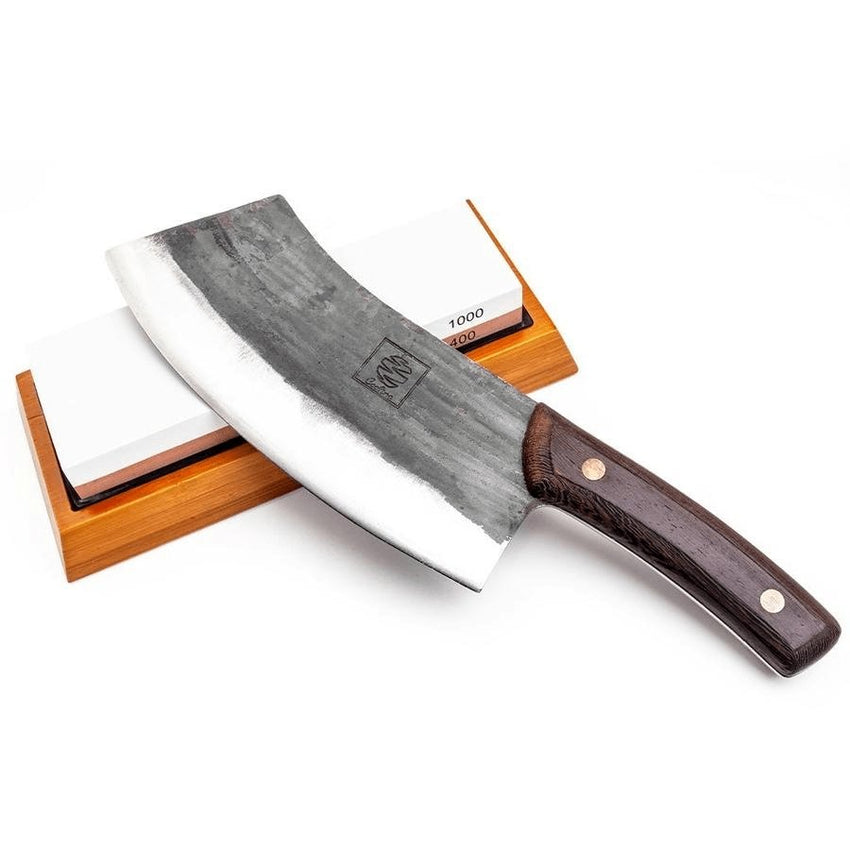
Choosing The Right Tools
Sharpening a stainless steel knife at home needs the right tools. Using the correct sharpener protects your knife and improves cutting.
Different sharpeners work best for different needs. Learn about each type to pick the best one for your kitchen.
Types Of Sharpeners
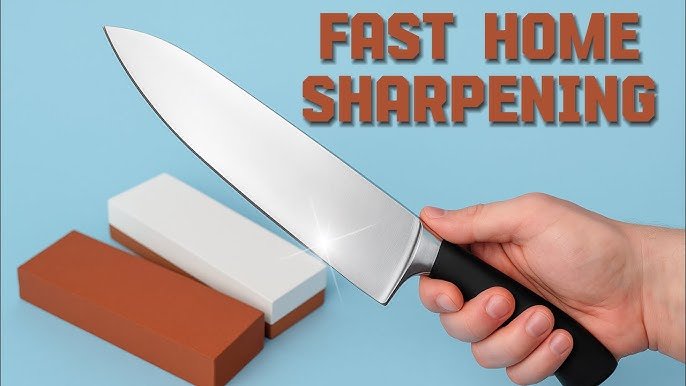
Sharpeners come in many forms. The main types are whetstones, electric sharpeners, and honing rods. Each tool has a specific way to sharpen blades.
- Whetstones:Flat stones that require water or oil to sharpen.
- Electric sharpeners:Machines that quickly sharpen blades using rotating wheels.
- Honing rods:Steel rods used to realign blade edges.
Whetstones Vs. Electric Sharpeners
| Sharpening Tool | Pros | Cons |
| Whetstones | Precision sharpening, long-lasting edge | Needs practice, time-consuming |
| Electric Sharpeners | Fast and easy to use | Can remove too much metal, less control |
Choose whetstones for careful sharpening. Pick electric sharpeners for quick fixes.
Using Honing Rods
Honing rods do not sharpen but keep the blade straight. Use them often to maintain your knife’s edge.
- Hold the rod vertically on a stable surface.
- Swipe the knife blade along the rod at a 20-degree angle.
- Repeat on both sides of the blade several times.

Preparing Your Knife
Before sharpening your stainless steel knife, prepare it properly. This helps you sharpen safely and get better results.
Two important steps are cleaning the blade and inspecting it for damage. These steps protect your knife and guide your sharpening process.
Cleaning The Blade
Remove dirt and food residues from the blade. A clean blade sharpens evenly and prevents slips.
- Use warm water and mild soap.
- Gently scrub the blade with a soft cloth or sponge.
- Rinse thoroughly to remove soap.
- Dry the blade completely with a clean towel.
Inspecting For Damage
Check the blade carefully for any chips, cracks, or bends. These issues affect sharpening and knife safety.
| Type of Damage | What to Look For | Why It Matters |
| Chips | Small missing pieces on the edge | Can cause uneven sharpening |
| Cracks | Visible lines on the blade surface | May lead to blade breaking |
| Bends | Blade not straight | Can affect cutting and sharpening angle |
Sharpening Techniques
Keeping your stainless steel knife sharp improves cutting and safety. Several techniques help you sharpen your knife at home. Each method fits different skill levels and tools.
This guide covers angle and pressure tips, using a whetstone, manual sharpener, and electric sharpener.
Angle And Pressure Tips
Sharpening works best when you keep the correct angle and pressure. Most knives sharpen well at 15 to 20 degrees. Too steep or too flat angles can damage the edge.
- Hold the knife at a steady 15 to 20 degrees angle
- Use light to medium pressure on the blade
- Keep the angle consistent during the entire stroke
- Apply more pressure when starting, less as the edge forms
- Sharpen both sides evenly to keep the blade balanced
Step-by-step Whetstone Method
A whetstone is a traditional tool for sharp edges. Soak the stone in water for 10 minutes before use. Start with coarse grit, then fine grit.
- Place the whetstone on a flat surface.
- Hold the knife at 15 to 20 degrees against the stone.
- Move the blade in a sweeping motion from heel to tip.
- Repeat 10 times on one side.
- Flip the knife and sharpen the other side.
- Switch to fine grit stone and repeat the process.
- Rinse and dry the knife and stone.
Using A Manual Sharpener
Manual sharpeners are easy and quick. They have preset slots to hold the correct angle. Use gentle pulling motions to avoid damage.
- Place the sharpener on a stable surface.
- Insert the knife blade into the coarse slot.
- Pull the blade through with light pressure 3 to 5 times.
- Use the fine slot for finishing, repeating 3 times.
- Wipe the blade clean with a cloth.
Electric Sharpener Guide
Electric sharpeners speed up the process. They have motorized slots for different grit levels. Follow these safety steps.
| Step | Action |
| 1 | Place sharpener on a flat surface and plug it in. |
| 2 | Turn it on and select the coarse grit slot. |
| 3 | Slowly pull the knife through the slot, maintaining steady speed. |
| 4 | Repeat 3 to 6 times depending on dullness. |
| 5 | Switch to fine grit slot to polish the edge. |
| 6 | Pull the blade through 3 to 5 times. |
| 7 | Turn off and unplug the sharpener. |
Testing Sharpness
After sharpening your stainless steel knife, you need to check how sharp it is. Testing sharpness helps you know if the blade is ready for use.
There are simple tests you can do at home to see if the knife cuts well. These tests are safe and easy.
Paper Test
Hold a piece of paper by one edge. Try to slice through the paper with your knife.
A sharp knife will cut cleanly without tearing. If the knife drags or tears, it needs more sharpening.
- Use regular printer paper or newspaper
- Hold the paper steady but not too tight
- Cut with a smooth, slicing motion
- Check if the paper slices easily
Tomato Slice Test
Pick a ripe tomato to test your knife. Tomatoes are soft, so a sharp knife will slice thin and smooth.
Try cutting the tomato without pressing hard. If the knife cuts cleanly, it is sharp. If it squashes the tomato, sharpen more.
- Use a fresh, ripe tomato
- Hold the tomato steady on a cutting board
- Slice gently with the knife
- Look for smooth, even slices
Maintaining Sharpness
Keeping your stainless steel knife sharp makes cutting easier and safer. Sharp knives work better and last longer.
Regular care helps maintain the blade’s edge and avoids dullness over time.
Regular Honing
Honing straightens the blade’s edge without removing metal. It keeps the knife sharp between sharpenings.
Use a honing rod before or after each use to maintain the blade angle and smoothness.
- Hold the honing rod vertically on a stable surface.
- Place the knife edge against the rod at a 20-degree angle.
- Slide the blade down and across the rod from base to tip.
- Repeat on the other side, about 5-10 times each.
Proper Storage
Store knives properly to protect the blade edge from damage. Avoid loose drawers where blades can bump.
Use knife blocks, magnetic strips, or blade guards to keep knives safe and sharp.
- Knife blocks keep blades separated and protected.
- Magnetic strips hold knives securely and save space.
- Blade guards cover the edge during storage or transport.
Avoiding Damage
Prevent damage by using knives only for cutting food. Avoid cutting on hard surfaces like glass or stone.
Do not use knives to open cans or pry objects. Clean knives by hand and dry them immediately to stop rust.
- Use wood or plastic cutting boards to protect blades.
- Wash knives gently with warm water and mild soap.
- Dry knives right after washing to prevent corrosion.
- Keep knives away from dishwasher damage and harsh detergents.
Safety Tips
Sharpening a stainless steel knife at home requires attention to safety. Proper handling and preparation are key.
Here are some important safety tips to follow to ensure you stay safe while sharpening your knife.
Handling Blades Carefully
Blades are sharp and can cause injury if not handled correctly. Always focus while working with knives.
- Hold the knife by the handle firmly.
- Keep fingers away from the blade's edge.
- Use a stable surface for sharpening.
Protective Gear Recommendations
Wearing the right protective gear can prevent accidents. It is important to protect your hands and eyes.
- Wear cut-resistant gloves.
- Consider using safety goggles.
- Secure the knife with a non-slip mat.

Frequently Asked Questions
How Often Should I Sharpen A Stainless Steel Knife?
Sharpen your stainless steel knife every 1-2 months for regular use. Frequent sharpening ensures a sharp edge and safe cutting. Avoid over-sharpening to preserve the blade’s lifespan and performance.
What Tools Are Best For Sharpening Stainless Steel Knives?
Use whetstones, sharpening rods, or electric sharpeners designed for stainless steel. Each tool offers different precision and ease, so choose based on skill level and knife type.
Can I Sharpen Stainless Steel Knives Without Professional Help?
Yes, you can sharpen stainless steel knives at home using simple tools. Follow step-by-step guides and practice proper techniques to achieve a sharp edge safely.
What Is The Proper Angle For Sharpening Stainless Steel Knives?
Maintain a sharpening angle between 15 to 20 degrees for stainless steel knives. This angle balances sharpness and durability, giving you an efficient cutting edge.
Conclusion
Sharpening a stainless steel knife at home saves time and money. Regular sharpening keeps your knife effective and safe. Use the right tools and follow simple steps carefully. Practice makes the process easier and faster. A sharp knife cuts cleanly and reduces accidents.
Keep your blade clean and dry after sharpening. Try these tips to enjoy better cooking every day. Easy to do, worth the effort. Give it a try and see the difference yourself.