Rust on your stainless steel can be frustrating. It spoils the shine and makes your favorite items look old and worn out.
But what if you could remove that rust easily at home? You don’t need expensive tools or harsh chemicals. You’ll discover simple, effective methods to get your stainless steel looking new again. Keep reading, and you’ll learn how to bring back that clean, polished finish quickly and safely.
Your stainless steel deserves to shine—let’s make it happen!
Causes Of Rust On Stainless Steel
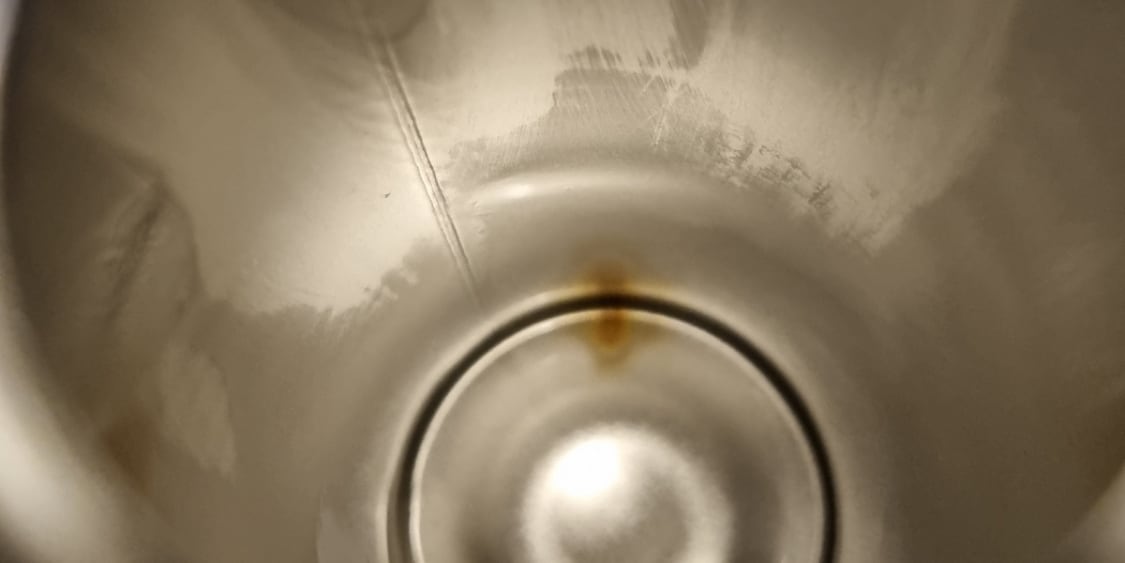
Stainless steel usually resists rust and stains. It has a protective layer that stops rust from forming. But sometimes, rust can still appear on stainless steel surfaces.
Rust happens when the steel's protective layer is damaged or weak. This lets oxygen and moisture reach the metal, causing rust to form over time.
Common Rust Triggers
Some everyday actions can cause rust on stainless steel. These triggers break the protective layer and start rusting.
- Scratches or dents from sharp objects
- Using harsh cleaning chemicals
- Leaving steel wet for long times
- Contact with iron or steel particles
- Improper cleaning with abrasive pads
These triggers make the steel vulnerable. Once the layer breaks, rust spots begin to form and spread.
Environmental Factors
Where you use or store stainless steel affects rust risk. Some environments cause rust more than others.
- High humidity or damp places
- Exposure to salty air near oceans
- Contact with acidic or alkaline substances
- Polluted or industrial areas with chemicals
- Temperature changes causing condensation
These factors speed up rust formation. Protecting steel from these conditions helps keep it rust-free longer.
Tools And Materials Needed
Rust can appear on stainless steel over time, but you can remove it at home. Using the right tools and materials makes the job easier and safer.
This guide covers common household items and specialized products to clean rust effectively.
Household Items
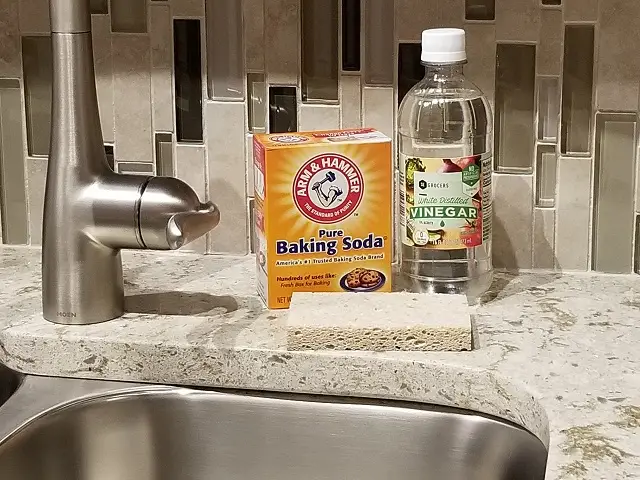
You can use many items found around your house to remove rust from stainless steel. These items are safe and easy to use.
- Baking soda: A gentle abrasive that helps scrub rust.
- White vinegar: Acidic liquid that dissolves rust spots.
- Lemon juice: Natural acid that works like vinegar.
- Aluminum foil: Can be crumpled to scrub rust without scratching.
- Soft cloths or sponges: For applying and wiping materials.
- Old toothbrush: For scrubbing small or hard-to-reach areas.
- Water: To rinse off materials and rust residue.
Specialized Products
Specialized rust removers offer stronger cleaning power. They are designed to work well on stainless steel without damage.
- Commercial rust remover gels: Easy to apply and effective on tough rust.
- Stainless steel cleaner: Cleans and protects the surface after rust removal.
- Oxalic acid-based products: Remove rust quickly but must be used carefully.
- Protective gloves: Keep your hands safe from chemicals.
- Scrubbing pads: Non-scratch pads made for stainless steel surfaces.
Simple Home Remedies
Rust on stainless steel can spoil its look and reduce its life. You can clean rust using items found at home. These simple remedies are safe and easy to use.
Try these natural methods to remove rust without harsh chemicals. They help restore shine and protect your stainless steel.
Using Baking Soda Paste
Make a thick paste using baking soda and water. Apply the paste on the rust spots. Let it sit for 15 minutes to loosen the rust.
Use a soft brush or cloth to scrub the area gently. Rinse with clean water and dry with a soft cloth. Repeat if rust remains.
Applying White Vinegar
Soak a cloth in white vinegar and place it on the rusted area. Let the vinegar work for 10 to 20 minutes. The acid helps break down rust.
- Remove the cloth and scrub gently with a sponge or brush.
- Rinse the stainless steel with warm water.
- Dry the surface completely to stop new rust from forming.
Lemon And Salt Method
Cut a lemon in half and sprinkle salt on the rust spots. Rub the lemon on the rust to mix the juice with salt. This mix helps dissolve rust naturally.
| Ingredient | Purpose |
|---|---|
| Lemon Juice | Acid breaks rust down |
| Salt | Acts as a gentle scrubbing agent |
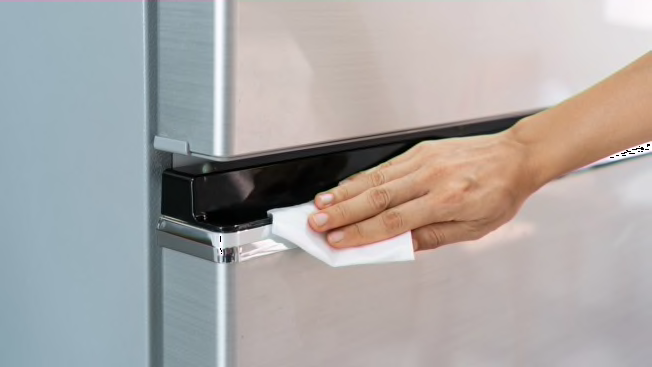
Let the lemon and salt sit on the rust for 30 minutes. Scrub the area with a cloth. Rinse with water and dry well to finish the cleaning.
Commercial Rust Removers
Rust can be stubborn on stainless steel. Commercial rust removers offer an effective solution. These products dissolve rust quickly, saving time and effort.
Different brands offer various formulas. Some are gels, while others come in liquid form. Choosing the right product is essential for safe and effective rust removal.
Choosing The Right Product
Not all rust removers suit every surface. It's crucial to select a product designed for stainless steel. Read labels carefully to avoid damage.
Look for non-abrasive formulas. These protect the steel's finish. Test a small area first to ensure compatibility.
- Check for stainless steel compatibility
- Opt for non-abrasive options
- Test on a small area
Safe Application Tips
Safety is important when using chemical removers. Wear gloves to protect your skin. Ensure proper ventilation in the area.
Apply the remover evenly. Follow the instructions on the label. Allow the product to sit for the recommended time.
- Wear protective gloves
- Ensure good ventilation
- Follow label instructions
Step-by-step Rust Removal Process
Rust can damage stainless steel and make it look old. Removing rust at home is easy with the right steps.
This guide shows how to clean rust safely and restore the steel's shine.
Preparing The Surface
Start by cleaning the stainless steel surface. Remove dirt and grease to help the treatment work better.
Use warm water and mild soap. Dry the surface completely before moving on.
- Wear gloves to protect your hands
- Use a soft cloth or sponge
- Avoid abrasive materials to prevent scratches
Applying The Treatment
Choose a rust remover suitable for stainless steel. You can use vinegar, baking soda, or a commercial product.
Apply the treatment gently on the rust spots. Let it sit for a few minutes to break down the rust.
- For vinegar: soak a cloth and place it on rust
- For baking soda: make a paste with water and rub it on rust
- Follow product instructions carefully if using commercial remover
Cleaning And Polishing
After treatment, scrub the rust area with a soft brush or cloth. Rinse with water to remove residue.
Dry the surface well. Use a stainless steel polish or olive oil to shine and protect the steel.
- Use circular motions when polishing
- Buff with a clean, dry cloth
- Repeat if rust remains
Preventing Future Rust
Stainless steel is durable, but it can rust without care. Simple steps help prevent rust at home.
Regular maintenance and protection are key. Follow these tips to keep your stainless steel rust-free.
Regular Maintenance Tips
Regular care ensures your stainless steel stays shiny and rust-free.
- Clean your stainless steel weekly.
- Use a soft cloth and mild detergent.
- Dry surfaces completely after washing.
Protective Coatings
Applying protective coatings can shield stainless steel from moisture and rust.
Consider these options for protective coatings:
- Use a commercial stainless steel protector spray.
- Apply car wax to create a moisture barrier.
- Try a thin layer of mineral oil for added shine.
| Coating Type | Benefits |
| Spray Protector | Easy application, effective shield |
| Car Wax | Long-lasting, adds shine |
| Mineral Oil | Natural, enhances appearance |
Handling Stubborn Rust Spots
Rust on stainless steel can be hard to remove, especially if it has set in. Using the right tools and methods helps restore the shine. Some rust spots need extra care and patience.
Below are ways to tackle tough rust marks safely at home and when to ask for expert help.
Using Steel Wool Or Brushes
Steel wool and brushes can scrub off rust but can also scratch the surface. Use gentle pressure and fine-grade steel wool or soft-bristle brushes. Avoid coarse materials that may damage the steel.
- Wear gloves to protect your hands from sharp edges.
- Dip the steel wool or brush in a mild cleaning solution.
- Rub the rust spots gently in a circular motion.
- Rinse the area with clean water often to check progress.
- Dry the surface thoroughly to stop new rust from forming.
When To Seek Professional Help
Some rust spots are too deep or widespread for home treatment. Professionals have special tools and chemicals to fix these safely. Contact an expert if rust:
| Rust Condition | Reason to Seek Help |
|---|---|
| Large rust patches | May weaken the steel structure |
| Deep pitting | Needs special repair techniques |
| Rust inside machinery | Requires disassembly and cleaning |
| Surface damage after cleaning | Needs professional refinishing |
Frequently Asked Questions
How Do I Remove Rust From Stainless Steel At Home?
Use a paste of baking soda and water. Apply it to rust spots, scrub gently with a soft brush, then rinse with water and dry thoroughly.
What Household Items Remove Stainless Steel Rust Effectively?
Baking soda, white vinegar, lemon juice, and cream of tartar work well. These natural items help break down rust without damaging the steel.
Can Rust Damage Stainless Steel Cookware Permanently?
If left untreated, rust can cause pitting and permanent damage. Early removal and proper care preserve the cookware’s durability and appearance.
Is Vinegar Safe For Cleaning Stainless Steel Rust?
Yes, vinegar is safe. It dissolves rust gently and disinfects the surface. Avoid prolonged exposure to prevent metal corrosion.
Conclusion
Removing rust from stainless steel at home is simple and effective. Use common household items like vinegar, baking soda, or lemon juice. Gently scrub the rust spots with a soft cloth or brush. Rinse well and dry the surface completely to avoid new rust.
Regular cleaning helps keep stainless steel shiny and rust-free. Small efforts prevent bigger problems later. Now, you can keep your stainless steel items looking good without costly products or services. Try these easy steps today and see the difference yourself.