If you’ve ever had a wound covered with cotton, you know how tricky it can be to remove it without causing pain or reopening the injury. You might worry about making things worse or getting an infection.
But don’t worry—removing cotton from a wound at home can be done safely if you know the right steps. You’ll discover simple, effective methods to gently remove cotton without hurting yourself. Keep reading, and you’ll gain the confidence to handle this common problem with ease and care.
Preparing For Cotton Removal
Removing cotton from a wound at home needs care and safety. Preparing well helps avoid infection and pain.
Follow simple steps before you start to keep the wound clean and safe.
Gathering Necessary Supplies
Collect all items before you begin. This keeps the process smooth and quick.
- Clean scissors or tweezers
- Saline solution or clean water
- New sterile cotton or gauze
- Antiseptic or wound cleaner
- Disposable gloves
- Waste bag for used cotton
Washing Your Hands Thoroughly
Clean hands prevent germs from entering the wound. Wash your hands well before touching the injury.
Use soap and warm water. Rub all parts of your hands for at least 20 seconds.
- Wet hands with clean water
- Apply soap and lather well
- Scrub between fingers and under nails
- Rinse completely
- Dry with a clean towel or air dry
Creating A Clean Environment
Work in a tidy place to stop dirt and dust from reaching the wound. A clean space lowers infection risk.
Clear the surface and use a clean cloth or paper towel to place your supplies.
- Choose a well-lit area
- Disinfect the surface with alcohol or cleaner
- Keep pets and children away
- Use fresh, clean materials only

Assessing The Wound
Before you remove cotton from a wound, check the wound carefully. This helps avoid hurting the skin or causing infection.
Look closely at the wound and the cotton. Knowing the wound type and condition makes removal safer.
Checking For Signs Of Infection
Look for redness, swelling, or warmth around the wound. These signs may show infection.
Pus or bad smell also means infection. If you see these, do not remove the cotton yourself.
- Redness spreading beyond the wound
- Swelling or increased pain
- Warm skin near the wound
- Yellow or green pus
- Foul odor
Determining The Type Of Wound
Check if the wound is a cut, scrape, or burn. Each needs different care.
Deep or large wounds need medical help. Small wounds may be treated at home.
- Cut: a clean break in the skin
- Scrape: skin rubbed off
- Burn: skin damaged by heat or chemicals
Evaluating Cotton Adhesion
Check if the cotton sticks to the wound. Cotton stuck tightly can cause pain when removed.
Wet the cotton with clean water to loosen it. Pull gently to avoid reopening the wound.
- Look for cotton stuck in blood or scabs
- Moisten cotton before pulling
- Remove slowly and carefully
- Stop if pain or bleeding increases
Safe Cotton Removal Techniques
Removing cotton stuck in a wound needs care and patience. Doing it safely helps prevent more pain or injury.
Learn simple steps to take cotton out without harming the wound or causing infection.
Soaking The Cotton With Sterile Water
Soaking the cotton softens it and loosens its grip on the wound. Use sterile water to avoid germs.
Apply the water gently with a clean cloth or dropper. Let it soak for several minutes before trying to remove the cotton.
- Use only sterile water or saline solution
- Do not use tap water to reduce infection risk
- Soak for 5 to 10 minutes to soften the cotton
Using Tweezers For Gentle Removal
Use clean tweezers to carefully pull out the cotton. Avoid pulling hard to prevent reopening the wound.
Hold the cotton close to the skin and pull slowly in the direction it entered to reduce pain and damage.
- Sterilize tweezers with alcohol before use
- Grip the cotton firmly but gently
- Pull slowly and steadily, not quickly
Avoiding Pain And Further Damage
Stop removing cotton if the pain is too much. For deep or large wounds, seek medical help immediately.
Keep the wound clean after removal. Apply an antiseptic and cover it with a fresh bandage to help healing.
- Do not force cotton out if stuck tightly
- Watch for signs of infection like redness or swelling
- Keep the wound covered and clean after removal

Cleaning And Caring For The Wound
Removing cotton from a wound at home needs care and attention. Keeping the wound clean helps prevent infection.
Follow simple steps to disinfect, dress, and check the wound for good healing.
Disinfecting The Area
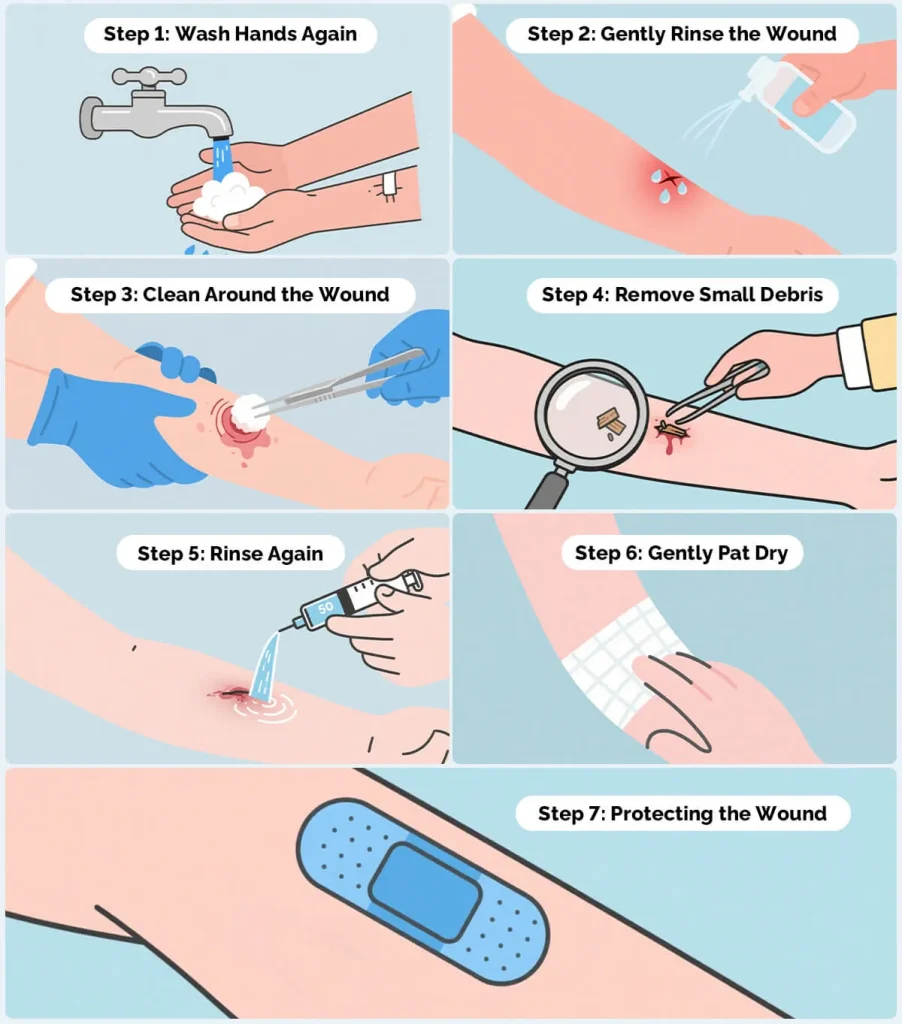
Wash your hands well before touching the wound. Use clean water or a mild antiseptic to gently clean around the wound. Avoid rubbing the wound directly to prevent pain and damage.
- Use sterile saline solution or clean water
- Apply antiseptic wipes or drops carefully
- Pat dry with a clean cloth or gauze
- Do not use harsh chemicals on the wound
Applying Appropriate Dressings
Choose dressings that protect the wound and keep it moist. Avoid using cotton directly on the wound to stop fibers from sticking inside.
| Type of Dressing | Use |
| Non-stick pads | Prevent cotton fibers from sticking |
| Gauze wraps | Secure the pad in place |
| Adhesive bandages | Cover small wounds easily |
| Antibacterial dressings | Help reduce infection risk |
Monitoring Healing Progress
Check the wound daily for signs of healing or problems. Watch for redness, swelling, or unusual discharge.
- Look for less pain and swelling each day
- Notice if the wound edges start to close
- Change dressings if they get wet or dirty
- Seek medical help if the wound worsens or shows infection
When To Seek Medical Help
Removing cotton from a wound at home can be safe if done gently. Sometimes, the cotton sticks or causes pain. It is important to know when you should ask a doctor for help.
Ignoring problems can make your wound worse. Watch for signs that need medical attention to avoid infection or damage.
Persistent Pain Or Bleeding
If you feel strong pain while removing the cotton, stop immediately. Pain that lasts after removal is also a warning sign.
Bleeding that does not stop or gets worse needs medical care. Do not try to pull the cotton harder to stop bleeding.
- Severe pain during or after cotton removal
- Bleeding that continues for more than 10 minutes
- Bright red or heavy bleeding
Signs Of Infection
Infection can happen if bacteria get inside the wound. Look for redness, swelling, or warmth around the area.
If the wound has pus or a bad smell, see a doctor soon. Fever or feeling sick can also mean the infection is spreading.
- Redness spreading from the wound
- Swelling or warmth around the wound
- Pus or foul odor
- Fever or chills
Difficulty Removing Cotton
If the cotton sticks to the wound and does not come off easily, do not force it. Pulling hard can damage new tissue and slow healing.
Seek medical help if you cannot remove the cotton without pain or if pieces break off inside the wound.
- Cotton stuck firmly to the wound
- Pain when trying to remove cotton
- Small cotton pieces left in the wound
Preventing Future Issues
Proper wound care is important to prevent cotton from sticking. Choosing the right materials and practices helps healing.
Follow these tips to ensure wounds heal smoothly. This can prevent complications and promote better recovery.
Choosing The Right Dressing Materials
Use non-stick dressings to avoid cotton sticking to wounds. These materials help in easy removal without pain.
Avoid using cotton balls directly on open wounds. They can leave fibers that stick and cause infections.
- Opt for sterile gauze pads
- Consider hydrocolloid dressings
- Use silicone-based dressings
Proper Wound Care Practices
Clean the wound gently with water or saline solution. Do not scrub, as it can cause irritation.
Pat the area dry with a clean towel. Keep it dry to avoid bacterial growth.
- Wash hands before and after wound care
- Use gloves when handling wounds
- Apply antibacterial ointment if needed
Regular Dressing Changes
Change dressings regularly to keep the wound clean. This helps in faster healing and reduces infection risk.
Check the dressing daily for signs of dirt or moisture. Replace immediately if it becomes wet or dirty.
- Change dressings every 24 to 48 hours
- Observe for redness or swelling
- Consult a doctor if the wound worsens
Frequently Asked Questions
How Do I Safely Remove Cotton From A Wound At Home?
Gently soak the wound with sterile saline to loosen the cotton. Use clean tweezers to slowly pull out the cotton. Avoid forceful pulling to prevent tissue damage or bleeding.
When Should I Remove Cotton From A Wound?
Remove cotton when the wound has stopped bleeding and is drying. Usually, this is after 24-48 hours. If cotton sticks, wait longer and moisten the area again.
What If Cotton Sticks Inside The Wound?
Do not yank the cotton out. Soak the area with saline or clean water to soften the cotton. Gently remove it with sterilized tweezers or seek medical help if needed.
Can Removing Cotton From A Wound Cause Infection?
If done improperly, yes. Always use clean hands and tools. Keep the wound clean and dry after removal to prevent infection.
Conclusion
Removing cotton from a wound at home requires care and patience. Gently pull the cotton without hurting the skin. Clean the wound with warm water and mild soap. Avoid rushing to prevent reopening the injury. Keep the area dry and covered after removal.
Watch for signs of infection like redness or swelling. Seek medical help if pain or bleeding lasts. Taking these simple steps helps wounds heal safely and faster. Stay calm and handle the wound carefully every time.