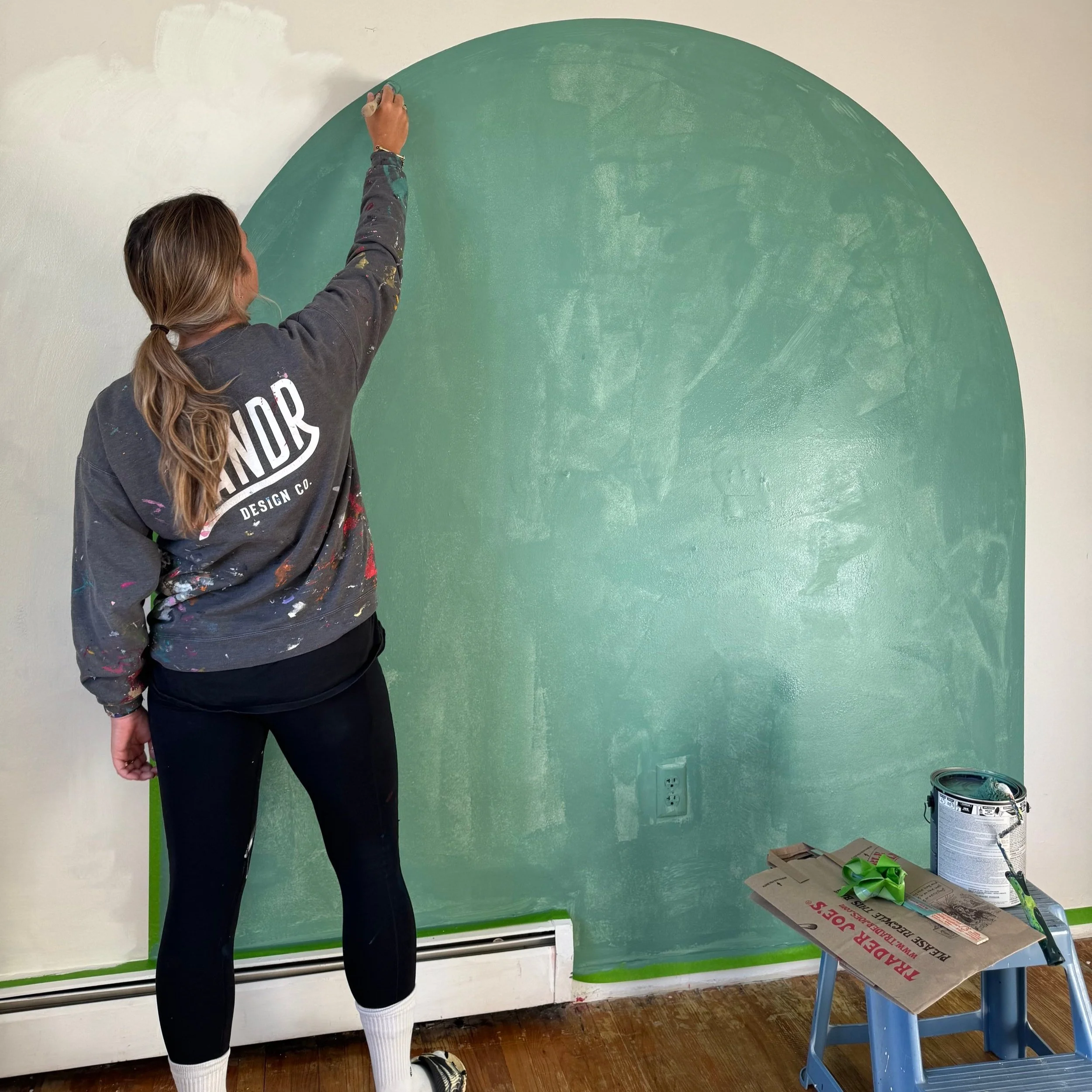
Are you ready to transform your room without a complete makeover? Painting an accent wall is one of the easiest and most effective ways to add personality and style to your space.
Imagine how a single splash of color can change the entire mood and make your room feel fresh and inviting. In this guide, you’ll discover simple steps to choose the perfect wall, pick the right color, and paint like a pro—even if you’ve never held a brush before.
By the end, you’ll have the confidence to create a stunning focal point that reflects your taste and brightens your home. Let’s get started!

Credit: kaylasimonehome.com
Choosing The Right Wall
Picking the right wall is key to making your accent wall stand out. The wall you choose will set the room's mood and focus.
Think about the walls in your room carefully before painting. Some walls work better as accent walls than others.
Spotlighting Key Areas
Choose a wall that naturally draws attention. Walls behind furniture or near entryways often work well. Bright colors highlight these areas best.
- Look for walls with few or no doors and windows
- Consider walls that face the main seating area
- Pick walls that catch natural light
- Avoid walls crowded with decor or shelves
Considering Room Size And Layout
Room size and layout affect which wall fits as an accent. A smaller room needs a different choice than a large one.
| Room Size | Best Wall Choice | Reason |
| Small | Short wall | Prevents space from feeling cramped |
| Medium | Longest wall | Creates a strong focal point |
| Large | Wall with architectural features | Adds interest and balance |

Credit: www.bergerpaints.com
Selecting The Perfect Color
Choosing the right color for your accent wall can change the whole room's look. The color should fit your style and make the space feel nice.
Think about the mood you want and how the color works with your room. This helps pick a color that feels just right.
Complementing Existing Decor
Match the accent wall color with your furniture and decorations. This keeps the room balanced and pleasing to the eye.
Look at the main colors in your room. Choose a shade that blends well but also stands out a little.
- Pick a color from patterns in pillows or rugs
- Use lighter or darker tones of your main colors
- Avoid colors that clash with wood or metal finishes
- Test paint samples on the wall before buying
Using Color Psychology
Colors can change how you feel in a room. Think about what mood you want the wall to create.
Warm colors can make a space feel cozy, while cool colors calm the mind. Use this to pick your accent color.
- Red and orange bring energy and warmth
- Blue and green create calm and relaxation
- Yellow adds happiness and brightness
- Neutral tones offer a peaceful, balanced feel
Gathering Essential Supplies
Painting an accent wall is a fun way to add color to a room. Before you start, gather all the supplies you need. This helps make the project smooth and easy.
Choosing the right paint and having the right tools will help you get the best results. Here is a guide to the types of paint and finishes you can use, plus the tools you will need.
Types Of Paint And Finishes
Different paints and finishes create different looks and effects. Pick the one that fits your style and room use.
| Paint Type | Description |
| Latex | Water-based, easy to clean, dries fast |
| Oil-Based | Durable, smooth finish, longer drying time |
| Chalk Paint | Matte, vintage look, good for textured walls |
| Milk Paint | Natural, eco-friendly, rustic appearance |
Common finishes include matte, eggshell, satin, semi-gloss, and gloss. Matte hides wall flaws well. Glossy finishes reflect light and are easy to clean.
Tools You’ll Need
Having the right tools makes painting easier and neat. Here is a list of basic tools you need for your accent wall project.
- Paint rollers and roller covers
- Angled paintbrush for edges
- Painter’s tape to protect trim and ceilings
- Drop cloths or plastic sheets to cover floors
- Paint tray and liners
- Sandpaper or sanding block for smoothing walls
- Putty knife and spackle to fill holes
- Step ladder for high areas
- Rags or paper towels for cleaning spills
- Stir sticks to mix paint
Preparing The Wall
Preparing your wall well makes painting easier and results better. Clean and repair the surface before you start.
This guide covers cleaning, fixing, taping, and covering the area around the wall.
Cleaning And Repairing
Remove dirt, dust, and grease from the wall for good paint adhesion. Fix holes and cracks before painting.
- Wipe the wall with a damp cloth or sponge to remove dust.
- Use mild soap and water for greasy spots.
- Let the wall dry completely before repairing.
- Fill holes and cracks with spackle or filler.
- Sand the repaired areas smooth once dry.
- Clean off sanding dust with a dry cloth.
Taping And Covering Surroundings
Protect edges and furniture to keep paint off unwanted areas. Use painter’s tape and drop cloths.
| Item | Purpose |
| Painter’s tape | Protects trim, baseboards, and edges |
| Drop cloths | Covers floors and furniture |
| Plastic sheeting | Wraps large furniture or fixtures |
| Masking paper | Guards switch plates and outlets |
Painting Techniques
Painting an accent wall adds style and color to any room. Using the right techniques helps the paint look smooth and neat. Proper methods save time and avoid mess.
This guide covers key painting techniques. You will learn how to cut in edges, apply even coats, and use rollers and brushes correctly.
Cutting In Edges
Cutting in means painting the edges and corners with a brush. This step creates clean lines before using a roller. Use painter’s tape to protect areas you don’t want to paint.
- Load your angled brush with paint but don’t overload it.
- Start painting a small strip along the edge, about 2 to 3 inches wide.
- Use steady, smooth strokes to avoid drips and uneven lines.
- Work slowly to keep control around corners and trim.
- Let the cut-in edges dry before rolling the wall.
Applying Even Coats
Even coats make the paint look professional and last longer. Thin coats dry faster and reduce drips. Multiple coats give better coverage and color depth.
| Tip | Why It Helps |
| Use thin layers | Prevents runs and uneven texture |
| Wait between coats | Allows paint to dry and cure properly |
| Sand lightly between coats | Removes bumps and improves adhesion |
| Keep a wet edge | Blends paint smoothly without marks |
Using Rollers And Brushes
Rollers cover large areas fast, while brushes help with detail. Choose the right tool for each part of your wall. Use a roller with the right nap length for your wall texture.
Follow these tips for good results:
- Pour paint into a tray and load the roller evenly.
- Roll in a “W” or “M” pattern to spread paint.
- Fill in spaces with vertical strokes without lifting the roller.
- Use a brush to smooth edges and corners after rolling.
- Clean brushes and rollers after finishing to reuse them.
Finishing Touches
Completing your accent wall requires attention to detail. The final touches ensure a polished look.
These steps will help you achieve a clean and stylish finish for your painted wall.
Removing Tape Cleanly
Removing tape can make or break the final look. Follow these tips to avoid paint peeling.
- Wait for the paint to fully dry before removing tape.
- Gently pull the tape at a 45-degree angle.
- If paint begins to lift, use a utility knife to score along the tape edge.
Adding Decorative Elements
Decorative elements enhance the character of your accent wall. Consider these additions for a personalized touch.
Choose from a variety of decorations to match your style:
- Artwork and framed pictures
- Wall decals or stickers
- Shelves for small plants or books
Common Mistakes To Avoid
Painting an accent wall can change the feel of a room. But it's easy to make mistakes. Here are common pitfalls to watch out for.
By avoiding these errors, you ensure a professional and polished look. Let's dive into the details.
Skipping Preparation
Preparation is key to a smooth paint job. Skipping this step can lead to uneven surfaces and paint drips.
- Clean the wall to remove dust and dirt.
- Use painter's tape for clean edges.
- Prime the wall for a uniform base.
Choosing Overpowering Colors
Colors can affect the mood of a room. Overpowering colors can make a space feel smaller or overwhelming.
| Color | Effect |
| Dark Red | May feel intense |
| Bright Yellow | Can be too vibrant |
| Deep Purple | Might seem heavy |
Maintaining Your Accent Wall
Keeping your accent wall looking fresh is important. Regular care helps the paint last longer.
Simple maintenance can prevent damage and keep colors vibrant over time.
Cleaning Tips
Clean your accent wall gently to avoid damaging the paint. Dust it often to stop dirt buildup.
Use mild soap and water for stains. Avoid harsh chemicals that can fade the color.
- Dust the wall weekly with a soft cloth
- Use a sponge with mild soap to clean marks
- Test cleaning solutions on a small spot first
- Dry the wall with a clean towel after washing
Touch-up Advice
Fix chips and scratches quickly to keep your wall neat. Use leftover paint for touch-ups.
Apply paint in thin layers. Let each layer dry before adding more.
- Keep extra paint stored safely for future use
- Use a small brush for precise touch-ups
- Match the paint finish to the original wall
- Clean the area before touching up

Credit: www.pandrdesignco.com
Frequently Asked Questions
What Wall Should I Choose For An Accent Wall?
Choose a wall that naturally draws attention, like one facing the room entrance. Avoid walls with doors or windows. It should complement your room’s layout and furniture for maximum impact.
How Do I Prepare A Wall Before Painting?
Clean the wall thoroughly and repair any holes or cracks. Sand the surface to smooth it and apply painter’s tape to protect edges. Proper preparation ensures a smooth and long-lasting finish.
What Paint Finish Is Best For An Accent Wall?
Use satin or eggshell finishes for a subtle shine and durability. These finishes highlight the accent wall without overpowering the room. Avoid flat finishes as they may look dull and harder to clean.
How Many Coats Of Paint Are Needed For Accent Walls?
Typically, two coats of paint provide full coverage and vibrant color. Allow the first coat to dry completely before applying the second. This ensures an even, professional-looking finish.
Conclusion
Painting an accent wall can change your room’s feel quickly. Choose a color that fits your style and space. Prepare the wall well to get smooth results. Use the right tools to make painting easier. Take your time and enjoy the process.
Small efforts bring big changes to your home. Now, your room has a fresh and lively look. Try this simple project to brighten any space. You will like the new vibe it creates.