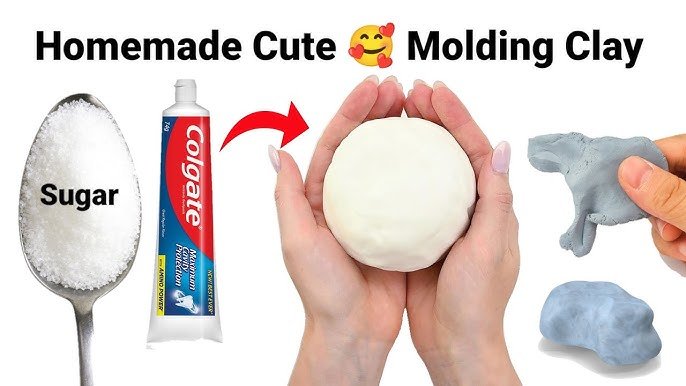
Have you ever wanted to create your own clay at home but didn’t know where to start? Making home clay is easier than you think, and it opens up endless possibilities for creativity.
Whether you’re looking to craft unique art pieces, keep kids entertained, or try a new hobby, this simple guide will show you how to make clay using everyday ingredients. By the end, you’ll have a soft, moldable clay ready to shape into anything you imagine.
Ready to get your hands messy and bring your ideas to life? Let’s dive in!

Materials Needed
Making clay at home is simple and fun. You only need a few basic materials. This guide lists the items you need to prepare your own clay.
Knowing the right materials helps you create soft, easy-to-use clay. You can also add extras for better texture or color.
Basic Ingredients
The main ingredients create the base of your clay. These are easy to find and safe to use.
- All-purpose flour
- Salt
- Water
- Vegetable oil
- Cream of tartar (optional but recommended)
Optional Additives
Additives improve the look and feel of the clay. Use them if you want colored or scented clay.
| Additive | Purpose |
| Food coloring | Adds color |
| Essential oils | Gives scent |
| Glitter | Adds sparkle |
| Lemon juice | Prevents mold |
Tools And Equipment
You need a few tools to mix and shape your clay easily. Clean tools help keep your clay fresh.
- Mixing bowl
- Spoon or spatula
- Measuring cups and spoons
- Plastic wrap or airtight container for storage
- Rolling pin (optional)

Preparing The Workspace
Creating your own clay at home needs a clean and organized workspace. This helps you work safely and keep your area tidy.
Proper preparation makes the clay-making process easier and more enjoyable for everyone.
Choosing A Suitable Area
Pick a space with good lighting and enough room to move around. A table or countertop at a comfortable height works well. Avoid places with carpet or fabric floors to keep clay dust from settling.
Protecting Surfaces
Cover your work surface to avoid damage and stains. Use materials that are easy to clean and can catch spills or crumbs.
- Lay down a plastic sheet or tablecloth
- Use newspapers or craft paper for extra protection
- Keep cleaning wipes or a damp cloth nearby
- Remove any fragile items from the area
Organizing Supplies
Arrange all your clay-making tools and ingredients in one place. This keeps everything within reach and saves time.
| Supply | Storage Suggestion |
| Flour | Sealable jar or container |
| Salt | Small bowl or container |
| Water | Measuring cup or jug |
| Mixing bowl | Clean and dry spot on the table |
| Spoons or spatulas | Holder or cup |
| Plastic wrap | Near the clay to cover it |
Mixing The Clay
Making clay at home is simple and fun. Mixing the right ingredients helps make soft clay.
Good mixing gives clay the best texture for shaping and crafting.
Combining Ingredients
Start by measuring your ingredients carefully. Use flour, salt, water, and a little oil.
Mix dry ingredients first to spread them evenly. Then add water slowly to avoid lumps.
- Mix flour and salt in a large bowl
- Add oil for smooth texture
- Pour water bit by bit while stirring
Adjusting Consistency
Clay should feel soft but not sticky. Add water if it is too dry.
If the clay is too wet, add more flour slowly. Keep adjusting until it feels right.
- Too dry: add small amounts of water
- Too wet: add flour little by little
- Test by squeezing a small ball of clay
Kneading Techniques
Knead the clay on a clean surface for a few minutes. This mixes ingredients well.
Use your palms to press and fold the clay. This makes it smooth and stretchy.
- Press down with palms
- Fold clay over itself
- Repeat until clay feels soft and even
Shaping And Crafting
Shaping and crafting home clay involves forming your clay into different shapes. This step lets you create items that look unique and personal.
In this guide, you will learn simple ways to shape clay, add details, and use tools or molds to improve your work.
Basic Shapes And Forms
Start by making simple shapes like balls, cylinders, and flat sheets. These forms are the base for many clay projects. Use your hands to roll, pinch, and flatten the clay gently.
- Roll clay into a smooth ball for round shapes.
- Pinch one end to make a cone or teardrop shape.
- Flatten clay with your palm or a rolling pin for sheets.
- Roll clay into cylinders for handles or tubes.
- Use your fingers to shape curves and edges.
Adding Details
Details bring your clay piece to life. Use tools or your fingers to add texture, lines, or small shapes. Press gently to avoid breaking the clay.
| Tool | Use | Effect |
| Needle tool | Scratch lines | Fine details and patterns |
| Toothpick | Make small holes | Texture and decoration |
| Clay knife | Cut shapes | Clean edges and designs |
| Fingers | Smooth surfaces | Soft and natural finish |
Using Molds And Tools
Molds help shape clay quickly and evenly. Tools make it easier to create patterns or repeat shapes. Use them to save time and add complexity.
Here are some common tools and how to use them:
- Molds:Press soft clay into silicone or plastic molds.
- Rolling pin:Flatten clay sheets evenly.
- Stamp tools:Press designs into clay surfaces.
- Wire cutter:Slice clay blocks cleanly.
Drying And Curing
Drying and curing are key steps to make home clay strong and usable. Proper drying prevents damage and keeps clay in good shape.
This guide covers air-drying tips, oven-baking methods, and ways to prevent cracks during drying.
Air-drying Tips
Air drying is simple and safe for homemade clay. It uses room temperature and fresh air to dry your clay projects slowly and evenly.
- Place clay pieces on a flat, clean surface.
- Turn the clay regularly to dry all sides evenly.
- Keep the clay away from direct sunlight to avoid fast drying.
- Let thin parts dry first to prevent breaking thicker areas.
- Allow at least 24 to 48 hours depending on the size and thickness.
Oven-baking Methods
Oven baking can speed up drying for home clay. It uses low heat to harden the clay quickly but must be done carefully.
| Temperature | Time | Notes |
| 200°F (93°C) | 30 minutes per 1/4 inch thickness | Use a thermometer for accuracy |
| 225°F (107°C) | 20 minutes per 1/4 inch thickness | Watch closely to avoid burning |
| 250°F (121°C) | 15 minutes per 1/4 inch thickness | Best for thin pieces only |
Preventing Cracks
Cracks happen when clay dries unevenly or too fast. Use these tips to keep your clay smooth and crack-free.
- Keep clay thickness even to dry uniformly.
- Cover clay lightly with plastic wrap during drying.
- Dry clay slowly at room temperature first.
- Avoid touching clay while drying to prevent pressure marks.
- Use a damp cloth to cover edges that dry too fast.

Painting And Finishing
Once your home clay project is dry, it's time to add some color and protection. Painting and finishing your clay ensures it looks great and lasts longer.
Let's explore how to choose the right paint, seal your work, and add decorative touches to your clay creations.
Choosing Paints
Selecting the right paint is crucial for vibrant and long-lasting colors. Consider the type of finish you want and how the clay will be used.
- Acrylic paints are water-based and easy to use.
- Oil paints offer rich colors but take longer to dry.
- Watercolors provide a light, translucent finish.
Sealing The Clay
Sealing your clay protects it from moisture and damage. This step is essential for both indoor and outdoor pieces.
Use a clear acrylic spray sealer for a glossy finish or a matte sealer for a non-shiny look.
Adding Decorative Touches
Enhance your clay with decorative elements to make it unique and personal.
| Decoration Type | Benefits |
| Glitter | Adds sparkle and shine |
| Beads | Gives texture and color variety |
| Stamps | Creates patterns and designs |
Troubleshooting Common Issues
Making home clay can be fun and creative. Yet, some problems can arise. This guide helps fix common clay-making issues.
Learn how to handle cracks, improve texture, and extend your clay's shelf life. These solutions will enhance your clay experience.
Fixing Cracks And Breaks
Cracks in clay can appear during drying. They can also occur if the clay is too dry when used. Here are ways to fix this issue.
- Add a little water to soften the clay.
- Mix in some clay slip to fill cracks.
- Cover clay with a damp cloth to keep moisture.
Improving Texture
The texture of clay affects how it molds. If your clay feels rough or sticky, try these tips for improvement.
Ensure the clay ingredients are well mixed. Knead the clay thoroughly before use. If sticky, dust hands with cornstarch.
Extending Clay Shelf Life
To make your clay last longer, proper storage is key. Here are some steps to extend its shelf life.
| Method | Details |
| Airtight Container | Store clay in a sealed container to prevent drying. |
| Cool Place | Keep clay in a cool, dry place away from sunlight. |
| Plastic Wrap | Wrap clay in plastic before storing to maintain moisture. |
Creative Project Ideas
Making clay at home is a fun and easy way to start creative projects. You can shape it into many useful and beautiful things.
These ideas will help you use your homemade clay for decorations, gifts, and crafts for kids.
Home Decor Items
Homemade clay is perfect for making unique home decor. You can create small statues, bowls, or wall hangings.
Clay items add a personal touch to your living space and can be painted in any color you like.
- Make small planters for succulents
- Create decorative coasters with patterns
- Design wall art with pressed leaves or shapes
- Craft candle holders in simple shapes
Personalized Gifts
Clay gifts feel special because they are handmade. You can add names, dates, or messages to your creations.
Use clay to make keychains, ornaments, or jewelry that show thought and care.
- Shape clay into initials or names
- Create custom jewelry like pendants or earrings
- Make holiday ornaments with personal designs
- Craft small photo frames with clay decorations
Kids’ Craft Activities
Clay is great for kids to use in crafts. It helps them learn shapes and improve their hand skills.
Simple projects keep kids interested and let them enjoy making things they can keep or share.
- Make animal figures like cats or birds
- Create colorful beads for bracelets
- Shape fun magnets for the fridge
- Build small bowls or dishes to paint
Frequently Asked Questions
What Ingredients Do I Need To Make Home Clay?
To make home clay, you need flour, salt, water, and cream of tartar. These simple ingredients create a moldable, non-toxic clay perfect for crafts and kids' projects.
How Long Does Homemade Clay Last?
Homemade clay lasts about 1-2 weeks if stored properly. Keep it in an airtight container to prevent drying and cracking.
Can I Paint Homemade Clay Projects?
Yes, you can paint homemade clay after it dries completely. Use acrylic paints for vibrant, long-lasting results on your clay creations.
Is Homemade Clay Safe For Children?
Homemade clay is safe for children as it uses non-toxic ingredients. Always supervise young kids during crafting to avoid ingestion.
Conclusion
Making home clay is simple and fun to try. You only need a few common ingredients. Mixing them carefully creates a soft, moldable clay. This clay works well for crafts and play. You can shape it into many forms. It dries hard, so your creations last long.
Kids and adults enjoy this easy project. Try making your own clay today. It’s a great way to be creative at home. Enjoy the process and have fun crafting!