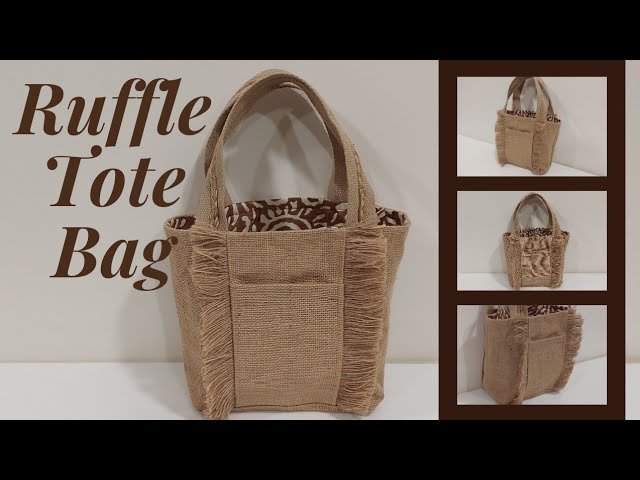
Are you looking for a fun and creative way to make your own eco-friendly bags? Handmade jute bags are not only stylish but also kind to the environment.
Imagine carrying a bag that you made yourself—unique, sturdy, and perfect for everyday use. You will discover simple steps and tips to create beautiful jute bags right at home. Ready to turn your creativity into something useful and trendy? Keep reading, and you’ll be surprised at how easy and rewarding this craft can be.
Materials Needed
Making handmade jute bags at home is a fun and useful craft. You can create eco-friendly bags with simple materials.
Before starting, gather all the materials needed. This helps the process go smoothly.
Essential Supplies
These supplies are necessary to make a basic jute bag. Without them, you cannot complete the project.
- Jute Fabric:The main material for the bag. Choose thick and durable jute.
- Strong Thread:Use heavy-duty thread that matches the jute color.
- Needle:A sharp, large-eyed needle for sewing jute fabric.
- Scissors:Sharp scissors to cut the jute neatly.
- Measuring Tape:To measure fabric pieces accurately.
- Chalk or Fabric Marker:To mark cutting lines on the fabric.
- Handles or Straps:Jute rope or pre-made straps for bag handles.
Optional Tools
These tools are not required but can make the work easier and faster.
- Sewing Machine:Speeds up sewing and gives stronger stitches.
- Clips or Pins:Hold fabric pieces together while sewing.
- Fabric Glue:For quick fixes or attaching small parts.
- Ruler or Straight Edge:Helps draw straight lines on fabric.
- Embroidery Thread:For decorating the bag with designs.
- Paint or Stencils:To add custom patterns on the jute bag.

Preparing The Jute
Making handmade jute bags starts with preparing the jute properly. You need to get the jute ready to make strong and neat bags.
Proper preparation helps you work easily and ensures the bag lasts long. This includes choosing good jute and measuring it well.
Choosing The Right Jute
Pick jute that is thick and does not tear easily. Strong jute makes your bags durable. Avoid jute with many knots or weak spots.
Look for jute with a smooth texture and natural color. This makes your bag look better and last longer.
- Choose thick, strong jute fibers
- Avoid jute with knots or breaks
- Select smooth and even-textured jute
- Natural color jute looks best
Cutting And Measuring
Measure the jute carefully before cutting. Use a ruler or measuring tape for accuracy. This helps you avoid mistakes.
Cut the jute in straight lines. Keep your cuts clean to make sewing easier and the bag look neat.
- Measure jute twice before cutting
- Use sharp scissors for clean cuts
- Cut straight lines for easy sewing
- Prepare pieces according to bag size
Basic Stitching Techniques
Making handmade jute bags requires simple stitching skills. Learning basic stitches helps you join pieces firmly.
These stitching methods are easy to do with a needle and thread at home. They make your bags strong and neat.
Simple Hand Stitches
Basic hand stitches hold the jute fabric together. They create a clean look and keep the bag durable.
- Running Stitch: A quick stitch moving in and out of fabric evenly.
- Backstitch: Strong stitch that looks like sewing machine thread.
- Whip Stitch: Wraps around fabric edge to stop fraying.
- Slip Stitch: Invisible stitch used for closing openings.
Reinforcing Seams
Reinforcing seams strengthens the bag where stress is high. It stops seams from coming apart.
| Technique | Description | Use |
| Double Stitching | Two rows of stitches side by side | Handles and edges |
| Bar Tack | Short dense stitches over a small area | Stress points like corners |
| Overcasting | Stitch wraps over raw edges | Prevent fraying |
Creating The Bag Base
The base of a handmade jute bag gives it shape and strength. A well-made base helps the bag stand upright and carry weight.
Start by cutting a strong piece of jute fabric. This piece will form the bottom part of your bag. Make sure the size matches your bag design.
Shaping The Bottom
Shaping the bottom is important for a neat and sturdy bag. Fold the fabric edges carefully to create a flat base.
- Lay the fabric flat on a clean surface.
- Fold the edges inward about one inch.
- Pin the folds to hold them in place.
- Sew along the pinned edges with a strong thread.
- Press the sewn edges with an iron for a crisp finish.
Securing The Corners
Securing the corners gives the bag a boxy shape and adds durability. Use strong stitches at the corners to keep them firm.
| Corner Technique | Description |
| Pinch and Fold | Pinch the corner fabric and fold it to form a triangle. |
| Sew Along Fold | Sew a straight line about 1 inch from the tip of the triangle. |
| Trim Excess | Cut off the extra fabric beyond the sewn line to reduce bulk. |
| Turn Inside Out | Flip the bag so the corners form a sharp edge. |
Forming The Bag Body
Creating a handmade jute bag is fun and rewarding. The bag's body is the main part that holds everything together. It is crucial to form it properly for strength and durability.
Start by selecting high-quality jute fabric. This ensures your bag is sturdy and long-lasting. Measure and cut the fabric to your desired size, considering the bag's purpose and capacity.
Joining The Sides
The sides of the bag need to be joined securely. Use strong thread and a needle to stitch the sides together. Double-stitch for added strength.
Align the edges of the fabric carefully. Keep your stitches even and tight. This prevents gaps and ensures a neat finish.
- Use a simple running stitch
- Secure knots at the start and end
- Trim excess thread after sewing
Adding Structure
To keep the bag's shape, add structure. Insert a cardboard or plastic base inside the bottom. This helps the bag stand upright and carry weight.
Stitch the base to the bottom corners for a secure fit. This will keep it from shifting during use.
| Materials Needed | Purpose |
| Cardboard or plastic base | Maintains shape |
| Strong thread | Secure stitching |

Making Handles
Handles are an important part of handmade jute bags. They make the bag easy to carry and add style.
Making strong and comfortable handles at home is simple with the right tools and materials. This guide explains how.
Types Of Handles
You can make different types of handles for jute bags. Each type fits a different style and use.
- Flat Handles:Wide and flat, these handles are strong and easy to hold.
- Round Handles:Made by twisting or braiding jute ropes for a round shape.
- Loop Handles:Simple loops of jute tied securely to the bag.
- Leather Handles:Combine jute with leather for a stylish look.
- Knot Handles:Created by tying knots in jute strands for a rustic feel.
Attaching Handles
Attaching handles to the bag needs care to keep them strong and secure. Use simple stitching or glue.
Make sure the handles are fixed well so the bag can hold weight without breaking.
- Sew handles by hand or machine using thick thread.
- Use strong knots if you tie the handles to the bag.
- Add extra stitching at stress points for better durability.
- Use fabric glue for extra hold but always combine with sewing.
- Test the handles by pulling gently before finishing.
Decorating The Bag
Decorating handmade jute bags adds a personal touch. It also makes each bag unique and fun.
You can use simple tools and materials to decorate your bag at home. Let’s explore some easy ways.
Painting And Stamping
Painting is a great way to add color and designs to your jute bag. Use fabric paint for best results.
Stamping creates patterns quickly. You can use rubber stamps or make your own with foam or potatoes.
- Choose colors that stand out on natural jute
- Use stencils for neat shapes and letters
- Let each layer dry before adding more paint
- Seal the paint with a clear fabric spray
Adding Embellishments
Embellishments add texture and style to your bag. You can sew or glue beads, buttons, and ribbons.
Try using lace, patches, or small fabric flowers. These make the bag look elegant and handmade.
- Use a strong glue made for fabric
- Sew buttons or beads for better hold
- Mix different materials for a unique look
- Keep embellishments light to avoid bag damage
Finishing Touches
Finishing touches make your handmade jute bags look neat and last longer. These final steps protect the bag and improve its style.
Paying attention to details helps you create a strong and attractive bag. Let’s focus on sealing edges and checking quality.
Sealing Edges
Sealing edges stops the jute fibers from fraying. This keeps the bag sturdy and tidy over time.
You can seal edges by using fabric glue or stitching tightly along the edges. This creates a clean finish and prevents unraveling.
- Apply fabric glue carefully on raw edges
- Use a needle and thread to sew close stitches
- Press edges firmly after gluing or sewing
- Let glue dry completely before use
Final Quality Check
Check your bag closely before finishing. Look for loose threads, uneven edges, or weak spots.
Make sure the handles are strong and all parts are securely attached. A good quality check ensures your bag will last.
- Inspect all seams for loose stitches
- Feel the bag for weak or thin areas
- Test handle strength by pulling gently
- Trim any excess threads or fibers
Care Tips For Jute Bags
Jute bags are eco-friendly and durable. To maintain their look, proper care is needed.
With the right cleaning and storage methods, your jute bags will last longer and look better.
Cleaning Methods
Jute bags should be cleaned carefully. Avoid using strong detergents that can harm the fibers.
Instead, use mild soap and water. Gently scrub the surface with a soft brush.
- Spot clean stains immediately with a damp cloth.
- Air dry the bag in a shaded area.
- Do not wring or twist the bag.
Storage Suggestions
Proper storage helps keep jute bags in shape. Store them in a dry place to prevent mold.
Avoid direct sunlight, which can cause fading. Fold them neatly when not in use.
- Keep bags away from damp areas.
- Use a cloth bag to cover them for extra protection.
- Do not stack heavy items on top of jute bags.

Frequently Asked Questions
What Materials Are Needed To Make Jute Bags At Home?
You need jute fabric, scissors, needle, thread, fabric glue, and handles. Optional items include decorative beads or paint for customization.
How Long Does It Take To Make A Handmade Jute Bag?
It typically takes 2 to 4 hours depending on your skill level and bag complexity. Beginners may need more time.
Can I Customize The Design Of My Jute Bag?
Yes, you can add paint, embroidery, beads, or fabric patches. Customization makes each bag unique and stylish.
Is Making Jute Bags Eco-friendly?
Yes, jute is a biodegradable and sustainable material. Handmade bags reduce plastic use and promote eco-conscious living.
Conclusion
Making handmade jute bags at home is simple and fun. It helps you save money and protect the environment. You can use your creativity to design unique bags. Plus, jute bags are strong and last long. Start with basic tools and materials to make your first bag.
Practice makes your work better each time. Enjoy the process and feel proud of your handmade creation. Try different styles and colors to match your taste. Handmade jute bags bring joy and value to daily life. Give it a try and see the difference yourself.