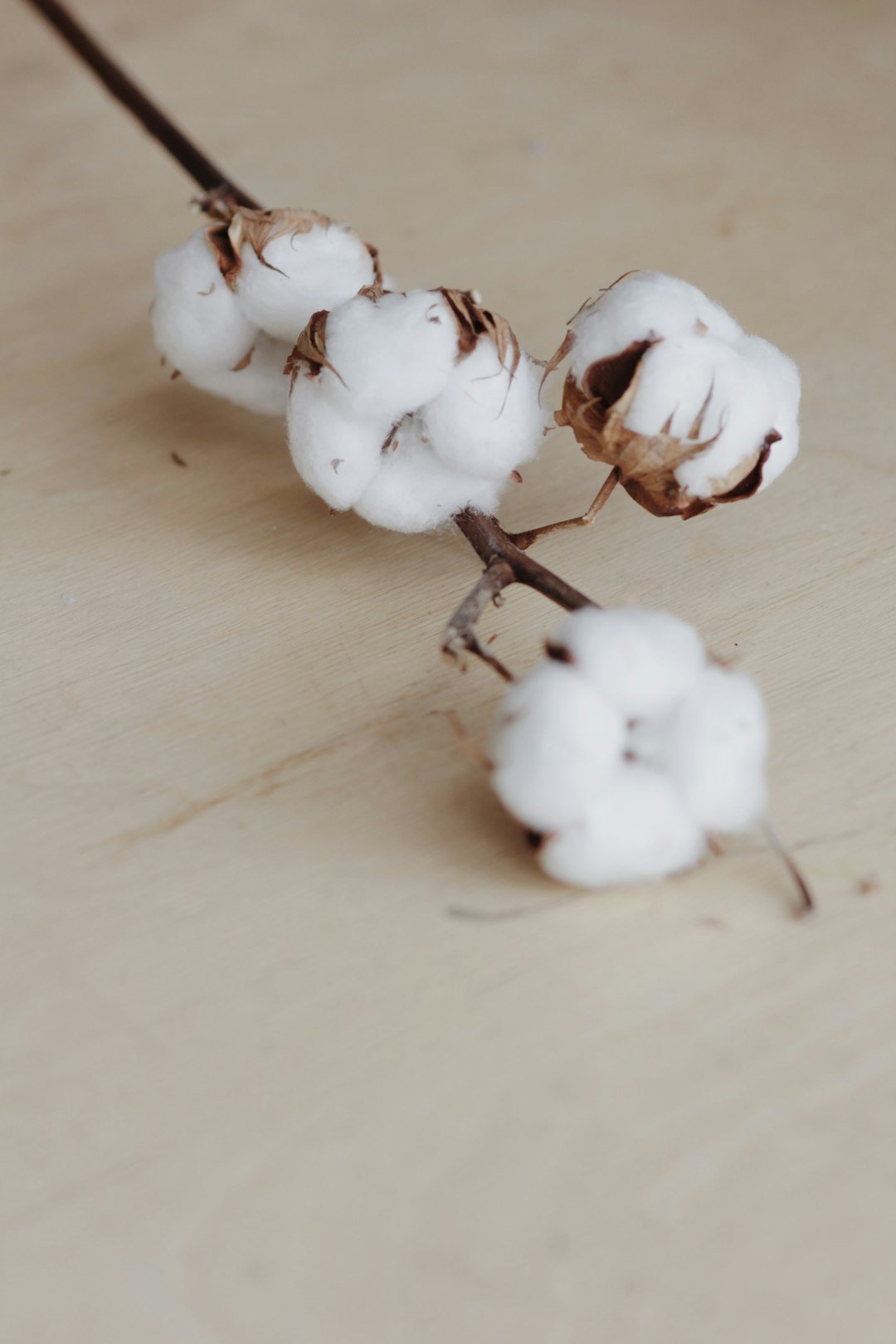
Have you ever wondered how to make cotton balls at home? Whether you’re out of store-bought ones or just want a natural, cost-effective alternative, making your own cotton balls is easier than you think.
Imagine having soft, fluffy cotton ready whenever you need it—perfect for skincare, crafts, or first aid. In this guide, you’ll discover simple steps to create your own cotton balls using everyday materials. Keep reading, and you’ll be surprised at how quickly you can make these handy essentials yourself.
Your next DIY project starts here!
Materials Needed
Making cotton balls at home is simple and needs only a few materials. You can easily find these items around your house or at a local store.
Knowing the right types of cotton and the tools needed helps you create soft and clean cotton balls. Let’s look at what you need.
Types Of Cotton
Different types of cotton affect how soft and absorbent your cotton balls will be. Choose cotton that is clean and natural for the best results.
- Organic cotton: Grown without chemicals, very soft
- Carded cotton: Fibers are aligned but not spun, good for shaping
- Combed cotton: Fibers are cleaned and straightened, very smooth
- Bleached cotton: White and clean, often used in medical cotton balls
Tools Required
You need a few simple tools to make cotton balls. These tools help you shape the cotton and keep everything clean.
| Tool | Purpose |
| Scissors | Cut cotton into smaller pieces |
| Tweezers | Help shape the cotton without touching it too much |
| Clean surface | Work area to keep cotton clean |
| Storage container | Keep cotton balls clean after making |

Preparing The Cotton
Making cotton balls at home starts with preparing raw cotton. This process ensures the cotton is clean and soft. Proper preparation helps create better cotton balls for various uses.
Two key steps in preparation are cleaning the cotton and softening it. These steps remove impurities and improve texture.
Cleaning The Cotton
Cleaning removes dirt, seeds, and other unwanted parts from raw cotton. Start by gently pulling apart the cotton fibers.
- Place the cotton in a large bowl.
- Fill the bowl with warm water.
- Swirl the cotton gently to loosen dirt and seeds.
- Remove floating debris from the water surface.
- Drain the water and repeat if needed.
- Spread the cotton on a clean towel to dry.
Softening Techniques
Softening makes cotton easier to shape into balls. It also improves comfort when used on skin.
| Softening Method | How to Do It | Notes |
| Manual Fluffing | Pull and stretch cotton gently with fingers. | Simple and effective. |
| Steam Softening | Hold cotton over steam for a few seconds. | Use caution to avoid burns. |
| Fabric Softener | Dilute softener in water and soak cotton briefly. | Rinse well before use. |
Shaping The Cotton Balls
Shaping cotton balls at home is a simple and creative process. The right shaping helps the cotton hold its form and look neat.
This guide covers two popular methods to shape cotton balls. You can choose one based on the tools you have.
Hand Rolling Method
Hand rolling is the most basic way to shape cotton balls. You only need clean hands and loose cotton.
- Take a small piece of loose cotton.
- Gently press and roll it between your palms.
- Keep shaping until you get a round, tight ball.
- If the ball feels loose, add a little more cotton and roll again.
- Make sure the surface is smooth without loose fibers.
Using Molds Or Tools
You can use molds or special tools for uniform cotton balls. These help shape many balls quickly and evenly.
| Tool | How to Use | Result |
| Silicone Mold | Press cotton into each cavity firmly. | Perfectly round and smooth balls. |
| Plastic Sphere Mold | Fill halves with cotton and close tightly. | Firm, seamless cotton balls. |
| Ice Cube Tray | Pack cotton into each cube slot and press. | Square-shaped cotton pads or balls. |
Drying And Storing
Making cotton balls at home is simple and cost-effective. Proper drying and storing help keep them clean and soft.
This guide covers easy air drying tips and the best ways to store your cotton balls.
Air Drying Tips
Drying cotton balls well prevents mold and keeps them fluffy. Follow these tips for best results.
- Spread the cotton balls on a clean, dry surface.
- Use a mesh screen or breathable cloth to cover them.
- Keep them in a well-ventilated area away from direct sunlight.
- Turn the cotton balls gently every few hours to dry evenly.
- Allow at least 24 hours to fully dry before storing.
Proper Storage Options
Store cotton balls in a dry, clean place to keep them fresh and usable. Choose the right container for best results.
| Storage Method | Advantages | Notes |
| Glass Jar with Lid | Keeps cotton clean and dry | Use airtight lid to prevent moisture |
| Plastic Container | Lightweight and easy to carry | Choose one with small air holes |
| Fabric Bag | Breathable and reusable | Store in dry place to avoid dampness |
Common Mistakes To Avoid
Making cotton balls at home is easy but needs care. Some mistakes can ruin the final product. Knowing what to avoid saves time and effort.
This guide covers common errors. Avoid these to get soft and fluffy cotton balls every time.
Using The Wrong Type Of Cotton
Not all cotton is fit for making cotton balls. Some types are coarse or have chemicals. These hurt skin and reduce softness.
Pick pure, organic cotton for best results. Avoid cotton blends or treated cotton.
Skipping The Cleaning Process
Dirty cotton can cause infections or skin irritation. Clean the cotton properly before shaping it into balls.
Wash with mild soap and warm water. Rinse well and dry completely to keep cotton soft.
Overwetting Cotton During Cleaning
Too much water makes cotton hard to dry. Wet cotton can stay damp and grow mold or smell bad.
- Use only enough water to clean gently.
- Press cotton softly to remove extra water.
- Dry cotton in open air or sunlight.
Forming Cotton Balls Too Tightly
Pressing cotton too hard loses softness and fluffiness. Tight balls do not absorb liquids well.
Shape cotton balls gently. Keep them light and airy for better use.
Storing Cotton Balls Improperly
Storing cotton balls in damp or dirty places harms their quality. They can collect dust or moisture.
| Storage Method | Effect on Cotton Balls |
| Closed plastic container (dry) | Keeps cotton clean and soft |
| Open container in humid area | Absorbs moisture and smells bad |
| Uncovered on dusty surface | Collects dust and dirt |
Creative Uses For Homemade Cotton Balls
Homemade cotton balls are versatile and easy to make. You can use them in many creative ways around your home.
They are perfect for beauty routines and fun craft projects. Let’s explore these exciting uses!
Beauty And Skincare
Cotton balls are great for applying skincare products. They help in gently cleansing your skin.
Use them to apply toner or remove makeup. They are soft and absorbent.
- Apply toner for a fresh look
- Remove nail polish easily
- Use with facial cleansers
Craft And Art Projects
Cotton balls make excellent crafting materials. Kids love using them for fun projects.
They can be used to create fluffy clouds or snow in art projects. Get creative with colors and shapes.
- Create fluffy clouds in paintings
- Make snow for winter scenes
- Design soft animal figures

Frequently Asked Questions
How Can I Make Cotton Balls At Home Easily?
To make cotton balls at home, use clean cotton fibers. Pull small pieces, shape them into balls, and fluff gently. This method is simple, cost-effective, and ensures fresh, chemical-free cotton balls for personal use or crafts.
What Materials Do I Need To Create Cotton Balls?
You need pure cotton fibers or cotton batting, clean hands, and a flat surface. Optionally, use scissors to trim. Avoid using synthetic fibers to ensure softness and safety for skin-related uses.
Are Homemade Cotton Balls Safe For Skincare?
Yes, homemade cotton balls made from pure cotton are safe for skincare. They contain no added chemicals or preservatives, reducing the risk of irritation or allergies. Always ensure cleanliness while making and storing them.
How To Store Homemade Cotton Balls Properly?
Store cotton balls in a clean, dry container with a lid. Keep them away from moisture, dust, and direct sunlight. Proper storage maintains their softness and hygiene for long-term use.
Conclusion
Making cotton balls at home is simple and saves money. You only need a few materials and some time. Homemade cotton balls are soft and perfect for daily use. You control the size and quality easily. Try making your own and enjoy the benefits.
It feels good to create something useful yourself. Start today and see how easy it can be!