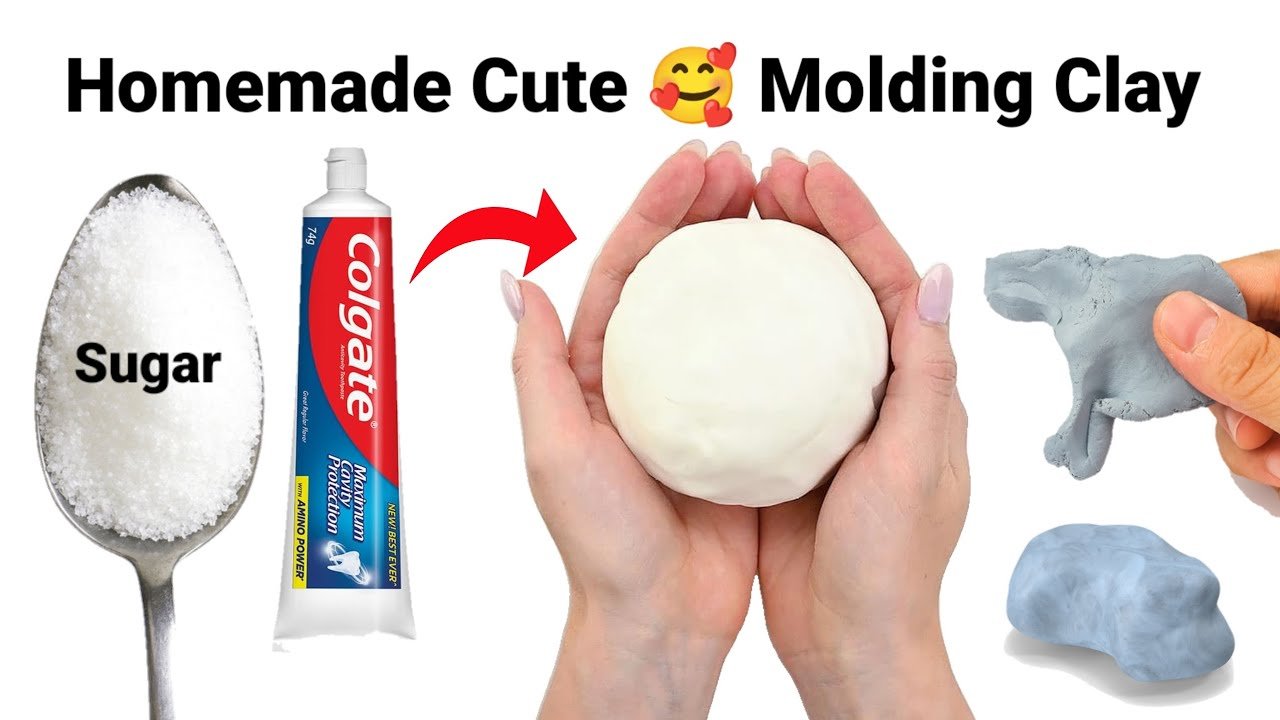
Have you ever wanted to create your own clay powder right at home? Whether you’re into arts and crafts, skincare, or DIY projects, making clay powder yourself can save you money and give you full control over the quality.
Imagine having fresh, natural clay powder ready whenever you need it—no more trips to the store or worrying about additives. In this guide, you’ll discover simple steps to turn ordinary clay into fine powder, using tools and ingredients you probably already have.
Ready to unlock this easy skill and add a new dimension to your creativity? Keep reading, and you’ll be making your own clay powder in no time.
Materials Needed
Making clay powder at home is easy and fun. You only need a few simple materials.
Using the right materials helps you get fine, smooth clay powder for your projects.
Types Of Clay To Use
Not all clays work well for making powder. Choose soft, dry clay for best results.
- Natural clay from garden or riverbeds
- Air-dry clay from craft stores
- Kaolin clay, a white, fine clay
- Bentonite clay, good for smooth powder
Avoid oily or wet clays because they are hard to grind into powder.
Additional Tools And Supplies
You need some tools to prepare and grind the clay. These tools make the process easier and safer.
- A clean container to soak and soften the clay
- A mortar and pestle or a strong grinder
- Fine mesh sieve to filter the powder
- Dry cloth or paper towels to dry the clay
- Gloves to protect your hands from dirt
Having these tools ready helps you make smooth and usable clay powder at home.

Preparing The Clay
Making clay powder at home starts with preparing the raw clay properly. Clean and break the clay to get the best results.
These steps help remove impurities and make the clay easier to grind into powder.
Cleaning The Clay
Cleaning the clay removes dirt, stones, and other unwanted materials. This step ensures the powder is pure and smooth.
- Place the clay in a large bowl or bucket.
- Add enough water to cover the clay completely.
- Stir the mixture well to loosen dirt and debris.
- Let the clay settle for several hours or overnight.
- Pour off the dirty water carefully, leaving the clean clay behind.
- Repeat washing until the water runs clear.
Breaking The Clay Into Pieces
Breaking the clay into smaller pieces helps it dry faster and grind easier.
| Method | Description | Tools Needed |
| Hand Breaking | Use your hands to crumble the clay into small chunks. | Gloves (optional) |
| Hammer or Mallet | Place clay on a sturdy surface and gently tap to break. | Hammer, Mallet, Cloth |
| Rolling Pin | Roll over the clay pieces to flatten and break them further. | Rolling pin or similar object |
Drying The Clay
Drying clay is an important step to make powder at home. Proper drying removes moisture. This helps in grinding clay into fine powder.
There are two common ways to dry clay: air drying and using an oven. Both methods work well for different needs.
Air Drying Method
Air drying is the simplest way to dry clay. It uses natural air and sunlight to remove moisture slowly.
- Spread the clay thinly on a clean surface like a tray or cloth.
- Place it in a dry, warm area with good air flow.
- Turn the clay pieces every few hours for even drying.
- Let the clay dry for several days until it feels hard and dry.
This method takes longer but keeps the clay’s natural texture. Avoid drying in very humid places.
Using An Oven For Faster Drying
Using an oven speeds up the drying process. It dries clay evenly and in a shorter time.
| Temperature | Time | Notes |
| Low heat (around 200°F or 93°C) | 1 to 2 hours | Check often to avoid burning |
| Medium heat (up to 250°F or 121°C) | 30 to 60 minutes | Use for thicker clay pieces |
| Cooling time | 15 to 30 minutes | Let clay cool inside oven after turning off |
Place clay pieces on a baking sheet. Use parchment paper to prevent sticking. Always watch closely to prevent cracking or burning.

Grinding The Clay
Grinding clay at home is a simple process. It helps in creating fine clay powder for your projects.
There are different ways to grind clay. You can use manual techniques or electric tools like grinders or blenders.
Manual Grinding Techniques
Manual grinding is a traditional method. It requires patience and effort but is effective.
You can use a mortar and pestle for this. Place small amounts of clay in the mortar and grind it with the pestle.
- Place clay in a strong container
- Use a heavy tool to crush the clay
- Continue until the clay turns into powder
Using A Grinder Or Blender
Electric grinders and blenders make the process faster. They are perfect for larger amounts of clay.
Ensure the clay is dry before grinding. Wet clay might damage electric tools.
- Break clay into small pieces first
- Put pieces in the grinder or blender
- Grind until the clay becomes fine powder
Sifting The Powder
Sifting clay powder is an important step in making it smooth. It helps remove big pieces and dirt.
Good sifting makes your clay powder fine and easy to use for crafts or skincare.
Choosing The Right Sieve
Pick a sieve with the right hole size to get the texture you want. Too big holes let lumps pass through.
Metal or plastic sieves work well. Make sure the sieve is clean and dry before use.
- Use a sieve with 60 to 100 mesh for fine powder
- Coarse mesh works for rough clay powder
- Check sieve material for durability
- Clean sieve after each use
Achieving Fine Clay Powder
To get fine powder, push the clay gently through the sieve. Use a spoon or spatula for help.
Sift the powder multiple times for best results. Fine clay powder feels soft and smooth.
- Sift slowly to avoid clogging
- Break big lumps before sifting
- Repeat sifting until powder is smooth
- Store powder in a dry container
Storing Clay Powder
Proper storage keeps clay powder fresh and easy to use. It stops moisture and dirt from ruining the powder.
Good storage helps the powder last longer and keeps it ready for your projects.
Best Containers To Use
Use airtight containers to store clay powder. These stop air and moisture from entering.
Containers made of glass or plastic work well. They are easy to clean and seal tightly.
- Glass jars with screw lids
- Plastic containers with snap lids
- Resealable plastic bags with zip locks
- Metal tins with tight-fitting lids
Keeping The Powder Dry
Dry clay powder stays soft and easy to use. Moisture can make it hard and clumpy.
Store clay powder in a cool, dry place away from direct sunlight. Avoid humid areas like bathrooms.
- Add silica gel packets to absorb moisture
- Keep containers sealed tightly after use
- Check powder regularly for any damp spots
- Use a dry spoon when handling the powder
Common Uses For Clay Powder
Clay powder is versatile and has many uses. It is popular in skincare and crafts. Learn how it can enhance your daily routines.
Discover the benefits of clay powder in creative projects and personal care. It is both functional and fun to use.
Skincare Applications
Clay powder is a natural skincare product. It helps improve skin health and appearance. Many people use it in facial masks and scrubs.
- Mix with water for a simple facial mask
- Add essential oils for extra benefits
- Use as a gentle exfoliator
Craft And Art Projects
Artists and crafters love clay powder for its versatility. It can be used in various projects, from pottery to painting.
| Project Type | Use of Clay Powder |
| Pottery | Improves texture and shape |
| Painting | Adds texture to canvases |
| Sculpting | Enhances detail and definition |

Troubleshooting Tips
Making clay powder at home can be simple, but sometimes problems happen. These tips help fix common issues.
Read the advice below to avoid clumps and fix coarse powder in your clay mixture.
Avoiding Clumps
Clumps form when moisture or uneven grinding affects the clay powder. Prevent clumps with these tips.
- Sift the powder through a fine mesh to break up lumps.
- Store clay powder in a dry, airtight container.
- Grind the clay slowly to avoid heat that causes moisture.
- Dry the clay completely before grinding.
- Mix small batches to control moisture better.
Fixing Coarse Powder
Coarse powder can make your clay work rough. Use these methods to get a finer texture.
| Problem | Cause | Solution |
| Large clay pieces | Insufficient grinding | Grind longer with a fine grinder |
| Uneven particle size | Skipping sifting | Sift powder multiple times |
| Sticky powder | High moisture content | Dry clay more before grinding |
| Powder clumping | Storage in humid place | Use airtight container with desiccant |
Frequently Asked Questions
What Materials Do I Need To Make Clay Powder At Home?
You need natural clay, a grinder or mortar and pestle, and a sieve. Optionally, dry the clay before grinding for finer powder.
How Can I Dry Clay Before Making Powder?
Air dry the clay in a warm, dry place for 24 to 48 hours. Avoid direct sunlight to prevent cracking.
What Is The Best Method To Grind Clay Into Powder?
Use a grinder or mortar and pestle to crush dried clay. Grind until the powder is fine and consistent.
How Do I Ensure The Clay Powder Is Smooth And Lump-free?
Sift the ground clay through a fine mesh sieve. This removes lumps and results in smooth, usable powder.
Conclusion
Making clay powder at home is simple and rewarding. You only need a few basic tools and some patience. Grinding and drying clay properly gives the best powder texture. This powder can be useful for many crafts and projects. Try experimenting with different types of clay for unique results.
Keep your workspace clean and safe while working. Enjoy the process and create something special with your homemade clay powder. Small efforts bring great satisfaction. Give it a try today!