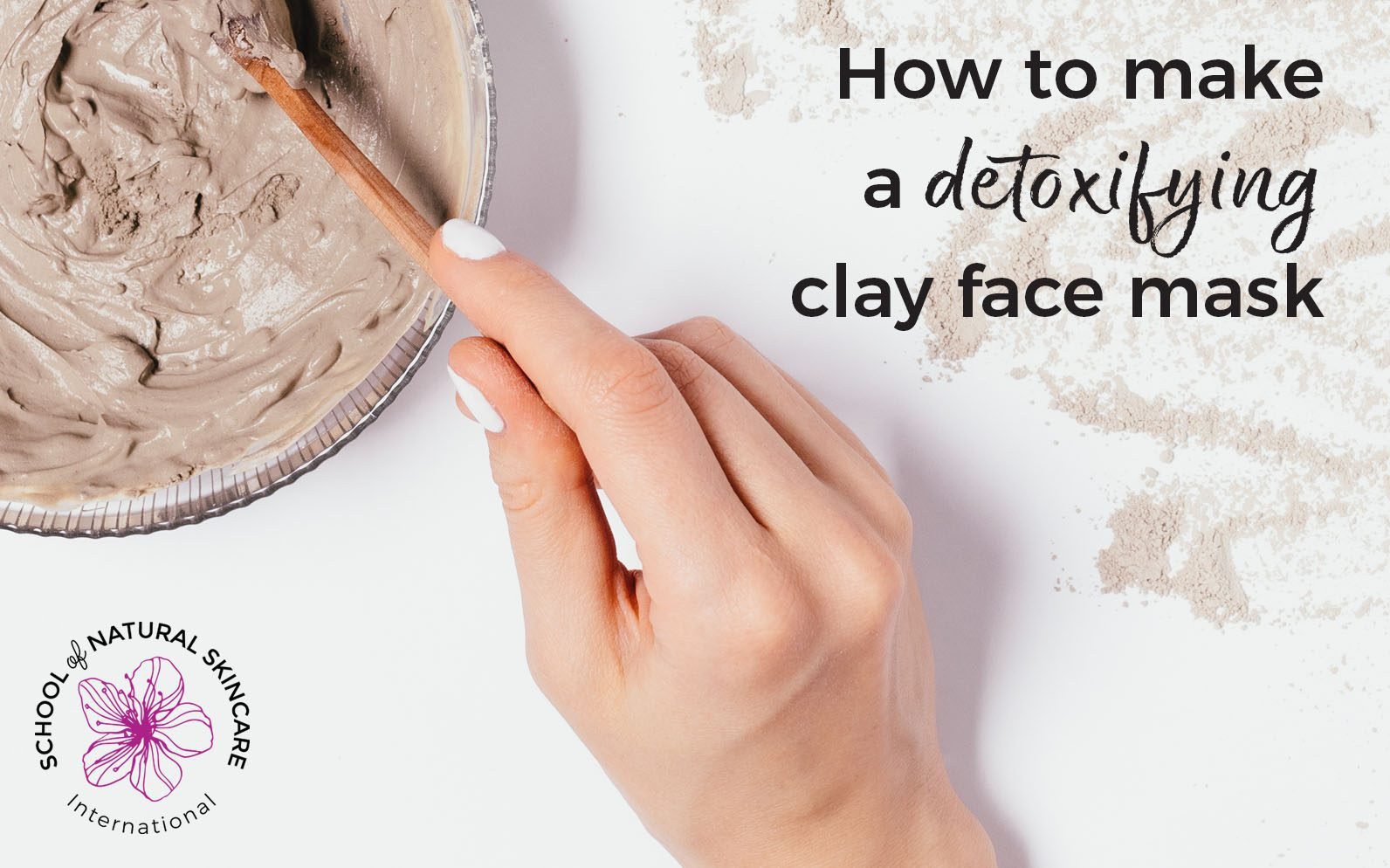
Have you ever wanted to treat your skin to a refreshing clay mask but don’t have any clay at home? Don’t worry—you can still make a powerful, natural mask with ingredients you likely already have.
Imagine giving your skin a deep cleanse, removing impurities, and leaving it glowing without a single scoop of clay. You’ll discover simple, effective ways to create your own clay-free mask that works just as well. Keep reading, and you’ll learn easy steps to pamper your skin right now, using what’s already in your kitchen.
Your skin will thank you!
Benefits Of Clay Masks
Clay masks are popular for cleaning and caring for skin. They help remove dirt and make skin feel fresh.
You can make a clay mask at home without using actual clay. The benefits stay the same with natural ingredients.
Skin Purifying Properties
Clay masks pull out dirt and oil from deep inside pores. This makes skin cleaner and helps prevent breakouts.
Using a homemade mask with natural ingredients can also remove dead skin cells. This leaves skin soft and smooth.
Oil Control And Acne Prevention
Clay masks absorb extra oil from the skin. This helps stop shine and reduces clogged pores.
Reducing oil lowers the chance of acne. Masks made without clay can still balance oil using ingredients like yogurt or honey.
Enhancing Skin Glow
Clay masks improve blood flow to the skin. This brightens the face and gives a natural glow.
Homemade masks with fruits or oats can also nourish skin. This adds moisture and makes skin look healthy.

Common Ingredients For Clay Alternatives
You can make a clay mask without using actual clay. Many natural ingredients work well to clean and refresh your skin. These ingredients can absorb oil and dirt while soothing your face.
Here are some common ingredients that serve as good alternatives to clay. They help keep your skin healthy and glowing.
Bentonite Substitutes
Bentonite clay is popular for masks but you can use other powders instead. These powders help draw out impurities and give a smooth feel.
Some good bentonite substitutes are natural powders made from plants and minerals.
- Kaolin clay – gentle and good for sensitive skin
- Fuller’s earth – absorbs oil and dirt well
- Rice flour – softens skin and removes dead cells
- Oat flour – mild and exfoliating for dry skin
Natural Absorbents
Absorbents help pull out oil and dirt from your skin. You can find many natural options that work like clay.
These ingredients also help reduce shine and keep your face fresh.
- Baking soda – balances skin oil and cleans pores
- Activated charcoal – traps dirt and toxins effectively
- Cornstarch – absorbs excess oil without drying skin
- Arrowroot powder – smooth texture and oil control
Soothing Components
Soothing ingredients calm irritated skin and reduce redness. Adding them helps your mask feel gentle and refreshing.
These components also add moisture and softness to your skin.
- Aloe vera gel – cools and hydrates skin
- Honey – natural moisturizer and antibacterial
- Cucumber juice – reduces puffiness and soothes
- Yogurt – contains lactic acid to soften skin
Diy Glow Mask Recipes
You don't need clay to make a glowing face mask at home. Natural ingredients can create gentle and effective masks.
These recipes use common kitchen items to refresh your skin. They are easy to mix and safe to use.
Oatmeal And Honey Blend
Oatmeal soothes the skin and removes dirt gently. Honey adds moisture and has natural antibacterial properties.
Mix equal parts of ground oatmeal and honey. Apply the paste on your face and leave it for 10 minutes. Rinse with warm water.
- 1 tablespoon ground oatmeal
- 1 tablespoon honey
Yogurt And Turmeric Mix
Yogurt contains lactic acid that helps remove dead skin cells. Turmeric can brighten your skin and reduce redness.
Combine 2 tablespoons of plain yogurt with a pinch of turmeric powder. Spread on your face and wait 10 minutes before washing off.
- 2 tablespoons plain yogurt
- 1/4 teaspoon turmeric powder
Coffee And Aloe Vera Paste
Coffee grounds exfoliate dead skin and boost circulation. Aloe vera calms and hydrates the skin deeply.
Mix 1 tablespoon of coffee grounds with 2 tablespoons of aloe vera gel. Apply gently on your face and rinse after 10 minutes.
- 1 tablespoon coffee grounds
- 2 tablespoons aloe vera gel

Step-by-step Mask Preparation
Making a clay mask at home is easy even without clay. You can use natural ingredients to create a mask that cleans and softens your skin.
This guide will help you prepare a gentle and effective mask with simple steps.
Gathering Ingredients
Start by collecting ingredients that act like clay. These items help absorb oil and dirt from your skin.
- Oatmeal: soothes and cleans skin
- Baking soda: removes dead skin cells
- Yogurt: moisturizes and tightens pores
- Honey: adds antibacterial properties
- Lemon juice: brightens and tones skin
- Activated charcoal (optional): draws out impurities
Mixing Techniques
Mix ingredients carefully to get a smooth paste. Use the right amounts to avoid a runny or too thick mask.
Follow these tips for the best mix:
- Use a small bowl for mixing
- Add dry ingredients first, then liquids
- Stir slowly to avoid lumps
- Adjust liquid to get a spreadable texture
- Use fresh ingredients for better results
Application Tips
Apply the mask evenly on clean skin. Avoid your eyes and lips to prevent irritation.
Keep these tips in mind:
- Use clean fingers or a brush to apply
- Spread a thin layer for quick drying
- Leave the mask for 10 to 15 minutes
- Rinse gently with warm water
- Pat your face dry with a soft towel
- Use the mask once or twice a week
Mask Usage And Aftercare
Making a clay mask at home without clay is easy and gentle on your skin. Proper use and care after applying the mask help keep your skin healthy.
Follow simple steps for how long to wear the mask, how to rinse it off, and how to care for your skin after.
Ideal Duration And Frequency
Wear your homemade mask for 10 to 15 minutes. Leaving it longer can dry out your skin or cause irritation.
Use the mask 1 to 2 times a week. This keeps your skin clean without overdoing it.
Rinsing Methods
Rinse the mask off with lukewarm water. Use gentle circular motions to remove all residue.
Pat your face dry with a soft towel. Avoid rubbing, as this can irritate the skin.
- Use clean, lukewarm water
- Gently massage the mask off
- Pat dry with a soft towel
Moisturizing Post-mask
Apply a gentle moisturizer after rinsing. This helps keep your skin soft and hydrated.
Choose a moisturizer that suits your skin type for the best results.

Precautions And Tips
Creating a clay mask at home without using actual clay can be simple. Using safe and effective alternatives requires some precautions.
Understanding your skin type and potential allergies is crucial. Here are some tips to help you make a safe DIY mask.
Patch Testing
Before applying the mask to your face, always perform a patch test. This helps ensure that you won't have a bad reaction to the ingredients.
- Apply a small amount of the mask to your inner arm.
- Wait for 24 hours and watch for any redness or irritation.
- If no reaction occurs, proceed with using the mask on your face.
Avoiding Allergic Reactions
Preventing allergic reactions is vital when making skincare products at home. Always choose ingredients that you know are safe for your skin.
- Check labels for any known allergens.
- Consult with a dermatologist if unsure.
- Avoid using new ingredients without testing.
Customizing For Skin Types
Different skin types require different ingredients. Tailoring your mask to your skin type can improve its effectiveness.
| Skin Type | Recommended Ingredients |
| Oily | Oatmeal, honey, lemon juice |
| Dry | Aloe vera, yogurt, avocado |
| Sensitive | Cucumber, chamomile, rose water |
Frequently Asked Questions
What Ingredients Replace Clay In Homemade Masks?
Common alternatives include oatmeal, yogurt, honey, and mashed fruits. These ingredients help cleanse, exfoliate, and nourish skin effectively without clay.
Can I Make A Clay Mask Without Traditional Clay?
Yes, you can use natural substitutes like bentonite-free powders or kitchen ingredients to mimic clay’s benefits safely at home.
How Do Non-clay Masks Benefit Different Skin Types?
Non-clay masks are gentle and customizable. They hydrate dry skin and soothe sensitive or oily skin without over-drying or irritation.
Are Homemade Clay-free Masks Safe For Sensitive Skin?
Yes, homemade masks without clay often use mild, natural ingredients that reduce the risk of irritation for sensitive skin types.
Conclusion
Making a clay mask at home without clay is simple and fun. You can use common ingredients from your kitchen. These masks help clean and freshen your skin naturally. Try different recipes to find what suits you best. Enjoy the process and feel good about caring for your skin.
Homemade masks save money and avoid harsh chemicals. Give your skin a gentle treat anytime you want. It’s easy, safe, and effective for a healthy glow. Why not start today? Your skin will thank you.