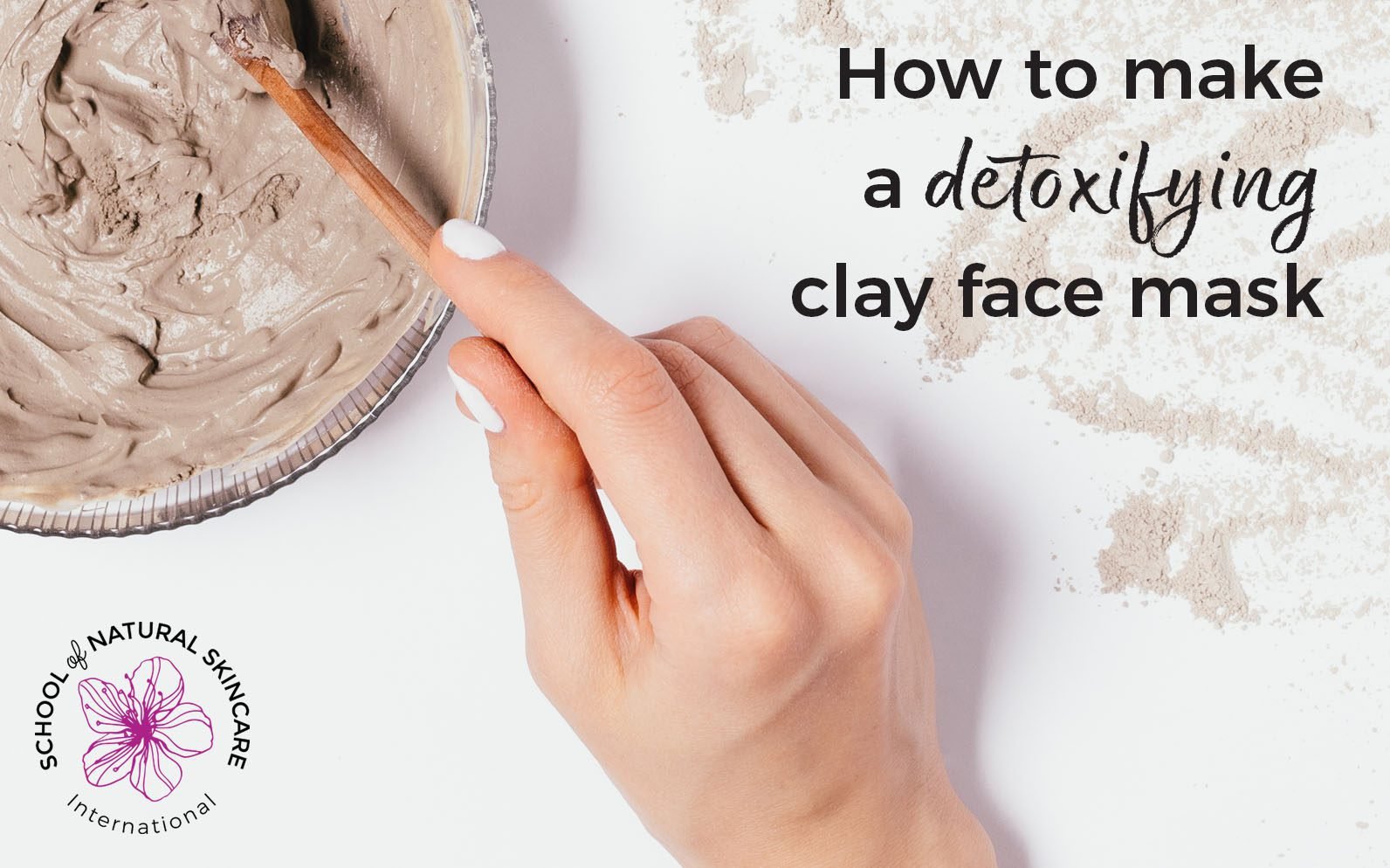
Are you looking for a simple way to refresh your skin without spending a lot of money? Making a clay face mask at home is easier than you think, and it can work wonders for your skin.
Imagine having a glowing, clear complexion using just natural ingredients you can find in your kitchen. In this guide, you’ll discover step-by-step how to create your own clay mask tailored to your skin’s needs. Keep reading, and you’ll learn the secrets to a spa-quality treatment right in your own home.
Your skin will thank you!
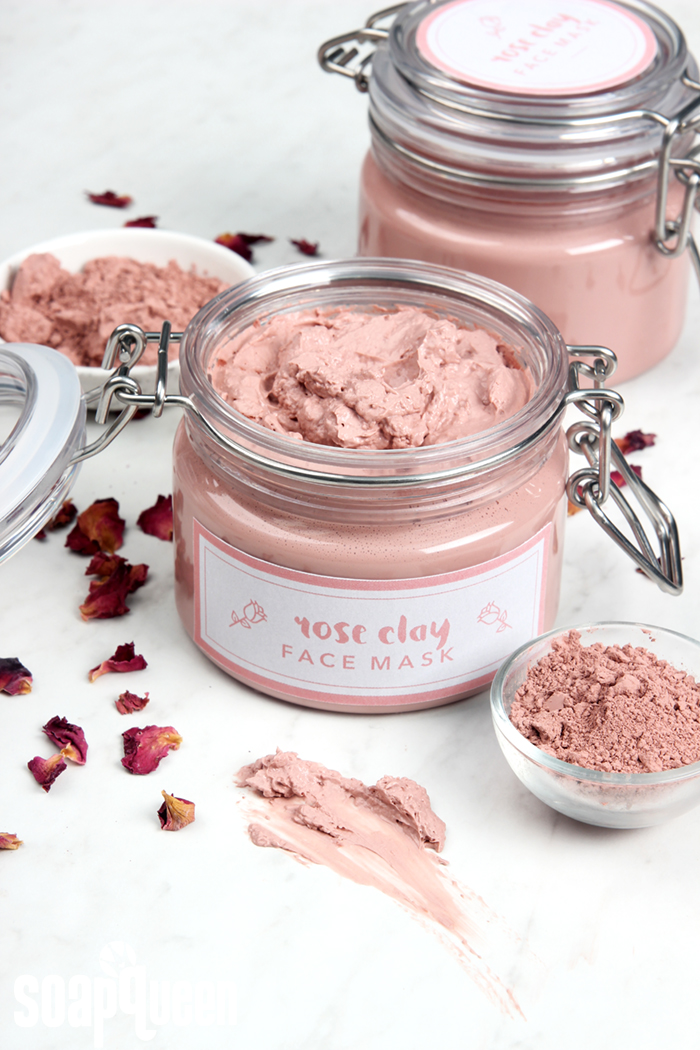
Benefits Of Clay Face Masks
Clay face masks are natural and easy to make at home. They help clean your skin deeply and remove dirt.
Using clay masks regularly can improve your skin's look and feel. They suit many skin types and needs.
Types Of Clay And Their Uses
Different clays have different uses for your skin. Knowing which clay to use helps you get the best results.
- Bentonite Clay:Great for oily and acne-prone skin. It absorbs oil and cleans pores deeply.
- Kaolin Clay:Gentle and good for sensitive skin. It removes impurities without drying skin.
- French Green Clay:Best for normal to oily skin. It tones and exfoliates the skin.
- Rhassoul Clay:Rich in minerals. It softens skin and improves elasticity.
- Fuller's Earth Clay:Helps lighten skin and reduce dark spots.
Skin Benefits Of Clay Masks
Clay masks offer many skin benefits. They clean, refresh, and protect your skin naturally.
- Remove excess oil and dirt from pores
- Reduce acne and prevent breakouts
- Improve skin texture and smoothness
- Help tighten and tone the skin
- Calm irritated and inflamed skin
- Promote a healthy and glowing complexion
Essential Ingredients For Diy Masks
Making a clay face mask at home is simple and fun. You only need a few natural ingredients.
Choosing the right ingredients helps your skin stay healthy and glowing.
Choosing The Right Clay
Clay is the main part of your mask. It cleans and refreshes your skin.
Different clays suit different skin types and needs.
- Bentonite Clay:Good for oily and acne-prone skin.
- Kaolin Clay:Gentle and great for sensitive skin.
- French Green Clay:Helps with oily skin and detoxifies.
- Rhassoul Clay:Softens skin and improves texture.
Natural Additives For Glow
Adding natural ingredients boosts the mask’s benefits. They add moisture and shine.
Choose additives that match your skin’s needs.
- Honey:Moisturizes and soothes skin.
- Aloe Vera Gel:Calms irritation and hydrates.
- Rose Water:Refreshes and tones skin.
- Yogurt:Brightens and smooths skin.
- Apple Cider Vinegar:Balances skin pH and reduces oil.
Optional Enhancements
Enhancements add extra care to your mask. Use them to target specific skin problems.
These extras make your mask more effective and enjoyable.
- Essential Oils:Add a few drops for scent and skin benefits.
- Vitamin E Oil:Helps heal and protect skin.
- Green Tea Extract:Provides antioxidants to fight aging.
- Oatmeal:Softens and calms itchy skin.
- Turmeric Powder:Brightens and reduces redness.
Step-by-step Mask Preparation
Making a clay face mask at home is simple and fun. You only need a few ingredients and tools. This guide helps you prepare the mask with ease.
Follow the steps carefully to get the right texture and benefits from your clay mask.
Measuring Ingredients
Measuring your ingredients correctly is key to a good mask. Use small bowls or measuring spoons for accuracy.
- Measure 2 tablespoons of clay powder.
- Add 1 tablespoon of water or rose water.
- Include 1 teaspoon of honey or aloe vera gel.
- Optionally, add a few drops of essential oil.
Mixing Techniques
Mix the ingredients well to avoid lumps. Use a clean spoon or a small whisk for best results.
| Tool | Purpose |
|---|---|
| Spoon | Basic mixing |
| Whisk | Smooth texture |
| Bowl | Hold ingredients |
Adjusting Consistency
The mask should spread easily without dripping. Add water in small amounts to thin it out.
- If the mask is too thick, add a few drops of water.
- If it is too runny, add a little more clay powder.
- Mix well after each adjustment.
- Test the mask on your skin before full use.

Application Tips And Tricks
Applying a clay face mask correctly helps your skin get the most benefits. Small details during preparation and removal make a big difference.
Follow these tips to ensure your mask works well and feels comfortable on your skin.
Preparing Your Skin
Start with clean skin to help the mask stick and work better. Use lukewarm water to open your pores before applying the mask.
- Wash your face with a gentle cleanser
- Pat your skin dry with a soft towel
- Use a warm towel on your face for 1-2 minutes
Applying The Mask Evenly
Spread the clay mask in a thin, even layer. Avoid the eye and lip areas to prevent irritation. Use clean fingers or a soft brush for smooth application.
| Area | Tip |
|---|---|
| Forehead | Apply gently in upward strokes |
| Cheeks | Use circular motions to spread evenly |
| Nose | Apply thin layer to avoid dryness |
| Chin | Cover fully but avoid thick patches |
Timing And Removal
Leave the mask on just long enough to dry but not crack. Over-drying can cause skin dryness and irritation.
- Keep the mask on for 10 to 15 minutes
- Use lukewarm water to rinse off gently
- Pat your face dry with a soft towel
- Apply a moisturizer after removing the mask
Aftercare For Radiant Skin
Taking care of your skin after a clay face mask is very important. It helps keep your skin soft and glowing.
Good aftercare can prevent dryness and irritation. It also improves the mask’s benefits on your skin.
Moisturizing Post-mask
After washing off the clay mask, your skin may feel tight or dry. Using a moisturizer helps restore moisture and calm the skin.
- Choose a gentle, hydrating moisturizer without harsh chemicals.
- Apply moisturizer while your skin is still slightly damp to lock in hydration.
- Use natural oils like jojoba or almond oil for extra nourishment.
- Avoid heavy creams if you have oily skin to prevent clogged pores.
Frequency Of Use
Using a clay mask too often can dry out your skin. It is important to find the right balance.
| Skin Type | Recommended Frequency |
| Dry Skin | Once every 2 weeks |
| Normal Skin | Once a week |
| Oily Skin | 2 times a week |
| Sensitive Skin | Once every 3 weeks |

Common Mistakes To Avoid
Making a clay face mask at home is fun and easy. But people often make mistakes that can harm their skin. Let's learn how to avoid them.
Understanding these mistakes will help you create a safe and effective clay mask. Your skin will thank you for it.
Overuse And Skin Irritation
Using a clay mask too often can irritate your skin. It might feel dry and tight. This is because clay absorbs oil and moisture.
It is best to use a clay mask once or twice a week. This allows your skin to recover and stay healthy.
- Use once a week for dry skin
- Use twice a week for oily skin
- Listen to your skin's needs
Incorrect Ingredient Combinations
Mixing the wrong ingredients can cause problems. Some combinations can be too harsh for the skin. Others might not mix well with clay.
Be careful with ingredients like lemon juice or vinegar. They can be too acidic and damage the skin barrier.
| Ingredient | Effect |
| Lemon Juice | Can cause irritation |
| Vinegar | Too acidic for many skin types |
| Essential Oils | May cause allergic reactions |
Frequently Asked Questions
What Ingredients Do I Need For A Clay Face Mask?
You need clay powder, water, and optional natural additives like honey or aloe vera. These enhance skin benefits and texture.
How Long Should I Leave A Clay Mask On?
Leave the mask on for 10 to 15 minutes. Avoid over-drying to prevent skin irritation and dryness.
Can I Use A Clay Mask Daily?
It's best to use a clay mask 1-2 times weekly. Overuse can strip natural oils and cause dryness.
Which Clay Type Is Best For Oily Skin?
Bentonite and green clay are excellent for oily skin. They absorb excess oil and unclog pores effectively.
Conclusion
Making a clay face mask at home is simple and fun. You only need a few natural ingredients. Mixing them takes just minutes. Applying the mask feels refreshing and soothing. It helps clean and soften your skin. Regular use can improve your skin’s health.
Save money by avoiding store-bought masks. Customize your mask to fit your skin type. Enjoy this easy, natural way to care for your face. Try it today and see the difference yourself. Taking care of your skin has never been so easy.