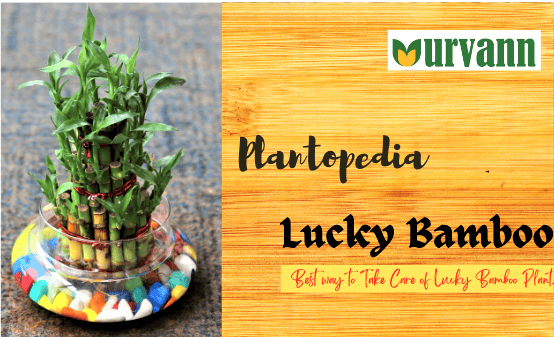
If you want to bring a touch of nature and good fortune into your home, lucky bamboo is a perfect choice. It’s easy to care for, looks beautiful, and is believed to bring positive energy.
But how do you make sure your lucky bamboo stays healthy and vibrant? You’ll discover simple, effective tips that anyone can follow to keep your lucky bamboo thriving. Whether you’re new to plants or just want to improve your care routine, these easy steps will help you enjoy the beauty and benefits of lucky bamboo for a long time.
Keep reading to unlock the secrets to happy, healthy lucky bamboo right in your home.
Choosing The Right Lucky Bamboo
Lucky bamboo is a popular plant for homes. It adds green beauty and positive energy. Choosing the right lucky bamboo helps it grow well.
Look for healthy stalks, good sizes, and common varieties. This guide helps you pick the best one for your home.
Selecting Healthy Stalks
Healthy stalks are firm and bright green. Avoid stalks with yellow or brown spots. Check that the leaves look fresh and strong.
- Choose stalks without soft or mushy areas
- Look for vibrant leaf tips
- Make sure the stalks stand straight
- Avoid signs of mold or rot
Ideal Sizes For Home
Lucky bamboo grows in many sizes. Small to medium stalks fit well in most rooms. Large stalks need more space and care.
| Size | Height Range | Best for |
|---|---|---|
| Small | 6 to 10 inches | Desks, shelves, small tables |
| Medium | 10 to 18 inches | Living rooms, offices |
| Large | 18 to 30 inches | Floor pots, spacious areas |
Common Varieties
There are a few popular lucky bamboo types. Each has unique shapes and leaf patterns. Choose one that fits your style.
- Straight stalks: Simple and classic look
- Spiral stalks: Twisted shape adds style
- Braided stalks: Multiple stalks woven together
- Curved stalks: Gentle bends for a natural feel
Best Placement For Lucky Bamboo
Lucky bamboo is a popular plant that brings beauty and good energy to your home. Choosing the right spot helps it grow healthy and strong.
Finding the best place for your lucky bamboo is easy if you know its needs. Light, temperature, and sunlight affect its health.
Light Requirements
Lucky bamboo prefers bright, indirect light. It can live in low light but grows slower. Avoid very dark rooms for best results.
Too much direct light can burn the leaves. Place it near a window with filtered light or use curtains to soften the sun rays.
Avoiding Direct Sunlight
Direct sunlight can cause yellow or brown leaf tips. Keep lucky bamboo away from strong afternoon sun or south-facing windows.
- Use sheer curtains to reduce direct sunlight
- Place the plant a few feet away from windows
- Rotate the plant to avoid sunburn on one side
Temperature Preferences
Lucky bamboo grows well in normal room temperatures. Keep it between 65°F and 90°F (18°C to 32°C) for healthy growth.
Do not place the plant near cold drafts or heating vents. Sudden temperature changes can stress the plant and cause leaf damage.
Watering Tips
Keeping lucky bamboo healthy depends a lot on watering. Proper water care helps the plant grow strong and live long.
Learn how to use the right water, how often to change it, and how to spot watering problems.
Water Quality To Use
Lucky bamboo does best with clean, fresh water. Tap water can have chemicals that may harm the plant.
- Use filtered or distilled water if possible.
- Let tap water sit for 24 hours to let chemicals evaporate.
- Avoid hard water with many minerals.
- Keep water at room temperature to avoid shock.
Frequency Of Water Changes
Changing the water regularly keeps it fresh and prevents bacteria growth. This is very important for healthy bamboo.
| Condition | Water Change Frequency |
| Lucky bamboo in water only | Change water every 7 to 10 days |
| Lucky bamboo in soil with water | Water soil once a week, change water if vase is used |
| Warm climate or direct sun | Change water every 5 to 7 days |
| Cooler, shaded areas | Change water every 10 to 14 days |
Signs Of Overwatering And Underwatering
Too much or too little water can harm lucky bamboo. Watch for these signs to keep your plant safe.
- Overwatering:Yellow leaves, soft stems, or a bad smell from the water.
- Underwatering:Dry, brown leaf tips, slow growth, or wilting stems.
- Check roots for rot if the plant looks unhealthy.
- Adjust water amount based on these signs to keep bamboo healthy.
Soil And Potting Options
Lucky bamboo can grow well in soil or water. Picking the right pot and adding nutrients helps it thrive.
This guide explains how to choose between soil and water, the best containers, and how to add nutrients.
Using Soil Vs. Water
Lucky bamboo grows in water or soil. Each method has benefits and needs different care.
- Water:Use clean water and change it every two weeks.
- Soil:Use well-draining soil to prevent root rot.
- Soil keeps the plant stable and may grow faster.
- Water is simpler and shows root health clearly.
Choosing The Right Container
| Type | Benefits | Notes |
| Glass Vase | Shows roots, easy to clean | Change water often to avoid algae |
| Ceramic Pot | Good for soil, stable | Make sure it has drainage holes |
| Plastic Pot | Lightweight, affordable | Needs drainage holes for soil use |
| Decorative Container | Looks nice, fits home style | Use a liner if no drainage |
Adding Nutrients
Lucky bamboo needs nutrients to grow strong. Water and soil need different feeding methods.
- Use liquid fertilizer made for lucky bamboo or houseplants.
- Add fertilizer to water every month in small amounts.
- Mix slow-release fertilizer into soil when planting.
- Do not overfeed; too much fertilizer can harm the plant.
Fertilizing Lucky Bamboo
Lucky bamboo is a simple plant to care for, but it needs nutrients to grow well. Fertilizing helps keep the plant healthy and green.
Using the right fertilizer in the right way is important. This guide explains how to fertilize lucky bamboo properly.
Types Of Fertilizers
Lucky bamboo grows best with mild fertilizers. Avoid strong chemicals that can hurt the plant.
- Liquid fertilizers made for houseplants
- Balanced fertilizers with equal N-P-K values
- Special fertilizers for bamboo or water plants
Use fertilizers diluted to half strength to avoid burning the roots.
How Often To Fertilize
Feed lucky bamboo only a little at a time. Too much fertilizer can harm the plant.
- Fertilize once a month during spring and summer
- Reduce or stop fertilizing in fall and winter
- Use very diluted fertilizer to avoid buildup
Always watch your plant for signs of overfeeding, like yellow leaves.
Natural Alternatives
You can use natural options instead of chemical fertilizers. These are gentle and safe for lucky bamboo.
- Water from boiled eggs (cool before use)
- Weak compost tea
- Liquid seaweed or fish emulsion diluted in water
- Used aquarium water (without chemicals)
These natural fertilizers supply nutrients slowly and help the plant grow steady and strong.
Pruning And Maintenance
Lucky bamboo is a popular plant for homes. It is easy to care for and looks great. Regular pruning and maintenance keep it healthy and attractive.
Taking care of your lucky bamboo involves a few simple steps. These include trimming, removing dead leaves, and encouraging growth.
Trimming Techniques
Trim your lucky bamboo to keep it in shape. Use clean, sharp scissors. Cut just above a node to promote new growth.
Do not cut more than one-third of the stalk at a time. This prevents stress on the plant.
- Identify the node where you want new growth.
- Use sharp scissors for a clean cut.
- Trim during the growing season.
Removing Dead Leaves
Dead leaves can harm your bamboo's health. Remove them to keep the plant healthy. Gently pull off dead leaves by hand.
If leaves are stubborn, use scissors. Be careful not to damage the stalks.
- Check for yellow or brown leaves.
- Remove leaves that fall off easily.
- Use scissors if needed for tough leaves.
Encouraging Growth
Encourage your bamboo to grow with proper care. Provide enough light, but avoid direct sunlight. Change the water every two weeks.
Fertilize every couple of months with a weak liquid fertilizer. This helps your plant grow strong and healthy.
- Place in bright, indirect light.
- Change water regularly to keep it clean.
- Use liquid fertilizer sparingly.
Common Problems And Solutions
Lucky bamboo is a popular houseplant known for its easy care. Yet, it can face a few issues at home. Here, we discuss common problems and offer solutions.
Understanding these problems helps in maintaining a healthy plant. Let's explore ways to keep your lucky bamboo thriving.
Yellowing Leaves
Yellowing leaves can be a sign of overwatering or too much sunlight. Check the plant's location and water levels.
Place the plant in indirect light. Ensure water covers the roots but not too high.
- Reduce sunlight exposure
- Adjust water levels
- Use distilled or rainwater
Root Rot
Root rot occurs from poor drainage or stagnant water. It causes the roots to decay.
Change the water regularly. Use a clean container to avoid bacteria buildup.
- Refresh water every week
- Use a well-draining pot
- Trim rotting roots
Pest Control
Pests like aphids and mites can harm lucky bamboo. They feed on the leaves and stems.
Inspect the plant regularly for pests. Use natural insecticides or rinse with water to remove them.
- Check for pests weekly
- Apply neem oil if needed
- Rinse leaves under water

Propagation Methods
Lucky bamboo is easy to grow at home. You can multiply your plant using simple methods. Propagation helps you get new plants from an existing one.
There are three main ways to propagate lucky bamboo: cutting techniques, rooting in water, and transplanting young plants. Each method needs care and attention.
Cutting Techniques
Choose a healthy lucky bamboo stalk for cutting. Use a clean, sharp knife or scissors. Cut a piece that is about 4-6 inches long. Make sure the cutting has at least two nodes.
- Cut just below a node
- Remove leaves from the lower part
- Keep the top leaves intact
- Use a sterilized tool to avoid infection
Rooting In Water
Place the cutting in a container filled with clean water. Make sure the nodes are submerged. Change the water every week to keep it fresh. Roots will start to grow within a few weeks.
| Time in Water | Root Length | Care Tips |
| 1 week | Small root buds | Keep water clean |
| 2-3 weeks | 1-2 inches | Place in indirect light |
| 4 weeks | 3+ inches | Ready to transplant |
Transplanting Young Plants
After roots grow, move the young plant to soil or a new water container. Use well-drained soil if planting in soil. Keep the soil moist but not wet. If using water, add water fertilizer occasionally.
- Choose a pot with drainage holes
- Use fresh potting soil or clean water
- Place in a spot with indirect sunlight
- Water regularly to keep roots healthy
Enhancing Lucky Bamboo’s Aesthetic
Lucky Bamboo is a popular houseplant that adds a touch of green to any room. Its simple shape and bright color make it easy to decorate with. Enhancing its look can make your space feel fresh and lively.
There are many ways to improve how Lucky Bamboo looks at home. Using the right containers, arranging the stalks well, and mixing it with other plants can create an eye-catching display.
Decorative Containers
Choosing the right container for your Lucky Bamboo can change its whole appearance. Clear glass containers show the roots and water, adding a modern feel. Colored pots or ceramic vases can match your room’s style.
- Use glass jars filled with stones or marbles
- Pick ceramic pots with bright or neutral colors
- Try bamboo or wooden containers for a natural look
- Add LED lights under transparent containers for a glowing effect
Arranging Multiple Stalks
Grouping several Lucky Bamboo stalks can create a fuller and more interesting look. Different numbers and heights make the arrangement unique. You can twist or braid the stalks for a creative style.
| Number of Stalks | Meaning | Arrangement Idea |
|---|---|---|
| 2 | Love and Partnership | Place close together in a small container |
| 3 | Happiness, Wealth, Longevity | Arrange in a triangle shape |
| 5 | Health and Balance | Use staggered heights for a natural look |
| 8 | Growth and Prosperity | Braid stalks for a unique design |
Combining With Other Plants
Mixing Lucky Bamboo with other plants can add texture and color. Plants with small leaves or soft flowers work well. This combination makes the display more lively and natural.
Try these ideas for mixing Lucky Bamboo with other plants:
- Pair with small ferns for a leafy green look
- Add colorful succulents around the base
- Use air plants hanging near the bamboo stalks
- Combine with moss to cover the soil or container bottom

Frequently Asked Questions
How Often Should I Water Lucky Bamboo At Home?
Water lucky bamboo every 1-2 weeks. Keep roots covered in water. Use filtered or distilled water to avoid chlorine damage. Refresh water regularly to prevent stagnation and root rot.
What Is The Ideal Light For Lucky Bamboo Indoors?
Lucky bamboo thrives in bright, indirect light. Avoid direct sunlight, which can scorch leaves. Low light is acceptable but slows growth. Place near windows with filtered sunlight for best results.
Can Lucky Bamboo Grow In Soil Instead Of Water?
Yes, lucky bamboo can grow in soil. Use well-draining potting mix to avoid root rot. Keep soil moist but not waterlogged. Growing in soil may require more frequent watering than water-grown plants.
How Do I Prevent Yellow Leaves On Lucky Bamboo?
Yellow leaves indicate overwatering, too much light, or poor water quality. Use filtered water and avoid direct sun. Trim yellow leaves to encourage healthy growth. Maintain consistent care to prevent further discoloration.
Conclusion
Keeping lucky bamboo healthy at home is simple and rewarding. Give it clean water and a bright spot without direct sun. Trim yellow leaves and change water weekly. Watch your plant grow and bring positive vibes. Small care steps make a big difference.
Enjoy the calm and fresh feeling lucky bamboo brings to your space. Easy to care for, it fits well in any home. Start today, and see your lucky bamboo thrive.