Are you looking to bring a touch of nature into your home with a bamboo plant? Keeping bamboo healthy and vibrant indoors might seem tricky, but it doesn’t have to be.
You’ll discover simple, effective tips that make caring for your bamboo easy and rewarding. Imagine having a fresh, green centerpiece that not only brightens your space but also boosts your mood. Keep reading, and you’ll learn exactly how to keep your bamboo plant thriving every day.
Choosing The Right Bamboo
Keeping a bamboo plant at home is a great way to add green life. Picking the right bamboo helps it grow well indoors.
Some types of bamboo are better suited for indoor spaces. You also need to find healthy plants to start with.
Types Suitable For Indoors
Not all bamboo plants grow well inside. Some types handle low light and small pots better.
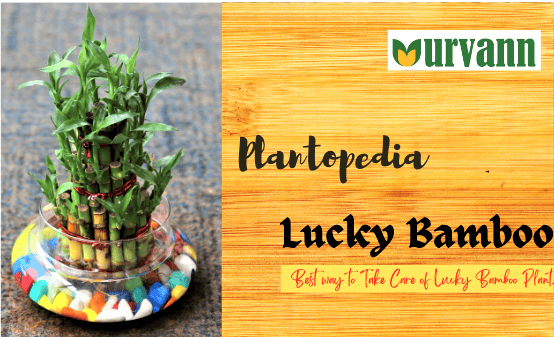
- Lucky Bamboo (Dracaena sanderiana) grows well in water or soil.
- Dwarf Buddha Bamboo (Bambusa multiplex 'Alphonse Karr') is compact and easy to manage.
- Hedge Bamboo (Bambusa multiplex) can fit in large pots and indoor spaces.
- Green Stripe Bamboo (Phyllostachys aureosulcata) is hardy and decorative indoors.
Choose a type that matches your home's light and space. Smaller types need less room and care.
Selecting Healthy Plants
Look for bamboo with strong green leaves and firm stems. Avoid plants with yellow or brown leaves.
Check the roots if possible. Healthy roots are white and spread well in the pot.
- Pick plants with no signs of pests or disease.
- Choose bamboo with upright, firm stalks.
- Make sure the plant is not too dry or too wet.
- Buy from a trusted nursery or garden center.
Ideal Placement In Your Home
Keeping a bamboo plant at home adds a touch of green and freshness. Choosing the right spot helps it grow well and stay healthy.
Placement affects how much light and warmth your bamboo receives. This guide explains the best conditions for your plant.
Lighting Needs
Bamboo plants like bright, indirect light. Too much direct sunlight can burn the leaves.
Place your bamboo near a window with filtered light or in a room that gets soft daylight.
- Avoid direct sun for long hours
- East or north-facing windows work well
- Use sheer curtains to soften strong light
Temperature Preferences
Bamboo grows best in moderate temperatures. Keep it away from drafts and cold spots.
Ideal temperatures are between 65°F and 80°F (18°C to 27°C). Avoid sudden changes in temperature.
- Keep plant away from air conditioners and heaters
- Do not place near doors that open to cold air
- Maintain a stable room temperature for best growth
Watering Techniques
Keeping your bamboo plant healthy starts with proper watering. Knowing how often and how much to water is key. Too little water can dry the plant. Too much can cause root problems.
Let’s look at important tips for watering your bamboo plant. Focus on frequency, amount, and avoiding overwatering.
Frequency And Amount
Bamboo plants need regular watering but not too often. The frequency depends on the season and the environment. In warm months, water more often. In cooler months, reduce watering.
- Check soil moisture before watering.
- Water the plant when the top inch of soil feels dry.
- Use enough water to moisten the soil deeply.
- Avoid letting the soil stay soggy or too dry.
- Indoor bamboo usually needs watering once a week.
Avoiding Overwatering
Too much water can cause root rot and kill your bamboo. Watch for signs like yellow leaves or a bad smell from the soil. Proper drainage helps prevent overwatering problems.
| Signs of Overwatering | What to Do |
| Yellow leaves | Cut back on watering |
| Soft or mushy stems | Check drainage and dry soil |
| Foul smell from soil | Repot with fresh soil |
| Soil always wet | Water less frequently |
Soil And Potting Tips
Keeping a bamboo plant at home needs the right soil and pot. Good soil helps the plant grow strong. The pot must hold the soil well and drain water.
Choosing the right soil and pot keeps your bamboo healthy and happy. Learn simple tips for the best soil mix and pot selection.
Best Soil Mix
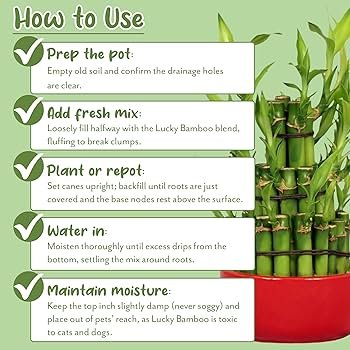
Bamboo plants like soil that holds moisture but drains water well. Use a mix that keeps roots wet but not soggy. Good soil helps roots breathe and grow.
A mix of garden soil, sand, and compost works best. It keeps soil loose and full of nutrients.
- Use 40% garden soil for nutrients
- Add 30% sand for drainage
- Mix in 30% compost for moisture and nutrients
- Check soil pH; bamboo prefers slightly acidic to neutral (6.0-7.0)
Choosing The Right Pot
Pick a pot that lets water drain easily. Bamboo roots do not like to sit in water. A pot with drainage holes is best.
Choose a pot size that fits your bamboo. It should allow roots to grow but not be too big. A bigger pot holds more soil and water, but may cause root problems.
- Use pots with drainage holes at the bottom
- Select a pot 2-3 inches wider than the bamboo root ball
- Clay or terracotta pots are good for air flow
- Plastic pots keep moisture longer but need good drainage
Fertilizing For Growth
Bamboo plants need proper nutrients to grow strong and healthy. Fertilizing helps supply these nutrients to the soil.
Choosing the right fertilizer and feeding your bamboo on time supports fast growth and vibrant green leaves.
Types Of Fertilizers
Different fertilizers give different nutrients. Nitrogen helps leaves grow, phosphorus supports roots, and potassium improves overall health.
- Nitrogen-rich fertilizers: promote green leaves and new shoots.
- Phosphorus-based fertilizers: strengthen roots and help new growth.
- Potassium fertilizers: increase resistance to pests and disease.
- Organic fertilizers: such as compost or manure, improve soil quality slowly.
- Balanced NPK fertilizers: contain nitrogen, phosphorus, and potassium in equal amounts.
Feeding Schedule
Regular feeding keeps bamboo plants healthy. Start fertilizing in spring when growth begins and stop in late fall.
| Season | Fertilizing Frequency | Notes |
| Spring | Every 2 weeks | Use nitrogen-rich fertilizer |
| Summer | Monthly | Apply balanced NPK fertilizer |
| Fall | Once | Use organic fertilizer for slow release |
| Winter | None | Plant rests, no feeding needed |

Pruning And Maintenance
Keeping a bamboo plant at home requires regular pruning and maintenance. Proper care ensures healthy growth and enhances the plant's appearance.
Learn how to trim dead leaves and shape your bamboo for optimal health and beauty.
Trimming Dead Leaves
Dead leaves can make your bamboo look untidy. Removing them helps the plant thrive.
Use clean scissors to avoid spreading disease.
- Inspect your bamboo for brown or yellow leaves.
- Cut leaves at the base, near the stalk.
- Dispose of trimmed leaves properly to prevent pest infestation.
Shaping Your Bamboo
Shaping bamboo encourages growth and maintains its structure. You can guide your bamboo to achieve the desired look.
Consider using stakes to support the bamboo stalks. This helps in preventing drooping.
| Tool | Use |
| Pruning Shears | Trimming leaves |
| Stakes | Supporting stalks |
| Ties | Securing stalks |
Pest And Disease Control
Bamboo plants are beautiful and easy to maintain. Yet, they can face pests and diseases. Keeping your bamboo healthy is crucial for its growth.
Knowing common issues and remedies helps in maintaining a thriving bamboo plant at home.
Common Issues
Bamboo plants often face challenges from pests and diseases. Recognizing these issues early can save your plant.
- Yellowing leaves
- Sticky residue on leaves
- Brown tips
- Spider mites
- Fungal infections
Natural Remedies
Natural remedies are safe for your bamboo and the environment. They help in managing pests and diseases effectively.
Soap and Water Solution
Mix mild soap with water. Spray on leaves to remove pests.
Using natural remedies protects your bamboo from chemical harm.
| Remedy | Effectiveness |
| Neem Oil | High |
| Garlic Spray | Medium |
| Baking Soda | Low |

Propagating Bamboo At Home
Bamboo is a fast-growing plant that you can easily grow at home. Propagating bamboo lets you make new plants from an existing one.
Growing bamboo at home is fun and helps you add green beauty indoors or outdoors.
Methods For Propagation
You can propagate bamboo by using cuttings or by dividing the roots. Both ways work well if done carefully.
- Cane Cuttings:Cut a healthy bamboo cane into sections with at least two nodes. Plant these cuttings in moist soil.
- Root Division:Dig up a clump of bamboo and separate the rhizomes. Replant the separated parts in new pots or ground.
- Layering:Bend a low bamboo branch to the soil and cover it with dirt. Roots will form where the branch touches the soil.
Caring For New Plants
New bamboo plants need gentle care to grow strong. Keep the soil moist and avoid too much sun at first.
Watch for pests and give the plants space to grow. Feeding them with a mild fertilizer helps growth.
- Water new plants regularly but do not flood the soil.
- Place them in a shaded spot to avoid direct sun.
- Use loose, well-drained soil for planting.
- Feed plants with diluted liquid fertilizer every few weeks.
- Check plants for bugs and remove any dead leaves.
Frequently Asked Questions
How Often Should I Water My Bamboo Plant?
Water your bamboo plant every 7 to 10 days. Keep the soil moist but not soggy. Adjust watering frequency in dry or hot weather to prevent drying out.
What Type Of Light Does Bamboo Plant Need?
Bamboo plants thrive in indirect sunlight. Avoid direct, harsh sunlight to prevent leaf burn. Place your bamboo near a bright window with filtered light.
How Do I Fertilize My Bamboo Plant At Home?
Use a balanced liquid fertilizer every 4-6 weeks. Dilute the fertilizer to half strength and apply during the growing season for best results.
Can Bamboo Plants Grow In Water Alone?
Yes, bamboo can grow in water with proper care. Change the water weekly and add fertilizer occasionally to keep roots healthy.
Conclusion
Taking care of a bamboo plant at home is simple and rewarding. Give it enough light but not direct sun. Water it regularly, keeping the soil moist. Trim the leaves to keep it neat. Bamboo brings calm and a fresh look to your space.
Small steps help the plant grow strong and healthy. Enjoy the green beauty and peace it adds to your home. Keep these tips in mind for lasting results. Your bamboo will thrive with a little care every day.