Looking to add a splash of personality and warmth to your space? Hanging a tapestry on your wall is one of the easiest and most creative ways to transform any room instantly.
But how do you make sure it looks perfect and stays securely in place? Whether you want a bold centerpiece or a cozy backdrop, this guide will show you simple, effective ways to hang your tapestry without damage or hassle.
Keep reading—you’re just a few steps away from turning your walls into a stunning work of art.
Choosing The Right Tapestry
Picking the right tapestry is important before hanging it on your wall. The right choice makes your room look better and feel cozy.
Consider size, material, design, color, and the room where you want to hang it. These factors help you find the best tapestry.
Size And Material
Size matters to fit your wall space well. A tapestry too big or too small can look odd. Measure your wall before choosing.
Material affects the tapestry's look and how you hang it. Lightweight fabrics are easier to hang and move. Thick materials last longer but need stronger hooks.
- Small tapestries suit small walls or spaces.
- Large tapestries fill big walls and create a focal point.
- Cotton or polyester are common and easy to care for.
- Wool or heavy fabrics add texture but need sturdy support.
Design And Color
Design and color set the mood of your room. Choose patterns and colors that match your style and existing decor.
Bright colors add energy. Soft colors create calm. Bold patterns draw attention. Simple designs blend with many styles.
- Floral or nature themes for a fresh look.
- Geometric patterns for modern style.
- Neutral colors for a calm, balanced space.
- Vibrant colors to make the room lively.
Room Compatibility
Think about the room where you will hang the tapestry. Different rooms need different styles and sizes.
Living rooms can handle larger, eye-catching tapestries. Bedrooms suit soft colors and relaxing patterns. Kids’ rooms can have fun and bright designs.
- Living room: large, bold tapestries.
- Bedroom: calming colors and soft fabrics.
- Office: simple designs for focus.
- Kids’ room: playful and colorful patterns.

Credit: www.youtube.com
Preparing Your Wall
Before hanging your tapestry, get your wall ready. A clean and smooth wall helps the tapestry look its best.
Check the wall type and mark where you want to hang the tapestry. These steps make the process easier.
Cleaning The Surface
Clean the wall to remove dust and dirt. Use a damp cloth or sponge with mild soap. Let the wall dry completely before hanging.
Checking Wall Type
| Wall Type | Best Hanging Method |
| Drywall | Use anchors or nails |
| Brick or Concrete | Use masonry hooks or screws with plugs |
| Wood | Use nails or screws directly |
| Plaster | Use anchors and be gentle |
Knowing your wall type helps you pick the right tools. This keeps your tapestry safe and the wall undamaged.
Measuring And Marking
Measure the wall space where the tapestry will hang. Mark the spots for hooks or nails with a pencil.
- Use a tape measure for accuracy
- Mark the top corners of the tapestry
- Check the marks are level using a level tool
- Adjust the marks if needed before hanging
Selecting Hanging Tools
Choosing the right tool is important to hang a tapestry safely. The weight and wall type affect your choice.
This guide explains popular hanging tools and their uses for tapestries.
Tacks And Push Pins
Tacks and push pins are easy to use and work well for lightweight tapestries. They leave small holes and are good for drywall or cork surfaces.
- Best for light tapestries
- Simple to install
- May leave tiny holes
- Not ideal for heavy or thick fabrics
Command Strips
Command strips stick to walls without nails. They hold moderate weight and remove cleanly. Use strips rated for your tapestry’s weight.
- Damage-free hanging
- Good for renters
- Check weight limits
- May fail in humid areas
Rod And Clips
Rods with clips allow easy hanging and removal. They support heavier tapestries and add a decorative touch.
| Feature | Benefit |
| Rod material | Wood or metal options |
| Clips | Hold fabric without damage |
| Weight support | Good for heavy tapestries |
| Installation | Requires wall anchors |
Velcro Strips
Velcro strips attach fabric to walls securely. They work well for medium-weight tapestries and allow easy removal.
- Strong hold
- Easy to align
- Can damage paint when removed
- Choose strips rated for tapestry weight

Credit: www.reddit.com
Step-by-step Hanging Process
Hanging a tapestry on the wall can change the look of a room quickly. It is important to do it carefully. This guide will help you hang your tapestry with ease.
Follow these clear steps to make sure your tapestry stays secure and looks great. You will learn how to position, attach, secure, and adjust your tapestry.
Positioning The Tapestry
Choose the best spot on your wall before hanging. Consider the height and width to fit your space. Make sure the area is clean and free of dust.
- Measure the wall space where you want to hang the tapestry.
- Hold the tapestry up to check the placement.
- Mark the top corners lightly with a pencil.
- Ensure the tapestry is level and centered.
Attaching Hanging Materials
Select the right materials to hang your tapestry safely. Common options include nails, hooks, or adhesive strips. Use materials that suit your wall type and tapestry weight.
| Material | Best For | Notes |
| Nails | Drywall or wood walls | Strong hold, may leave holes |
| Adhesive strips | Painted walls | Easy to remove, less damage |
| Hooks | Brick or plaster walls | Can support heavy tapestries |
Securing The Tapestry
Use the chosen materials to attach the tapestry firmly. Check that it hangs straight and does not slip. If your tapestry has loops or a rod pocket, use those to help secure it.
Tips for securing your tapestry:
- Use a level tool to keep the tapestry straight.
- Place support points evenly across the top edge.
- Double-check that fasteners are tight and stable.
- Consider adding a rod for heavy or large tapestries.
Adjusting For Perfect Display
After hanging, step back and look at your tapestry. Smooth out any wrinkles or folds. Adjust the height or angle if needed to improve the view.
- Use your hands to flatten folds gently.
- Shift the tapestry slightly left or right if off-center.
- Check lighting to make sure the colors show well.
- Re-tighten fasteners after adjustments.
Maintaining Your Tapestry Display
Keeping your tapestry clean and safe helps it look good for years. Proper care stops wear and damage on the fabric.
Follow simple tips to keep your tapestry fresh and bright on your wall. Regular attention makes a big difference.
Cleaning Tips
Dust your tapestry often using a soft brush or vacuum with a low suction setting. This removes dirt and particles.
If you need to wash it, check the care label first. Hand wash gently with cold water and mild soap. Avoid harsh chemicals.
- Use a soft cloth or brush to dust weekly
- Spot clean stains quickly with mild soap
- Air dry flat to keep the shape
- Avoid direct sunlight during cleaning
Preventing Damage
Hang your tapestry away from direct sunlight to stop fading. Use strong hooks to hold the weight evenly.
Keep it away from moisture and heat sources. Avoid sharp objects that can snag the fabric or cause tears.
- Use sturdy wall hooks or rods
- Place away from heaters and windows
- Keep pets and sharp objects away
- Check hanging hardware regularly
Seasonal Changes
Rotate or remove your tapestry during humid or very dry seasons. This helps prevent mold and fabric dryness.
Store it rolled or flat in a breathable bag if you take it down. Avoid plastic covers that trap moisture.
- Air out tapestry before storing
- Use breathable fabric bags for storage
- Check for pests or damage seasonally
- Avoid folding to prevent creases
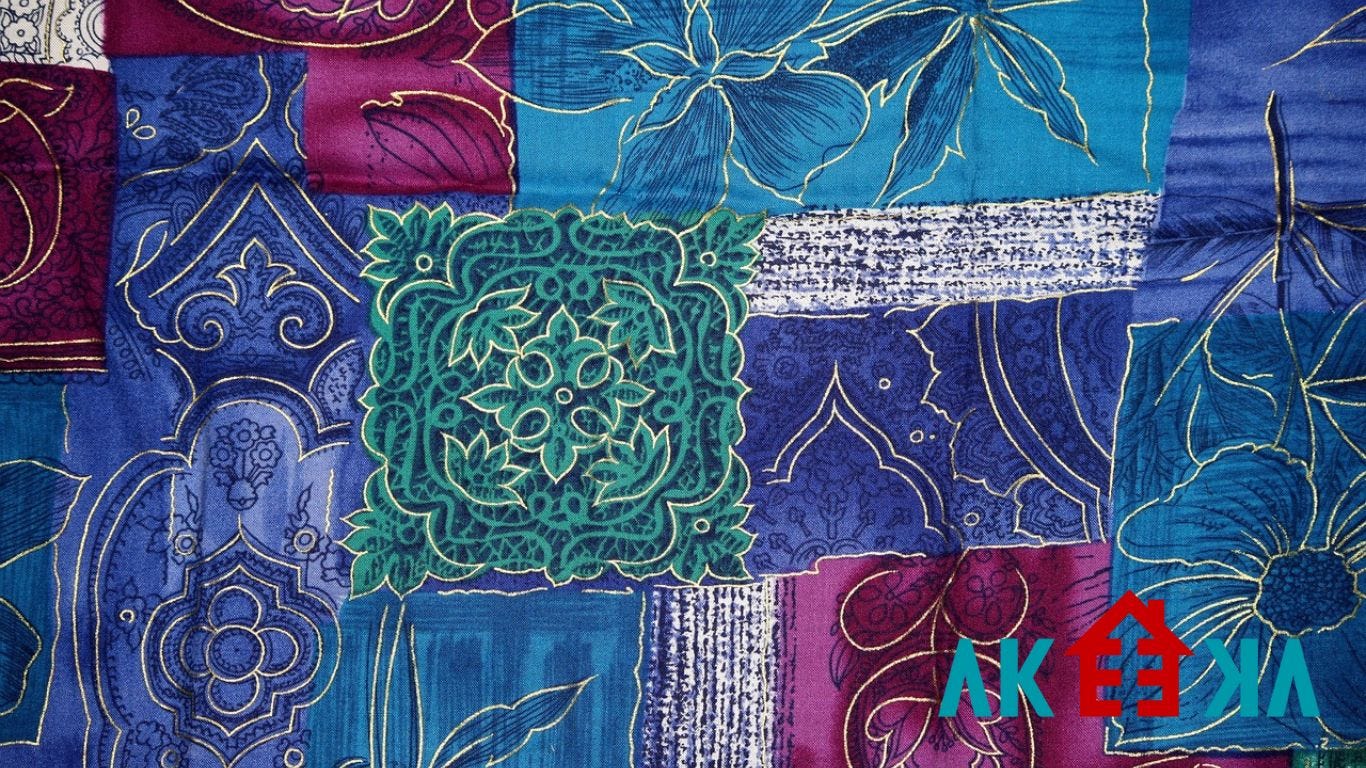
Credit: branamatv.com
Creative Hanging Ideas
Hanging a tapestry can add color and texture to any room. There are many creative ways to display your tapestry on the wall. Let's explore some innovative ideas to elevate your decor.
Layering Tapestries
Layering tapestries can create a rich and dynamic effect. Use different sizes and patterns for a unique look. You can overlap them slightly or hang them side by side.
- Mix small and large tapestries for contrast
- Combine different textures for depth
- Use complementary colors to unify the space
Using Tapestries As Room Dividers
Tapestries can serve as beautiful room dividers. They provide privacy and add an artistic touch. This method is perfect for open spaces.
Consider hanging a tapestry from the ceiling using a rod. This allows you to easily slide the tapestry open or closed, much like a curtain. It is a flexible solution for changing your room's layout.
Incorporating Lighting
Lighting can enhance the beauty of your tapestry. It adds warmth and highlights intricate designs. Position lights carefully to avoid shadows.
| Light Type | Effect |
| Spotlights | Focus on specific areas |
| String Lights | Add a soft glow |
| LED Strips | Create a modern feel |
Frequently Asked Questions
How Do I Hang A Tapestry Without Damaging Walls?
Use adhesive hooks or removable strips to hang tapestries. These options avoid nail holes and wall damage. They hold lightweight fabrics securely and are easy to remove.
What Tools Are Needed To Hang A Tapestry?
You’ll need nails, a hammer, or adhesive hooks. A measuring tape helps position the tapestry evenly. Optional: a wooden dowel or rod for extra support.
Can I Hang A Tapestry On Drywall Safely?
Yes, use drywall anchors or adhesive hooks to hang tapestries safely. Avoid heavy tapestries without proper wall support to prevent damage.
How High Should I Hang A Tapestry On The Wall?
Hang the tapestry at eye level or slightly above. This placement enhances room decor and ensures the tapestry is a focal point.
Conclusion
Hanging a tapestry on your wall adds warmth and style to any room. Choose a method that fits your wall type and tapestry weight. Take your time to measure and align it well. Use the right tools to avoid damage and ensure stability.
Once up, enjoy the new look and cozy feel it brings. Small changes like this can brighten your space easily. Keep experimenting with different tapestries to find what suits you best. Simple steps, great results.