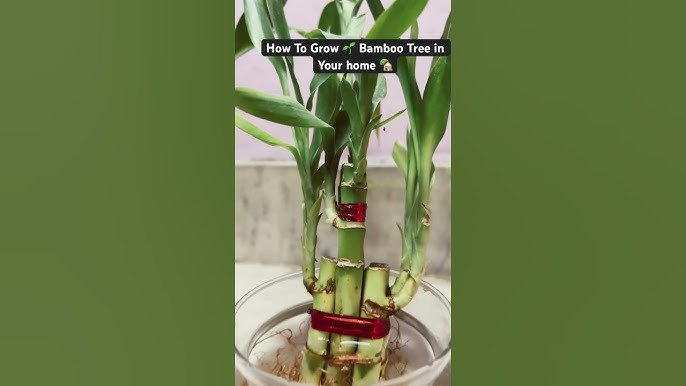
Are you looking to add a touch of green to your home with something unique and easy to care for? Growing a bamboo tree at home might be just what you need.
Bamboo is not only beautiful but also brings a sense of calm and freshness to any space. Imagine having your own little bamboo grove that grows quickly and requires minimal effort. You’ll discover simple, practical steps to grow healthy bamboo right where you live.
Keep reading, and you’ll soon enjoy the soothing presence of bamboo in your home.
Choosing The Right Bamboo
Growing bamboo at home can add beauty and calm to your space. Picking the right bamboo type is very important for success.
Not all bamboo plants grow well indoors or in small gardens. You need to choose types that fit your home environment.
Types Suitable For Home Growth
Some bamboo types stay small and grow well in pots or small yards. These are best for home growing.
Look for clumping bamboo types. They spread slowly and are easier to control than running types.
- Dwarf Buddha Belly Bamboo - grows up to 6 feet, has thick stems
- Fargesia Robusta - shade tolerant, stays under 10 feet
- Golden Goddess Bamboo - bright yellow stems, grows to 8 feet
- Green Stripe Bamboo - thin stems with green and yellow stripes
Selecting Healthy Plants
Choose bamboo plants with strong green leaves and firm stems. Avoid plants with yellow or brown spots.
Check the roots if possible. Healthy roots are white and spread well in the pot or soil.
- Look for new shoots or fresh growth on the plant
- Avoid plants with dry, brittle leaves or weak stems
- Choose plants that are free from pests like mites or aphids
- Pick plants with moist soil but not waterlogged
Ideal Growing Conditions
Growing a bamboo tree at home requires the right conditions. Bamboo can thrive indoors or outdoors with proper care.
Understanding light, soil, temperature, and humidity helps your bamboo grow strong and healthy.
Light Requirements
Bamboo prefers bright, indirect light. Too much direct sunlight can burn its leaves.
Place your bamboo near a window with filtered light or in a shaded outdoor spot.
- Bright, indirect sunlight is best
- Avoid harsh direct sun for long hours
- Low light can slow growth but is tolerable
Soil Preferences
Bamboo grows well in rich, well-draining soil. It needs soil that holds moisture but does not stay soggy.
Use a mix of garden soil, compost, and sand or perlite to improve drainage.
- Rich, fertile soil supports growth
- Good drainage prevents root rot
- Keep soil moist but not waterlogged
Temperature And Humidity
Bamboo prefers warm temperatures between 65°F and 95°F (18°C to 35°C). It does not like frost or freezing conditions.
High humidity helps bamboo grow well. If your home is dry, mist the leaves regularly or use a humidifier.
- Ideal temperature: 65°F to 95°F (18°C to 35°C)
- Protect bamboo from frost and cold drafts
- Maintain moderate to high humidity levels
Planting Bamboo At Home
Bamboo is a fast-growing plant that can brighten your home garden. It needs the right care to grow well indoors or outdoors.
Planting bamboo at home is simple if you follow easy steps. This guide helps you start with potting, ground planting, and spacing.
Potting Tips
Choose a large pot with good drainage holes. Bamboo roots need space to grow and should not sit in water.
- Use well-draining soil mixed with sand and compost
- Water the plant regularly but avoid waterlogging
- Place the pot where the bamboo gets indirect sunlight
- Fertilize monthly during the growing season
Planting In The Ground
Pick a sunny or partially shaded spot with loose, fertile soil. Bamboo grows best in soil that drains well.
Dig a hole twice as wide as the root ball. Place the bamboo plant and fill the hole with soil. Press gently to remove air pockets.
Spacing And Arrangement
| Type of Bamboo | Recommended Space Between Plants |
| Clumping Bamboo | 3 to 5 feet |
| Running Bamboo | 5 to 8 feet |
| Dwarf Bamboo | 2 to 3 feet |
Give bamboo enough space to grow without crowding. This helps air flow and reduces disease risk.

Watering And Feeding
Growing a bamboo tree at home needs the right care with water and food. Proper watering and feeding help bamboo grow strong.
Learn how often to water and what fertilizer to use to keep your bamboo healthy.
Watering Frequency
Bamboo likes moist soil but not wet roots. Water your bamboo regularly to keep soil damp.
Check soil every few days and water when the top feels dry. In hot weather, water more often.
- Water 2-3 times a week in warm weather
- Water once a week in cooler weather
- Reduce watering in winter
Fertilizer Options
Bamboo grows well with fertilizer that has nitrogen. Nitrogen helps leaves grow green and strong.
You can use organic or chemical fertilizers. Feed bamboo every 4-6 weeks during the growing season.
- Use balanced fertilizer like 10-10-10
- Organic options include compost or manure
- Slow-release fertilizer works well
Avoiding Overwatering
Too much water can harm bamboo roots and cause rot. Make sure pots have good drainage.
Only water when soil feels dry on top. Signs of overwatering include yellow leaves and soft stems.
- Check soil moisture before watering
- Use pots with drainage holes
- Remove extra water from saucers
Pruning And Maintenance
Growing bamboo at home needs regular care to keep it healthy. Pruning and maintenance help control its size and shape.
Proper care also stops pests and diseases from harming the bamboo. These tasks keep your bamboo strong and beautiful.
Trimming Techniques
Trim your bamboo to remove dead or weak stems. This lets new shoots grow better and keeps the plant tidy.
Use sharp pruning shears to cut stems near the base. Cut only the yellow or dry parts to avoid damage.
- Cut stems at ground level if they are old or unhealthy
- Trim side shoots to maintain shape
- Remove leaves that turn brown or dry
- Do light trimming during the growing season
Controlling Growth
Bamboo grows fast and can spread quickly. Control its size by cutting back new shoots early.
Use barriers underground to stop roots from spreading too far. This helps keep bamboo in one place.
- Cut back shoots before they grow tall
- Dig a root barrier around the plant
- Thin crowded areas to improve air flow
- Water moderately to avoid overgrowth
Pest And Disease Management
Watch for pests like aphids and mites on your bamboo. These bugs can weaken the plant and cause leaves to yellow.
Keep bamboo clean by removing fallen leaves and debris. This lowers the chance of fungus and disease.
- Inspect plants regularly for pests
- Use insecticidal soap if bugs appear
- Remove diseased stems promptly
- Keep soil well-drained to prevent root rot

Repotting And Propagation
Growing a bamboo tree at home can be rewarding. It requires proper care and attention to thrive. Knowing when and how to repot and propagate is key.
This guide will help you understand the best practices for repotting and propagating bamboo trees.
When To Repot
Bamboo trees grow quickly and may need repotting every 1-2 years. Repot when roots outgrow the current pot or when the soil quality decreases.
- Check the root-bound condition.
- Observe any yellowing leaves.
- Assess soil compaction.
Propagation Methods
Propagation is a way to grow new bamboo plants. You can do this by dividing the root ball or planting cuttings. Each method has its own steps and benefits.
| Method | Steps |
| Root Division | Divide the root ball into sections and plant separately. |
| Cuttings | Cut a healthy stem and plant it in soil. |
Growing New Plants
To grow new bamboo plants, ensure they have enough light and water. These plants prefer well-drained soil and regular care.
- Water regularly but avoid waterlogging.
- Use fertilizer during the growing season.
- Prune to maintain shape and health.
Common Problems And Solutions
Growing bamboo at home is rewarding but may face challenges. Learn how to tackle common bamboo problems.
Identifying and solving issues early can keep your bamboo healthy and thriving.
Yellowing Leaves
Yellowing leaves are a common issue with bamboo plants. It often indicates stress.
Causes include overwatering, underwatering, or lack of nutrients. Adjust care to solve this problem.
- Check soil moisture and adjust watering schedule
- Use balanced fertilizer during growing season
- Ensure pot has proper drainage
Root Rot
Root rot happens when bamboo roots sit in water. It can harm your plant.
To prevent root rot, ensure the pot has drainage holes. Avoid overwatering your bamboo.
- Use well-draining soil
- Let the top inch of soil dry before watering
- Repot if roots are mushy or smell bad
Pest Infestations
Pests like aphids and spider mites can attack bamboo. They weaken the plant.
Inspect your bamboo regularly for signs of pests. Early detection helps manage infestations.
- Spray leaves with water to dislodge pests
- Use insecticidal soap for severe infestations
- Encourage natural predators like ladybugs
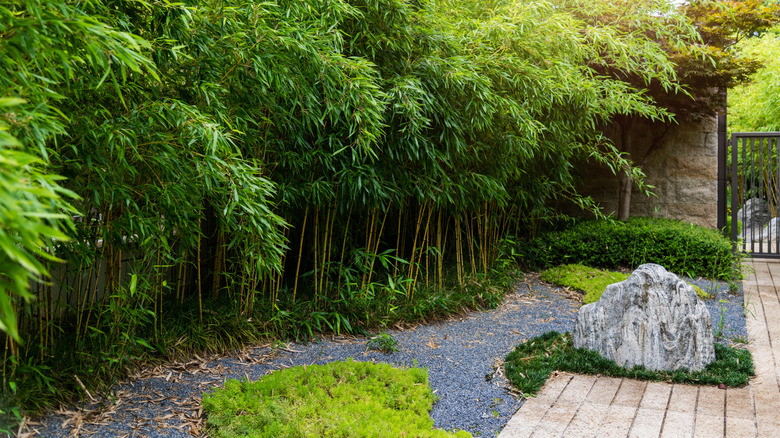
Decorative Uses Of Bamboo
Bamboo is a popular plant for decorating homes. It brings a fresh and natural look.
You can use bamboo in many ways inside and outside your house. It fits well with different styles.
Indoor Styling Ideas
Bamboo adds calm and green vibes to your rooms. It works well in small or large spaces.
- Place bamboo stalks in a tall vase for a simple look.
- Use bamboo pots for your houseplants to add texture.
- Make a bamboo room divider for privacy and style.
- Decorate shelves with small bamboo sculptures or frames.
- Use bamboo blinds to soften sunlight and add warmth.
Outdoor Landscaping Tips
Bamboo is great for gardens and patios. It creates natural privacy and a peaceful space.
| Use | Description | Benefits |
| Privacy Screen | Plant bamboo in rows along fences or property lines. | Blocks noise and neighbors’ views. |
| Garden Accent | Add bamboo clumps near ponds or walkways. | Creates a calming, tropical feel. |
| Windbreak | Grow bamboo on windy sides of your yard. | Protects other plants and outdoor areas. |
| Outdoor Furniture | Use bamboo-made chairs and tables on decks or patios. | Durable and blends with natural surroundings. |
Frequently Asked Questions
How Often Should I Water A Bamboo Tree At Home?
Water bamboo regularly, keeping the soil moist but not soggy. Water more during hot, dry weather and reduce in winter. Proper watering helps bamboo grow healthy and strong indoors.
What Type Of Soil Is Best For Bamboo Growth?
Bamboo thrives in well-draining, loamy soil rich in organic matter. Ensure the soil retains moisture but avoids waterlogging for optimal root health and growth.
Can Bamboo Grow Well Indoors Without Sunlight?
Bamboo needs indirect sunlight to grow indoors. Place it near a bright window with filtered light. Too little light slows growth and weakens the plant.
How Long Does It Take For Bamboo To Grow At Home?
Bamboo grows fast, often several feet in a single growing season. With proper care, you can see noticeable growth within weeks to months.
Conclusion
Growing bamboo at home is simple and rewarding. Choose a good spot with enough light and space. Water your bamboo regularly but avoid overwatering. Use well-drained soil to help roots stay healthy. Watch your bamboo grow tall and green each day.
With patience, your bamboo will thrive and add beauty. Small efforts bring big results in bamboo care. Enjoy the calm and fresh air bamboo creates around you. Start today and see how bamboo changes your home environment.