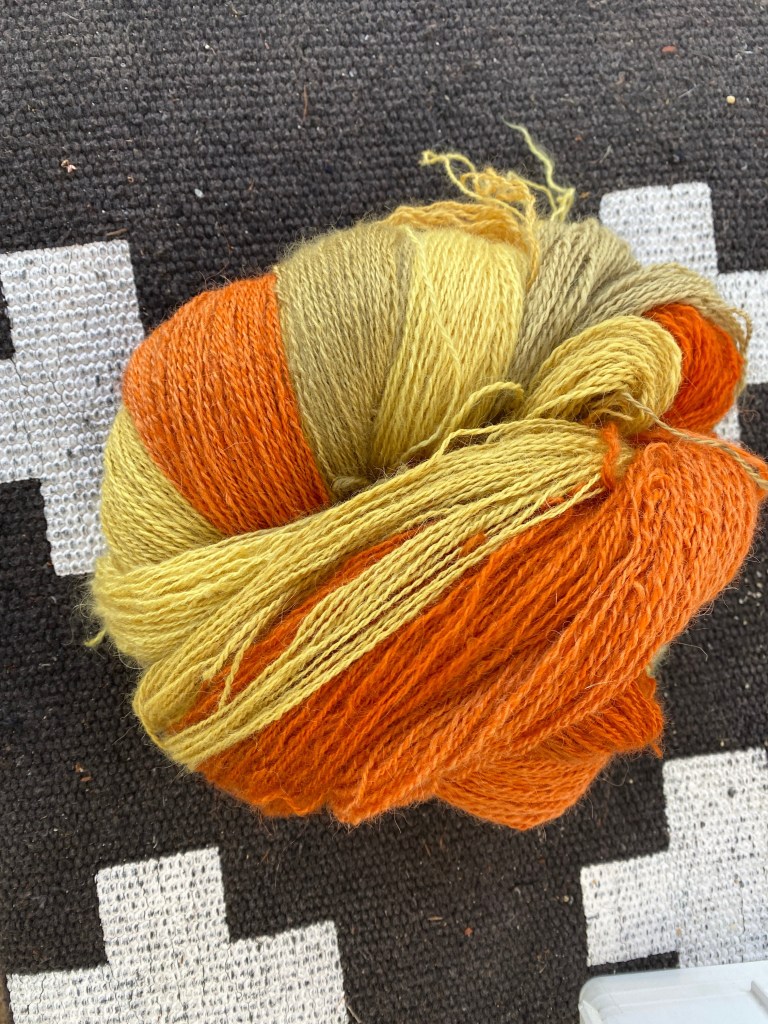
Are you looking to refresh your woolen clothes with vibrant colors without spending a fortune? Dyeing wool at home is easier than you might think, and it gives you full control over the shade and style.
Imagine turning your old sweaters or scarves into brand-new pieces that match your mood and personality perfectly. In this guide, you’ll discover simple steps, expert tips, and safety advice to help you transform your woolen garments quickly and beautifully. Ready to bring your wardrobe back to life?
Keep reading to unlock the secrets of dyeing wool right in your own home.
Choosing The Right Woolen Clothes
Dyeing woolen clothes at home can give your wardrobe a fresh look. Picking the right wool helps the dye work well and last longer.
Some wool types take dye better than others. You also need to check the fabric labels to avoid damage. Preparing clothes properly before dyeing is important too.
Types Of Wool Suitable For Dyeing
Natural wool fibers absorb dye better than synthetic ones. Look for wool that is soft and untreated for the best results.
- Merino wool is fine and takes dye evenly
- Cashmere is soft and dyes well but is expensive
- Alpaca wool can be dyed but may need special care
- Standard sheep wool is common and dyes easily
- Avoid wool blends with too much synthetic fiber
Checking Fabric Labels
Always read the label before dyeing wool clothes. The label shows fiber content and washing instructions.
Some wool items may be machine washable, while others need hand washing. Follow these instructions to protect the fabric.
- Look for 100% wool or high wool content
- Check if the item is labeled "dry clean only"
- Note washing temperature and care symbols
- Avoid clothes with special finishes or coatings
Preparing Clothes For Dyeing
Wash wool clothes before dyeing to remove dirt and oils. Use mild detergent and cold water to keep fibers safe.
Soak the wool evenly in water before adding dye. This helps the color spread smoothly and prevents spots.
- Fill a basin with lukewarm water
- Add a small amount of gentle wool detergent
- Gently wash and rinse the wool item
- Soak the item in clean water before dyeing
- Handle clothes gently to avoid stretching

Selecting The Best Dye
Dyeing woolen clothes at home can be fun and creative. Picking the right dye is very important. The dye affects the color, texture, and durability of the wool.
This guide helps you choose the best dye for your wool. Learn about natural and synthetic dyes, color choices, and where to buy supplies.
Natural Vs Synthetic Dyes
Natural dyes come from plants, insects, and minerals. They give soft, earthy colors. Synthetic dyes are man-made and offer bright, vibrant colors. Both have good and bad points.
- Natural Dyes:Eco-friendly and safe but may fade faster.
- Synthetic Dyes:Long-lasting and color-rich but use chemicals.
- Wool Compatibility:Wool takes both dyes well but needs proper preparation.
Choosing Colors For Wool
Choosing the right color depends on your style and the wool’s original shade. Some colors show better on light wool, while others look richer on dark wool.
| Color Type | Best Wool Color | Notes |
|---|---|---|
| Pastel Colors | Light Wool | Soft and subtle finish |
| Bright Colors | Light or Dark Wool | Use synthetic dyes for vivid colors |
| Earth Tones | Any Wool | Works well with natural dyes |
| Dark Colors | Light Wool | May need multiple dye baths |
Where To Buy Dye Supplies
You can buy wool dye supplies from many places. Look for stores that specialize in fabric or craft materials. Online shops often have a wide selection.
- Craft stores with fabric sections
- Online marketplaces like Etsy or specialty websites
- Local markets selling natural dye materials
- Big-box stores with arts and crafts aisles
Gathering Necessary Materials
Dyeing woolen clothes at home is a fun and creative activity. You need the right materials to get good results.
Gathering all tools and safety items before starting will make the process smooth and safe.
Essential Tools And Equipment
You need some basic tools to dye woolen clothes. These help you handle the dye and the fabric properly.
- Woolen clothes or fabric to dye
- Fabric dye suitable for wool
- Large stainless steel or enamel pot
- Wooden or plastic stirring spoon
- Measuring cups and spoons
- Water source for rinsing and dyeing
- Plastic or rubber gloves
- Plastic table cover or old newspapers
- Thermometer to check water temperature
Safety Gear And Precautions
Safety is important when working with dyes and hot water. Use gear to protect your skin and clothes.
- Wear rubber or plastic gloves to protect hands
- Use an apron or old clothes to avoid stains
- Work in a well-ventilated area to avoid inhaling fumes
- Keep children and pets away from the workspace
- Avoid touching your face while dyeing
- Follow dye instructions carefully
Setting Up Your Workspace
Prepare a clean and organized workspace before dyeing wool. This helps keep everything neat and safe.
Cover surfaces with plastic or newspapers to catch spills. Keep all tools within reach but away from water sources.
- Choose a table or countertop with good lighting
- Cover the area with plastic or old newspapers
- Keep a trash bin nearby for waste
- Have towels or cloths ready for spills
- Arrange all materials and safety gear before starting
- Ensure easy access to water for rinsing
Preparing The Dye Bath
Dyeing woolen clothes at home can be fun and creative. The first step is to prepare the dye bath properly. This ensures the color is even and vibrant.
Follow these steps to set up your dye bath. You will need dye, water, heat, and fixatives.
Measuring Dye And Water
Use the right amounts of dye and water for the best results. Too much dye can make colors too dark. Too little dye can result in faded colors.
Follow the dye package instructions for exact measurements. Typically, you will need one part dye to four parts water.
- Measure dye carefully using a kitchen scale.
- Use a measuring cup for water.
- Mix dye and water in a large pot.
Heating The Dye Solution
Heat helps the dye attach to the wool fibers. Warm the dye solution on the stove before adding the wool.
Keep the solution hot but not boiling. Stir gently to make sure the dye spreads evenly.
- Set the stove to medium heat.
- Use a thermometer to check the temperature.
- Aim for around 140°F (60°C).
Adding Fixatives For Colorfastness
Fixatives help the dye stay in the wool after washing. They make the color last longer.
Add fixatives to the dye bath after heating. Common fixatives include vinegar or salt.
- Use one cup of vinegar or salt per gallon of water.
- Add fixatives slowly and stir well.
- Ensure they dissolve completely before adding wool.
Dyeing Process Step-by-step
Dyeing woolen clothes at home is a fun and creative activity. You can give your garments a fresh, new look with different colors.
Follow these simple steps to dye your woolen clothes effectively. Make sure to prepare all materials before you begin.
Wet The Woolen Garments
Start by soaking your woolen clothes in warm water. This helps the dye absorb evenly across the fabric.
Ensure the garments are completely wet. Gently squeeze out excess water without wringing.
Submerging And Stirring
Place the wet garments into the dye bath. Use a large spoon to submerge them fully.
Stir gently and consistently for even color distribution. This ensures no spots are left undyed.
Timing For Desired Shade
The time you leave the garments in the dye affects the shade. Check the color every few minutes.
For lighter shades, remove them sooner. For darker shades, let them sit longer.
Rinsing And Removing Excess Dye
Once you achieve the desired shade, rinse the garments in cold water. This helps to set the dye.
Continue rinsing until the water runs clear. This step is important to remove any excess dye.
- Gently squeeze out excess water
- Lay flat to dry
- Avoid direct sunlight

Drying And Caring For Dyed Wool
After dyeing woolen clothes, proper drying and care are important. These steps keep the wool soft and the colors bright.
Wool is delicate and needs gentle handling to avoid damage or fading. Follow simple tips for best results.
Proper Drying Techniques
Do not wring out wool after dyeing. Instead, press gently to remove excess water. Wringing can stretch or damage fibers.
Dry wool flat on a clean towel. Avoid hanging, which can cause the garment to lose shape.
- Lay the wool flat on a dry towel
- Roll the towel with the garment inside to absorb water
- Unroll and reshape the wool gently
- Dry in a shaded, well-ventilated area
- Avoid direct sunlight to prevent fading
Washing Dyed Woolen Clothes
Use cold water and mild detergent when washing dyed wool. Hot water can shrink the fabric and fade colors.
Wash wool by hand or use a gentle cycle on the washing machine. Avoid strong agitation to protect the fibers.
- Use cold or lukewarm water only
- Choose wool-friendly or mild detergent
- Wash by hand or on gentle machine cycle
- Do not bleach or use fabric softeners
- Rinse thoroughly to remove all soap
Maintaining Vibrant Colors
Keep dyed wool away from sunlight to keep colors bright. UV rays can cause colors to fade quickly.
Store wool in a cool, dark place. Use breathable bags to prevent moisture buildup and protect the fabric.
- Avoid drying wool in direct sunlight
- Store wool garments in cool, dry areas
- Use breathable cotton bags for storage
- Avoid plastic bags that trap moisture
- Refresh colors by gentle re-dyeing if needed
Troubleshooting Common Issues
Dyeing woolen clothes at home can be fun but tricky. Sometimes problems happen that affect the final look.
Knowing how to fix these common issues helps you get better results each time.
Uneven Dyeing
Uneven dyeing makes some parts of the wool look darker or lighter. This happens if the dye does not spread well.
Make sure to stir the wool gently and often in the dye bath. Wetting the fabric fully before dyeing helps the color soak evenly.
- Use warm water to help dye spread
- Stir wool slowly to avoid tangling
- Pre-soak fabric to open wool fibers
- Avoid crowding too much fabric in one bath
Color Fading
Colors may fade after washing or sunlight exposure. Wool dye can lose brightness over time if not cared for.
Use cold water and mild detergent when washing dyed wool. Keep the fabric away from direct sunlight to keep colors strong.
- Wash in cold water only
- Use gentle, color-safe detergent
- Dry wool in shade, not sun
- Store away from bright light
Fabric Damage Prevention
Wool is delicate and can get damaged by heat or rough handling during dyeing. Avoid harsh conditions to protect fibers.
Use lukewarm water and handle wool gently. Avoid long soaking times and do not wring or twist the fabric.
- Use lukewarm, not hot water
- Gently stir, do not rub or twist
- Limit soaking time to 30 minutes
- Rinse carefully with cool water
Creative Dyeing Techniques
Dyeing woolen clothes at home is a fun way to refresh your wardrobe. You can use different dyeing methods to create unique patterns and colors. These creative techniques help you personalize your wool items easily.
Below are some popular dyeing styles to try. Each one uses simple steps and tools. Choose the method that fits your style and enjoy the process.
Tie-dye For Wool
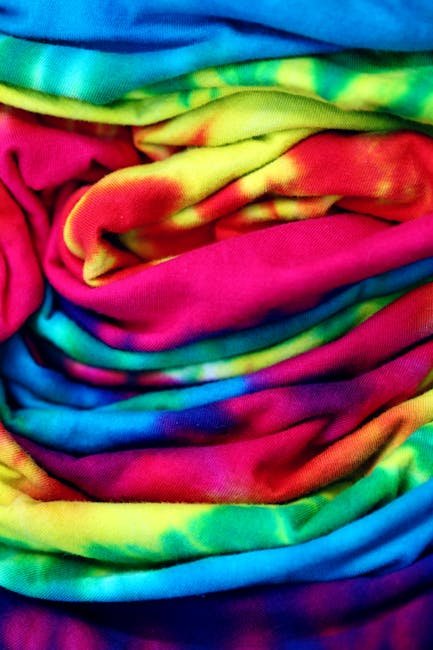
Tie-dye adds interesting patterns by tying sections of wool fabric before dyeing. This method stops dye from reaching certain areas. It creates bold and fun designs.
- Fold or twist the wool fabric in different ways.
- Use rubber bands to secure the folds tightly.
- Apply dye directly on the tied fabric with a brush or spray.
- Let the dye set for several hours before rinsing.
- Remove the ties carefully to reveal patterns.
Ombre And Gradient Effects
Ombre dyeing shows a smooth color change from light to dark. It looks great on wool scarves and sweaters. Creating a gradient needs careful dye placement and timing.
| Step | Action |
| 1 | Prepare dye in a container with a light color. |
| 2 | Dip the wool end into the dye for a short time. |
| 3 | Move the wool slowly deeper into the dye for darker shades. |
| 4 | Hold the wool in the dye longer at the bottom for strong color. |
| 5 | Lift wool carefully and dry flat to keep the gradient smooth. |
Using Multiple Colors
Applying several colors on wool creates lively and bold looks. You can mix colors in spots or stripes. Planning your color choice helps avoid muddy results.
Tips for Multi-Color Dyeing:
- Use colors that blend well, like blue and green.
- Apply colors with separate brushes or sponges.
- Work quickly to prevent colors from mixing too much.
- Test colors on a small wool piece first.
- Rinse gently to keep colors bright and clear.
Frequently Asked Questions
How Do I Prepare Wool For Dyeing At Home?
To prepare wool, wash it gently to remove dirt and oils. Use lukewarm water and mild detergent. Avoid agitation to prevent felting. Soak the wool thoroughly before dyeing for even color absorption.
What Type Of Dye Is Best For Woolen Clothes?
Acid dyes are ideal for wool as they bond well with protein fibers. They provide vibrant, long-lasting colors. Always follow safety instructions and use vinegar or citric acid to fix the dye.
Can I Dye Wool Without Professional Tools?
Yes, you can dye wool at home using basic kitchen tools. Use a pot, stove, and utensils you don’t mind staining. Keep the temperature controlled for even dyeing and avoid wool damage.
How Long Should Wool Soak In Dye Solution?
Soak wool in the dye bath for 30 to 60 minutes. Stir gently to ensure even color. Longer soaking intensifies color but avoid overexposure to prevent fiber damage.
Conclusion
Dyeing woolen clothes at home is simple and fun. You only need a few materials and some patience. Choosing the right dye and following steps carefully brings great results. Wool absorbs color well, making your clothes look fresh and new.
Remember to protect your workspace and wear gloves. Clean your tools after dyeing to keep them ready for next time. Now, enjoy your colorful woolen clothes and try different shades soon. Give your old clothes a new life with easy dyeing at home.