Have you ever finished shaping your clay creation only to wonder how to dry it perfectly at home? Getting your clay to dry just right can feel tricky, but it doesn’t have to be.
Whether you’re working on a small sculpture or a detailed craft, knowing the best ways to dry your clay will save you time and frustration. In this guide, you’ll discover simple, effective methods to dry your clay safely and quickly without damaging your work.
Keep reading, and you’ll learn exactly how to bring your clay projects to life with ease.

Choosing The Right Clay
Drying clay at home requires picking the right type. The clay you choose affects how you dry it and the final result.
This guide explains three common clay types and their drying methods. Learn which one fits your project best.
Air-dry Clay Options
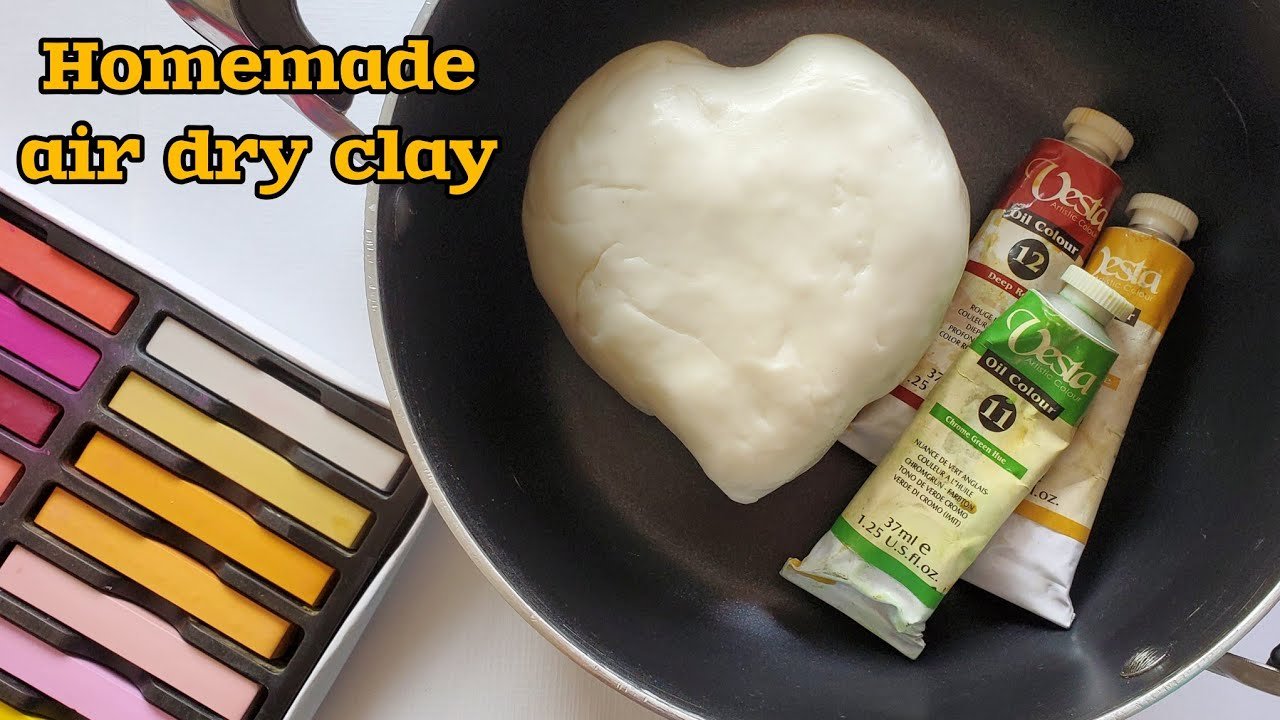
Air-dry clay hardens when left in open air. It needs no oven or kiln, making it easy to use at home.
- Dries naturally in 24 to 72 hours
- Soft and easy to shape
- Good for small crafts and models
- Can crack if dried too fast
- Works best in thin layers
Polymer Clay Varieties
Polymer clay is made of plastic and hardens in an oven. It stays soft until baked.
| Type | Color Range | Drying Method | Best Use |
| Classic | Wide | Bake at 265°F (130°C) | Jewelry, figures |
| Premo | Bright and rich | Bake at 275°F (135°C) | Detailed crafts |
| Fimo Soft | Soft pastels | Bake at 230°F (110°C) | Flexible items |
Natural Clay Types
Natural clay comes from the earth. It needs slow drying and often firing in a kiln.
Natural clays include:
- Earthenware - dries soft, fires at low heat
- Stoneware - stronger, fires at high heat
- Porcelain - smooth, fires at very high heat
These clays need to be dried evenly to avoid cracks. They usually require kiln firing after drying.
Preparing Clay For Drying
Drying clay at home needs careful preparation. This helps the clay dry evenly and stay strong.
Good preparation stops cracks and breaks. Focus on shaping, moisture, and thickness for best results.
Shaping And Smoothing
Shape your clay carefully to remove bumps. Smooth surfaces dry better and look nicer after drying.
- Use your fingers or soft tools to shape the clay.
- Press edges gently to avoid cracks.
- Smooth rough spots with a damp sponge or brush.
- Check for air bubbles and push them out before drying.
Removing Excess Moisture
Too much water slows drying and causes cracking. Remove extra moisture before drying.
| Method | How to Do It | Benefit |
|---|---|---|
| Blotting | Press clay with a paper towel to soak water | Reduces surface water quickly |
| Air Exposure | Leave clay in open air for 10–15 minutes | Lets moisture evaporate evenly |
| Use a Fan | Place a fan nearby to circulate air | Speeds up drying without heat |
Using Thin Layers
Thin clay layers dry faster and with less cracking. Thick pieces take longer and may break.
- Divide large clay pieces into smaller parts.
- Roll or press clay into thin slabs.
- Stack thin layers with paper or cloth between to avoid sticking.
- Check thickness with a ruler; keep under 1 cm if possible.
Air Drying Techniques
Drying clay at home without special tools is simple. Air drying lets your clay harden naturally.
This technique works best with proper care and the right environment. It keeps your clay safe and strong.
Optimal Room Conditions
Choose a dry, warm room for drying clay. Avoid places with high humidity or cold temperatures.
Good air flow helps the clay dry evenly. Keep the clay away from direct sunlight to stop cracking.
- Room temperature around 65-75°F (18-24°C)
- Low humidity below 50%
- Good air circulation but no strong drafts
- Avoid direct sunlight or heat sources
Using Fans For Faster Drying
A fan can speed up the drying process by moving air around the clay. Use a small fan set on low speed.
Place the fan so it blows gently across the clay surface. Do not point the fan directly at the clay.
- Use low-speed fan for gentle airflow
- Keep fan at least 2 feet (60 cm) away
- Rotate clay pieces occasionally for even drying
- Turn off fan if clay starts to dry too fast
Preventing Cracks
Cracks happen when clay dries too fast or unevenly. Slow and steady drying helps stop cracks.
Keep clay thick parts supported and turn pieces regularly. Cover clay lightly with plastic if needed.
- Dry clay at room temperature without heat
- Turn pieces to dry all sides evenly
- Cover with plastic wrap to slow drying if cracks form
- Use smooth surfaces to reduce stress points

Oven Drying Methods
Drying clay at home can be quick and easy using your oven. Oven drying helps the clay harden faster than air drying.
This guide explains how to dry clay in the oven safely and effectively.
Setting The Right Temperature
Set your oven to a low temperature to avoid burning the clay. Most clays dry well between 200°F and 250°F (93°C to 121°C).
Check the clay type instructions if available. Using the correct temperature helps the clay dry evenly and stay strong.
Safe Baking Times
Bake the clay for 15 to 30 minutes per 1/4 inch thickness. Thin pieces take less time; thick pieces need more.
- Small items: 15 minutes
- Medium items: 20-25 minutes
- Thick items: 30 minutes or more
Check the clay after baking. It should feel hard and cool before handling.
Avoiding Overheating
Do not use high heat or bake for too long. Overheating can cause cracks or burn the clay.
Use an oven thermometer to keep the temperature steady. Avoid placing clay near heating elements.
- Keep temperature below 275°F (135°C)
- Do not leave clay unattended while baking
- Allow clay to cool slowly in the oven after baking
Microwave Drying Tips
Drying clay at home is easy with a microwave. This method speeds up the process. Follow these tips to dry clay safely.
Ensure your clay type is suitable for microwave drying. Use short heating intervals to prevent cracking. Monitor the progress to achieve the best results.
Suitable Clay Types
Not all clay types are microwave-friendly. Choose air-dry or polymer clay for this method. These types handle microwave heating well.
- Air-dry clay is lightweight and easy to use.
- Polymer clay retains its shape during drying.
- Avoid traditional pottery clay in microwaves.
Short Interval Heating
Use short heating intervals to prevent overheating. Start with 10 to 15-second bursts. Allow the clay to cool between intervals.
- Set microwave to low or medium power.
- Check the clay after each interval.
- Repeat until the clay is dry.
Monitoring Progress
Keep an eye on the clay as it dries. Look for signs of cracking or uneven drying. Adjust your intervals as needed.
| Signs to Watch | Actions |
| Cracks appearing | Reduce heating time |
| Uneven drying | Rotate clay piece |
| Soft spots | Extend cooling time |

Using A Dehydrator
Drying clay at home can be simple with a dehydrator. This method helps you dry clay evenly and quickly.
Dehydrators provide a controlled environment for drying clay. This ensures the clay maintains its shape and quality.
Dehydrator Settings
Setting the right temperature is key. Most clay dries well at low heat settings. Check your dehydrator’s manual for guidance.
Keep the temperature consistent. Avoid high heat to prevent cracks in the clay.
- Low heat setting: around 95°F (35°C)
- Check clay every hour
- Avoid temperatures over 150°F (65°C)
Layer Placement
Proper layer placement is important. Place clay pieces in a single layer on the dehydrator trays.
Ensure there is space between each piece. This allows air to circulate and dries the clay evenly.
- Single layer placement
- Space between pieces
- Use multiple trays if needed
Drying Duration
The drying time can vary. It depends on the thickness and type of clay. Thin pieces dry faster than thick ones.
Check your clay regularly. It is ready when it feels hard and cool to the touch.
- Thin pieces: 2-4 hours
- Thick pieces: 4-8 hours
- Check every hour for best results
Finishing Touches After Drying
Once your clay is fully dry, you can improve its look and feel. Finishing touches make your project look neat and last longer.
These steps include smoothing rough edges, sealing the surface, and storing the clay properly.
Sanding And Smoothing
Dry clay can have rough spots or bumps. Sanding helps make the surface smooth and even.
Use fine-grit sandpaper to gently sand the clay. Be careful not to press too hard and break it.
- Start with medium grit if needed, then use fine grit for a smooth finish
- Sand in small, circular motions
- Wear a mask to avoid breathing in dust
- Wipe the dust off with a dry cloth after sanding
Sealing And Painting
Sealing protects the clay from moisture and damage. It also helps paint stick better.
Use a clear acrylic sealer for best results. Apply it in thin, even coats and let it dry completely.
- Choose water-based sealers for easy cleanup
- Apply paint after the sealer dries
- Use acrylic paints for bright, lasting colors
- Apply multiple paint layers if needed, letting each dry
Storage Recommendations
Store your dried clay creations in a dry, cool place. Avoid direct sunlight to prevent fading or cracking.
If you need to store unfinished clay, keep it in an airtight container to stop it from drying out.
- Keep finished pieces on a flat surface to avoid warping
- Wrap delicate items in soft cloth for protection
- Check stored clay regularly for any signs of damage
Troubleshooting Common Issues
Drying clay at home can sometimes cause problems. These issues affect the final look and strength of your clay project.
Knowing how to fix common problems will help your clay dry better and last longer.
Cracks And Breaks
Cracks and breaks happen when clay dries too fast or unevenly. This makes the clay weak and fragile.
To avoid this, keep your clay pieces in a cool, dry place. Dry them slowly and evenly.
- Cover clay with plastic to slow drying
- Dry flat pieces on a smooth surface
- Support thin parts to prevent breaks
- Fix small cracks with wet clay before drying
Uneven Drying
Uneven drying makes some parts hard while others stay soft. This causes warping or more cracks.
To fix this, turn your clay pieces regularly. Make sure air flows around the whole piece.
- Place clay on a raised rack for airflow
- Turn or rotate pieces daily
- Avoid drying near heaters or direct sunlight
- Keep room humidity stable
Color Changes
Clay colors may change or fade while drying. This can happen because of moisture or light exposure.
Keep clay away from strong light and dry it slowly to keep colors bright and true.
- Dry clay in a shaded area
- Store unused clay in airtight containers
- Use clay before it gets old
- Test small pieces to see color changes before large projects
Frequently Asked Questions
How Long Does It Take To Dry Clay At Home?
Air-drying clay typically takes 24 to 72 hours, depending on thickness. Thin pieces dry faster, while thick ones need more time. Ensure even drying by placing clay in a well-ventilated area away from direct sunlight to prevent cracking.
Can I Use An Oven To Dry Air-dry Clay?
Yes, you can use a low-temperature oven (around 200°F or 93°C) to speed drying. Bake for 15-30 minutes, checking frequently to avoid burning. Oven drying is faster but may cause slight shrinkage or cracking if not monitored.
How To Prevent Cracks When Drying Clay?
To avoid cracks, dry clay slowly and evenly. Cover with plastic for a few hours, then expose gradually to air. Avoid direct sunlight and drafts. Thin your clay or add moisture if cracks appear during drying.
Is It Safe To Dry Clay In Sunlight?
Yes, drying clay in indirect sunlight is safe and effective. Direct sunlight can cause uneven drying and cracks. Place clay in a shaded, warm spot with good airflow for best results.
Conclusion
Drying clay at home is simple and cost-effective. Air drying is the easiest way for beginners. Oven drying speeds up the process but needs care. Make sure your clay is completely dry before painting or sealing. Avoid rushing to prevent cracks or damage.
With patience and the right method, your clay art will last long. Try different drying techniques to find what suits you best. Keep practicing, and enjoy crafting your unique clay creations.