Are you looking to give your room a fresh, eye-catching look without a full makeover? Decorating an accent wall is one of the easiest and most effective ways to transform your space instantly.
Imagine walking into your room and being drawn to a single wall that tells your style story perfectly. You don’t need to be a design expert or spend a fortune to make this happen. You’ll discover simple, creative tips to decorate your accent wall that will make your space feel brand new and uniquely yours.
Ready to turn a plain wall into a stunning focal point? Let’s dive in!
Credit: www.extraspace.com
Choosing The Right Wall
Choosing the right wall for your accent wall is key to making a room feel special. This choice sets the mood and draws attention to the best part of your space. Picking the perfect wall helps highlight your style and adds charm without clutter.
Focal Point Selection
Pick a wall that naturally draws eyes first. Usually, this is the wall opposite the main entrance or behind a key piece of furniture. This choice helps your accent wall become the star of the room. It guides visitors' attention and creates balance.
Wall Size And Shape
Choose a wall that is big enough to show off your design. Small walls might not hold patterns or bold colors well. Wide, flat walls offer more space for creative ideas. Avoid walls with many doors or windows as they can interrupt the look.
Lighting Considerations
Good lighting makes your accent wall shine. Walls near natural light look bright and inviting. Dark corners might hide your design. Use lamps or spotlights to enhance the wall if natural light is low. Light also affects how colors appear.
Color Choices For Impact
Choosing the right color for an accent wall changes a room's look instantly. The color sets the mood and draws attention. Picking the perfect shade creates a strong visual impact. It can make a small space feel larger or add warmth to a cold room.
Bold Vs Subtle Shades
Bold colors bring energy and excitement. Bright reds, deep blues, or vibrant greens catch the eye fast. They work well in living rooms or dining areas where people gather. Subtle shades offer calm and softness. Light grays, pastels, or beige tones blend well with many styles. These shades suit bedrooms or offices for a peaceful feel.
Complementary Color Schemes
Complementary colors sit opposite each other on the color wheel. Pairing them creates strong contrast and balance. For example, orange walls look great with blue accessories. Green walls pop with red decorations. This method helps the accent wall stand out without clashing with other colors.
Accent Wall Paint Finishes
Paint finish affects how color looks and feels. Matte finish hides wall flaws and gives a smooth look. Satin finish adds soft shine and is easy to clean. Glossy finish reflects light and makes colors brighter. Choose a finish based on room use and style preference.
Creative Wall Textures
Creative wall textures bring life and depth to any accent wall. They add interest beyond plain paint. Textures create a unique style and feel for your space. You can choose from many options that fit your room’s mood and theme.
Textures work well in living rooms, bedrooms, or even kitchens. They make walls stand out and catch the eye. These ideas help you decorate with style and personality. Explore different textures to find what suits you best.
Wallpaper Patterns
Wallpaper offers endless pattern choices. Floral, geometric, and abstract designs are popular. Patterns add character and make walls lively. Choose a bold pattern for a strong statement. Soft patterns create a calm and cozy feel. Textured wallpapers give a 3D effect that adds depth. Easy to install and remove, wallpaper is a flexible option.
Wood And Paneling Options
Wood adds warmth and natural charm to walls. You can use wooden planks or panels in various styles. Shiplap and beadboard are classic choices. Reclaimed wood brings rustic appeal and eco-friendliness. Panels can be painted or stained to match décor. Wood texture adds richness and a cozy vibe. It works well in cabins, modern, or farmhouse styles.
Stone And Brick Effects
Stone and brick textures create a rugged, natural look. Real stone walls are durable but costly. Faux stone and brick panels are affordable and easy to install. They mimic real materials and add visual interest. These textures suit industrial, rustic, or traditional interiors. Use them behind a fireplace or sofa for a focal point. Stone and brick bring strong character to rooms.
:strip_icc()/7001114_33863_FamilyRoom_219_ANyOXJySqw8B0ZR8IAjC7Y-c68b39df669f4f6099134115bc4eb509.jpg)
Credit: www.bhg.com
Art And Décor Placement
Art and décor placement shapes the personality of an accent wall. It sets the mood and draws attention. Choosing the right pieces and arranging them well creates balance and harmony. It turns a simple wall into a focal point that tells a story.
Careful placement helps avoid clutter. Each item should complement the wall and the room. Think about colors, shapes, and sizes. These details guide the eye and add interest without overwhelming the space.
Gallery Wall Ideas
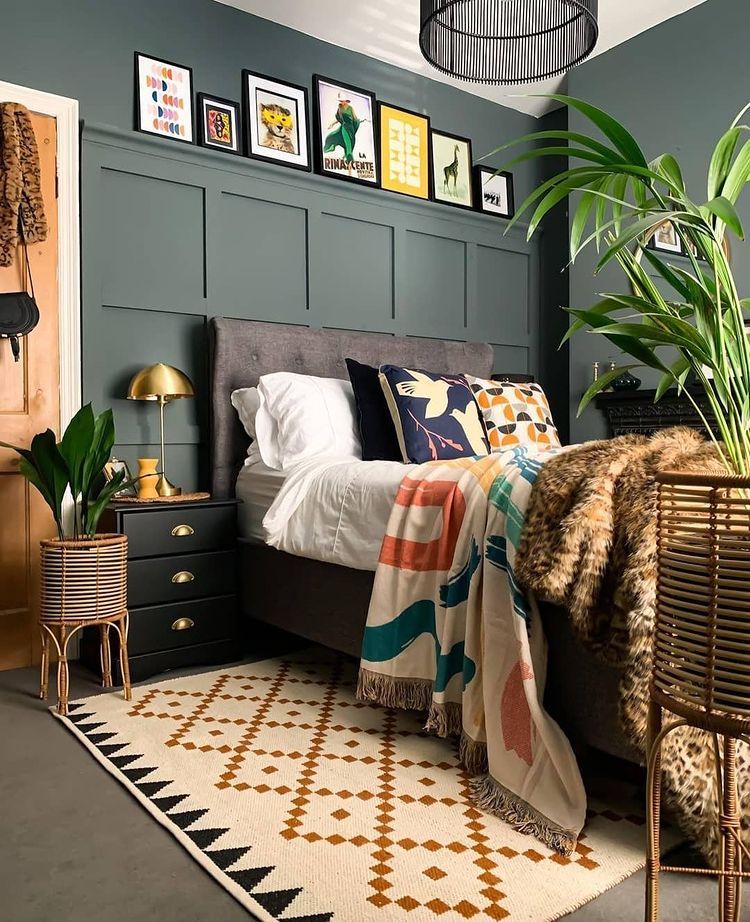
Create a gallery wall with a mix of art and photos. Use different frame styles but keep a common color theme. Arrange frames in a grid or a casual cluster. Leave space between each piece to let them breathe. Include art prints, photos, or small paintings for variety. This adds personality and draws focus to your accent wall.
Shelving And Display Tips
Floating shelves add dimension and function. Place shelves at eye level for easy viewing. Display small plants, books, or collectibles on them. Keep the arrangement neat and balanced. Avoid overcrowding to maintain a clean look. Use shelves to highlight key décor pieces and add texture to the wall.
Using Mirrors And Frames
Mirrors reflect light and make the room feel larger. Choose a mirror with an interesting shape or frame. Position it where it catches natural light. Combine mirrors with framed art to create contrast. Frames add structure and focus to the wall. Use matching or coordinating frames for a polished look.
Lighting To Enhance Accent Walls
Lighting plays a key role in making accent walls stand out. It brings out colors and textures, making the wall more interesting. Using the right lighting can change the mood of a room and draw attention to your accent wall. Choose lighting that fits the style and purpose of your space.
Spotlights And Wall Washers
Spotlights shine focused light on specific parts of the wall. They highlight artwork or textures well. Wall washers spread light evenly across the surface. They create a soft glow that makes the wall pop. Both options create depth and add drama to the accent wall.
Led Strips And Backlighting
LED strips are thin and flexible lights you can place behind shelves or panels. They give a modern, sleek look to the wall. Backlighting adds a gentle glow behind objects or wall features. This effect creates a floating or halo look. LED lights use less energy and last longer.
Natural Light Maximization
Use windows and openings to let sunlight hit the accent wall. Natural light brings out true colors and makes rooms feel fresh. Arrange furniture to keep the wall clear for sunlight. Light curtains or blinds can soften harsh light. This method saves energy and brightens the space naturally.
Diy Accent Wall Projects
Creating a DIY accent wall adds charm and personality to any room. It allows you to express creativity without spending much money. Simple tools and materials can transform a plain wall into an eye-catching feature.
Try different techniques to find what suits your style best. Each method brings a unique look and feel to your space. Let's explore some easy and fun DIY accent wall projects.
Stencil And Tape Techniques
Stencil and tape methods create neat, sharp patterns with little effort. Use painter’s tape to outline shapes or stripes. Paint over the tape, then peel it off for clean lines. Stencils add detailed designs like flowers or geometric shapes. Repeat the pattern across the wall for a consistent look.
This technique is budget-friendly and beginner-friendly. It requires only paint, tape, and stencils. Change colors to match your room’s theme. Experiment with metallic or matte finishes for extra style.
Textured Paint Applications
Textured paint gives your wall a rich, tactile surface. Use tools like sponges, brushes, or rollers to create patterns. Apply thick paint or add texture additives to regular paint. Try techniques like stippling, rag rolling, or combing. Each creates a different visual and physical texture.
This style adds depth and warmth to any room. It hides wall imperfections better than flat paint. Choose soft, neutral colors for subtle effects or bright colors for bold looks.
Mixing Materials Creatively
Combine materials like wood, fabric, or wallpaper for a unique accent wall. Attach wooden panels or reclaimed wood planks for rustic charm. Use fabric or wallpaper with bold prints for softness and color. Mixing materials adds layers and interest to your wall.
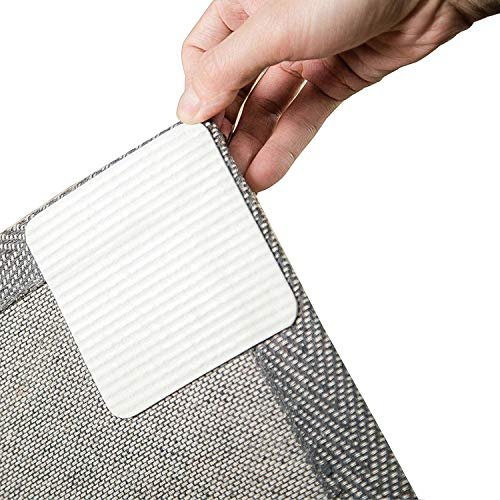
Plan the layout before installation for balanced results. Use nails, glue, or adhesive strips depending on materials. This approach works well in living rooms, bedrooms, and even offices.
Maintaining Your Accent Wall
An accent wall adds personality and style to any room. Keeping it fresh and clean helps your space look inviting. Regular care protects your investment and keeps colors bright. Small efforts can extend the life of your accent wall.
Cleaning Tips
Dust the wall often to prevent buildup. Use a soft cloth or duster for gentle cleaning. For painted walls, a damp sponge with mild soap works well. Avoid harsh chemicals that can fade colors or damage surfaces. Test cleaning solutions on a small area first.
Touch-up Ideas
Keep extra paint from the original project for touch-ups. Use a small brush to fix chips or scratches. Match the paint color carefully to avoid visible patches. For textured walls, try to replicate the texture before painting. Regular touch-ups keep the wall looking new and sharp.
Long-term Care
Place furniture carefully to avoid scratching the wall. Use wall protectors behind chairs or tables. Avoid hanging heavy items without proper support. Check the wall yearly for any signs of damage. Freshen up the paint every few years to maintain vibrancy.

Credit: www.heytherehome.com
Frequently Asked Questions
What Is An Accent Wall And Why Use It?
An accent wall is a single wall painted or decorated differently. It adds visual interest and highlights a room's focal point. Using an accent wall enhances room depth and style without overwhelming the space.
Which Colors Work Best For Accent Walls?
Bold, contrasting colors work best for accent walls. Deep blues, rich greens, or vibrant reds create strong focal points. Choose colors that complement your room’s existing palette for a cohesive look.
How To Choose The Right Wall For Accent Decoration?
Pick a wall that naturally draws attention, like behind a bed or sofa. Avoid walls with doors or windows for maximum impact. The chosen wall should enhance the room’s flow and design.
Can I Use Wallpaper For An Accent Wall?
Yes, wallpaper is a great choice for accent walls. It offers texture, patterns, and unique designs that paint can’t achieve. Choose wallpapers that match your room’s style and color scheme.
Conclusion
Decorating an accent wall adds charm and focus to any room. Choose colors and patterns that fit your style and space. Keep the design simple for a clean, fresh look. Use art, shelves, or lights to enhance the wall’s appeal.
Remember, small changes can make a big difference. Enjoy creating a space that feels warm and inviting. Your accent wall can transform a room without much effort. Start with one idea and build from there. A well-decorated accent wall brings life to your home.