Your living room is more than just a space—it’s where you relax, entertain, and create memories. But decorating it can feel overwhelming.
What colors should you choose? How do you arrange furniture to make the room both cozy and functional? Don’t worry. This step-by-step guide will make decorating your living room simple and enjoyable. By the end, you’ll have a space that truly feels like yours—inviting, stylish, and comfortable.
Ready to transform your living room? Let’s dive in.
:max_bytes(150000):strip_icc()/lavender2-dd461d67ee8240d5bbca3e0b09e9c41c.png)
Credit: www.thespruce.com
Planning Your Living Room Layout
Planning your living room layout is the first step to a beautiful, functional space. It helps you organize furniture and decorations smartly. A well-planned layout makes your room feel bigger and more welcoming.
Spend time understanding your room’s size and shape. Think about where each piece of furniture will go. This careful planning saves you from moving things around later.
Assessing The Space
Start by measuring the room’s length and width. Note the location of doors, windows, and outlets. Check where natural light enters the room. This helps you decide where to place furniture. Think about the size of your furniture in relation to the space. Avoid overcrowding to keep the room comfortable and open.
Choosing A Focal Point
Every living room needs a main focus. It could be a fireplace, a TV, or a large window. Arrange your furniture around this point. The focal point draws attention and sets the room’s mood. Make sure it is easy to see from most seats. This creates a cozy and inviting atmosphere.
Traffic Flow Considerations
Plan clear paths for walking through the room. Avoid blocking doorways or windows with furniture. Leave enough space between pieces for easy movement. Good traffic flow makes the room feel open and easy to use. It helps guests move freely without bumping into things.
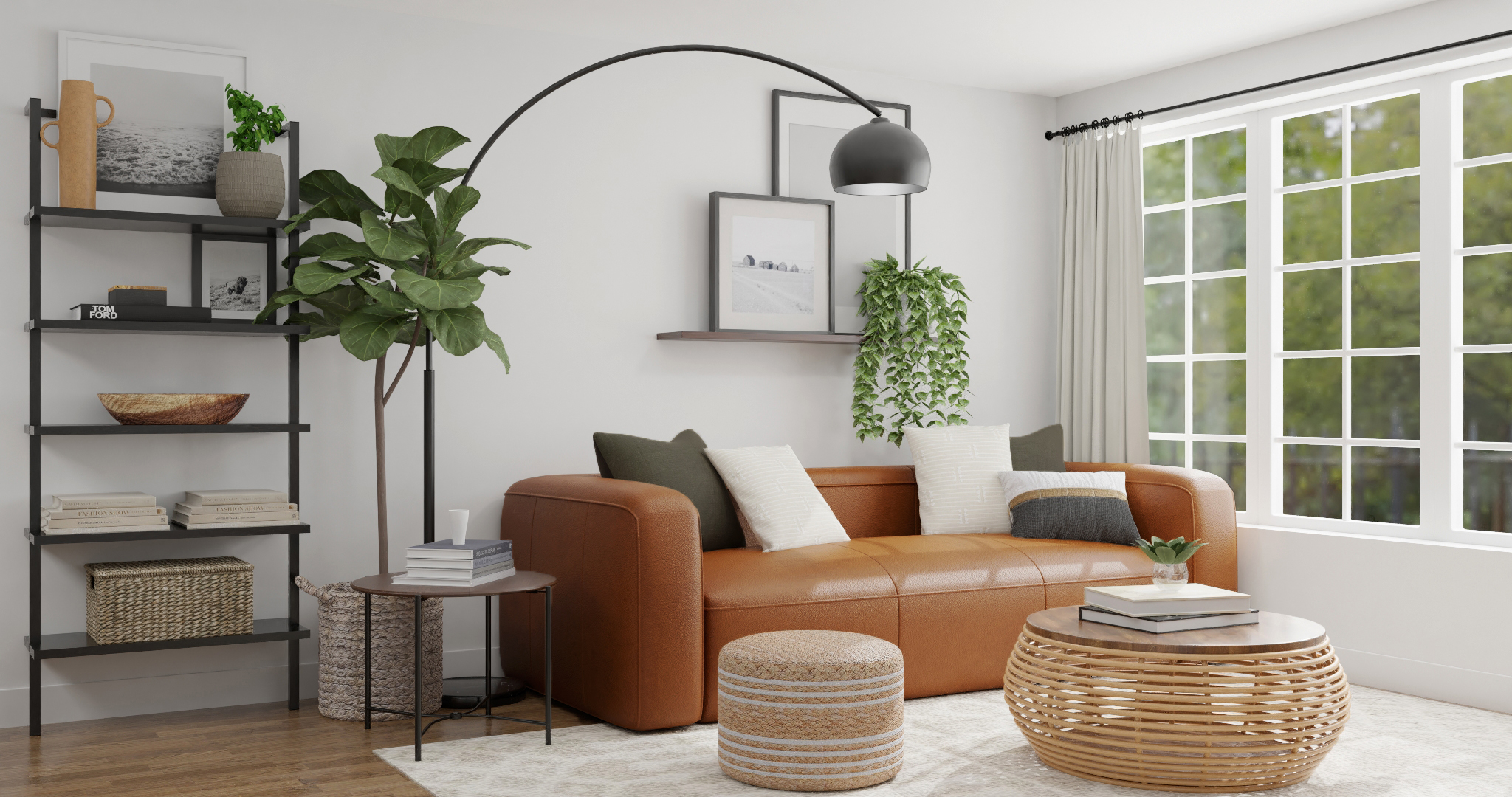
Credit: www.spacejoy.com
Selecting A Color Scheme
Choosing the right color scheme sets the tone for your living room. Colors create mood and style. They make the space inviting and comfortable. A good color scheme blends all elements together. It gives your room harmony and balance.
Picking Base Colors
Start with one or two base colors. These colors cover large areas like walls or big furniture. Neutral colors like beige, gray, or white work well. They provide a calm, clean background. Choose colors that feel right for your space and light.
Adding Accent Shades
Accent colors add interest and personality. Use them in smaller items like pillows, rugs, or art. Bold colors like red, blue, or green can brighten the room. Keep accents balanced so they don’t overwhelm the base colors.
Balancing Warm And Cool Tones
Mix warm and cool tones for a lively feel. Warm tones include reds, yellows, and oranges. Cool tones include blues, greens, and purples. Balance helps the room feel cozy yet fresh. Too much of one tone can feel dull or harsh.
Choosing Furniture Pieces
Choosing the right furniture pieces shapes your living room’s look and feel. Each item adds comfort and style. Picking furniture carefully helps create a space you enjoy every day.
Essential Furniture Items
Start with basic pieces. A sofa or couch is the heart of the room. Add chairs for extra seating. A coffee table holds drinks and books. Side tables are useful next to chairs or sofa. Don’t forget storage like shelves or cabinets. These keep the room tidy and organized.
Sizing For Comfort And Function
Choose furniture that fits your room size. Large pieces in a small room feel crowded. Small furniture in a big room feels empty. Measure your space before buying. Leave room to move around comfortably. Seating should allow people to relax easily. Tables need enough space for items without clutter.
Mixing Styles And Materials
Combine different styles for a unique look. Pair modern with classic furniture. Mix wood, metal, and fabric for texture. This creates visual interest and depth. Match colors but do not be too uniform. Contrast bright colors with neutral ones. Balance hard and soft materials for comfort and style.
Incorporating Lighting
Lighting shapes the mood and function of your living room. Proper lighting makes the space feel warm and welcoming. It also helps you see clearly for different activities. A good lighting plan includes layers of light. Ambient, task, and accent lighting each play a role. Together, they create a balanced and stylish look.
Ambient Lighting Options
Ambient lighting provides overall light in the room. Ceiling lights like chandeliers or flush mounts work well. Recessed lights offer a clean, modern look. Floor lamps can add soft, widespread light. Aim for a warm color temperature to create a cozy feel. Dimmers help adjust brightness for different times and moods.
Task Lighting Choices
Task lighting focuses on specific areas for activities. Reading lamps by the sofa or armchair are essential. Desk lamps work well for work or hobbies. Adjustable fixtures let you direct light where needed. Bright but soft light reduces eye strain. Place task lights close to the activity zone for best results.
Accent Lighting Techniques
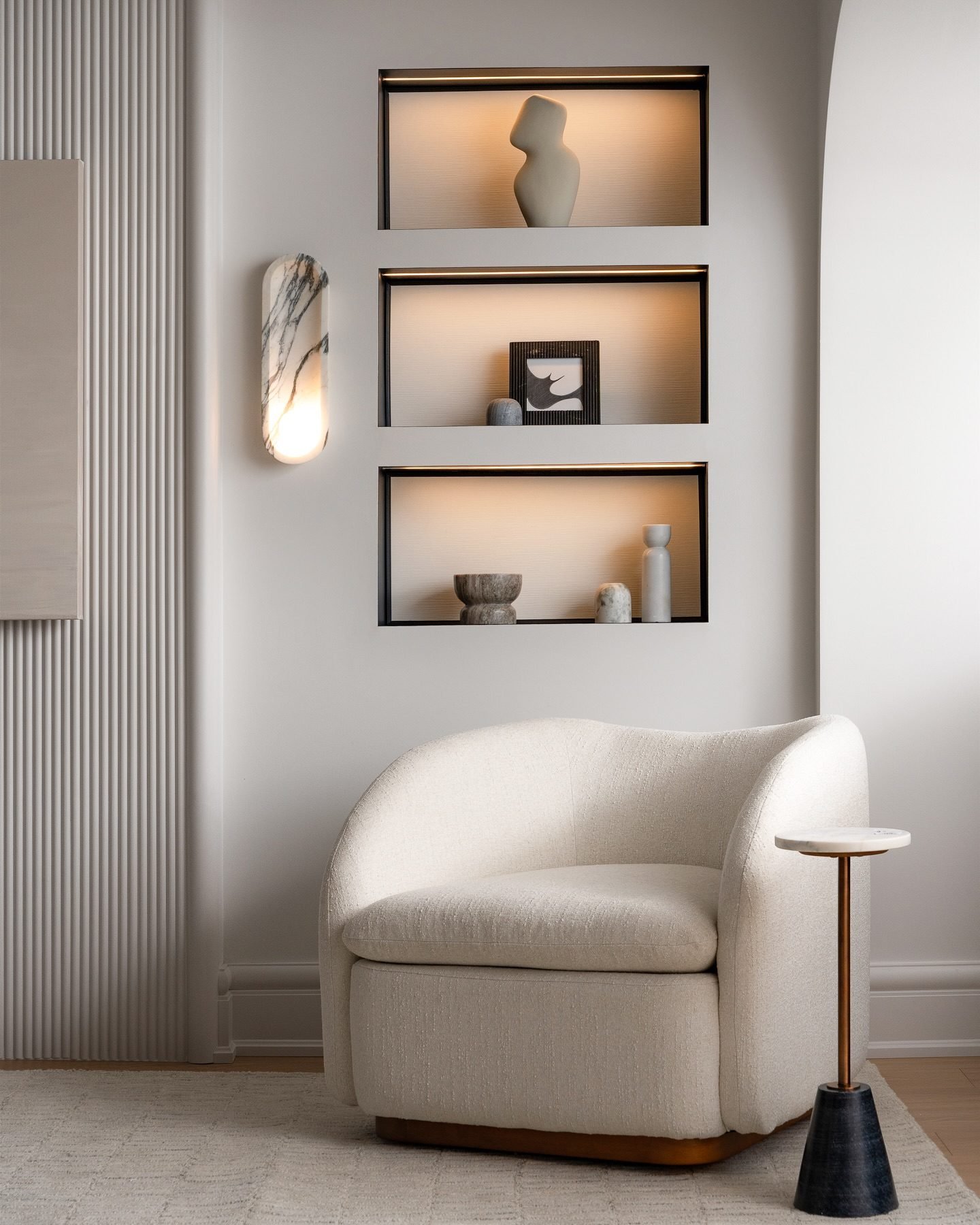
Accent lighting highlights features and adds depth. Use spotlights to showcase art or decor pieces. LED strips can brighten shelves or cabinets subtly. Wall sconces create gentle pools of light and style. Mix accent lights with other layers for visual interest. This lighting adds personality and draws attention to key spots.
Adding Textiles And Rugs
Adding textiles and rugs brings warmth and comfort to any living room. These elements create a cozy feel and add color and texture. They also help define spaces and soften hard floors. Choosing the right textiles enhances your room’s style and makes it inviting.
Selecting Area Rugs
Area rugs anchor your living room furniture. Pick a rug size that fits under key pieces like sofas or coffee tables. A rug that is too small can make the room feel disconnected. Choose colors and patterns that match your decor style. Soft textures add comfort underfoot and reduce noise.
Using Curtains And Drapes
Curtains frame your windows and control light. Select fabrics that complement your walls and furniture. Light fabrics create an airy feel. Thick drapes add privacy and block sunlight. Use curtain rods that fit the window width. Hang curtains high to make ceilings look taller.
Incorporating Cushions And Throws
Cushions and throws add color and comfort to sofas and chairs. Mix different sizes and textures for interest. Use soft, washable fabrics for easy care. Throws bring warmth on chilly days and add style year-round. Change cushions seasonally to refresh your room’s look.
Decorating Walls And Art
Decorating walls and choosing the right art can change your living room’s mood. Walls are the perfect place to show your style. They create a backdrop and set the tone for the entire space. Thoughtful choices in colors, artwork, and decor make your room feel welcoming and complete.
Choosing Wall Colors And Finishes
Pick wall colors that match your room’s style and light. Light colors make a small room feel bigger and brighter. Dark colors add coziness and depth. Matte finishes hide wall imperfections well. Glossy finishes reflect light and add shine. Consider textured paint or wallpaper for extra character.
Arranging Artwork
Choose art that fits your taste and room size. Large pieces work well on big walls. Smaller pieces look best grouped in clusters. Keep art at eye level for easy viewing. Balance colors in your artwork with the room’s palette. Mix styles and frames for a unique look.
Using Mirrors And Wall Decor
Mirrors open up space and reflect light beautifully. Place mirrors opposite windows for more brightness. Wall shelves hold plants, books, or small decor items. Decorative clocks, wall sculptures, and tapestries add texture and interest. Use these elements to create focal points on plain walls.
Incorporating Greenery And Accessories
Incorporating greenery and accessories brings life to your living room. These elements add color, texture, and personality. Plants create a fresh and calming atmosphere. Accessories show your style and make the space unique. Combining both carefully helps create a balanced and inviting room.
Selecting Indoor Plants
Choose plants that fit your room’s light and space. Small plants work well on shelves or tables. Tall plants can fill empty corners. Pick low-maintenance plants if you are new to gardening. Succulents, snake plants, and pothos are easy choices. Plants improve air quality and add natural beauty.
Choosing Decorative Accessories
Pick accessories that match your room’s color scheme and style. Use items like vases, candles, and picture frames. Mix different textures to add interest. Choose a few statement pieces that stand out. Keep accessories meaningful and not just fillers. These items create focal points and express your taste.
Balancing Clutter And Space
Avoid overcrowding surfaces with too many items. Leave enough empty space to keep the room open. Group similar items together for a tidy look. Use storage boxes or trays to organize small things. Balance large and small accessories to create harmony. A neat room feels relaxing and welcoming.
Creating Functional Zones
Creating functional zones in your living room helps organize the space. It makes the room feel comfortable and practical. Dividing the living room into areas for different activities improves flow and usability. Each zone should have a clear purpose and fit your lifestyle. This approach helps you decorate with intention.
Defining Seating Areas
Start by choosing a main seating area for relaxing and talking. Place sofas and chairs close together to encourage conversation. Use rugs to mark the boundaries of this zone. Arrange furniture so people face each other. Leave enough space to move around easily.
Setting Up Media Spaces
Create a separate space for your TV or entertainment system. Position the screen at eye level for comfortable viewing. Arrange seating to face the media area directly. Keep wires and devices organized to reduce clutter. Good lighting helps reduce eye strain here.
Adding Reading Or Work Corners
Find a quiet corner for reading or working. Add a comfortable chair and a small table or desk. Include good lighting such as a lamp or natural light. Keep supplies and books within reach. This zone offers a peaceful retreat for focus and relaxation.
Final Touches And Maintenance
Final touches and regular maintenance make your living room feel complete and fresh. These small steps keep the space welcoming and comfortable. They help your room stay neat and show off your personality.
Personalizing Your Space
Use items that reflect your style and memories. Photos, artwork, and souvenirs add a personal touch. Choose colors and patterns that make you happy. Small details like cushions and rugs can change the mood. These items make your living room truly yours.
Keeping The Room Tidy
Clean your living room often to keep it inviting. Put things back after use to avoid clutter. Dust surfaces and vacuum floors regularly. Use baskets or boxes to organize small items. A tidy room feels calm and relaxing.
Updating Decor Over Time
Change your decor to keep the room fresh. Swap cushions, curtains, or wall art every few months. Try new colors or styles that suit the season or your mood. Small updates make a big difference without spending much. This keeps your living room lively and enjoyable.

Credit: www.wikihow.life
Frequently Asked Questions
How Do I Choose The Right Color For My Living Room?
Select colors that match your style and room size. Light colors open small spaces, while bold shades add character. Consider lighting and existing furniture to ensure harmony and a cozy atmosphere.
What Furniture Layout Works Best For A Living Room?
Arrange furniture to promote conversation and flow. Place seating around a focal point like a fireplace or TV. Keep pathways clear for easy movement and balance the space evenly.
How Can I Add Personality To My Living Room?
Use decorative items like artwork, rugs, and cushions to express style. Incorporate plants and unique accessories to create warmth. Mix textures and colors for a personalized, inviting vibe.
What Lighting Is Ideal For Living Room Decoration?
Combine ambient, task, and accent lighting for versatility. Use ceiling lights, lamps, and dimmers to control brightness. Proper lighting enhances mood and highlights decor elements effectively.
Conclusion
Decorating your living room can be simple and fun. Start with a clear plan and choose colors you like. Add furniture that fits your space and style. Use lighting to create a warm mood. Don’t forget small details like cushions and rugs.
These make your room cozy and inviting. Take your time and enjoy the process. A well-decorated living room feels comfortable for everyone. You can change things anytime to keep it fresh. Small steps lead to a great space you love.
Keep it simple and personal. Your living room will reflect who you are.