Are you struggling to cut steel wire cleanly and safely at home? Whether you're working on a DIY project or fixing something around the house, knowing the right way to cut steel wire can save you time and frustration.
You’ll discover simple tools and easy steps that anyone can follow. By the end, you’ll feel confident handling steel wire without the usual hassle or risk. Keep reading to unlock the tips that will make your next project smoother and safer.

Tools For Cutting Steel Wire
Cutting steel wire at home needs the right tools. Choosing the correct tool makes the job safe and easy.
Steel wire is tough, so use strong tools made for metal cutting. This guide shows popular tools to try.
Types Of Wire Cutters
Wire cutters come in many types. Each type fits different wire thickness and hardness.
Small wire cutters work for thin wires. Heavy-duty cutters handle thick steel wire.
- Diagonal cutters cut wire cleanly
- End cutters provide flush cuts
- Needle-nose cutters reach tight spaces
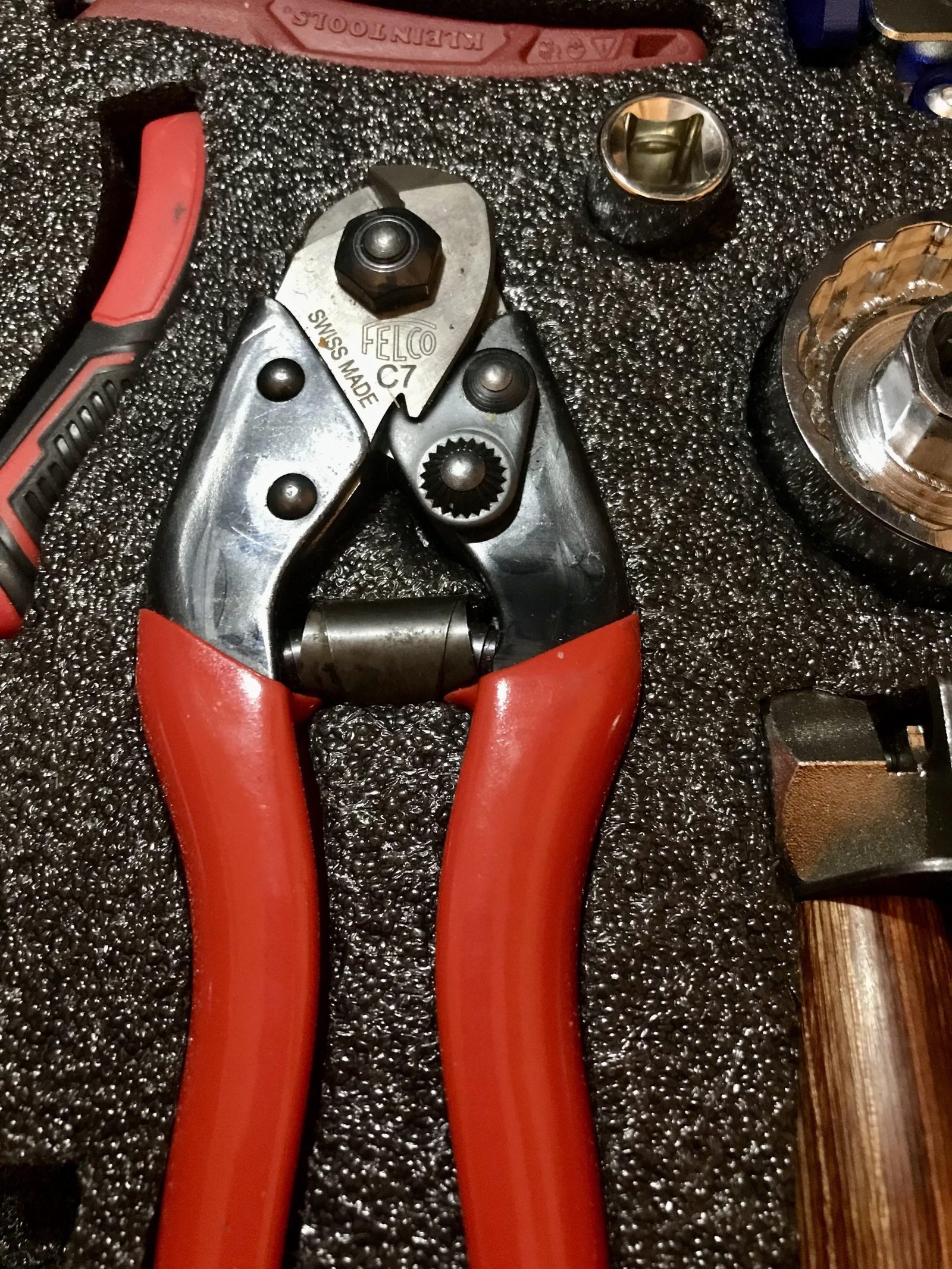
- Heavy-duty wire cutters cut thick steel
Using Tin Snips
Tin snips are strong scissors for cutting metal sheets. They can also cut thin steel wire.
Use tin snips for wires that are not very thick. They give good control for detailed work.
- Hold wire firmly before cutting
- Cut slowly to avoid bending wire
- Wear gloves to protect hands
Leveraging Bolt Cutters
Bolt cutters have long handles and strong jaws. They cut thick steel wire with less effort.
Use bolt cutters for wires too thick for small cutters or tin snips. They work fast and clean.
- Place wire deep in jaws for best cut
- Apply firm, steady pressure
- Keep hands away from cutting edges
Alternative Tools
If you lack wire cutters or bolt cutters, use other tools. Some can cut steel wire with care.
Tools like hacksaws or angle grinders cut steel wire. They need more care and safety gear.
- Hacksaw: good for slow, precise cuts
- Angle grinder: fast cuts, use eye protection
- Pliers with cutting edges: for thin wires only
Preparing For Wire Cutting
Cutting steel wire at home needs careful preparation. This helps keep you safe and get the job done right.
Before you start, set up your workspace and gather the right tools. Measure and mark the wire clearly to make clean cuts.
Safety Gear Essentials
Wear the correct safety gear to protect yourself from flying wire pieces and sharp edges.
- Safety glasses to shield your eyes
- Heavy-duty gloves to protect your hands
- Long sleeves to cover your arms
- Closed-toe shoes to guard your feet
- Ear protection if using loud tools
Workspace Setup
Choose a clean, flat surface to work on. Good lighting and enough space help you cut wire safely and precisely.
| Workspace Feature | Reason |
| Flat Surface | Prevents wire from rolling or slipping |
| Bright Light | Helps see measurement and cutting lines clearly |
| Clear Area | Reduces risk of tripping or losing wire pieces |
| Stable Workbench | Supports tools and wire securely |
Measuring And Marking Wire
Measure the wire carefully using a tape measure or ruler. Mark the cutting points with a permanent marker or a piece of tape.
Tips for clear marking:
- Use a fine-tip marker for precise marks
- Mark on the side that will be cut
- Double-check measurements before cutting
Step-by-step Cutting Techniques
Cutting steel wire at home can be done safely with the right tools and steps. This guide shows easy ways to cut different types of steel wire.
Follow these simple methods to handle steel wire without damage or injury. Use the proper tools for each wire type.
Using Wire Cutters Correctly
Wire cutters work best for thin steel wire. Hold the wire firmly and place it in the cutter’s jaws. Cut close to the wire’s surface for a clean cut.
- Wear safety glasses to protect your eyes.
- Use wire cutters with sharp, strong blades.
- Grip the wire steady before cutting.
- Apply steady pressure on the handles.
- Cut slowly to avoid wire slipping.
Cutting Thick Steel Wire
Thicker steel wire needs more force and strong tools. Use heavy-duty wire cutters made for thick wire. Keep your hands away from the cutting edge.
| Tool | Best For | Tip |
| Standard Wire Cutters | Thin wire up to 16 gauge | Use sharp blades |
| Heavy-Duty Wire Cutters | Thick wire up to 8 gauge | Apply strong pressure |
| Bolt Cutters | Very thick wire and cables | Use two hands for leverage |
Handling Tougher Wire With Bolt Cutters
Bolt cutters cut very hard or thick steel wire. They need strong arms and good grip. Use both hands on the handles for control and power.
- Choose bolt cutters with long handles for leverage.
- Position the wire close to the pivot point.
- Wear gloves to protect your hands.
- Check that the cutting edges are clean and sharp.
- Push the handles together slowly and firmly.
Post-cutting Tips
Cutting steel wire at home is just the first step. After cutting, you should handle the wire carefully to avoid injuries.
Taking good care of your tools and cleaning up properly keeps your workspace safe and ready for the next job.
Smoothing Sharp Edges
Steel wire ends can be very sharp after cutting. You should smooth these edges to prevent cuts or scratches.
Use a metal file or sandpaper to gently rub the wire ends. This makes them safer to handle.
- Hold the wire securely before filing
- File in one direction for best results
- Wear gloves to protect your hands
Proper Wire Disposal
Cut pieces of steel wire can be sharp and dangerous. Dispose of wire scraps safely to avoid accidents.
Collect all small wire bits in a container. Take them to a metal recycling center or follow local disposal rules.
- Use a sturdy container for wire scraps
- Label the container as sharp metal waste
- Do not throw wire scraps in regular trash
Maintaining Your Tools
After cutting steel wire, clean your tools well. Remove any metal bits or dust to keep them working smoothly.
Apply a small amount of oil to the cutting edges. Store tools in a dry place to stop rust from forming.
- Wipe tools with a clean cloth after use
- Use light oil on moving parts and blades
- Keep tools in a toolbox or dry drawer
Common Mistakes To Avoid
Cutting steel wire at home can be tricky. Many people make simple errors that cause problems.
This guide shows common mistakes and how to avoid them for better results.
Ignoring Safety Precautions
Not using safety gear can lead to injuries. Steel wire can snap or cause cuts.
- Always wear safety goggles to protect your eyes.
- Use heavy gloves to avoid cuts on your hands.
- Keep your work area clean and clear of obstacles.
- Work in a well-lit place to see clearly.
Using Wrong Tools
Using the wrong tool makes cutting hard and can damage the wire or tool.
| Tool | Purpose | Why Use It |
| Wire Cutters | Cut thin steel wire | Sharp and precise cut |
| Bolt Cutters | Cut thick steel wire | Strong and powerful |
| Hacksaw | Cut steel rods or thick wire | Clean and smooth cut |
| Pliers | Bend wire | Not for cutting |
Cutting Without Proper Measurement
Wrong measurement causes waste and poor fit. Always measure twice before cutting.
- Use a tape measure or ruler to mark the wire.
- Mark the cutting spot with a permanent marker or tape.
- Double-check the length before cutting.
- Keep a steady hand while cutting to follow the mark.

Frequently Asked Questions
What Tools Are Best For Cutting Steel Wire At Home?
The best tools for cutting steel wire at home include wire cutters, bolt cutters, and hacksaws. Choose based on wire thickness and strength. Wire cutters work for thin wires, while bolt cutters handle thicker steel. Always prioritize safety by wearing gloves and goggles.
How Do I Safely Cut Steel Wire Indoors?
To safely cut steel wire indoors, use proper cutting tools and wear protective gear. Ensure a stable surface and good lighting. Clear the area of flammable materials. Cut slowly and steadily to avoid wire snapping. Keep children and pets away during the process.
Can I Use Household Pliers To Cut Steel Wire?
Household pliers can cut thin steel wire but struggle with thicker ones. For thicker steel wire, use specialized wire cutters or bolt cutters. Pliers might damage the wire or tool if forced. Always select tools appropriate for the wire’s thickness and type.
What Safety Precautions Are Needed When Cutting Steel Wire?
Wear safety goggles and gloves to protect eyes and hands. Work in a well-lit, clean area. Use the correct cutting tool for the wire thickness. Secure the wire firmly to prevent slipping. Dispose of wire scraps properly to avoid injury.
Conclusion
Cutting steel wire at home is simple with the right tools. Always choose strong, sharp cutters for clean cuts. Wear safety gear to protect your eyes and hands. Measure the wire carefully before cutting to avoid mistakes. Take your time and work slowly for better results.
Practice makes cutting easier and safer. Now, you can handle small steel wire projects with confidence and ease.