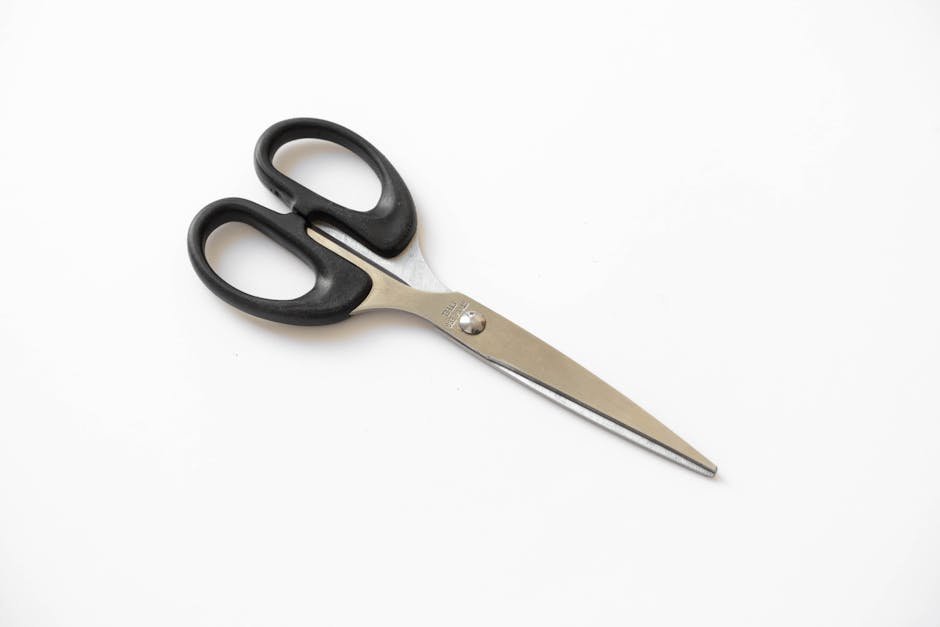
Cutting steel plate at home might sound tough, but with the right tools and simple steps, you can do it safely and precisely. Whether you’re working on a DIY project or fixing something around the house, knowing how to cut steel plate yourself saves time and money.
In this guide, you’ll discover easy techniques that anyone can follow, even if you’re new to metalworking. Ready to take control of your project and get the perfect cut every time? Keep reading, and you’ll learn exactly how to make it happen.

Choosing The Right Tools
Cutting steel plate at home needs the right tools for safety and accuracy.
Each tool fits different types of cuts and thicknesses. Choose based on your project.
Handheld Angle Grinder
An angle grinder is common for cutting steel plates. It uses a rotating disc to cut metal.
This tool works well for thin to medium thickness steel. You can make straight or curved cuts.
Plasma Cutter Options
Plasma cutters use a high-temperature plasma arc to slice through steel. They are fast and precise.
- Best for thick steel plates
- Requires a power source and air compressor
- Produces clean, smooth cuts
- Needs safety gear due to bright arc and sparks
Oxy-acetylene Torch
This torch combines oxygen and acetylene gas to burn through steel. It is good for thick plates.
| Advantage | Disadvantage |
| Can cut very thick steel | Slower than plasma cutter |
| Portable and easy to set up | Requires gas tanks and careful handling |
| Good for rough cuts | Less precise than other methods |
Manual Cutting Tools
Manual tools like hacksaws or cold chisels work for thin steel plates or small cuts.
- Hacksaws are affordable and easy to handle
- Cold chisels need a hammer and steady hand
- Manual cutting takes more effort and time
- Best for small or simple cuts
Preparing Your Workspace
Cutting steel plate at home needs a safe and clean workspace. Preparing your area well helps you work faster and avoid accidents.
Focus on safety gear, workbench setup, and good airflow. These basics create the best conditions for your project.
Safety Gear Essentials
Wear the right safety gear to protect yourself from sparks and sharp edges. This gear keeps you safe during cutting.
- Safety goggles to protect your eyes
- Heavy-duty gloves to shield your hands
- Long-sleeve shirt and pants to guard your skin
- Ear protection to reduce noise damage
- Steel-toe boots for foot safety
Setting Up A Stable Workbench
Use a strong, flat workbench that does not move. A stable bench keeps the steel plate steady while cutting.
| Workbench Feature | Reason |
| Flat surface | Prevents steel plate from wobbling |
| Strong legs | Supports heavy steel plates safely |
| Non-slip pads | Keeps workbench from sliding |
| Clear area | Allows free movement around the workbench |
Ensuring Proper Ventilation
Cutting steel creates fumes and dust. Good airflow helps remove these harmful particles.
Follow these tips for ventilation:
- Work near open windows or doors
- Use a fan to blow fumes outside
- Consider a portable exhaust system
- Wear a respirator mask if needed
Marking And Measuring Steel
Cutting a steel plate at home starts with careful marking and measuring. This step helps you cut the steel accurately and safely.
Proper marking and measuring reduce mistakes and save time during cutting. You need the right tools and clear marks on the steel.
Selecting Accurate Measuring Tools
Choose tools that give exact measurements for steel plates. Using precise tools helps you cut steel to the right size.
Common tools include tape measures, steel rulers, and calipers. Pick one that fits your project size and detail needs.
- Tape measure for long steel plates
- Steel ruler for straight, short lines
- Calipers for small, exact measurements
Using Marking Techniques
Mark the steel plate clearly before cutting. Use a pencil or a special metal marker that shows well on steel.
Draw straight lines using a ruler or square. This helps keep cuts precise and clean.
- Use a permanent marker for clear visibility
- Apply a scribe for fine, precise lines
- Mark both sides of the plate for guidance
Double-checking Measurements
Always measure twice before marking or cutting steel. This step prevents errors and wasted material.
Check your marks against the project plan. Confirm that all measurements match what you need.
- Re-measure before cutting
- Compare measurements with your design
- Ask someone else to verify if possible

Cutting Techniques For Different Tools
Cutting steel plate at home needs the right tools and skills. Different tools work best for different thicknesses and types of cuts.
This guide explains how to cut steel plate using common tools safely and effectively.
Angle Grinder Cutting Tips
An angle grinder is a popular tool for cutting steel plates. It works well for thin to medium thickness steel.
Use a cutting disc made for metal. Hold the grinder steady and cut slowly to avoid overheating the steel.
- Wear safety goggles and gloves
- Secure the steel plate firmly
- Cut in a straight line with steady pressure
- Keep the disc at a 90-degree angle to the steel
Using A Plasma Cutter Safely
A plasma cutter uses hot ionized gas to cut steel quickly and cleanly. It works best on thin to thick steel plates.
Wear protective gear like a mask and gloves. Make sure to work in a well-ventilated area to avoid fumes.
- Check the cutter settings for steel thickness
- Keep the torch steady and move slowly
- Maintain a consistent distance from the steel
- Turn off the cutter when not in use
Oxy-acetylene Torch Cutting Steps
An oxy-acetylene torch cuts steel by burning it with a flame. It is best for thick steel plates.
Set the flame to a neutral or slightly oxidizing flame. Heat the steel until it glows red before starting the cut.
- Wear flame-resistant gloves and eye protection
- Open the oxygen valve fully, adjust acetylene for a steady flame
- Preheat the metal along the cut line
- Press the oxygen lever to start the cutting jet
- Move the torch smoothly along the cut line
Manual Cutting With A Hacksaw Or Shears
Manual cutting tools like hacksaws or metal shears work for thin steel plates. They need more effort but are simple to use.
Use a fine-toothed blade for hacksaws. Cut slowly to keep a straight line and avoid blade damage.
- Clamp the steel plate securely
- Mark the cut line clearly
- Use smooth, even strokes with a hacksaw
- For shears, apply firm pressure and cut in one pass
- Wear gloves to protect your hands
Ensuring Precision And Clean Edges
Cutting steel plate at home needs careful attention. Precision and clean edges make the work safer and look better.
Using the right tools and methods helps keep cuts straight and edges smooth. This guide shows key steps to get good results.
Guides And Clamps For Straight Cuts
Use guides and clamps to keep the steel plate steady. This prevents the blade from slipping and ensures straight lines.
- Place a straight metal or wooden guide along the cut line.
- Clamp the guide firmly to the steel plate.
- Secure the steel plate to the work surface with clamps.
- Use a cutting tool that fits the thickness of the steel.
- Move the tool steadily along the guide to keep the cut straight.
Deburring And Smoothing Edges
After cutting, sharp edges and burrs remain. Removing these makes the steel safe to handle and improves its look.
| Tool | Use |
| File | Remove small burrs and smooth edges |
| Angle grinder with flap disc | Quickly smooth large edges |
| Sandpaper | Fine smoothing and polishing |
Checking Cut Accuracy
Measure the steel plate after cutting to ensure the size is correct. Check edges for straightness and smoothness.
- Use a tape measure or ruler to check length and width.
- Place a straight edge along the cut to check for curves.
- Inspect edges for burrs or rough spots.
- Mark any areas that need further smoothing or trimming.
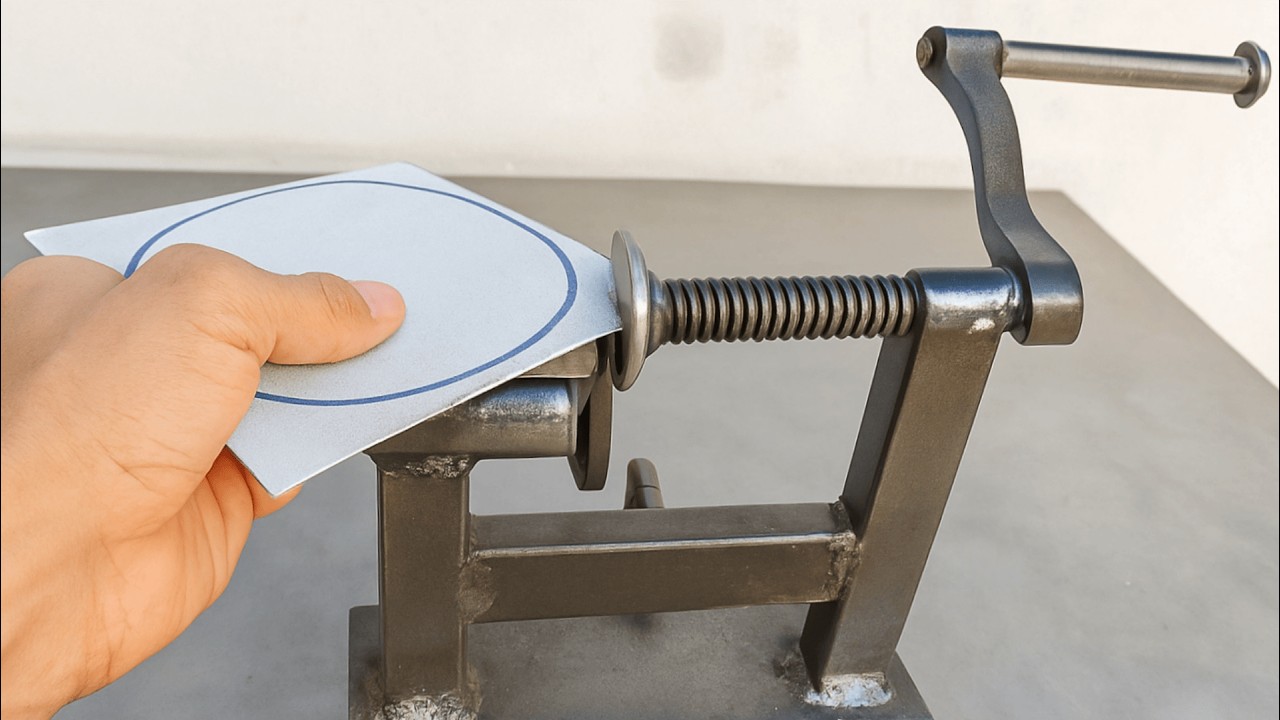
Safety Practices During Cutting
Cutting steel plate at home requires careful attention to safety. Follow these practices to protect yourself and your surroundings.
Always prioritize safety by wearing the right gear and managing potential hazards effectively.
Protective Clothing And Eye Protection
Wearing the right protective clothing is essential. It shields you from sparks and heat.
- Wear flame-resistant gloves and jackets.
- Use long sleeves and pants to cover skin.
- Always wear safety goggles to protect your eyes.
Fire Prevention Measures
Preventing fires is crucial when cutting steel. Keep your workspace safe from fire risks.
Ensure a fire extinguisher is nearby. Remove flammable materials from the area.
Handling Sparks And Hot Metal
Sparks and hot metal can cause burns. Handle them with care to avoid injuries.
| Item | Action |
| Sparks | Direct away from flammable materials |
| Hot Metal | Use tools to move, not hands |
| Cooling | Allow time to cool before touching |
Maintenance Of Tools After Use
Keeping your tools in good shape is important. Proper care ensures they last longer and work well. After cutting steel at home, spend time maintaining your tools.
Regular maintenance involves several steps. Cleaning, inspecting, and sharpening are key tasks. Each step is crucial for tool longevity and safety.
Cleaning And Storing Equipment
After using your tools, clean them thoroughly. Remove all dust and metal shavings from the equipment. This prevents rust and keeps tools ready for next use.
Store tools in a dry place. Moisture can cause rust, damaging the tools. Use a tool box or rack to organize and protect your equipment.
- Wipe tools with a clean cloth
- Use a brush for hard-to-reach areas
- Apply a light oil coating to prevent rust
Inspecting For Wear And Damage
Check your tools for any signs of wear. Look for cracks, chips, or bent parts. Identifying damage early can prevent accidents.
If you find any issues, address them immediately. Replace damaged parts to ensure safety and efficiency in your work.
- Check blades and handles for cracks
- Ensure screws and bolts are tight
- Replace worn-out parts immediately
Sharpening And Replacing Blades
Sharp blades make cutting easier and safer. Dull blades can slip and cause accidents. Regular sharpening is important for effective use.
Sometimes, sharpening is not enough. If blades are too worn, replace them. New blades ensure clean cuts and reduce effort.
- Use a file or sharpening stone
- Follow the original angle of the blade
- Replace blades that cannot be sharpened
Frequently Asked Questions
What Tools Are Best For Cutting Steel Plates At Home?
The best tools include an angle grinder, plasma cutter, or metal cutting saw. Choose based on thickness and precision needed. Always use safety gear when operating these tools.
How To Prepare Steel Plate Before Cutting?
Clean the steel surface thoroughly to remove rust, dirt, and grease. Mark the cutting line clearly with a scribe or marker. Secure the plate firmly to prevent movement during cutting.
Can I Cut Steel Plate Without Professional Help?
Yes, cutting steel at home is possible with the right tools and safety measures. Beginners should start with thinner plates and practice on scrap metal first.
What Safety Precautions Are Needed When Cutting Steel?
Wear protective gloves, safety goggles, and a welding mask if needed. Ensure proper ventilation to avoid inhaling fumes. Keep a fire extinguisher nearby for emergencies.
Conclusion
Cutting steel plates at home is doable with the right tools and care. Always wear safety gear to protect yourself. Take your time and measure twice before cutting. Using the right blade makes the job easier and cleaner. Keep your workspace organized to avoid accidents.
Practice on scrap metal first to build confidence. With patience and focus, you can achieve good results. Steel cutting can be safe and simple at home. Now, you are ready to start your project.