Cutting steel at home might sound tricky, but with the right tools and simple steps, you can do it safely and effectively. Whether you’re working on a DIY project or fixing something around the house, knowing how to cut steel yourself saves time and money.
In this guide, you’ll discover easy methods that anyone can follow, even if you’ve never handled steel before. Ready to take control of your project and get the job done right? Keep reading, and you’ll learn everything you need to know to cut steel like a pro.

Tools For Cutting Steel
Cutting steel at home requires the right tools to get clean and accurate cuts. Using proper equipment helps you work safely and efficiently.
Different tools work best depending on the steel thickness and the type of cut you need. This guide covers handheld tools, power tools, and safety gear.
Handheld Tools
Handheld tools offer control and are good for light steel cutting jobs. They work well for thin sheets and small pieces.
- Hacksaw: A manual saw with a fine blade for cutting thin steel.
- Tin snips: Scissor-like tools used for cutting thin steel sheets.
- Metal files: Used to smooth edges after cutting steel.
Power Tools
Power tools speed up steel cutting and handle thicker metal. Choose tools based on the size and type of your steel project.
| Tool | Use | Best For |
| Angle Grinder | Cutting and grinding steel | Medium to thick steel |
| Reciprocating Saw | Cutting through steel pipes and profiles | Medium thickness steel |
| Metal Cutting Saw | Precise straight cuts | Sheet steel and bars |
| Plasma Cutter | High-speed cutting with electric arc | Various thicknesses, more advanced users |
Safety Gear
Safety gear protects you from sparks, sharp edges, and noise while cutting steel. Always wear the right equipment to avoid injuries.
- Safety goggles or face shield to protect eyes from flying debris.
- Heavy-duty gloves to protect hands from sharp edges and heat.
- Ear protection like earplugs or earmuffs against loud tool noise.
- Long sleeves and pants made from durable fabric to protect skin.
- Dust mask to avoid inhaling metal dust or fumes.
Preparing Your Workspace
Cutting steel at home needs a safe and organized space. Prepare your workspace before starting.
Proper setup helps you work efficiently and avoid accidents.
Choosing A Suitable Area
Pick a flat, stable surface that can hold the steel firmly. The area should be away from flammable materials.
Make sure there is enough space to move around and handle tools safely.
Setting Up Work Supports
Use strong supports to hold the steel in place. This keeps the metal steady during cutting.
- Use sawhorses or sturdy workbenches
- Clamp the steel securely to avoid slipping
- Check that supports are level and stable
- Keep the cutting area clear of clutter
Ensuring Proper Ventilation
Cutting steel creates fumes and dust. Good airflow keeps the air safe to breathe.
| Ventilation Tips | Reason |
|---|---|
| Work near open windows or doors | Fresh air reduces fumes |
| Use a fan to blow air out | Helps move smoke away |
| Wear a mask if needed | Protects from dust and particles |
Marking And Measuring Steel
Cutting steel at home requires precision. Accurate marking and measuring are essential for clean cuts.
Learn the best practices for measuring and marking steel effectively.
Accurate Measurement Tips
Measuring steel accurately is crucial. It ensures that your cuts fit perfectly.
- Use a steel ruler for straight measurements.
- Always double-check your measurements.
- Mark the measurement point lightly with a pencil.
Marking Techniques
Proper marking techniques help in achieving precise cuts. This reduces material waste.
- Use a fine-tipped marker for visibility.
- Consider using a scribe for permanent lines.
- Ensure markings are straight and clear.
Using Guides And Templates
Guides and templates provide a reliable way to mark steel. They ensure uniformity in cuts.
| Tool | Use |
| Ruler | Straight lines |
| Scribe | Permanent markings |
| Template | Consistent shapes |

Cutting Methods
Cutting steel at home can be simple and safe. There are several methods you can use. Each method has its own tools and techniques.
Choose the method that suits your skill level and the tools you have. Always prioritize safety by wearing protective gear.
Using A Hacksaw
A hacksaw is a basic tool for cutting steel. It is affordable and easy to use. Make sure you have a blade suitable for metal.
Hold the steel firmly and move the saw back and forth. Keep the blade straight to make a clean cut.
- Choose a fine-toothed blade for thin steel
- Apply steady pressure during cutting
- Use a vise to hold the steel in place
Angle Grinder Techniques
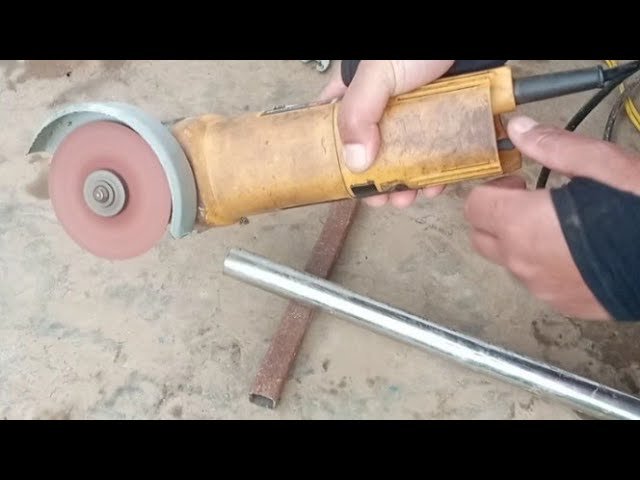
An angle grinder is powerful and fast. It is great for cutting thick steel. Ensure you use a metal cutting disc.
Keep a firm grip on the grinder. Guide it slowly through the steel. Wear goggles to protect your eyes from sparks.
- Check the disc for damage before use
- Use both hands for better control
- Let the disc do the work, do not force it
Cutting With A Reciprocating Saw
A reciprocating saw is versatile. It can cut through various materials, including steel. Use a bi-metal blade for best results.
Steady the saw and start cutting along the marked line. Keep the saw moving to avoid overheating the blade.
- Adjust the speed for different thicknesses
- Clamp the steel to prevent movement
- Wear ear protection against noise
Utilizing A Metal Cutting Shear
Metal cutting shears are ideal for thin steel sheets. They provide clean cuts with minimal effort. Ensure the shear blades are sharp.
Position the steel between the blades. Squeeze the handles together to cut. This method is quiet and produces no sparks.
- Perfect for straight cuts
- Easy to operate by hand
- Keep blades aligned for precision
Finishing The Cut Edges
Cutting steel at home leaves rough edges that need finishing. Properly finishing these edges improves safety and appearance.
Use the right tools and techniques to make the edges smooth and clean after cutting steel.
Deburring Methods
Deburring removes sharp burrs left on steel after cutting. This step helps prevent cuts and makes the steel easier to handle.
- Use a deburring tool or scraper to shave off burrs.
- Lightly sand the edges with sandpaper or a sanding block.
- Apply a wire brush to clean small burrs and rough spots.
- Wear gloves to protect your hands during deburring.
Smoothing With Files
Files help smooth cut edges and shape the steel. Choose the correct file for the job.
| File Type | Use |
| Flat file | For general smoothing and flattening edges |
| Half-round file | For curved edges and rounded corners |
| Needle file | For small or detailed areas |
File edges slowly in one direction to avoid creating new burrs or rough spots.
Polishing Tips
Polishing gives cut edges a smooth and shiny finish. It also protects the steel from rust.
Follow these polishing tips for best results:
- Start with coarse grit sandpaper and move to finer grits.
- Use a polishing compound on a buffing wheel for shine.
- Clean the steel after polishing to remove residue.
- Wear eye protection to avoid injury from metal particles.
Safety Tips During Cutting
Cutting steel at home can be risky without proper safety measures. Protecting yourself reduces the chance of injury.
Follow important safety tips to stay safe while working with steel cutting tools and equipment.
Protective Clothing
Wear the right clothing to protect your skin and eyes from sparks and sharp edges.
- Use flame-resistant gloves to protect your hands.
- Wear long sleeves and pants made of thick material.
- Put on safety goggles or a face shield to guard your eyes.
- Wear sturdy boots with steel toes to protect your feet.
- Use ear protection to reduce loud noise from cutting tools.
Handling Sparks And Debris
Sparks and debris fly off when cutting steel. Keep the area clear and control the spread.
| Do | Don't |
|---|---|
| Cut steel in a well-ventilated area | Cut near flammable materials |
| Use a spark guard or shield | Ignore sparks landing on clothes |
| Keep a fire extinguisher nearby | Leave debris on the floor |
| Wear proper eye and face protection | Touch hot metal right after cutting |
Emergency Preparedness
Be ready for accidents by having emergency tools and knowledge close at hand.
- Keep a first aid kit within reach.
- Know how to stop bleeding and treat minor burns.
- Have a phone nearby to call for help if needed.
- Keep a fire extinguisher rated for metal fires nearby.
- Learn how to shut off power tools quickly in emergencies.
Common Mistakes To Avoid
Cutting steel at home can be tricky. Avoiding common mistakes helps you get better results.
Learn what to watch out for to keep your project safe and accurate.
Improper Tool Selection
Using the wrong tool can ruin your steel cut. Different tools fit different steel types and thicknesses.
Choose tools like angle grinders, hacksaws, or metal cutting saws based on your steel piece.
- Angle grinders work well for thin steel sheets.
- Hacksaws suit small and thin steel parts.
- Metal cutting saws handle thick steel better.
- Avoid using wood saws; they damage steel and tools.
Skipping Safety Precautions
Steel cutting creates sparks and sharp edges. Not wearing safety gear risks injury.
Always wear gloves, goggles, and ear protection to guard yourself during cutting.
- Gloves protect hands from cuts and heat.
- Goggles shield eyes from sparks and metal shards.
- Ear protection reduces noise from power tools.
- Work in a well-ventilated area to avoid inhaling dust.
Inaccurate Measurements
Cutting steel without exact measurements wastes material and time. Measure twice to cut once.
Mark your steel clearly using a fine-tip marker or chalk before cutting.
- Use a steel ruler or tape measure for accuracy.
- Double-check measurements before cutting.
- Mark cutting lines clearly and follow them carefully.
- Use clamps to hold steel steady while cutting.
Frequently Asked Questions
What Tools Do I Need To Cut Steel At Home?
You need a cutting tool like an angle grinder or hacksaw. Safety gear such as gloves and goggles is essential. A steady work surface and clamps help secure the steel while cutting.
How Can I Safely Cut Steel Without Professional Help?
Always wear protective gear like gloves, goggles, and ear protection. Work in a well-ventilated area. Use clamps to secure steel and follow tool instructions carefully to prevent accidents.
Which Method Is Best For Cutting Steel At Home?
An angle grinder with a cutting disc is fast and precise for most home projects. A hacksaw is cheaper but slower. Choose based on your skill level and project size.
Can I Cut Steel With A Regular Saw?
Regular saws are usually not strong enough for steel. Use a hacksaw or power tools designed for metal cutting to ensure clean and safe cuts.
Conclusion
Cutting steel at home is simple with the right tools and safety. Always wear protective gear and work in a clear space. Measure twice, cut once to avoid mistakes. Use sharp blades and steady hands for clean cuts. Practice on scrap pieces before working on your project.
Take your time and stay focused for best results. With care and patience, you can cut steel easily at home. Keep learning and improving your skills step by step. Safety and accuracy matter most in every cut you make.