Cutting stainless steel sheet at home might sound tricky, but with the right tools and simple steps, you can do it yourself without hassle. Imagine saving time and money by handling your metal projects on your own.
Whether you’re fixing something or creating a new design, this guide will give you clear, easy instructions to get the job done safely and accurately. Keep reading to discover how you can cut stainless steel sheets like a pro, right in your own workspace.
Tools Needed
Cutting stainless steel sheets at home needs the right tools. These tools help you make clean and safe cuts.
Choose tools based on the thickness and size of your steel sheet. Safety gear is also very important.
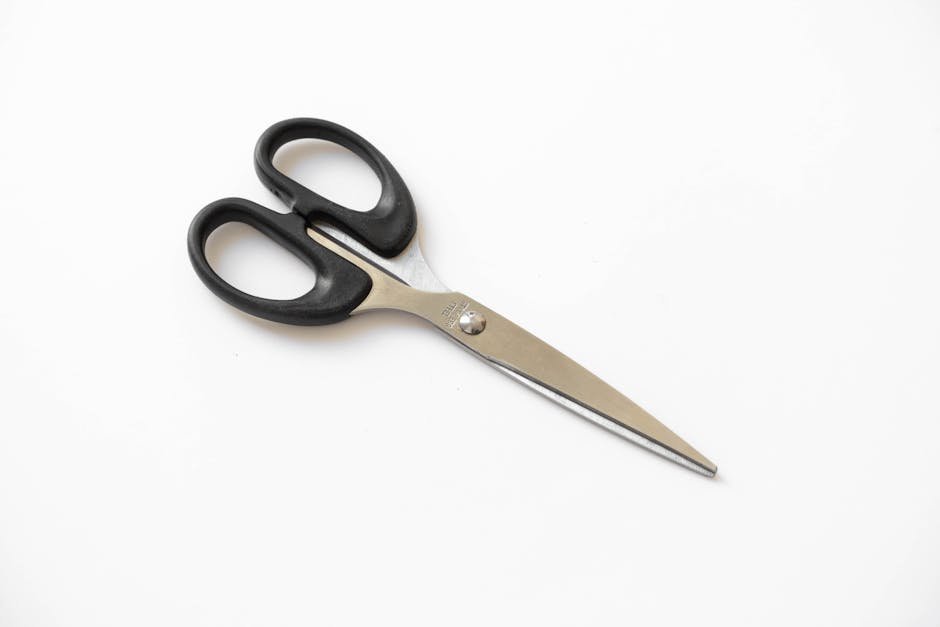
Handheld Shears
Handheld shears are simple tools for cutting thin stainless steel sheets. They work like heavy-duty scissors.
Use shears for straight cuts or gentle curves on sheets up to 18 gauge thick.
Angle Grinder
An angle grinder cuts through thicker stainless steel sheets quickly. Use a metal cutting disc for best results.
Hold the grinder steady and move slowly to avoid rough edges or damage.
Circular Saw With Metal Blade
A circular saw with a metal cutting blade can cut large stainless steel sheets fast. Choose a blade made for metal.
Clamp the sheet firmly before cutting to keep it stable and safe.
Jigsaw Options
Jigsaws work well for cutting curves or shapes in stainless steel sheets. Use a fine-toothed metal blade.
Cut slowly and support the sheet to avoid bending or rough edges.
Safety Gear Essentials
Always wear safety gear when cutting stainless steel. Protect your eyes, hands, and ears.
- Safety goggles or glasses
- Heavy-duty gloves
- Ear protection like earplugs or earmuffs
- Long sleeves to protect your arms
- Dust mask if cutting creates fine particles

Preparing The Workspace
Cutting a stainless steel sheet at home needs a safe and neat workspace. Preparing your area helps you work better and stay safe.
A good setup reduces mistakes and keeps the metal steady during cutting.
Choosing A Stable Surface
Pick a flat and strong surface to place the stainless steel sheet. A solid table or workbench works best.
The surface should not wobble or move. This keeps the metal steady while you cut it.
Ensuring Proper Lighting
Good lighting helps you see the cut lines clearly. Use bright lights or work near a window if possible.
Check that there are no shadows on your cutting area to avoid mistakes.
Setting Up Clamps And Supports
Use clamps to hold the stainless steel sheet in place. This stops it from moving while you cut.
Add supports under the sheet if it is large. This helps keep it flat and steady.
- Place clamps near the cutting line but not in the way
- Use wooden blocks or metal stands as supports
- Check clamps and supports are tight before cutting
Measuring And Marking
Cutting stainless steel sheet at home starts with accurate measuring and marking. These steps help you make clean and precise cuts. Careful preparation saves time and material.
Take your time to measure and mark the sheet carefully. This guide covers using a tape measure, marking straight lines, and double-checking measurements.
Using A Tape Measure
Use a tape measure to get exact lengths and widths on the stainless steel sheet. Hold the tape tight and straight for the best results. Avoid bending the tape as it can cause wrong numbers.
Start measuring from one edge and extend the tape to the desired point. Write down the number or remember it before marking.
Marking Straight Lines
After measuring, draw straight lines where you want to cut. Use a ruler or a straight edge to connect your marks. This keeps the cut clean and accurate.
Use a fine-tip permanent marker or a sharp pencil made for metal. Avoid thick lines that can hide the exact cut line.
- Place the straight edge on the marks
- Hold it firmly to avoid slipping
- Draw the line slowly and steadily
Double-checking Measurements
Always check your measurements twice before cutting. Measure the same points again to confirm. This step helps avoid mistakes and wasted material.
Ask someone to help if possible. A fresh pair of eyes can catch errors you might miss.
- Re-measure both length and width
- Compare with your initial marks
- Adjust lines if needed before cutting

Cutting Techniques
Cutting stainless steel sheets at home needs care and the right tools. Different methods work best for different projects. Choose the right technique to get clean cuts safely.
This guide explains how to use handheld shears, angle grinders, circular saws, and jigsaws for cutting stainless steel.
Using Handheld Shears Safely
Handheld shears are good for small, straight cuts. They work best on thin stainless steel sheets. Always wear gloves and eye protection before cutting.
- Check the blades are sharp and clean.
- Clamp the sheet firmly to avoid slipping.
- Cut slowly to keep control and avoid jagged edges.
- Keep fingers away from the blades at all times.
Operating An Angle Grinder
An angle grinder works well for thicker stainless steel sheets. It cuts fast but needs careful handling. Use a metal cutting disc made for stainless steel.
- Wear safety goggles and ear protection.
- Hold the grinder with both hands for stability.
- Cut along a marked line slowly and steadily.
- Do not force the grinder; let the blade do the work.
- Work in a well-ventilated area to avoid inhaling dust.
Cutting With A Circular Saw
Circular saws can cut stainless steel with the right blade. Use a blade designed for metal cutting. Secure the sheet on a stable surface before cutting.
| Blade Type | Recommended Teeth | Cutting Speed |
| Carbide-tipped metal blade | 60-80 | Slow and steady |
| Abrasive cut-off wheel | N/A | Moderate speed |
Use slow speeds to reduce heat and avoid damaging the blade or metal. Clamp the sheet to prevent movement.
Jigsaw Cutting Tips
Jigsaws are best for curved or irregular cuts in stainless steel sheets. Use a fine-tooth metal-cutting blade. Mark your cut line clearly before starting.
- Clamp the sheet securely to a workbench.
- Start cutting at a slow speed to avoid blade bending.
- Keep the saw base flat on the metal for smooth cuts.
- Wear safety glasses and hearing protection.
- Let the blade cool down between long cuts to avoid overheating.
Finishing The Edges
Cutting stainless steel sheets at home leaves sharp edges. Finishing the edges is important for safety and look. You can use simple tools to smooth and protect the edges.
Take your time to sand, file, and prevent rust. These steps help your project last longer and feel better to touch.
Sanding Rough Edges
Sanding removes sharp burrs after cutting stainless steel. Use sandpaper with medium grit first, then finer grit for a smooth finish.
Wrap sandpaper around a block or use a sanding sponge. Sand in one direction to avoid scratching the metal.
- Start with 120-grit sandpaper
- Move to 220-grit for finer smoothing
- Wear gloves to protect your hands
Filing For Smoothness
Use a metal file to shape and smooth the edges after sanding. A flat or half-round file works well on stainless steel sheets.
File gently in one direction. Check the edge often to avoid removing too much metal.
- Hold the file firmly and use steady strokes
- Focus on sharp corners and uneven spots
- Clean metal dust off the edge after filing
Preventing Rust After Cutting
Stainless steel resists rust but can still corrode if scratched or left wet. Protect edges by cleaning and sealing after cutting.
Apply a thin coat of oil or a rust-preventive spray. Store the metal in a dry place to keep it rust-free.
- Wipe edges with a clean cloth
- Apply mineral oil or light machine oil
- Use rust-preventive spray for extra protection
- Keep sheets away from moisture
Common Mistakes To Avoid
Cutting stainless steel at home can be tricky. Many make mistakes that lead to poor results. Learning to avoid these errors helps you work safely and efficiently.
Understanding common mistakes ensures you cut stainless steel correctly. This guide covers key areas where errors often occur.
Improper Tool Use
Using the wrong tools can damage the steel. Choose tools designed for metal cutting. A hacksaw or power saw works well with the right blade.
Ensure tools are sharp. Dull blades make cutting harder and less precise. Replace blades regularly to maintain performance.
Skipping Safety Precautions
Safety is crucial when cutting metal. Wear safety goggles to protect your eyes from metal shards. Use gloves to shield your hands from sharp edges.
Work in a well-ventilated area. Cutting metal can produce fumes. Ensure your workspace is clear of flammable materials.
Inaccurate Measurements
Inaccurate measurements lead to wasted material. Measure twice before cutting. Use a reliable ruler or measuring tape.
Mark your cutting line clearly. A permanent marker or chalk works well. This helps ensure straight and precise cuts.
- Double-check measurements before cutting
- Use straight edges for marking lines
- Keep a calculator handy for conversions
Maintenance And Care
Cutting stainless steel sheets at home requires proper maintenance and care. Keeping your tools and materials in good condition ensures safety and effectiveness.
This guide will help you maintain your tools and care for your cut sheets. Follow these tips for the best results.
Cleaning Cut Sheets
After cutting, it's important to clean the stainless steel sheets. This prevents rust and keeps them looking new.
Use a soft cloth and mild detergent. Rinse with water and dry thoroughly.
- Avoid abrasive cleaners that can scratch the surface
- Store in a dry place to prevent moisture build-up
- Check for any sharp edges before handling
Storing Tools Properly
Proper storage of your cutting tools extends their lifespan. Keep them organized and accessible.
Store tools in a clean, dry area. Use toolboxes or wall hooks for easy access.
- Label storage spots for each tool
- Regularly clean and oil tools to prevent rust
- Ensure tools are dry before storing
Maintaining Sharp Blades
Sharp blades are crucial for effective cutting. Dull blades can be dangerous and inefficient.
Regularly check and sharpen blades. Use the right sharpening tool for the best edge.
- Inspect blades for chips or damage
- Sharpen blades using a whetstone or sharpening tool
- Store blades in a protective cover to prevent dulling
Frequently Asked Questions
What Tools Are Best For Cutting Stainless Steel Sheets?
Using an angle grinder with a cut-off wheel or a jigsaw with a metal blade works best. These tools provide precision and control. Always wear safety gear and clamp the sheet securely for accurate cuts. Proper tools ensure clean and efficient cutting at home.
How Do I Prepare Stainless Steel Before Cutting?
Clean the surface to remove dirt, oil, and debris. Mark your cut line with a permanent marker or scribe. Secure the sheet firmly to avoid movement. Proper preparation helps achieve straight and precise cuts, reducing the risk of errors or injury.
Can I Cut Stainless Steel Without Professional Help?
Yes, with the right tools and safety precautions, you can cut stainless steel at home. Follow step-by-step guides and use protective gear. Practice on scrap pieces to improve skill and confidence before tackling your project.
What Safety Measures Are Essential When Cutting Stainless Steel?
Always wear safety goggles, gloves, and a dust mask. Work in a well-ventilated area to avoid inhaling metal dust. Secure the sheet firmly and keep your hands clear of the blade. Safety reduces accidents and ensures a smooth cutting process.
Conclusion
Cutting stainless steel sheets at home is possible with the right tools. Always wear safety gear to protect yourself. Measure and mark carefully before you start cutting. Take your time and follow the steps closely. Clean the edges after cutting for a smooth finish.
Practice makes the process easier and safer. You can handle small projects without needing a professional. Enjoy the satisfaction of doing the job yourself. Keep your tools sharp and in good condition. Safety and patience lead to the best results.