Cutting stainless steel at home might sound tough, but it doesn’t have to be. If you’ve ever faced the challenge of resizing or shaping stainless steel for your project, you know how frustrating it can be without the right approach.
What if you could do it safely, quickly, and with tools you already have or can easily get? In this guide, you’ll discover simple, step-by-step methods to cut stainless steel perfectly every time. Keep reading, and you’ll gain the confidence to handle your project like a pro—no expensive equipment or complicated skills needed.
Tools For Cutting Stainless Steel
Cutting stainless steel at home needs the right tools. Using proper equipment makes the work easier and safer. This guide covers handheld tools, power tools, and safety gear.
Each tool type suits different cutting tasks. Choose tools based on the thickness and shape of the steel. Safety gear protects you during the cutting process.
Handheld Tools
Handheld tools are good for small or detailed cuts. They give you control and can be used in tight spaces. Common handheld tools include hacksaws and metal snips.
- Hacksaw:A fine-toothed saw for straight cuts.
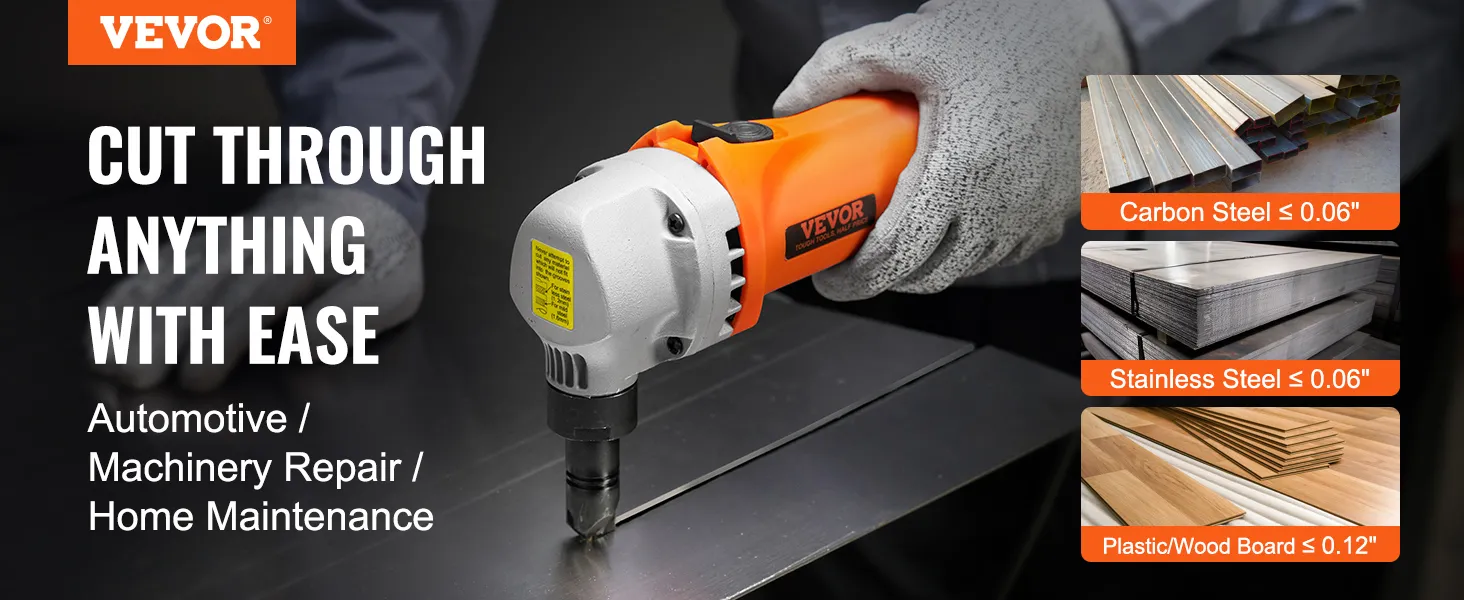
- Metal Snips:Scissors designed for cutting thin sheets.
- Files:Used to smooth edges after cutting.
- Utility Knife:Helps score thin stainless steel sheets.
Power Tools
Power tools work best for thicker or longer cuts. They save time and effort but need careful handling. Angle grinders, jigsaws, and circular saws are common choices.
| Tool | Use | Blade Type |
| Angle Grinder | Cutting and grinding stainless steel | Diamond or abrasive cutting disc |
| Jigsaw | Curved and detailed cuts | Metal cutting blade |
| Circular Saw | Straight cuts on thick sheets | Carbide-tipped blade |
Safety Gear
Safety gear protects your eyes, hands, and lungs from harm. Always wear safety glasses, gloves, and a mask. Hearing protection helps with noisy power tools.
- Safety glasses or goggles to protect eyes
- Cut-resistant gloves to protect hands
- Dust mask or respirator for fumes and dust
- Earplugs or earmuffs to reduce noise
- Long sleeves and pants to protect skin

Preparing The Stainless Steel
Preparing stainless steel properly is key to making clean cuts at home. This process helps avoid mistakes and keeps you safe.
Two important parts of preparation are measuring and marking, and securing the material before cutting.
Measuring And Marking
Start by measuring the stainless steel sheet carefully. Use a tape measure to get exact lengths and widths.
- Use a fine-tip marker or scribe to mark the cut lines clearly.
- Double-check measurements before marking.
- Mark the steel on the clean side for better visibility.
- Use a straight edge or ruler to draw straight lines.
Securing The Material
Hold the stainless steel firmly to avoid movement during cutting. This ensures accuracy and safety.
| Method | Description | Tips |
|---|---|---|
| Clamps | Use metal clamps to hold the sheet on a stable surface. | Place clamps near the cutting line but not in the way. |
| Workbench | Secure the steel on a sturdy workbench or table. | Make sure the surface is flat and stable. |
| Non-slip Mats | Put mats under the steel to prevent sliding. | Use rubber or silicone mats for best grip. |
Cutting Techniques
Cutting stainless steel at home needs the right tools and methods. Each technique suits different projects and skill levels.
This guide explains four common ways to cut stainless steel safely and effectively.
Using A Hacksaw
A hacksaw is a simple hand tool for cutting thin stainless steel sheets and pipes. It requires patience and steady hands.
- Use a blade made for metal cutting.
- Secure the steel firmly with a clamp.
- Cut slowly with even pressure.
- Keep the blade straight to avoid bending.
Using An Angle Grinder
An angle grinder is a powerful tool that cuts stainless steel quickly. It works well for thick or large pieces.
| Safety Gear | Purpose |
| Safety glasses | Protect eyes from sparks |
| Gloves | Protect hands from sharp edges |
| Ear protection | Reduce noise damage |
| Mask | Prevent inhaling dust |
Make sure to mark the cut line clearly before starting. Use a steady hand and avoid forcing the grinder.
Using A Jigsaw
A jigsaw can cut stainless steel sheets with the right blade. It is good for curved or irregular shapes.
- Select a fine-tooth metal-cutting blade.
- Clamp the steel sheet to prevent movement.
- Cut slowly to avoid blade damage.
- Use water to cool the blade if needed.
Using A Rotary Tool
Rotary tools are handheld and versatile for small cuts or detailed work on stainless steel.
Tips for using a rotary tool:
- Choose a metal cutting disc or wheel.
- Wear protective gear like goggles and gloves.
- Work in a well-ventilated area.
- Use light pressure to avoid overheating the tool.
- Take breaks to let the tool cool down.
Safety Tips During Cutting
Cutting stainless steel at home can be risky without the right safety measures. Protecting yourself keeps accidents away.
Use proper tools and follow safety rules to reduce injury risks during cutting tasks.
Protective Clothing
Wear clothes that cover your skin fully to avoid burns and cuts. Use gloves to protect your hands from sharp edges.
- Long-sleeve shirts and long pants
- Heat-resistant gloves
- Safety goggles or face shield
- Closed-toe shoes or boots
- Ear protection if noise is loud
Proper Ventilation
Work in a well-ventilated area to avoid breathing harmful fumes. Cutting stainless steel can release small metal particles and gases.
Tip:Open windows and use fans to improve air flow. Avoid cutting in closed rooms.
Handling Sparks And Debris
Sparks and metal shards can cause fires or injuries. Keep your workspace clean and clear of flammable materials.
| Safety Measure | Reason |
| Use a spark guard or shield | Blocks flying sparks |
| Clear area of paper, cloth, and wood | Prevents fires |
| Wear a mask to avoid inhaling dust | Protects lungs |
| Keep a fire extinguisher nearby | For quick fire response |
Finishing The Cut Edges
After cutting stainless steel at home, it's crucial to finish the edges. This ensures safety and gives a polished look. Different tools help you achieve smooth and shiny edges.
Let's explore some methods for making those cut edges flawless. Here are three effective techniques to consider.
Smoothing With Files
Using files is a simple way to smooth the cut edges of stainless steel. Choose a file suitable for metalwork.
- Start with a coarse file for initial smoothing.
- Use light, consistent strokes along the edge.
- Switch to a finer file for a smoother finish.
Using Sandpaper Or Abrasive Pads
Sandpaper or abrasive pads can further refine the edges after filing. These tools help remove any remaining burrs.
Begin with a medium-grit sandpaper, then move to a finer grit for a polished edge. This two-step process ensures a smooth finish.
Polishing For A Clean Finish
Polishing the edges is the final step. It gives the stainless steel a shiny and clean appearance.
With these methods, your stainless steel cuts will be smooth and polished, making your project safe and visually appealing.
Common Mistakes To Avoid
Cutting stainless steel at home can be tricky. Many make mistakes that can lead to damage or injury. Knowing what to avoid helps keep your project on track.
Let's explore some common errors people make when working with stainless steel. Avoid these to ensure a smooth process.
Wrong Tool Choice
Using the wrong tool can make cutting stainless steel difficult. It can also damage the material.
- Ensure you have the right blade for your saw.
- Choose tools designed for cutting metal.
- Avoid using dull blades or wrong size tools.
Ignoring Safety Precautions
Safety is crucial when cutting stainless steel. Ignoring safety can lead to serious injury.
Always wear safety goggles and gloves. Ensure your workspace is well-ventilated to avoid inhaling metal dust.
Improper Measurements
Incorrect measurements can ruin your project. Measure carefully before you cut.
| Tool | Use |
| Ruler | For straight lines |
| Tape Measure | For longer measurements |
| Angle Finder | For angled cuts |
Maintenance Of Cutting Tools
Keeping your cutting tools in good shape helps you cut stainless steel better. Proper care makes blades last longer and work safely.
Regular maintenance includes cleaning, sharpening, and storing tools correctly. These steps prevent damage and improve performance.
Cleaning Blades
Clean blades after each use to remove metal dust and debris. This stops rust and keeps the blade sharp.
Use a soft cloth and mild detergent to wipe the blade. Avoid harsh chemicals that can damage the metal.
- Wear gloves to protect your hands
- Remove all dirt and grease
- Dry the blade completely to avoid rust
Sharpening Tips
Sharpen blades regularly to keep cuts clean and safe. Dull blades can cause accidents and poor cuts.
Use a sharpening stone or a diamond file for best results. Follow the blade’s original angle while sharpening.
- Sharpen slowly and evenly
- Check the blade edge often
- Stop sharpening when the blade is sharp enough
Storage Recommendations
Store cutting tools in a dry place to stop rust and damage. Proper storage keeps blades sharp and ready to use.
Use blade covers or cases to protect edges. Avoid stacking tools where blades can bump each other.
- Keep tools in a toolbox or drawer
- Use blade guards or sheaths
- Check tools before storage for any dirt

Frequently Asked Questions
What Tools Are Best For Cutting Stainless Steel At Home?
Use tools like an angle grinder with a cutting disc or a hacksaw. These are effective for small to medium projects. Always ensure the blade is designed for metal cutting to get clean cuts and avoid damage.
How Can I Safely Cut Stainless Steel Sheets?
Wear safety gear like gloves, goggles, and a mask. Secure the steel sheet firmly on a stable surface. Cut slowly and steadily to maintain control and reduce sparks or metal splinters.
Can I Use A Jigsaw To Cut Stainless Steel?
Yes, a jigsaw with a fine-toothed metal blade can cut thin stainless steel. It’s ideal for curved or intricate cuts. Ensure the speed setting is low to avoid overheating the blade.
What Is The Best Method To Avoid Sharp Edges?
After cutting, use a metal file or sandpaper to smooth edges. This prevents injuries and improves the finish. Always deburr the edges before handling or assembling.
Conclusion
Cutting stainless steel at home can be simple and safe. Use the right tools and wear protective gear. Measure twice to avoid mistakes. Take your time to make clean cuts. Practice on scrap pieces before starting your project. Stay patient and careful throughout the process.
Following these steps helps you get good results. Enjoy creating with stainless steel right in your home.