Cutting a steel pipe at home might sound tricky, but it doesn’t have to be. Whether you’re fixing something around the house or starting a new project, knowing the right way to cut steel pipes can save you time and money.
In this guide, you’ll discover simple steps and tools that make the job easier and safer. Stick with me, and by the end, you’ll feel confident handling steel pipes like a pro—no expensive help needed. Ready to get started? Let’s dive in!
Tools Needed
Cutting a steel pipe at home is possible with the right tools. Using proper equipment makes the job easier and safer.
This guide covers the main tools you need to cut steel pipe accurately and safely.
Choosing The Right Saw
Selecting the correct saw is important for clean and accurate cuts. Different saws work better for different pipe sizes and thicknesses.
Common saw types for cutting steel pipe include:
- Hacksaw: Good for small pipes and thin steel
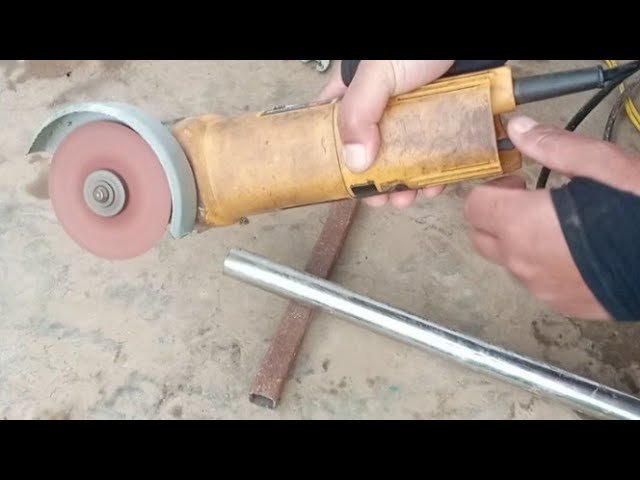
- Angle Grinder: Fast cutting for thicker steel
- Pipe Cutter: Designed specifically for pipes
- Reciprocating Saw: Useful for quick rough cuts
Essential Safety Gear
Safety gear protects you from sparks, sharp edges, and metal debris. Always wear safety equipment when cutting steel pipe.
Basic safety gear includes:
- Safety glasses or goggles to protect your eyes
- Heavy-duty gloves to protect your hands
- Long sleeves to protect your arms
- Hearing protection if using power saws
- Dust mask to avoid inhaling metal dust
Additional Helpful Tools
Besides the saw and safety gear, other tools help make cutting easier and more precise.
These tools include:
- Pipe vise or clamp to hold the pipe steady
- Measuring tape for accurate length measurement
- Marker or chalk to mark cut lines clearly
- File or sandpaper to smooth rough edges after cutting
- Work gloves for better grip and hand protection

Preparing The Pipe
Cutting a steel pipe at home needs careful preparation. Getting the pipe ready helps you make a clean and safe cut.
This part covers how to measure, mark, and secure the pipe before cutting.
Measuring And Marking
Measure the length you want to cut with a tape measure. Use a marker or chalk to mark the pipe clearly.
Mark the pipe all around to get a straight cut line. Check the mark twice to avoid mistakes.
- Use a tape measure for accuracy
- Mark the pipe on all sides
- Double-check your measurements
- Use a bright marker or chalk
Securing The Pipe
Hold the pipe firmly before cutting. Use a pipe clamp or a vise to keep it still and safe.
Make sure the pipe does not move to get a clean cut and avoid accidents.
- Use a pipe clamp or vise
- Keep the pipe level and steady
- Check tightness before cutting
- Wear safety gloves and glasses
Cutting Techniques
Cutting steel pipes at home requires the right tools and methods. Different tools work best depending on the pipe size and thickness.
Safety is important when cutting steel pipes. Always wear protective gear and work in a clear space.
Using A Hacksaw
A hacksaw is a simple hand tool that can cut steel pipes if you take your time. It works well for small to medium pipes.
- Mark the cutting line clearly on the pipe.
- Secure the pipe in a vise or clamp.
- Use steady, even strokes with the hacksaw blade.
- Check the cut often to keep it straight.
- Wear gloves to protect your hands from sharp edges.
Using A Pipe Cutter
A pipe cutter is a tool made for cutting pipes cleanly and quickly. It is easy to use and works best on thin to medium wall pipes.
| Pipe Size | Best Cutter Type | Cutting Speed |
| Small (up to 1 inch) | Standard pipe cutter | Fast |
| Medium (1 to 3 inches) | Heavy-duty cutter | Medium |
| Large (over 3 inches) | Electric pipe cutter | Slow |
To cut, place the pipe cutter around the pipe, tighten the knob, and rotate it around the pipe. Tighten a little more after each full turn until the pipe cuts.
Using An Angle Grinder
An angle grinder is a power tool that can cut steel pipes quickly. It is useful for thick or large pipes but needs careful handling.
- Wear eye protection and gloves before starting.
- Mark the pipe where you want to cut.
- Hold the grinder firmly with both hands.
- Cut slowly along the marked line without forcing the tool.
- Let the disc cool before touching it.

Finishing The Cut
After cutting a steel pipe, the edges can be sharp and rough. Finishing the cut makes the pipe safer and easier to use.
Take time to clean and smooth the edges for the best results. This also helps the pipe fit better with other parts.
Removing Burrs
Burrs are small metal pieces left on the pipe edge after cutting. They can cause injuries or stop the pipe from fitting well.
Use a file, deburring tool, or sandpaper to remove these rough bits. Work carefully around the entire edge.
- Hold the pipe firmly to avoid slipping
- Move the tool in one direction along the edge
- Check the pipe edge with your fingers to feel for burrs
- Wear gloves to protect your hands
Smoothing The Edges
Smooth edges improve the pipe’s appearance and safety. They also help pipes connect better when joining.
Use fine-grit sandpaper or a metal file to make edges smooth. Sand evenly until the metal feels smooth to touch.
- Wrap sandpaper around a block for even pressure
- Sand both inside and outside edges
- Wipe the pipe clean after sanding to remove dust
- Inspect the edges under light for any rough spots
Safety Tips
Cutting a steel pipe at home needs care and attention. Safety is very important to avoid injuries.
Use the right tools and follow safety rules. This helps you finish the job safely and correctly.
Proper Handling
Handle steel pipes carefully to prevent accidents. Always wear safety gloves and goggles.
- Hold the pipe firmly to avoid slipping.
- Use clamps to keep the pipe steady.
- Wear protective clothing to shield your skin.
- Keep your work area clean and dry.
- Make sure tools are in good condition before use.
Avoiding Common Mistakes
Many mistakes can cause injuries or damage. Avoid these errors for safe cutting.
| Common Mistake | Why It Is Dangerous | How to Avoid |
| Using dull blades | Leads to slipping and poor cuts | Sharpen or replace blades often |
| Not securing the pipe | Pipe moves and causes injury | Use clamps or a vise |
| Ignoring protective gear | Risk of cuts, sparks, or metal shards | Wear gloves, goggles, and clothes |
| Cutting too fast | Loses control and damages pipe | Cut slowly and steadily |
| Poor lighting | Cannot see cut line clearly | Work in a bright area |

Frequently Asked Questions
What Tools Are Best For Cutting Steel Pipes At Home?
A hacksaw, angle grinder, or pipe cutter works well for cutting steel pipes. Choose based on pipe size and cutting precision needed.
How Do I Measure Steel Pipe Before Cutting?
Use a tape measure to mark the exact cut length. Mark clearly with a permanent marker or chalk for accuracy.
Is It Safe To Cut Steel Pipes Indoors?
Cutting steel pipes indoors requires good ventilation and safety gear. Wear gloves, goggles, and a dust mask to protect yourself.
Can I Cut A Steel Pipe Without Power Tools?
Yes, a manual hacksaw can cut steel pipes without power tools. It takes more effort but is effective for small jobs.
Conclusion
Cutting a steel pipe at home is simple with the right tools. Safety should always come first during the process. Take your time to measure and mark the pipe carefully. Use steady, even pressure when cutting to avoid mistakes. Clean the edges after cutting for a smooth finish.
Practice makes the task easier and faster. Now, you can handle steel pipes for your projects confidently.