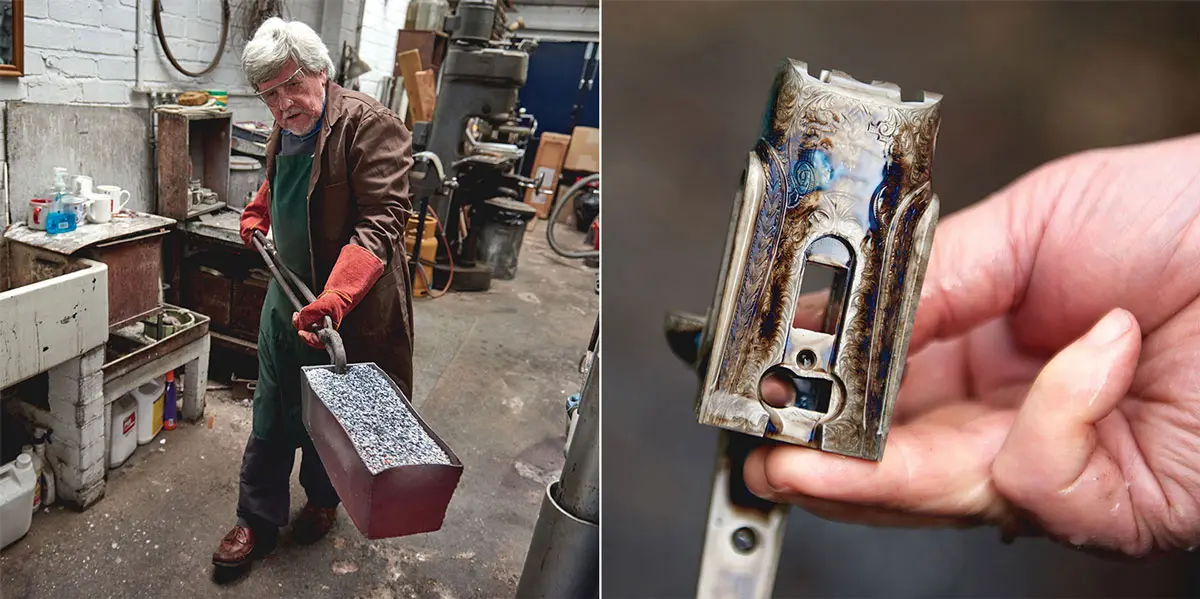
Are you looking to give your steel tools and parts a unique, colorful finish without spending a fortune? Coloring case hardened steel at home might sound tricky, but it’s easier than you think.
Imagine turning ordinary steel into something that stands out with rich, vibrant hues—all with simple steps you can follow right in your own workspace. In this guide, you’ll discover practical tips and easy techniques that anyone can use to add both beauty and protection to your steel.
Ready to bring your steel to life with color? Keep reading, and you’ll learn exactly how to do it.
Basics Of Case Hardening
Case hardening is a way to make steel tougher on the outside. It keeps the inside soft and strong. This helps tools and parts last longer.
You can color case hardened steel at home by heating and cooling it carefully. This changes the steel's surface color and strength.
What Is Case Hardening
Case hardening adds carbon to the surface of steel. This makes the outside layer very hard. The inside stays softer and more flexible.
The process uses heat and carbon-rich materials. When cooled fast, the surface becomes tough and wear-resistant.
Benefits Of Case Hardened Steel
Case hardened steel has a hard surface that resists scratches and wear. The softer core helps stop cracks and breaks.
- Improves the steel’s durability
- Reduces wear on tools and parts
- Keeps the inside tough and strong
- Extends the life of steel items
Materials Needed
Color case hardening steel at home requires specific materials. These materials help you safely and effectively add color to the steel surface.
Gathering the right tools and safety gear ensures a smooth process and protects you from harm.
Essential Tools
- Steel workpiece for case hardening
- Charcoal or carbon-rich material
- Heat source such as a propane torch or forge
- Metal container or steel box for packing
- Water or oil quenching bath
- Wire brush for cleaning steel surface
- Temperature gauge or pyrometer
These tools help you prepare, heat, and cool the steel properly during the case hardening process.
Safety Gear
| Item | Purpose |
| Heat-resistant gloves | Protect hands from burns and heat |
| Safety goggles | Shield eyes from sparks and debris |
| Protective apron | Guard body and clothes against heat |
| Respirator mask | Filter harmful fumes from heating materials |
| Closed-toe shoes | Protect feet from hot spills and drops |
Wearing proper safety gear is vital to avoid injuries during heating and handling hot steel.
Preparing The Steel
Coloring case hardened steel starts with good preparation. Proper surface prep helps the color stick well.
This section explains how to clean and protect the steel before coloring it at home.
Cleaning The Surface
Cleaning removes dirt, oil, and rust from the steel. A clean surface helps the color form evenly.
Use a degreaser or mild soap with warm water. Scrub the steel gently using a soft brush or cloth.
- Rinse well to remove all soap or cleaner
- Dry the steel with a clean cloth
- Remove any rust with fine steel wool or sandpaper
- Wear gloves to avoid adding oils from your skin
Masking Areas
Masking protects parts of the steel that you do not want to color. Use tape or other coverings for these areas.
Apply high-quality heat-resistant tape carefully. Press down the edges to stop color from seeping under.
- Cover threads, holes, or polished surfaces
- Use paper or plastic sheets for large areas
- Remove the masking after coloring and cooling
Diy Case Hardening Methods
Case hardening makes steel surfaces harder while keeping the inside soft. This improves wear resistance and strength. You can try case hardening at home with simple methods.
These DIY methods use easy materials and tools. Each method changes the steel surface to make it tougher.
Pack Hardening Technique
Pack hardening uses charcoal or carbon-rich materials packed around the steel. Heat helps carbon enter the steel surface. This makes the outer layer very hard.
- Clean the steel part well.
- Place it in a container with charcoal or bone meal.
- Seal the container to keep gases in.
- Heat the container to about 900°C (1650°F) for 1 to 2 hours.
- Remove and quench the steel in water or oil quickly.
Salt Bath Method
The salt bath method uses hot salt mixtures to harden steel surfaces. Salt carries carbon to the steel when heated. This method heats and hardens steel quickly.
| Salt Type | Melting Point (°C) | Effect on Steel |
| Sodium Cyanide | 850 | Good carbon transfer |
| Potassium Cyanide | 634 | Fast hardening |
| Salt Mixture (NaCl + KCl) | 770 | Common DIY option |
Heat the salt in a steel container until molten. Dip the steel in for a few minutes. Then quench to harden the surface.
Gas Flame Hardening
Gas flame hardening heats the steel surface with a flame. This creates a hard outer layer after quenching. It works well for small parts.
- Use a propane or oxy-acetylene torch.
- Heat only the area you want to harden.
- Heat until the surface glows red.
- Quench quickly in water or oil.
- Repeat if needed for uniform hardness.
Coloring Techniques
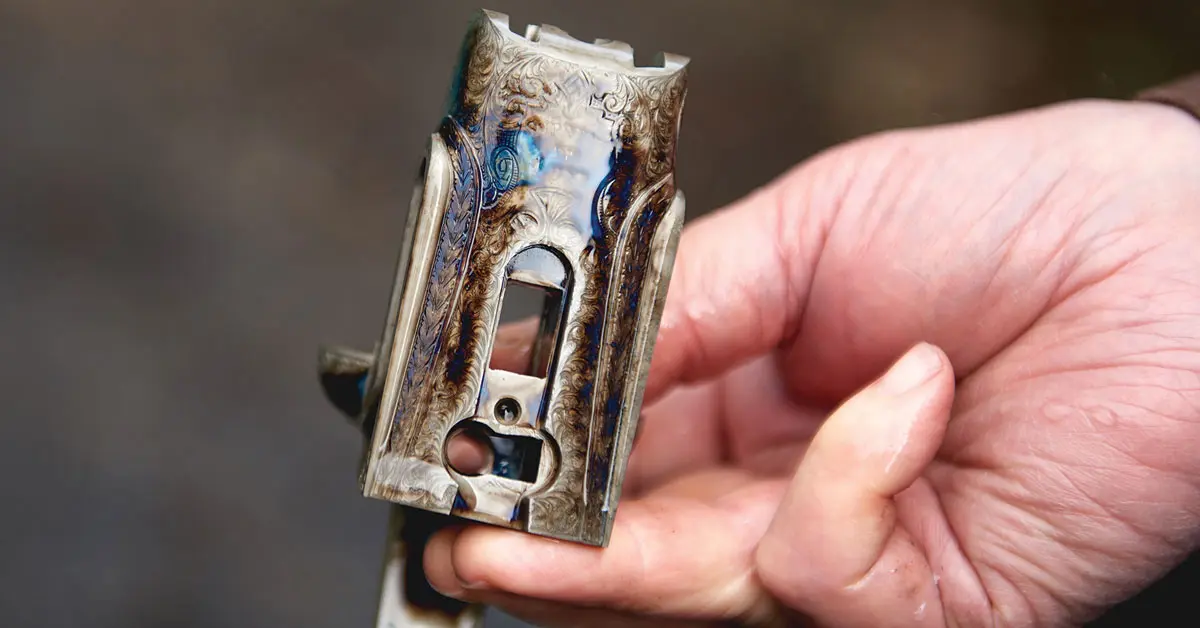
Color case hardening is a way to add vibrant colors to steel. It is often used for decorative purposes. This guide will show you how to color case harden steel at home.
There are several methods to achieve different colors. You can use heat, patinas, and chemical stains. Each method creates unique effects on the steel surface.
Heat Coloring Basics
Heat coloring uses high temperatures to change steel color. You need a torch or oven for this method. Heating the steel changes its surface color.
Colors depend on the temperature you reach. Lower heat gives blues and purples. Higher heat creates yellows and browns.
- Use a torch for small items
- Use an oven for larger pieces
- Control temperature for desired colors
Applying Patinas
Patinas are chemical solutions that react with steel. They create a thin, colorful layer on the surface. Patinas are easy to apply using brushes or sprays.
Each patina solution gives a different color. You can mix solutions for custom shades. Always wear gloves and goggles for safety.
- Brush or spray the patina evenly
- Let it dry completely
- Seal with a clear coat for protection
Using Chemical Stains
Chemical stains penetrate deeper than patinas. They change the steel's color from within. This method is great for long-lasting colors.
Apply chemical stains with a cloth or brush. The color develops as the stain soaks in. Rinse with water once you achieve the color you like.
- Apply stain evenly on the surface
- Wait for color to develop
- Rinse and dry the steel
Cooling And Finishing
Coloring case hardened steel at home needs careful cooling and finishing. These steps protect the colors and improve the steel's look.
Cooling controls the steel’s color tones. Finishing adds shine and stops rust.
Quenching Options
Quenching cools the steel quickly to lock in colors. The liquid used affects the final look and hardness.
Choose from water, oil, or air for quenching. Each cools at a different speed.
- Water:Cools very fast, can cause cracks.
- Oil:Slower cooling, safer for the steel.
- Air:Slowest cooling, best for delicate parts.
Polishing Tips
Polishing makes the colors bright and clear. Use fine sandpaper or polishing cloths to smooth the surface.
Clean the steel before and after polishing. This keeps the colors vivid and removes dirt.
- Start with medium grit sandpaper, then use fine grit.
- Polish gently to avoid scratching the colors.
- Use a soft cloth for final buffing.
Protective Coatings
Protective coatings stop rust and keep colors from fading. Apply a thin layer after polishing.
Use clear oils or waxes made for metal. Avoid thick coatings that hide colors.
- Light machine oil works well for protection.
- Paste wax adds shine and guards against moisture.
- Reapply coatings regularly for best results.
Troubleshooting Common Issues
Color case hardening steel at home can lead to some common problems. Fixing these issues helps get better results.
Below are tips to solve uneven color, surface damage, and inconsistent hardening.
Uneven Color
Uneven color happens if the heat or chemicals are not spread well. It makes the steel look blotchy.
- Make sure the steel surface is clean before starting.
- Apply the coloring agent evenly with a brush or cloth.
- Keep the steel moving while heating to avoid hot spots.
- Use a consistent temperature throughout the process.
Surface Damage
Surface damage includes scratches, pits, or burns. This can ruin the steel’s look and strength.
| Cause | Solution |
|---|---|
| Too much sanding | Use fine grit sandpaper gently |
| Overheating | Control heat carefully and use a thermometer |
| Harsh chemicals | Use milder solutions and rinse well |
| Dropping or banging steel | Handle the steel carefully during the process |
Inconsistent Hardening
Inconsistent hardening means some parts are harder than others. This weakens the steel.
Follow these tips to fix hardening problems:
- Heat steel evenly to the correct temperature.
- Use a proper quenching method for uniform cooling.
- Check steel thickness and adjust heating time.
- Clean steel thoroughly to avoid contamination.
Maintenance Of Hardened Steel
Maintaining hardened steel involves regular cleaning and proper storage. Keeping it rust-free extends its life and effectiveness.
Follow these simple tips to ensure your steel stays in top condition for a long time.
Cleaning Tips
Regular cleaning prevents dirt buildup and maintains the steel’s surface. Use mild soap and water for best results.
- Use a soft cloth to wipe the steel after use.
- Rinse with water and dry completely.
- Avoid abrasive materials that can scratch the surface.
Preventing Rust
Rust can weaken hardened steel, so prevention is key. Keep your steel dry and well-oiled to avoid corrosion.
Apply a thin layer of protective oil to the steel's surface. This helps create a barrier against moisture.
Storage Advice
Proper storage keeps your hardened steel in good condition. A dry, cool place is ideal to prevent damage.
| Storage Location | Condition |
| Garage | Dry and cool |
| Toolbox | Organized and clean |
| Shed | Protected from weather |
Frequently Asked Questions
How Do You Prepare Steel For Color Case Hardening?
Clean the steel thoroughly to remove oil and dirt. Use a wire brush for rust removal. Dry it completely before starting the case hardening process.
What Materials Are Needed For Color Case Hardening At Home?
You need steel parts, charcoal, bone charcoal, a sealed container, and a heat source. Safety gear like gloves and goggles is essential too.
How Long Does The Color Case Hardening Process Take?
The process typically takes 1 to 3 hours, depending on steel thickness. Longer heating times deepen the color and hardness layers.
Can Color Case Hardening Improve Steel Durability?
Yes, it enhances surface hardness and wear resistance. This method adds a durable, decorative, and protective colored finish to steel parts.
Conclusion
Coloring case hardened steel at home is simple with the right steps. Take your time and follow safety rules closely. Practice on small pieces before working on larger ones. Use clean tools and control heat carefully for best results. This process adds a unique look to your steel projects.
Enjoy creating colorful, strong steel parts with confidence. Keep experimenting to improve your skills over time.