Have you ever wanted to make your steel tools stronger and more durable right at home? Learning how to case harden steel can give your projects a tough, wear-resistant surface without needing expensive equipment.
Imagine turning ordinary steel into something that lasts longer and performs better with just a few simple steps. You’ll discover easy-to-follow methods that anyone can try. Ready to boost the strength of your steel and take your skills to the next level?
Keep reading to find out how.
Basics Of Case Hardening
Case hardening is a way to make steel parts harder on the outside. It keeps the inside softer and tougher. This process helps tools last longer.
You can try case hardening at home with simple tools and materials. It involves heating and adding carbon to the steel surface.
What Is Case Hardening
Case hardening is a heat treatment that hardens only the outer layer of steel. The inner part stays soft and flexible. This creates a strong shell around a tough core.
The process adds carbon to the steel surface during heating. The extra carbon helps form a hard layer called the case. This layer resists wear and damage.
Benefits For Steel Tools
Case hardened steel tools last longer because the surface is very hard. They resist scratches and dents better than regular steel.
The soft inside of the tool keeps it from breaking easily. This mix of hardness and toughness makes tools safer and more reliable.
- Hard surface resists wear and corrosion
- Soft core absorbs shocks and impacts
- Tools stay sharp longer
- Improves tool strength without brittleness
Materials Needed
Case hardening steel at home requires some basic materials. These materials help you create a hard surface on the steel.
Knowing what types of steel work best and which household supplies you need makes the process easier and safer.
Types Of Steel Suitable
Not all steel can be case hardened at home. You need steel that contains carbon. Low carbon steel usually does not harden well.
- High carbon steel (0.4% to 0.7% carbon)
- Medium carbon steel (0.3% to 0.4% carbon)
- Low alloy steel with carbon content
- Tool steel suitable for heat treatment
These steels respond well to heating and quenching, which are key steps in case hardening.
Common Household Supplies
You can use simple household items to case harden steel. These items are easy to find and safe to use with care.
| Supply | Purpose |
|---|---|
| Sugar or Charcoal | Carbon source for carburizing steel surface |
| Steel container or metal box | Holds the steel and carbon source during heating |
| Propane torch or small furnace | Heats the steel to the right temperature |
| Water or oil | Used for quenching to harden steel surface |
| Protective gloves and goggles | Safety during heating and quenching process |
Preparing The Steel
Preparing steel properly is key to successful case hardening at home. The steel must be clean and shaped well for the process to work.
Good preparation helps the steel absorb carbon evenly and form a hard surface layer.
Cleaning And Shaping
Start by removing dirt, oil, and rust from the steel surface. Use a wire brush or sandpaper to clean it thoroughly.
Shape the steel to the desired form before hardening. Smooth edges and remove sharp points to avoid weak spots.
- Use fine-grit sandpaper for a smooth finish
- Remove all grease with a degreaser or soap
- Check for cracks or dents and fix them
- Wear gloves to keep the steel clean
Surface Preparation Tips
| Tip | Reason |
|---|---|
| Polish with fine sandpaper | Improves carbon absorption |
| Clean with solvent | Removes oils and prevents contamination |
| Dry steel completely | Prevents rust before hardening |
| Handle with clean gloves | Keeps surface free of skin oils |
Case Hardening Methods
Case hardening makes the surface of steel tough while keeping the inside soft. This process helps steel resist wear and tear.
There are several ways to case harden steel at home using different materials and techniques.
Pack Carburizing
Pack carburizing uses a solid carbon source packed around the steel part. The steel heats up in the carbon-rich environment, absorbing carbon on the surface.
- Wrap steel in charcoal or bone meal
- Seal tightly in a metal container
- Heat the container to about 900°C (1650°F) for several hours
- Cool the steel slowly to keep hardness
Liquid Carburizing
Liquid carburizing uses a carbon-rich liquid bath to add carbon to the steel surface. The steel part soaks in the liquid while heated.
| Material | Purpose |
| Potassium cyanide (KCN) | Carbon source in liquid bath |
| Sodium cyanide (NaCN) | Alternative carbon source |
| Water | Dilutes the cyanide to safe levels |
| Steel part | Placed in the bath for carburizing |
Gas Carburizing Alternatives
Gas carburizing uses carbon-rich gases to treat steel surfaces. Some home methods use simpler gases or alternatives.
Common gas alternatives include:
- Propane or natural gas flames directed at steel
- Using charcoal gas in a small furnace
- Burning organic materials to create carbon monoxide
These methods require careful control of temperature and gas flow to add carbon effectively.
Step-by-step Process
Case hardening steel makes the surface very hard and strong. The inside stays soft and tough. This process protects steel from wear and tear.
You can case harden steel at home by following a few simple steps. Use safe tools and materials for the best results.
Packing The Steel
Start by preparing the steel piece. Clean it well to remove dirt and oil. This helps the hardening process work better.
Next, pack the steel in a carbon-rich material. Charcoal or powdered bone works well. The carbon will move into the steel surface.
- Wrap the steel in a steel container or clay pot.
- Fill the container with charcoal or bone powder.
- Seal the container tightly to keep air out.
Heating Techniques
Heat the packed steel slowly using a high-temperature source. A charcoal furnace or propane torch can work well. The goal is to reach about 900°C (1650°F).
Keep the steel at this temperature for 1 to 2 hours. This lets carbon soak into the surface evenly. Use a thermometer if possible to watch the heat.
- Use a heat-resistant container for safety.
- Heat evenly to avoid warping the steel.
- Wear gloves and eye protection during heating.
Cooling And Quenching
After heating, remove the steel from the container carefully. Let it cool just a little until it is warm but not hot to the touch.
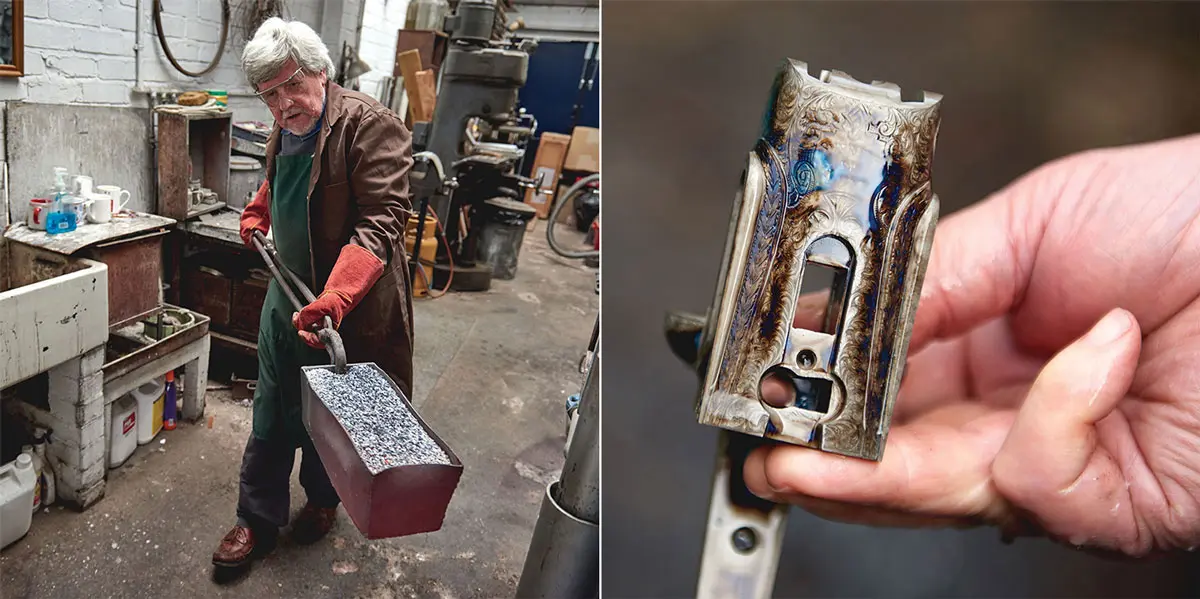
Quench the steel by dipping it quickly into oil or water. This cools the steel fast and hardens the surface. Oil works best for less cracking.
- Use a bucket of cool oil or water for quenching.
- Dip the steel fully and remove it after a few seconds.
- Dry the steel after quenching to stop rust.
Testing Hardness
Testing hardness is important when case hardening steel at home. It helps ensure the steel has the desired strength and durability. There are simple tests you can perform to check the hardness of your steel.
Simple Hardness Tests
You can use basic tools to test the hardness of steel. These tests are easy and do not require special skills.
- File Test: Use a metal file to scratch the surface. Hard steel resists the file.
- Scratch Test: Try to scratch the steel with a sharp object. Harder steel is harder to scratch.
- Hammer Test: Tap the steel lightly with a hammer. Listen for a clear, ringing sound.
Signs Of Successful Hardening
After hardening, look for signs that indicate success. These signs show the steel has gained the desired properties.
The steel should have a shiny, smooth surface. It should also be difficult to scratch or dent. If the steel breaks easily, it may be too brittle.
- Surface: Check for a smooth, shiny finish.
- Strength: Ensure it resists scratches and dents.
- Sound: A clear ring when tapped indicates good hardness.
Safety Tips
Case hardening steel at home can be dangerous. Safety is important to prevent accidents. Follow these tips to stay safe while working with heat and chemicals.
Handling Heat And Chemicals
Heat and chemicals are necessary for case hardening steel. Handle them with care to avoid burns and injuries. Always have a fire extinguisher nearby.
Work in a well-ventilated area to prevent inhaling fumes. Keep flammable materials away from your work area. Know the emergency procedures in case of an accident.
- Use tongs to handle hot steel
- Keep a safe distance from the heat source
- Store chemicals in labeled containers
Protective Gear Recommendations
Wearing the right protective gear is crucial. It shields you from burns, cuts, and chemical exposure. Equip yourself properly before starting the process.
Invest in quality gear to ensure maximum protection. Replace any damaged items immediately to maintain safety standards.
- Wear heat-resistant gloves
- Use safety goggles to protect your eyes
- Put on a long-sleeved apron
- Consider wearing a face shield for extra protection

Troubleshooting Common Issues
Case hardening steel at home can sometimes lead to problems. Knowing how to fix these issues helps you get better results.
Below are common problems and simple ways to solve them during the hardening process.
Uneven Hardening
Uneven hardening means some parts of the steel are harder than others. This can weaken the steel and cause poor performance.
- Make sure the steel surface is clean and free from oil or rust.
- Heat the steel evenly using a steady flame or heat source.
- Quench the steel quickly and fully to avoid soft spots.
- Turn or move the steel during heating to keep the temperature uniform.
Surface Cracks
Surface cracks appear when the steel cools too fast or heats unevenly. They weaken the part and can cause it to break.
| Cause | How to Fix |
| Too rapid cooling | Use a slower quench or warm oil instead of water |
| Overheating steel | Heat steel to recommended temperature only |
| Steel has impurities | Use high-quality steel without cracks or rust |
Soft Spots
Soft spots are areas that did not harden well. These spots reduce the steel’s strength and wear resistance.
To prevent soft spots:
- Ensure full immersion in the quenching liquid.
- Keep consistent heating temperature across the steel.
- Avoid reheating parts that already cooled down.
Maintaining Hardened Steel
Hardened steel needs care to keep its strength and appearance. Proper maintenance helps the steel last longer and work better.
This guide explains how to store hardened steel and protect it from rust and wear.
Proper Storage
Store hardened steel in a dry, cool place. Avoid damp areas that cause moisture buildup. Keep steel parts off the floor to prevent contact with water.
- Use sealed containers or plastic wrap to block air and humidity.
- Place silica gel packs nearby to absorb moisture.
- Keep steel away from chemicals that may cause corrosion.
- Label and organize steel to avoid unnecessary handling.
Preventing Rust And Wear
Rust damages hardened steel and reduces its hardness. Protect the steel surface by cleaning and applying protective coatings regularly.
| Action | Why It Helps |
| Clean steel with a dry cloth | Removes dirt and moisture |
| Apply oil or wax coating | Creates a barrier against water and air |
| Use rust inhibitors | Stops chemical reactions that cause rust |
| Inspect steel often | Finds early signs of wear or rust |
Frequently Asked Questions
What Is Case Hardening Steel At Home?
Case hardening steel at home involves adding a hard surface layer. This improves wear resistance while keeping a tough interior. It can be done using simple materials like charcoal and heat sources.
Which Steels Are Best For Home Case Hardening?
Low carbon steels are best for home case hardening. They absorb carbon easily during the process. Examples include mild steel or low carbon alloy steel, which harden well on the surface.
How Long Does Home Case Hardening Take?
Home case hardening usually takes 1 to 2 hours. This includes heating steel in a carbon-rich environment and quenching it. Timing depends on steel size and heating method.
Can I Case Harden Steel Without Special Equipment?
Yes, you can case harden steel at home without special tools. Use a simple heat source like a propane torch and common materials like charcoal. Proper safety precautions are essential.
Conclusion
Case hardening steel at home can improve your metalwork. Follow safe steps and use the right materials. Practice helps you get better results each time. Always handle tools with care to avoid accidents. This skill can add strength and durability to your projects.
Keep learning and experimenting to enhance your technique. Enjoy the process and the satisfaction of doing it yourself.