Have you ever needed to bend a steel plate but thought it was too hard to do at home? What if you could save time and money by doing it yourself, without expensive tools or professional help?
In this guide, you’ll discover simple, step-by-step methods to bend steel plates safely and effectively right in your own workshop. Whether you’re working on a DIY project or fixing something around the house, mastering this skill will give you confidence and control over your work.
Keep reading to learn how to bend steel plate at home like a pro.
Tools Needed For Bending Steel
Bending steel plates at home requires the right tools. Using proper tools makes the job easier and safer.
This guide covers hand tools, power tools, and safety gear you need for bending steel.
Essential Hand Tools
Hand tools help you measure, mark, and bend steel plates with control. They are important for small projects and precise bends.
- Measuring tape or ruler to get accurate lengths
- Soapstone or metal marker to mark bend lines
- Clamps to hold the steel plate firmly
- Hammer or mallet to help form bends
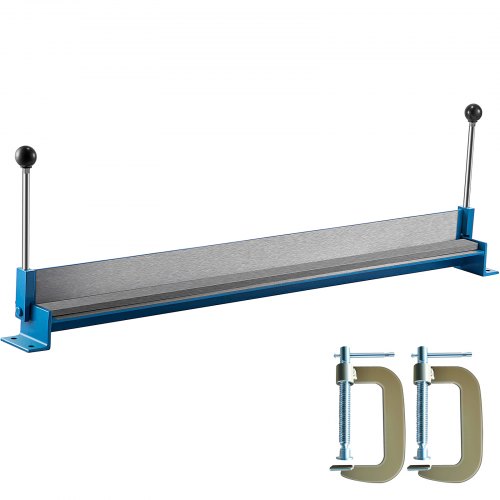
- Metal bending brake for straight and clean bends
Using Power Tools Safely
Power tools speed up bending but can be dangerous without care. Always follow safety steps when using them.
| Power Tool | Purpose | Safety Tip |
| Angle Grinder | Cut or trim steel plates | Wear eye and ear protection |
| Hydraulic Press | Apply strong bending force | Keep hands clear of moving parts |
| Power Drill | Create holes for bolts or pins | Use the right drill bit size |
Materials And Safety Gear
Using the correct materials and safety gear protects you during steel bending tasks.
- Steel plate:Choose the right thickness for your project
- Safety glasses:Protect eyes from sparks and metal shards
- Gloves:Prevent cuts and burns on your hands
- Hearing protection:Reduce noise damage from power tools
- Work boots:Guard feet from heavy falling steel
Preparing The Steel Plate
Bending a steel plate at home requires careful preparation. The right steps help make the bend clean and accurate.
Preparing the steel plate well protects it and makes the bending process easier. Focus on measuring, marking, cleaning, and heating.
Measuring And Marking
Measure the steel plate carefully before bending. Use a ruler or tape measure to find the exact points.
Mark the line where you want to bend. Use a permanent marker or a scribe for clear, visible lines.
- Place the steel plate on a flat surface.
- Use a straight edge to guide your markings.
- Mark both sides of the plate for accuracy.
- Double-check measurements to avoid mistakes.
Cleaning And Heating Options
Clean the steel plate before bending to remove dirt and oils. This helps heat spread evenly and protects the steel.
Heat the steel plate to make bending easier. Use a propane torch or a small forge if available.
- Wipe the surface with a cloth and degreaser.
- Use a wire brush to remove rust or paint.
- Heat the bend area until it glows red or orange.
- Keep safety gear like gloves and goggles on.
Simple Bending Methods
Bending steel plates at home can be done with simple tools. You do not need heavy machines for small projects.
These methods use common tools and some strength. Follow safe steps to bend your steel plate correctly.
Using A Vise And Hammer
Clamp the steel plate firmly in a strong vise. The edge should stick out where you want to bend.
Hit the steel with a hammer along the line where you want the bend. Use steady, even strikes.
- Mark the bend line clearly before starting
- Clamp the plate tightly in the vise
- Use a heavy hammer for better results
- Wear safety glasses and gloves
- Check the bend angle often
Leveraging A Pipe For Leverage
Place the steel plate on a solid surface with the bend line near the edge. Use a pipe to increase your force.
Put the pipe on the plate and push down slowly. The pipe helps you bend the steel without extra tools.
- Use a strong pipe that fits your hand well
- Keep the steel stable on the surface
- Apply slow, steady pressure
- Don’t rush to avoid cracking the steel
- Measure the bend frequently
Bending With Clamps And Workbench
Clamp the steel plate to the edge of a workbench. The bend line should be just outside the clamp.
Use your hands or a heavy object to push the free part of the plate down. This bends the steel slowly.
- Use strong clamps to hold the plate firmly
- Make sure the workbench edge is smooth
- Push evenly to avoid sharp bends
- Check the bend angle with a ruler or protractor
- Protect your hands with gloves

Advanced Techniques At Home
Bending steel plates at home can be done with the right tools and methods. These advanced techniques help you shape metal safely and effectively.
Using heat, pressure, or rolling tools, you can create different bends for various projects. Each method suits specific shapes and thicknesses.
Heat Bending With A Blowtorch
Heat bending uses a blowtorch to warm the steel plate until it becomes flexible. Heat softens the metal, making it easier to bend.
Focus the flame on the bend area and move it slowly. Heat the metal evenly to avoid cracks or weak spots.
- Wear protective gloves and eye protection
- Use a fire-resistant surface to work on
- Heat until the steel glows red for best results
- Bend the plate carefully using a clamp or pliers
Using A Homemade Press
A homemade press can bend steel plates by applying steady pressure. You can build one with wood or metal parts and a car jack.
Place the steel plate between two strong surfaces. Slowly raise the jack to push the plate into the desired shape.
- Use thick wood or metal for the press frame
- Ensure the base is stable and level
- Apply pressure gradually to avoid sudden breaks
- Measure the bend angle frequently for accuracy
Rolling For Curved Bends
Rolling bends create smooth curves by passing the steel plate through rollers. You can make a simple roller at home with pipes and a frame.
Feed the steel plate between the rollers and turn them slowly. Adjust the pressure and roll multiple times for deeper curves.
- Use strong pipes as rollers
- Build a sturdy frame to hold rollers in place
- Adjust roller distance for different bend radii
- Roll the plate slowly and check the curve often
Tips For Achieving Clean Bends
Bending steel plate at home can be done with care and simple tools. Getting clean bends takes patience and the right steps.
Follow some key tips to avoid damage and keep your steel plate looking good after bending.
Preventing Cracks And Breaks
Steel can crack or break if bent too fast or with too much force. Slow bending helps keep the metal strong.
Heating the steel plate before bending can also reduce the chance of cracks. Use a torch carefully to warm the bend area.
- Bend slowly and steadily
- Heat the steel at the bend point
- Use proper tools like clamps and a sturdy surface
- Avoid bending the same spot multiple times
Maintaining Accurate Angles
To get precise angles, measure and mark the bend line clearly. Use a square or protractor to check angles.
Support the steel well during bending to keep it from moving. This helps maintain the correct angle.
- Mark the bend line with a scribe or marker
- Use a bending jig or straight edge
- Check angle often with a protractor
- Adjust slowly to reach exact angle
Finishing And Smoothing Edges
After bending, edges might be sharp or rough. Smoothing these edges makes the piece safer to handle.
Use a file or grinder to remove burrs and sharp points. Sandpaper can help make edges smooth.
- File sharp edges carefully
- Use a grinder for larger rough spots
- Sand edges with fine-grit sandpaper
- Wear gloves and eye protection during finishing
Common Mistakes To Avoid
Bending steel plates at home can be tricky. Many people make mistakes that can lead to poor results or accidents. It is important to understand these mistakes to ensure safe and effective bending.
Here are some common mistakes to watch out for when working with steel plates. Avoiding these will help you achieve the best outcomes.
Overheating The Steel
Overheating the steel can cause it to become brittle. This makes it prone to cracking. Always monitor the temperature closely to avoid this mistake.
- Use a thermometer to check the temperature.
- Avoid heating the steel above 1200°F (650°C).
- Cool the steel gradually after heating.
Inadequate Support During Bending
Proper support is crucial during the bending process. Without it, the steel may bend unevenly or collapse. Ensure you have the right tools and setup.
Consider using a bending jig or clamp to maintain stability. This helps in keeping the steel steady during the bending process, ensuring even results.
Ignoring Safety Precautions
Ignoring safety precautions can lead to serious injuries. Always wear protective gear and follow safety guidelines.
| Safety Gear | Purpose |
| Gloves | Protects hands from heat and sharp edges |
| Goggles | Prevents eye injuries |
| Apron | Shields body from hot sparks |
Frequently Asked Questions
How Can I Safely Bend A Steel Plate At Home?
Use proper safety gear like gloves and goggles. Heat the steel with a torch for easier bending. Use clamps and a sturdy surface to control the bend precisely and avoid injuries.
What Tools Are Needed To Bend Steel Plates At Home?
Essential tools include a propane torch, clamps, a sturdy workbench, and a hammer or metal bending tool. Protective gear such as gloves and eye protection is crucial for safety.
What Thickness Of Steel Plate Can I Bend At Home?
You can typically bend steel plates up to 1/4 inch thick at home. Thicker plates require specialized equipment and more heat to bend effectively.
How Do I Heat Steel Plates For Bending?
Use a propane torch to heat the steel evenly until it glows red. Heating softens the metal, making it easier to bend without cracking or breaking.
Conclusion
Bending steel plate at home takes patience and the right tools. Always focus on safety first. Use heat and pressure carefully for better results. Practice makes the process easier over time. Keep your workspace clean and organized. Small mistakes can cause big problems, so go slow.
With effort, you can shape steel to fit your needs. Try different methods to find what works best. Enjoy the challenge and learn from each attempt.