Are you curious about growing hemp at home but unsure how many plants you can legally and practically handle? Knowing the right number of hemp plants to grow isn’t just about space—it affects your harvest, costs, and even compliance with local laws.
You’ll discover clear, straightforward answers to help you plan your hemp garden confidently. Keep reading to unlock everything you need to know before planting your first seed.

Legal Limits For Growing Hemp
Growing hemp at home is legal in many places, but rules vary. Knowing the limits helps you avoid trouble.
This guide explains laws on hemp growing, including federal rules, state differences, and needed permits.
Federal Regulations
The federal government allows hemp growing under strict rules. Hemp must contain less than 0.3% THC.
The 2018 Farm Bill permits hemp cultivation but requires testing and reporting. The law sets clear limits on plant count.
State Laws And Variations
Each state can add its own rules on hemp growing. Some states limit how many plants you can have.
- State A allows up to 10 hemp plants per household.
- State B requires all growers to register with local authorities.
- State C bans hemp growing for personal use.
- State D sets no plant limits but enforces THC testing.
Licensing And Permits
Many states require licenses or permits to grow hemp legally. These rules protect growers and consumers.
| Permit Type | Purpose | Cost Range |
| Grower License | Allows planting and harvesting hemp | $50 - $500 |
| Processor Permit | Needed to turn hemp into products | $100 - $1,000 |
| Testing Certification | Required for THC content analysis | $0 - $200 |
Factors Influencing Plant Quantity
Growing hemp plants at home depends on several factors. These factors decide how many plants you can grow safely and successfully.
Knowing these factors helps you plan your space and care for the plants properly. It also ensures you follow local laws and get good results.
Available Space
The amount of space you have is the first thing to consider. Hemp plants need room to grow both above and below ground.
- Indoor growers need to measure the square footage of the grow area.
- Outdoor growers must consider the size of their garden or yard.
- Each hemp plant usually needs at least 4 to 6 square feet of space.
- Crowded plants can lead to poor growth and disease.
Purpose Of Cultivation
Your goal for growing hemp affects how many plants you should grow. Different uses require different plant numbers and care.
| Purpose | Plant Quantity | Notes |
| Personal use (CBD oil) | 5 to 20 plants | Focus on quality, not quantity |
| Fiber production | 50 or more plants | Requires more space and care |
| Seed harvesting | 10 to 30 plants | Plants need space to develop seeds |
Local Climate Conditions
Climate affects hemp plant growth and how many plants you can grow. Temperature, sunlight, and rainfall are important.
Consider these climate points:
- Hemp grows best in temperatures between 60°F and 80°F.
- Too hot or too cold weather can reduce plant numbers.
- Good sunlight improves growth and yield.
- Too much rain or humidity can cause mold and disease.
Indoor Vs Outdoor Growing
Growing hemp plants at home can be done indoors or outdoors. Each option has benefits and challenges. Understanding these helps you decide how many plants to grow.
Indoor growing lets you control light and temperature. Outdoor growing depends on weather and space. Both affect plant growth and yield.
Space Requirements Indoors
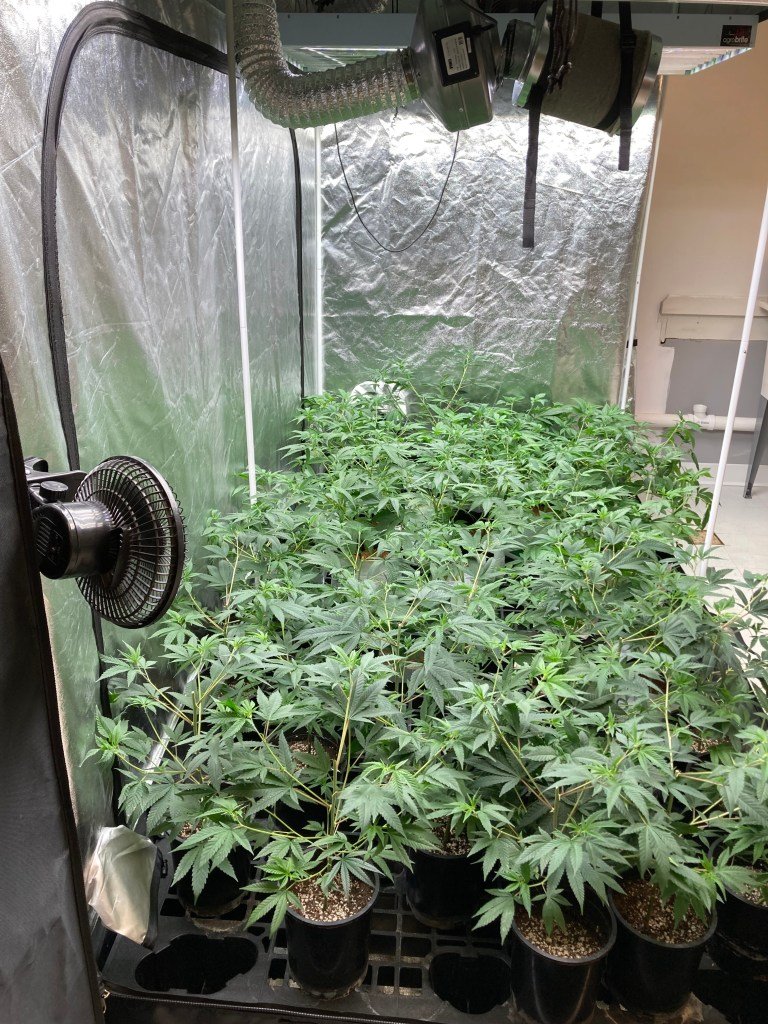
Indoor hemp plants need enough room to grow tall and wide. Limited space means fewer plants. You must also fit grow lights and ventilation.
Each hemp plant may require 2 to 4 square feet of space indoors. This includes room for leaves and roots to spread out.
- Use pots that are at least 5 gallons
- Keep plants 18-24 inches apart
- Allow space for equipment like lights and fans
Outdoor Planting Considerations
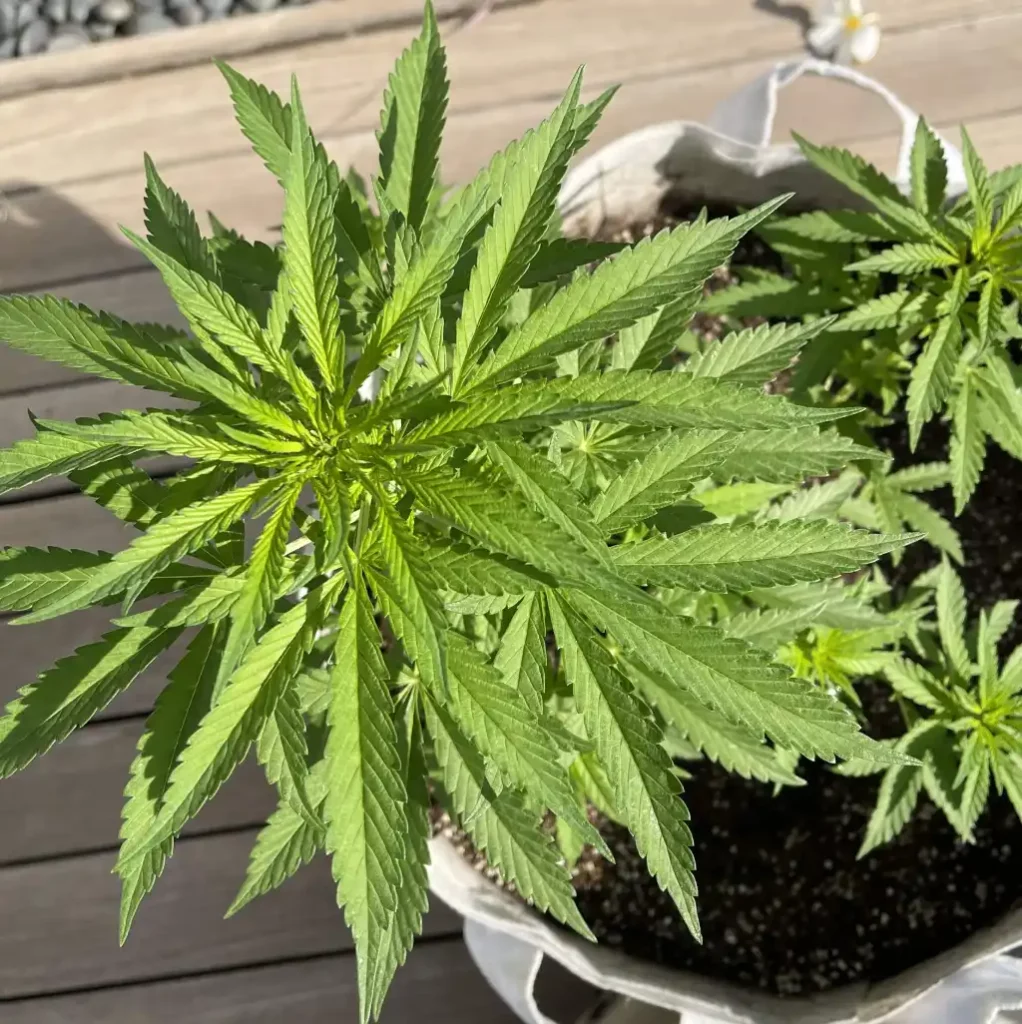
Outdoor hemp plants need enough soil and sunlight. They grow larger than indoor plants. Space depends on your yard size and local laws.
Plants need about 4 to 6 square feet each outdoors. You must also consider soil quality, water access, and weather risks.
- Check local rules on number of plants allowed
- Space plants 2-3 feet apart for good airflow
- Choose a sunny spot with good drainage
Yield Differences
Outdoor hemp plants usually produce more because they get natural sunlight. Indoor plants grow slower but can be harvested year-round.
Yield depends on plant size, light, and care. Outdoors, a single plant may yield 1-2 pounds. Indoors, yields are smaller but more controlled.
| Growing Type | Average Yield per Plant |
|---|---|
| Indoor | 0.5 to 1 pound |
| Outdoor | 1 to 2 pounds |
Choosing The Right Hemp Strain
Growing hemp at home starts with picking the right strain. Different hemp types suit different needs and spaces.
Understanding the differences in hemp strains helps you grow healthy plants that fit your goals and space.
High-cbd Vs Industrial Hemp
High-CBD hemp strains produce more cannabidiol, often used for wellness products. Industrial hemp strains focus on fiber and seed production.
- High-CBD strains need careful growth to boost CBD levels.
- Industrial hemp grows tall and sturdy for fibers.
- Legal limits on THC differ for each strain.
Growth Cycles
Hemp strains have different growth lengths. Some finish in a few months, others take longer.
| Strain Type | Typical Growth Time | Flowering Time |
| High-CBD | 90–120 days | 6–8 weeks |
| Industrial Hemp | 120–150 days | 8–12 weeks |
Plant Size And Density
Plant size varies by strain. Some grow tall and thin; others stay short and bushy.
Consider these points for plant spacing:
- Tall plants need more room to avoid crowding.
- Short plants can be grown closer together.
- Proper spacing improves air flow and reduces pests.
- Density affects how many plants fit in your space.
Maximizing Yield In Limited Space
Growing hemp at home can be rewarding but requires smart space usage. Understanding how to maximize yield in limited areas is key. Let's explore methods to achieve this.
Implementing strategic techniques will help you grow more plants without needing extra space. This guide covers essential methods for optimizing your home hemp garden.
Vertical Growing Techniques
Vertical growing is a method that utilizes the height of your space. This allows more plants to grow in a smaller footprint. Vertical systems are great for indoor gardens.
- Use shelving or racks to stack plants
- Install vertical planters on walls
- Employ trellises to support climbing varieties
Container Gardening Tips
Container gardening provides flexibility in arranging your plants. It enables easy movement and maximizes the use of available light and space.
| Container Type | Benefits |
| Fabric Pots | Improves root aeration |
| Plastic Pots | Lightweight and durable |
| Clay Pots | Good for moisture retention |
Pruning And Training Methods
Pruning and training your hemp plants help control growth and improve light penetration. These methods can significantly boost yield and plant health.
Training techniques like topping and LST (Low-Stress Training) encourage bushier growth. This allows better light access to lower branches.
Common Challenges When Growing Hemp At Home
Growing hemp at home can be rewarding but comes with challenges. You need to manage pests, nutrients, and laws carefully.
Each challenge affects how well your hemp plants grow. Knowing these issues helps you avoid problems early.
Pest And Disease Control
Pests and diseases can damage hemp plants quickly. Common pests include aphids, spider mites, and caterpillars.
- Check plants often for pests or signs of disease.
- Use natural sprays like neem oil to keep pests away.
- Remove infected leaves to stop disease spread.
- Keep the growing area clean and well-ventilated.
Nutrient Management
Hemp needs the right nutrients to grow strong. Too much or too little fertilizer can harm plants.
| Nutrient | Function | Signs of Deficiency |
| Nitrogen | Leaf growth | Yellow leaves |
| Phosphorus | Root development | Stunted growth |
| Potassium | Flower and fruit production | Brown leaf edges |
Legal Compliance Risks
Laws about growing hemp vary by location. Breaking rules can lead to fines or plant seizure.
- Know your local hemp growing laws before planting.
- Limit the number of plants if the law sets a maximum.
- Keep clear records of your hemp cultivation.
- Register your growing site if needed.
Harvesting And Post-harvest Handling
Growing hemp at home requires careful planning for harvest time. Proper handling after harvest ensures quality. Learn how to harvest and handle your hemp plants for the best results.
Timing the harvest, drying, and curing are key steps. Storage is important to keep your hemp fresh. Let's explore these processes in detail.
Timing The Harvest
Harvesting hemp at the right time is crucial. Check the plant's maturity before cutting. Look for milky white trichomes on the buds. This signals it is time to harvest.
Harvesting too early or late affects quality. Plan to harvest when your plants are at peak maturity. Use a magnifying glass to inspect the trichomes closely.
Drying And Curing Processes
After harvesting, dry the hemp properly. Hang the plants upside down in a dark, cool place. This helps remove moisture from the buds.
Once dry, cure the buds in glass jars. This process improves flavor and potency. Store the jars in a dark place and open them daily for air exchange.
- Dry in a cool, dark space for 7-14 days
- Cure in jars for at least 2 weeks
- Check jars daily to prevent mold
Storage Best Practices
Proper storage keeps hemp fresh longer. Use airtight containers to prevent air exposure. Store the containers in a cool, dark place.
Avoid plastic bags, as they can affect the taste. Glass jars with tight lids are best. Label each jar with the harvest date for easy tracking.
- Use airtight glass jars
- Keep in a cool, dark location
- Label jars with harvest date

Frequently Asked Questions
How Many Hemp Plants Can I Legally Grow At Home?
The legal limit varies by location. Check local laws before planting. Many places allow 3 to 12 plants per household. Compliance ensures safe, lawful cultivation.
What Factors Affect The Number Of Hemp Plants Grown?
Space, light, and local regulations impact plant quantity. Adequate space and light promote healthy growth. Always follow legal restrictions for best results.
Can I Grow Hemp Plants Indoors Or Outdoors?
Yes, hemp can grow indoors or outdoors. Indoor grows offer control over environment. Outdoor grows depend on climate and security. Both methods need compliance with local laws.
Do Hemp Plant Limits Differ For Personal Vs Commercial Use?
Yes, personal grows have stricter limits than commercial ones. Commercial cultivation requires licenses and larger spaces. Personal grows are typically limited to a few plants.
Conclusion
Growing hemp at home depends on your local laws and space. Count your plants carefully to stay legal. Small gardens may hold only a few plants. Bigger spaces can support more, but check regulations first. Quality matters more than quantity for a healthy crop.
Start with a few plants to learn and improve. Stay informed about changing rules in your area. Enjoy the process and watch your hemp grow strong. This careful approach helps you grow safely and well.