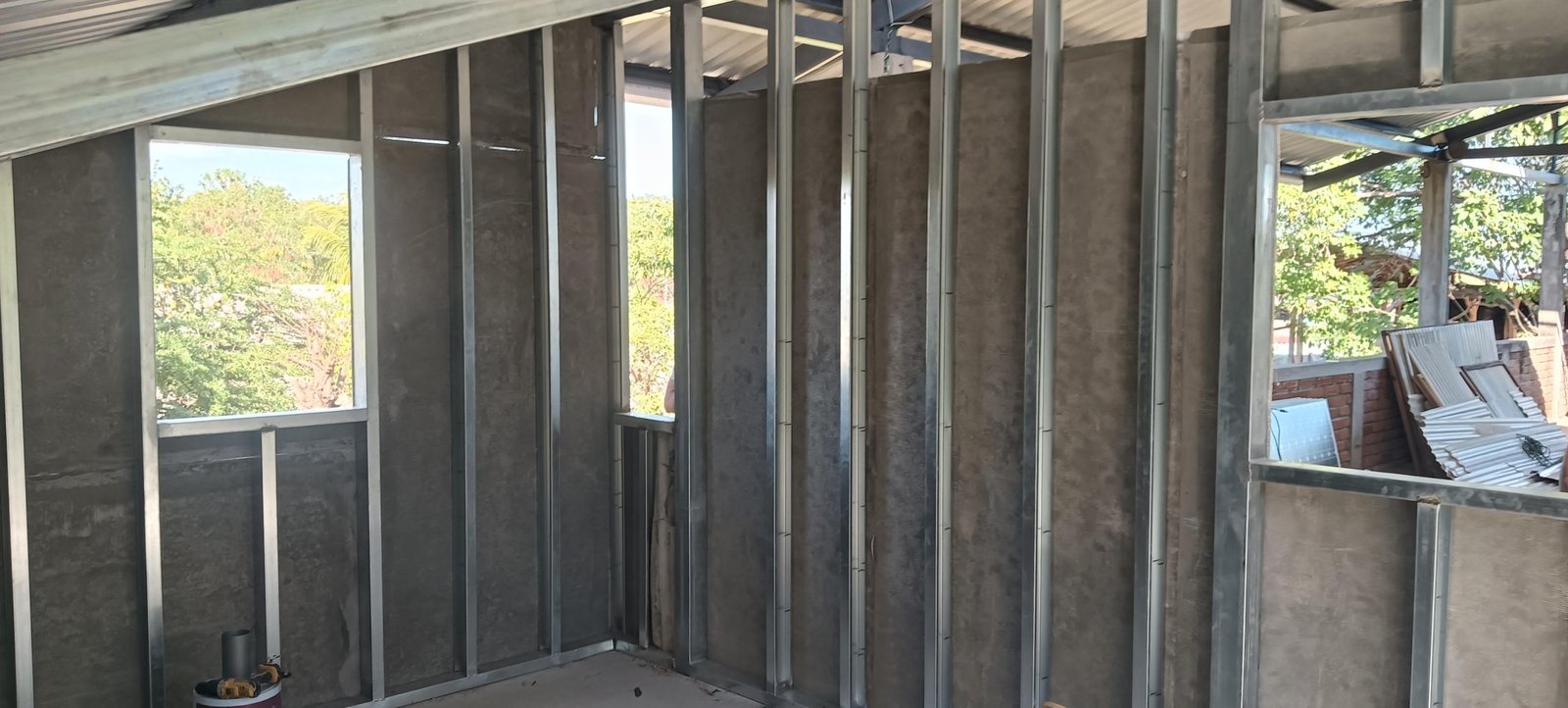
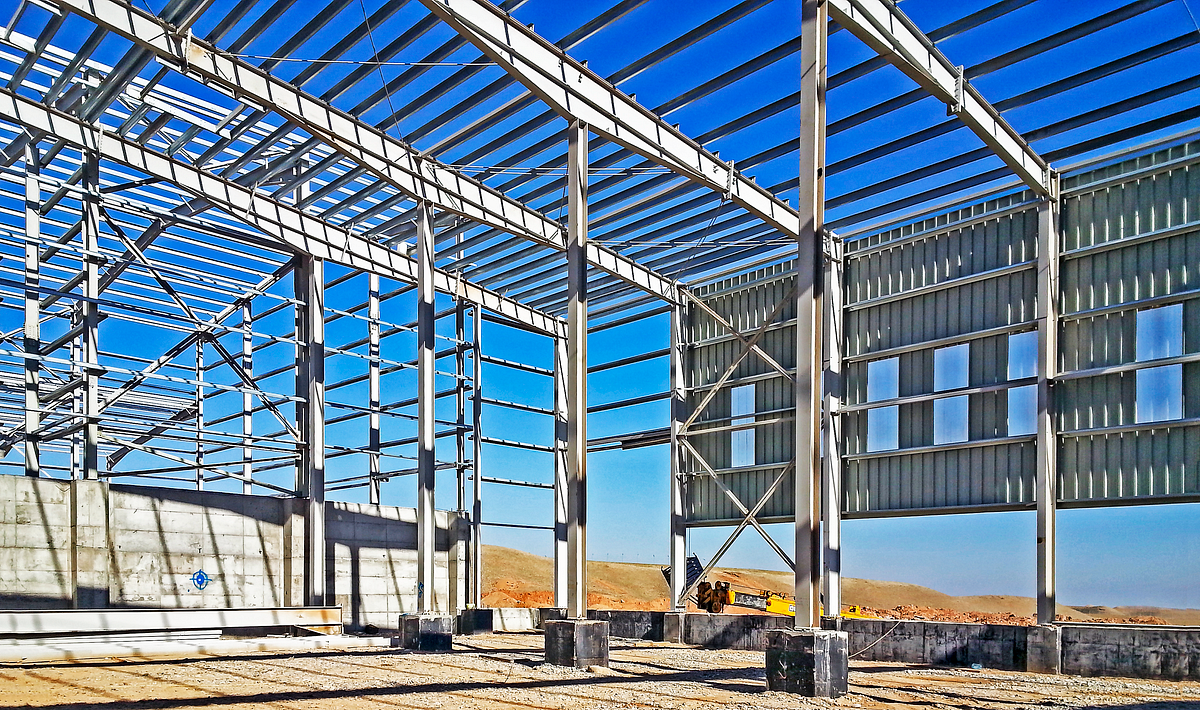
Are you thinking about building a steel frame home but worried about rust? It’s a common concern that might stop you from choosing steel.
After all, rust can damage metal and cause costly repairs. But is rust really something you need to fear with steel frame homes? You’ll discover the truth about steel frames and rust, and how you can protect your investment for years to come.
Keep reading to learn what every homeowner should know before making this important choice.

Why Steel Frames Are Popular
Steel frame homes have grown in popularity over recent years. They offer many benefits compared to traditional building methods.
This article explains why steel frames are a favored choice for home construction.
Durability And Strength
Steel frames are strong and last a long time. They resist damage from pests like termites and do not warp or crack like wood.
| Feature | Steel Frame | Wood Frame |
| Resistance to Termites | High | Low |
| Warping | No | Yes |
| Fire Resistance | High | Low |
Design Flexibility
Steel frames allow for flexible home designs. Builders can create large open spaces without many support walls.
- Supports longer spans
- Allows creative architectural styles
- Easy to modify or expand later
Environmental Benefits
Steel is recyclable and uses less natural resources. It helps reduce waste and lowers the home's carbon footprint.
- Recycled content reduces raw material use
- Durability lowers need for repairs and replacements
- Steel can be reused or recycled after demolition
Causes Of Rust In Steel Frames
Steel frame homes are known for their strength and durability. Still, rust can affect these structures over time. Rust weakens steel and can cause damage if not managed.
Understanding what causes rust helps owners protect their steel frames. This article explains the main causes of rust in steel frames.
Exposure To Moisture
Moisture is the most common cause of rust on steel frames. When steel is wet for long periods, it reacts with oxygen in the air. This reaction forms rust, which eats away the metal.
- Rain or snow that stays on steel
- High humidity in the air
- Leaks from plumbing or roof
- Poor drainage around the building
- Condensation forming on cool surfaces
Poor Protective Coatings
Steel frames often have coatings to stop rust. If these coatings wear out or are applied poorly, rust can start. Coatings include paint, galvanizing, or powder coating.
| Type of Coating | Protection Level | Common Issues |
| Paint | Moderate | Chips and cracks allow rust |
| Galvanizing | High | Can wear off over time |
| Powder Coating | High | Damaged by impact or scratches |
Environmental Factors
Some environments increase rust risk. Salt air near oceans speeds rust on steel. Industrial pollution can also cause steel to corrode faster.
Other environmental causes include:
- Acid rain that damages coatings
- Temperature changes causing metal to expand and crack
- Dust and dirt holding moisture close to steel
How Steel Frame Rusts Differ From Other Metals
Steel frame homes are known for their durability. They face different rust challenges compared to other metals.
Understanding how steel reacts with the environment helps in maintaining its longevity.
Corrosion Resistance Properties
Steel frames have unique corrosion resistance. This makes them stand out against other metals used in construction.
- Steel forms a protective layer when exposed to air.
- It is less reactive with water than iron.
- Alloying elements like chromium enhance rust resistance.
Types Of Steel Used In Construction
Different types of steel are used based on their properties. Each type serves a distinct purpose in building structures.
| Type of Steel | Application |
| Carbon Steel | General construction |
| Alloy Steel | High-stress environments |
| Stainless Steel | Corrosion-prone areas |

Preventing Rust In Steel Frame Homes
Steel frame homes are strong and durable. But steel can rust if it gets wet often.
Rust can weaken the steel and cause damage. Taking steps to prevent rust keeps homes safe.
Protective Coatings And Paints
Applying coatings and paints protects steel from moisture and air. This stops rust from forming.
Choose coatings made for steel and outdoor use. These create a strong barrier against water.
- Use zinc-rich primers to block corrosion
- Apply epoxy coatings for extra protection
- Paint regularly to fix any chips or cracks
Proper Maintenance Practices
Regular checks help spot rust early. Fixing small problems stops bigger damage.
Clean steel parts to remove dirt and moisture. Keep gutters clear to avoid water buildup.
- Inspect steel frames twice a year
- Touch up paint if it peels
- Remove rust spots with a wire brush
- Keep drainage systems working well
Design Considerations To Avoid Moisture
Design homes to keep steel dry. Avoid places where water can collect or stay long.
Good ventilation helps air flow and dries wet areas fast. Use materials that do not trap moisture.
- Build roofs with proper slopes to drain water
- Use moisture barriers in walls and floors
- Design overhangs to shield steel from rain
- Place steel away from soil contact
Signs Of Rust In Steel Frame Homes
Steel frame homes are strong and durable. But steel can rust if it gets wet or damaged.
Knowing the signs of rust helps you protect your home and keep it safe.
Visual Indicators
Rust often shows up as reddish-brown spots on steel. Look for areas where paint peels or bubbles.
Rust can also cause rough or flaky surfaces on the metal. Check corners and joints closely.
- Reddish-brown or orange discoloration
- Paint peeling or bubbling
- Flaky or rough metal surfaces
- Stains on nearby walls or floors
Structural Impact
Rust weakens steel frames. It can cause metal to thin and lose strength.
Weak frames may bend or break, risking the home’s safety and stability.
- Metal thinning and weakening
- Possible bending or warping
- Joint failure or loose connections
- Reduced load-bearing capacity
When To Call A Professional
Contact a professional if you see rust on important steel parts. Early help can stop damage.
Also call an expert if you notice cracks, sagging, or noises from the frame.
- Visible rust on load-bearing steel
- Cracks or sagging walls or ceilings
- Unusual sounds like creaking or popping
- Paint damage combined with metal corrosion
Repairing Rust Damage
Steel frame homes can develop rust if exposed to moisture. Rust weakens the metal and can cause damage over time. Repairing rust early keeps your home strong and safe.
Knowing how to treat rust depends on how bad the damage is. Small rust spots need simple care. Larger rust areas need more work to fix properly.
Minor Rust Treatment
For small rust spots, start by cleaning the area well. Use a wire brush or sandpaper to remove rust flakes. Then, apply a rust converter or primer to stop rust from spreading.
After treating rust, paint the area with a rust-resistant paint. This protects the steel from moisture and air. Check minor rust spots often to catch new rust early.
- Clean rust with brush or sandpaper
- Apply rust converter or primer
- Paint with rust-resistant paint
- Inspect regularly for new rust
Severe Damage Solutions
Severe rust can cause holes and weaken steel frames. In these cases, remove the rusted parts completely. Replace damaged sections with new steel to keep the structure safe.
It is important to hire professionals for severe rust repair. They have the right tools and skills. They also check the whole frame for hidden rust or damage.
- Cut out rusted steel pieces
- Install new steel sections
- Weld or bolt replacement parts securely
- Inspect full frame for hidden rust
Cost Implications
Minor rust repairs usually cost less. They need simple tools and paint. These repairs can often be done by homeowners.
Severe rust damage is more expensive. It needs new steel and skilled labor. Costs rise with the size of the damaged area and complexity of repairs.
| Repair Type | Approximate Cost | Time Needed |
|---|---|---|
| Minor Rust Treatment | Low ($50-$200) | Few hours |
| Severe Rust Repair | High ($500-$5000+) | Several days |
Steel Frame Longevity Compared To Wood
Steel frames last longer than wood in most conditions. They are strong and do not warp over time.
Wood frames can rot and weaken. Steel is a better choice for long-lasting homes.
Resistance To Pests And Rot
Steel frames do not attract pests. Termites and other insects cannot damage steel like they do wood.
Wood frames can rot when they get wet. Steel does not rot, even in damp conditions.
- Steel is pest-resistant
- Steel does not rot
- Wood is prone to termite damage
Maintenance Requirements
Steel frames need less maintenance. They do not need treatments for pests or rot.
Wood frames need regular checks. They may need chemicals to protect against insects and moisture.
- Steel requires less upkeep
- Wood needs frequent checks
- Wood may need pest treatments
Overall Lifespan
Steel homes have a long lifespan. They can last for many decades without losing strength.
Wood homes may need repairs more often. They can weaken over time due to pests and rot.
| Material | Average Lifespan |
| Steel | 50+ years |
| Wood | 30-50 years |
Choosing The Right Steel For Your Home
Steel frame homes are strong and long-lasting. Choosing the right steel helps prevent rust and damage.
Different types of steel resist rust in different ways. Knowing the options helps you pick the best one.
Galvanized Steel
Galvanized steel has a layer of zinc to protect it from rust. This layer stops water from reaching the steel.
This type is common in building homes. It is affordable and offers good rust protection.
- Coated with zinc for rust resistance
- Cost-effective and widely available
- Needs proper maintenance to keep coating intact
Stainless Steel
Stainless steel has chromium that keeps it from rusting. It does not need extra coatings.
This steel is very strong and lasts a long time. It costs more but requires less upkeep.
- Contains chromium for natural rust resistance
- High durability and low maintenance
- Higher cost compared to other steels
Other Alloys
Some steel alloys mix metals like nickel or copper. These metals help stop rust and add strength.
These alloys suit special needs. They can offer better rust resistance or be lighter in weight.
- May include nickel, copper, or other metals
- Designed for extra rust resistance or strength
- Can be more expensive and less common
Frequently Asked Questions
Do Steel Frame Homes Commonly Rust Over Time?
Steel frame homes can rust if exposed to moisture and air. However, modern steel is often treated with rust-resistant coatings. Proper maintenance and protective finishes greatly reduce rust risks, making steel frame homes durable and long-lasting.
How To Prevent Rust On Steel Frame Homes?
Prevent rust by applying protective coatings like paint or galvanization. Regular inspections and maintenance help spot early rust signs. Keeping steel dry and using weather-resistant materials also prevents corrosion, ensuring the home's structural integrity.
Are Steel Frames Better Than Wood For Resisting Rust?
Steel frames do not rot like wood but can rust if unprotected. Unlike wood, steel is fire-resistant and stronger. With proper treatment, steel frames offer superior durability and resistance to pests and environmental damage.
Can Rust Damage A Steel Frame Home's Structure?
Yes, severe rust can weaken steel frames, compromising structural strength. Early rust detection and treatment prevent serious damage. Maintaining protective coatings and timely repairs keep the steel frame safe and sturdy.
Conclusion
Steel frame homes resist rust better than many think. Proper coatings and maintenance keep steel strong and safe. Moisture and air cause rust, but protection slows it down. Choosing quality materials helps your home last longer. Regular checks catch issues before they grow.
Rust won’t ruin your home if you care for it. Steel frames offer durability and peace of mind. A smart choice for those wanting sturdy, lasting homes.