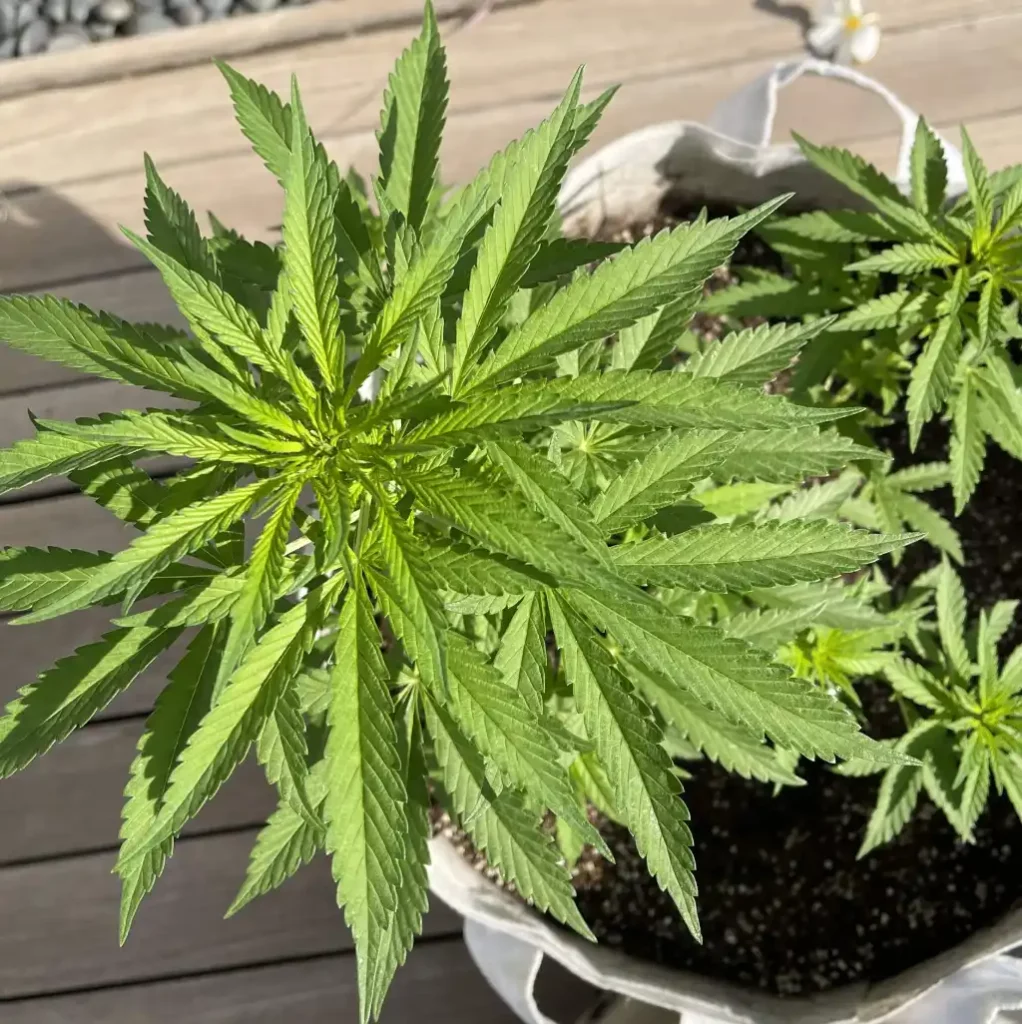
Have you ever wondered if you can grow hemp right in your own home? Imagine having a natural, versatile plant growing just steps away—one that can be used for everything from making clothes to creating wellness products.
But before you start planting, there are important things you need to know about legality, growing conditions, and care. If you want to find out how to successfully grow hemp at home and avoid common mistakes, keep reading. This guide will walk you through everything you need to get started with confidence.
Legal Considerations
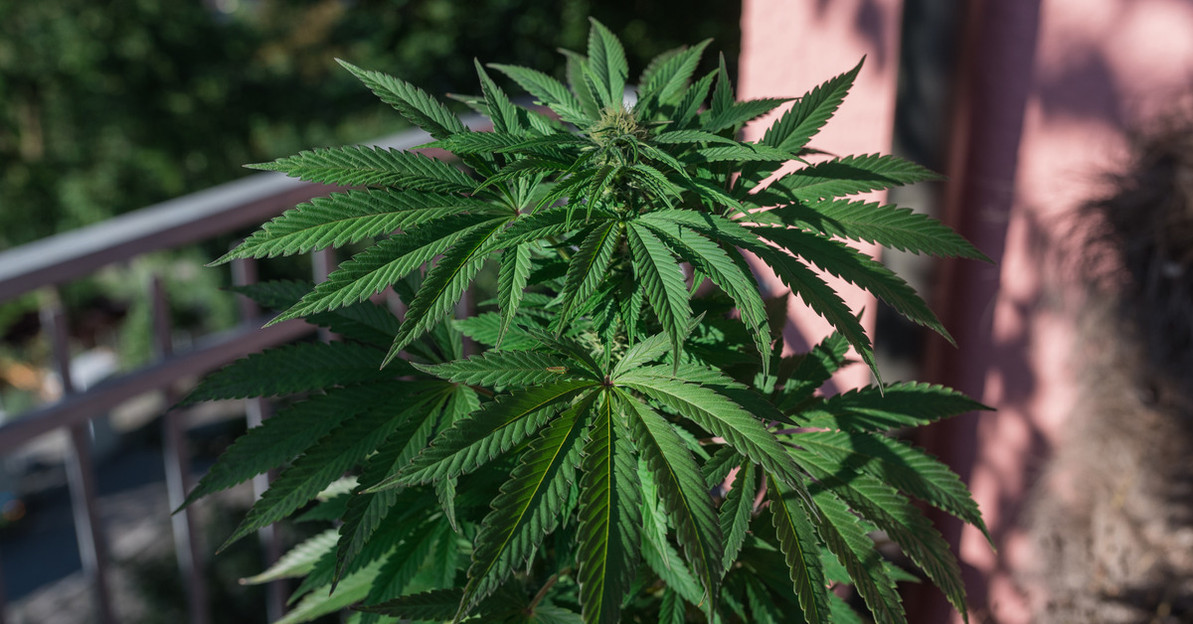
Growing hemp at home can be a rewarding hobby or business. It is important to understand the legal rules before starting. Laws about hemp vary by location and can be complex.
Knowing the legal considerations helps you avoid fines or legal trouble. This guide covers key points about hemp laws, licenses, and THC limits.
Hemp Laws By Region
Each country or state has its own hemp laws. Some places allow home growing, while others restrict it to licensed growers. Some regions ban hemp completely.
It is important to check local laws before planting hemp. Laws can change often, so stay updated with official sources.
- In the United States, hemp is legal federally but regulated by states.
- Canada permits hemp growing but requires registration.
- European countries have varied rules; some allow home growing with limits.
- Many Asian countries have strict bans on hemp cultivation.
Licensing Requirements
Most places require a license to grow hemp legally. A license ensures you follow safety and quality rules. Without it, you risk fines or plant destruction.
Licenses often need an application, fee, and background check. Some regions offer special permits for small or home growers.
- Apply through local agriculture or health departments.
- Provide details about your growing site and plans.
- Pay required fees and renew licenses yearly.
- Follow inspection and reporting rules.
Thc Limits And Testing
Hemp must contain low levels of THC, the compound that causes a high. Legal hemp usually has less than 0.3% THC. Higher levels classify the plant as marijuana.
Regular testing is needed to ensure THC stays below the legal limit. Tests may happen before harvest or during growth.
| Region | THC Limit | Testing Frequency |
|---|---|---|
| USA | 0.3% | Before harvest |
| Canada | 0.3% | Random or scheduled |
| EU | 0.2% to 0.3% | At planting and harvest |
Choosing The Right Seeds
Growing hemp at home begins with picking the right seeds. The seed type affects plant growth and yield. Understanding seed options helps you make the best choice.
Not all hemp seeds are the same. Knowing the differences in seed varieties, seed types, and seed quality is key for a successful crop.
Seed Varieties
Hemp seeds come in many varieties. Each type suits different climates and uses. Some seeds grow taller plants, while others produce more flowers.
- Fiber hemp seeds for strong stalks
- Seed hemp for edible seeds
- CBD hemp for high cannabidiol content
Feminized Vs Regular Seeds
Feminized seeds mostly grow female plants. Female plants produce flowers rich in CBD. Regular seeds grow both male and female plants.
| Seed Type | Plants Produced | Best For |
| Feminized | Almost all female | Flower and CBD production |
| Regular | Male and female | Breeding and seed production |
Seed Quality
High-quality seeds grow stronger plants. Quality seeds have good germination rates and no damage. Check seed source and look for clean, firm seeds.
- Choose seeds from trusted suppliers
- Look for seeds with no cracks or holes
- Check germination rate if available
- Store seeds in a cool, dry place
Preparing Your Growing Space
Growing hemp at home requires a good space setup. You must plan where and how to grow your plants. A proper setup helps your hemp grow healthy and strong.
Choosing the right environment and equipment will improve your chances of success. This guide covers key points to prepare your growing space well.
Indoor Vs Outdoor Setup
Decide if you want to grow hemp indoors or outdoors. Each option has benefits and challenges. Indoor growing gives control over conditions. Outdoor growing uses natural sunlight and air.
- Indoor:Control light, temperature, and humidity.
- Outdoor:Use natural resources like sun and rain.
- Indoor:Requires more equipment and energy.
- Outdoor:Depends on weather and seasons.
- Indoor:Protect plants from pests easily.
- Outdoor:Plants may face pests and animals.
Soil Vs Hydroponics
You can grow hemp in soil or use hydroponics. Soil is natural and easy for beginners. Hydroponics uses water and nutrients without soil.
| Growing Method | Pros | Cons |
| Soil | Natural, stores nutrients well | Can have pests, slower growth |
| Hydroponics | Faster growth, less pests | Needs more equipment, skill |
Lighting Needs
Light is key for hemp growth. Plants need enough light hours and the right type of light. Indoor growers must provide artificial light. Outdoor plants rely on the sun.
- Hemp needs 12 to 18 hours of light daily during growth.
- Use LED or HID lights indoors for best results.
- Keep lights close but not too hot for plants.
- Outdoor plants need at least 6 hours of direct sunlight.
- Adjust light schedule as plants move from growth to flowering.

Planting And Germination
Growing hemp at home starts with proper planting and germination. These early steps set the stage for healthy growth.
Understanding how to start seeds, the right soil, and the best temperature helps your hemp thrive.
Seed Starting Techniques
Begin by soaking hemp seeds in water for 12 to 24 hours. This softens the seed coat and improves germination.
- Place seeds between moist paper towels.
- Keep them in a warm, dark place.
- Check daily for sprouting roots.
- Plant sprouted seeds gently in soil.
Optimal Soil Conditions
Hemp grows best in loose, well-drained soil rich in organic matter. The soil pH should be between 6.0 and 7.5.
| Soil Type | pH Range | Drainage |
| Loamy | 6.0 - 7.5 | Good |
| Sandy Loam | 6.0 - 7.0 | Excellent |
| Clay (Avoid) | Less than 6.0 | Poor |
Temperature And Humidity
Keep the temperature between 70°F and 85°F for best germination. Humidity levels near 70% help seeds sprout well.
Use this guide for temperature and humidity:
- Maintain warmth with a seedling heat mat if needed.
- Cover seeds with plastic to keep humidity high.
- Ventilate daily to avoid mold.
Care And Maintenance
Growing hemp at home needs regular care to keep plants healthy. Proper maintenance helps plants grow strong and produce well.
Pay attention to watering, feeding, and protecting your hemp from pests and diseases. Each part is important for a good harvest.
Watering Schedule
Hemp plants need consistent watering but do not like soggy soil. Water deeply to reach the roots and allow soil to dry slightly between waterings.
- Water young plants every 2 to 3 days
- Increase watering frequency during hot weather
- Reduce watering if leaves start to droop or soil stays wet
- Use mulch to keep soil moist longer
Nutrient Requirements
Hemp needs nutrients like nitrogen, phosphorus, and potassium to grow well. Feeding plants with the right nutrients improves leaf and flower quality.
| Nutrient | Role | Signs of Deficiency |
|---|---|---|
| Nitrogen (N) | Supports leaf growth | Yellowing lower leaves |
| Phosphorus (P) | Helps root and flower development | Slow growth, dark leaves |
| Potassium (K) | Improves overall plant health | Leaf edges turn brown |
Pest And Disease Control
Protect hemp plants from common pests and diseases to avoid damage. Inspect plants often and act quickly if problems appear.
- Check leaves for insects or spots every week
- Use natural remedies like neem oil for pests
- Remove infected leaves or plants to stop spread
- Keep growing area clean and well-ventilated
Harvesting And Processing
Growing hemp at home requires careful attention to harvesting and processing. Understanding when and how to harvest is crucial for quality.
Processing involves drying and curing, which affect the final product. Proper methods ensure the best results from your hemp plants.
Signs Of Maturity
Knowing when your hemp is mature is key to a successful harvest. Look for visual and tactile signs to determine readiness.
- Flowering tops are dense and sticky
- Leaves may start to yellow
- Trichomes appear milky white
Harvesting Methods
There are different methods to harvest hemp, each suited to specific needs. Choose the right method for your home setup.
| Method | Description |
| Hand Harvesting | Manual cutting of plants |
| Machine Harvesting | Using a machine for large areas |
| Selective Harvesting | Picking mature buds only |
Drying And Curing
After harvesting, drying and curing are crucial steps. These processes enhance the flavor and potency of hemp.
Common Challenges
Growing hemp at home can be rewarding. Yet, it comes with challenges. Understanding these can help you succeed.
Three common issues are nutrient deficiencies, pests and mold, and legal risks. Let's explore each of these challenges.
Nutrient Deficiencies
Hemp plants need certain nutrients to grow well. Without them, plants can become weak. Watch for signs like yellow leaves.
To prevent this, provide balanced fertilizers. Testing soil can help you know what your plants need.
- Yellow leaves indicate nitrogen deficiency
- Purple stems may mean phosphorus is low
- Slow growth can be due to potassium shortage
Pests And Mold
Pests like aphids and spider mites can harm hemp plants. Mold is also a threat, especially in humid areas.
Keep your plants healthy by checking them often. Use natural pest controls and ensure good air circulation to reduce mold.
- Aphids can be washed off with water
- Neem oil is a natural pesticide
- Proper spacing helps prevent mold
Legal Risks
Growing hemp at home is not legal everywhere. Check local laws before planting. Even where it is legal, there might be rules to follow.
Understanding these rules can keep you out of trouble. You may need a permit or have to follow certain guidelines.
| Legal Requirement | Details |
| Permit | Some areas require permits to grow hemp |
| Plant Limit | There may be a limit on how many plants you can grow |
| THC Levels | Hemp must have low THC to be legal |

Maximizing Yield And Quality
Growing hemp at home can be rewarding if you focus on yield and quality. Proper care and techniques help your plants thrive. This guide covers key ways to boost your hemp harvest.
Understanding training methods, controlling the environment, and feeding plants correctly play a big role. Each factor supports strong growth and healthy crops.
Training Techniques
Training your hemp plants shapes them for better light exposure and airflow. This leads to bigger buds and higher yields. You can use simple methods at home.
- Low Stress Training (LST): Bend and tie branches to spread the plant out.
- topping: Cut the main stem to encourage side growth.
- Super Cropping: Gently crush stems to make plants stronger and bushier.
- Screen of Green (ScrOG): Use a screen to train plants horizontally.
Environmental Control
Keeping the right environment is critical for hemp growth. You need to control temperature, humidity, and light. These factors affect how well your plants develop.
| Factor | Ideal Range |
| Temperature | 70-85°F (21-29°C) |
| Humidity | 40-60% |
| Light | 18 hours on, 6 hours off (vegetative) |
| Light | 12 hours on, 12 hours off (flowering) |
Supplemental Feeding
Hemp plants need nutrients to grow strong and produce quality buds. You can feed them with natural or commercial supplements. Proper feeding supports healthy roots and flowers.
- Nitrogen for leaf growth during the vegetative stage.
- Phosphorus and potassium for flowering and bud development.
- Micronutrients like calcium and magnesium for overall health.
- Use organic compost or balanced fertilizers as needed.
Frequently Asked Questions
Can You Legally Grow Hemp At Home?
Laws vary by country and state. Check local regulations before growing hemp. Some places allow personal cultivation; others require licenses or forbid it.
What Are The Ideal Conditions To Grow Hemp Indoors?
Hemp needs 16-18 hours of light daily, well-drained soil, and temperatures between 60-80°F. Proper ventilation and humidity control improve growth.
How Long Does Hemp Take To Grow At Home?
Hemp typically takes 3-4 months from planting to harvest. Growth speed depends on strain, environment, and care.
What Equipment Is Needed For Home Hemp Cultivation?
Basic equipment includes quality soil, grow lights, pots, fans, and pH meters. Proper tools ensure healthy hemp plants indoors.
Conclusion
Growing hemp at home can be a rewarding experience. It needs space, light, and proper care. Check local laws before starting your hemp garden. Small steps lead to better results. Keep learning about the plant’s needs. Patience helps as hemp grows slowly.
Enjoy the process and watch your plants thrive. Home-grown hemp offers a sense of pride and connection to nature. Try it, and see what you can grow!