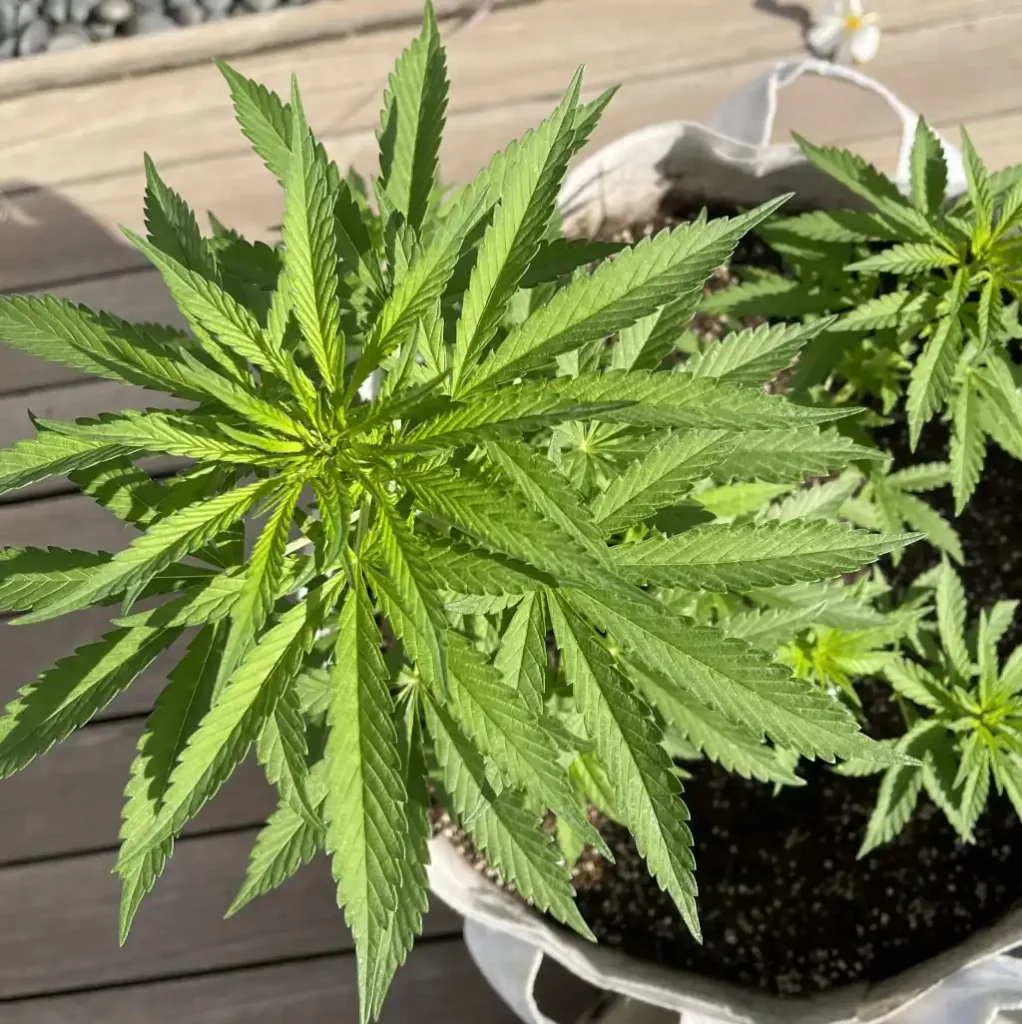
Have you ever wondered, “Can I grow hemp at home?” If you’re curious about starting your own hemp garden, you’re not alone. Growing hemp can seem tricky, but with the right guidance, it’s easier than you think.
Imagine having fresh hemp plants right at your fingertips, whether for crafting, health, or simply the joy of growing. You’ll discover what it takes to grow hemp safely and legally in your own space. Keep reading to unlock the secrets that can turn your home into a thriving hemp haven.
Legal Considerations
Growing hemp at home can be a good idea for some people. You must know the laws before you start. Different places have different rules.
Understanding legal limits and permissions helps you avoid trouble. Let’s look at some key points about hemp laws.
Hemp Laws By Region
Hemp laws are not the same everywhere. Some countries allow home growing, others do not. Even inside a country, states or provinces may have different rules.
- In the United States, hemp growing rules vary by state.
- Canada allows hemp farming but with strict controls.
- European countries have different laws depending on the region.
- Some Asian countries ban hemp growing completely.
Licensing Requirements
Many places require a license to grow hemp. This helps control the quality and legality. Without a license, growing hemp can be illegal.
Licenses often require you to apply and pay fees. Some regions ask for background checks or proof of land ownership.
- Check with local authorities before planting hemp.
- Apply for a license if your area requires one.
- Keep your license up to date while growing hemp.
Thc Limits And Testing
THC is the part of hemp that can cause a "high." Laws set limits on how much THC hemp can have. Usually, this limit is very low.
Hemp plants may be tested to check their THC levels. If the THC is too high, the plants may have to be destroyed.
- Legal hemp usually must have less than 0.3% THC.
- Testing is done by government or licensed labs.
- Growers must remove plants that exceed THC limits.

Choosing The Right Seeds
Growing hemp at home starts with selecting good seeds. The right seeds help your plants grow strong and healthy.
There are many types of hemp seeds. You must know which seed fits your needs and conditions.
Seed Types And Varieties
Hemp seeds come in various types and varieties. Some are better for fiber, others for oil or CBD production.
- Fiber hemp seeds produce strong stalks for textiles.
- Grain hemp seeds are grown for seeds and oil.
- Cannabinoid hemp seeds focus on CBD content.
- Autoflowering seeds bloom quickly without light changes.
Source Reliable Seeds
Buying seeds from a trusted source is very important. Poor seeds may not grow well or could be illegal.
| Source | What to Check |
| Licensed hemp farms | Seed quality and legality |
| Reputable seed banks | Seed variety and germination rates |
| Local growers | Adapted to local climate |
Feminized Vs Regular Seeds
Feminized seeds grow mostly female plants. These plants produce more flowers and less pollen.
Regular seeds grow male and female plants. You may need to remove males to avoid pollination.
- Feminized seeds:Higher flower yield, easier to grow.
- Regular seeds:Useful for breeding, may need more care.
Preparing The Growing Space
Growing hemp at home needs careful planning of your space. You must decide where to plant it and prepare that area well.
Good preparation helps hemp plants grow strong and healthy. Let’s look at key parts of setting up your growing space.
Indoor Vs Outdoor Setup
Choose between growing hemp indoors or outdoors. Each option has pros and cons to consider.
- Indoor:You control light, temperature, and humidity.
- Outdoor:Plants get natural sunlight and fresh air.
- Indoor needs more equipment but protects plants from pests.
- Outdoor requires good soil and weather conditions.
Soil And Container Selection
Good soil and containers help hemp roots grow well. Pick the right kind for your setup.
| Soil Type | Container Type |
| Loamy soil with good drainage | Plastic pots with drainage holes |
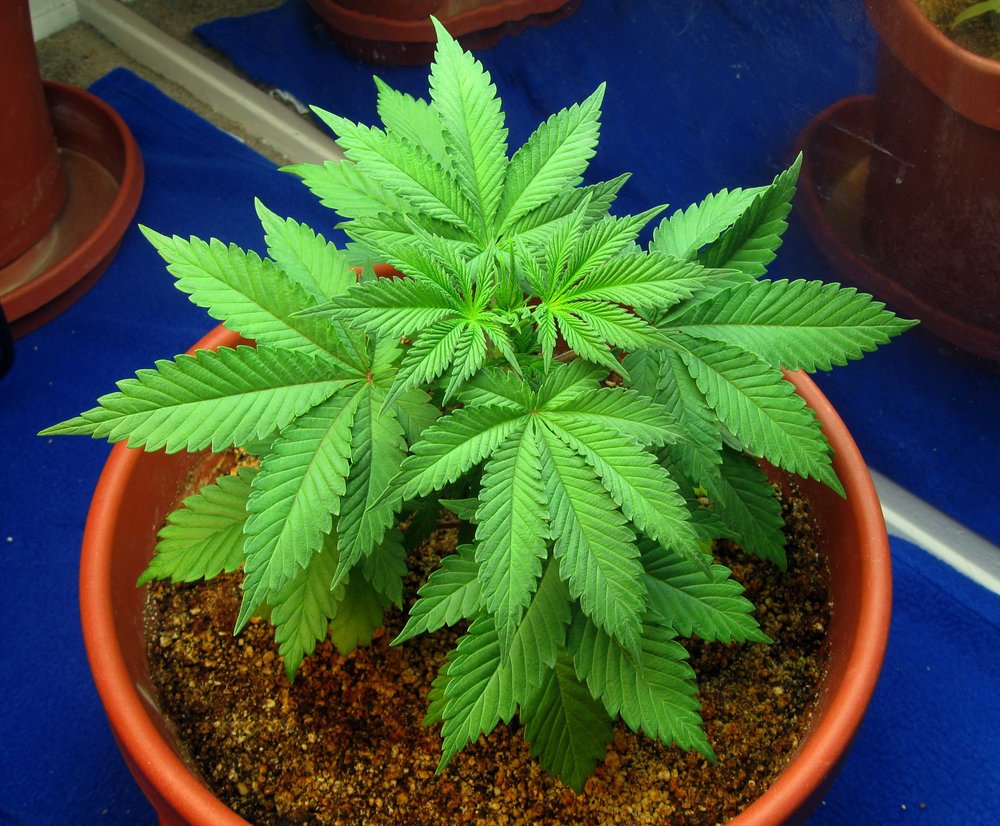
| Rich in organic matter | Fabric grow bags for air pruning |
| pH level between 6.0 and 7.5 | Clay pots with good airflow |
Lighting And Ventilation
Hemp plants need enough light and fresh air to grow strong. Proper lighting and airflow prevent problems.
For indoor setups, consider these tips:
- Use LED grow lights or full-spectrum bulbs.
- Keep lights 12 to 18 inches above plants.
- Ensure 12-18 hours of light daily during growth.
- Provide good airflow with fans to avoid mold.
Planting And Germination
Growing hemp at home starts with good planting and germination. This stage is key for healthy plants and a good harvest.
Understanding how to germinate seeds and plant them properly helps hemp grow strong and fast. Let’s look at the basics.
Seed Germination Techniques
Germination means waking up the seed so it starts to grow. You can use simple ways to help seeds sprout.
One easy way is to place seeds between wet paper towels. Keep them moist and warm for a few days.
- Use clean paper towels and keep them damp, not soaking wet.
- Put the towel with seeds in a warm place, about 70°F (21°C).
- Check daily for small roots appearing from the seeds.
- Once roots are about 1 cm long, plant seeds in soil.
Optimal Planting Depth
Planting seeds at the right depth helps them get enough air and water. It also protects them from birds and pests.
Plant hemp seeds about 0.5 to 1 inch (1.3 to 2.5 cm) deep in soil. Shallow planting dries out seeds fast.
- Too deep planting slows seed growth.
- Too shallow planting may dry out seeds.
- Cover seeds lightly with soil and water gently.
Spacing And Arrangement
Giving hemp plants enough space helps them grow well. Crowded plants compete for light and nutrients.
Space hemp plants about 12 to 18 inches (30 to 45 cm) apart in rows. Leave 24 to 36 inches (60 to 90 cm) between rows.
- Good airflow reduces mold and pests.
- More space means bigger, healthier plants.
- Arrange rows north to south for best sun exposure.
Nurturing Hemp Plants
Growing hemp at home requires careful attention to its needs. Good care helps plants grow strong and healthy.
This guide covers watering, nutrients, and climate control for your hemp garden.
Watering Schedules
Hemp plants need regular watering, but too much water can harm roots. Check soil moisture often.
- Water young plants every 2-3 days.
- Increase watering as plants grow larger.
- Allow top inch of soil to dry before watering again.
- Use well-drained soil to avoid waterlogging.
Nutrient Needs
Hemp plants need key nutrients to thrive. Nitrogen, phosphorus, and potassium are very important.
| Nutrient | Role | When to Apply |
| Nitrogen (N) | Supports leaf growth | Vegetative stage |
| Phosphorus (P) | Helps root and flower development | Flowering stage |
| Potassium (K) | Improves overall plant health | All stages |
| Calcium | Strengthens cell walls | All stages |
Temperature And Humidity Control
Hemp grows best in warm temperatures with moderate humidity. Keep conditions steady for best results.
- Temperature: 70-85°F (21-29°C)
- Humidity: 40-60% during growth
- Lower humidity (30-40%) during flowering
Use fans and vents to keep air moving. Avoid damp, cold spots to prevent mold.
Pest And Disease Management
Growing hemp at home can be rewarding, but pests and diseases can be a challenge. Managing them is crucial to ensure healthy plants.
Understanding common pests and using preventive measures can protect your hemp. Organic treatments are also effective in maintaining plant health.
Common Pests
Several pests can affect hemp plants. Recognizing them early helps in managing their impact.
- Aphids: Small insects that suck sap from leaves.
- Spider mites: Tiny bugs that cause yellow spots on leaves.
- Caterpillars: Chew holes in leaves, affecting growth.
Preventive Measures
Preventing pests is easier than dealing with infestations. Use simple steps to keep them at bay.
- Keep plants spaced to allow air circulation.
- Remove dead leaves to reduce hiding spots for pests.
- Inspect plants regularly for early signs of pests.
Organic Treatment Options
Organic treatments are safe for the environment and effective against pests. They protect your hemp without harmful chemicals.
- Neem oil: Natural insecticide that repels many pests.
- Soap spray: Mix water and dish soap to kill soft-bodied insects.
- Diatomaceous earth: Powder that damages insect exoskeletons.
Harvesting And Processing
Growing hemp at home can be rewarding. Knowing when and how to harvest is key. Proper processing ensures the best quality.
Let’s explore signs of maturity, harvesting techniques, and tips for drying and curing your hemp.
Signs Of Maturity
Hemp plants show maturity with certain signs. Recognizing these signs helps you pick the right time to harvest.
- Trichomes turn from clear to milky white
- Pistils change from white to brown
- Leaves may start to yellow
Harvesting Techniques
Choosing the right harvesting technique is crucial. This affects the quality and yield of your hemp.
Use sharp scissors to cut stalks at the base. Handle the plants gently to avoid damaging the buds.
Drying And Curing Tips
Drying and curing are vital for good hemp. They improve taste and potency.
- Hang plants upside down in a cool, dark place
- Ensure good air circulation to prevent mold
- Check plants daily for dryness and aroma
- Once dry, cure in jars for at least two weeks
Troubleshooting Common Issues
Growing hemp at home can be rewarding but may come with some challenges. Knowing how to spot and fix common problems helps keep your plants healthy.
This guide covers three frequent issues: yellowing leaves, slow growth, and mold or mildew. Learn how to identify causes and solutions for each.
Yellowing Leaves
Yellow leaves usually mean your hemp plant lacks nutrients or has poor watering habits. It might also show signs of pests or root problems.
- Check soil moisture; avoid overwatering or drought.
- Use balanced fertilizer with nitrogen, phosphorus, and potassium.
- Inspect leaves for pests like spider mites or aphids.
- Improve soil drainage to prevent root rot.
Slow Growth
Slow growth can result from low light, poor soil, or wrong temperatures. Hemp needs the right conditions to thrive and grow fast.
| Cause | Solution |
| Insufficient light | Move plants to a sunnier spot or add grow lights |
| Poor soil quality | Use nutrient-rich soil with good drainage |
| Low temperature | Keep temperature between 60-80°F (15-27°C) |
Mold And Mildew
Mold and mildew grow in damp, crowded conditions. They harm hemp leaves and reduce yield if not treated early.
Tips to prevent and fix mold and mildew:
- Keep air flowing around plants by spacing them well.
- Avoid wetting leaves when watering; water soil only.
- Remove infected leaves immediately to stop spread.
- Use natural fungicides like neem oil or baking soda spray.

Frequently Asked Questions
Can I Legally Grow Hemp At Home?
Growing hemp at home depends on your local laws. Many places require licenses or permits. Always check state and federal regulations before planting to ensure compliance and avoid legal issues.
What Conditions Are Needed To Grow Hemp Indoors?
Hemp needs plenty of light, good ventilation, and controlled humidity indoors. Use grow lights for 12-18 hours daily. Maintain temperatures between 60-80°F and ensure proper airflow to prevent mold and pests.
How Long Does Hemp Take To Grow At Home?
Hemp typically takes 3 to 4 months to mature. The exact time depends on the strain and growing conditions. Regular care and monitoring can optimize growth and yield for home growers.
Can I Use Hemp For Cbd Extraction At Home?
Yes, you can grow hemp for CBD, but extraction requires special equipment and knowledge. Home extraction may be limited by local laws. Always research legal restrictions and safety before attempting CBD extraction.
Conclusion
Growing hemp at home can be a rewarding experience. Check local laws first to stay safe. Hemp needs good light, water, and care to grow well. It can take time and patience. Small spaces work fine for starting plants. Learning about hemp helps you grow it better.
Remember, each plant grows differently. Start small, watch closely, and enjoy the process. Home hemp growing is possible with the right steps. Try it and see what you can achieve!