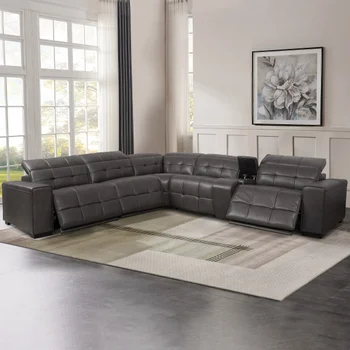
Thinking about adding a reclining sectional to your living room? You’re probably wondering if it will fit just right without overcrowding your space.
Choosing the perfect furniture isn’t just about style—it’s about comfort, function, and making sure your room feels inviting. You’ll discover simple tips to measure your space, understand key dimensions, and pick a reclining sectional that suits your living room perfectly.
Keep reading to find out how to transform your space without the guesswork.
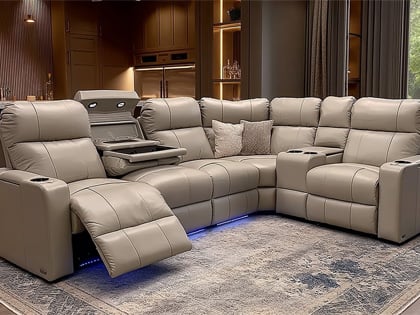
Credit: www.theaterseatstore.com
Measuring Your Living Room Space
Knowing your living room size helps you choose the right reclining sectional. Accurate measurements avoid buying furniture that is too big or too small.
Take your time measuring each part of the room. This step makes sure your new sectional fits well and leaves room for movement.
Key Dimensions To Note
Measure the length and width of your living room floor. Note any areas that have fixed furniture or built-in features. Also, check the height of the ceiling if your sectional has tall backs or features.
| Dimension | What to Measure | Why It Matters |
| Length | Distance from one wall to the opposite wall | Ensures sectional fits without crowding |
| Width | Distance from side wall to side wall | Allows enough space for seating and movement |
| Ceiling Height | Floor to ceiling height | Important for tall sectional backs or accessories |
| Fixed Objects | Built-in shelves, fireplaces, windows | Helps avoid blocking or tight spots |
Accounting For Walkways And Doors
Measure the width of any walkways or doorways near your sectional. You need enough clearance for comfort and easy movement.
- Leave at least 24 inches for walkways to pass comfortably.
- Check the width of doorways to make sure the sectional fits through during delivery.
- Keep space near doors to allow them to open fully.
- Consider any traffic patterns when placing your sectional.
Choosing The Right Sectional Size
Picking the right size for your reclining sectional is key. It needs to fit your living room well.
Too big or too small can make the space feel crowded or empty. Measure your room before buying.
Small Vs. Large Sectionals
Small sectionals work well in tight spaces. They offer comfort without crowding the room.
Large sectionals fit bigger rooms. They provide more seating and a cozy feel for groups.
- Small sectionals save floor space
- Large sectionals fill open areas nicely
- Think about how many people will use it
- Consider the shape of your room
Modular And Custom Options
Modular sectionals let you arrange pieces in many ways. They adapt to your room size and shape.
Custom sectionals are made to fit your space perfectly. You choose size, style, and features.
- Modular sets can grow or shrink
- Custom options fit odd room shapes
- Both give flexibility in design
- Think about your future needs
Layout Ideas For Reclining Sectionals
Reclining sectionals add comfort and style to your living room. Planning their layout helps them fit well and look great.
Think about space, seating needs, and room features before placing your sectional. Good planning improves your living room's flow.
Maximizing Seating And Comfort
Arrange your reclining sectional to allow easy access to each seat. Leave enough space for reclining without blocking walkways.
Use extra pillows or small side tables to enhance comfort. Group seats so people can chat and relax together.
- Keep 3 feet of space in front for reclining
- Place seats facing the main activity area
- Use ottomans for added footrests
- Include side tables for drinks and remotes
Placement Near Walls And Windows
Position your sectional near walls to save space. Avoid placing it too close to windows to prevent damage from sunlight.
Leave room for curtains and window treatments to open fully. Use natural light to brighten seating areas without glare.
- Keep at least 12 inches between sectional and walls
- Place sectional perpendicular to windows to reduce glare
- Use rugs to define the seating area near walls
- Ensure window treatments do not block reclining motion
Considering Reclining Mechanisms
Choosing a reclining sectional requires thinking about how it fits your room. The reclining mechanism affects space and comfort.
This guide focuses on space needs and types of reclining mechanisms to help you decide.
Space Needed To Recline
Reclining seats need extra room to fully open. You must plan enough space behind and in front of the sectional.
- Measure the depth of the sectional when reclined.
- Allow at least 12 to 18 inches behind the seat for clearance.
- Check the room layout to avoid blocking walkways.
- Consider how much space the footrest takes when extended.
Manual Vs. Power Recliners
Manual and power recliners use different methods to adjust the seating position. Each type has space and operation differences.
| Type | Operation | Space Needed | Ease of Use |
| Manual Recliner | Pull lever or push back | Needs some clearance behind | Requires physical effort |
| Power Recliner | Electric motor controlled by buttons | Needs less clearance behind | Easy for all users |
Style And Material Choices
Choosing a reclining sectional for your living room requires thoughtful decisions about style and materials. This ensures it complements your space and meets your needs.
Understanding your options helps in making an informed choice. Let’s explore how to match your room decor and the durability of different materials.
Matching Your Room Decor
Reclining sectionals come in various styles to suit any decor. Consider the existing colors and themes in your living room.
Neutral colors blend easily with most decors. Bold colors can make a statement in your living space.
- Modern sectionals suit minimalist spaces
- Traditional designs fit classic rooms
- Transitional styles work with mixed themes
Durability And Maintenance
Different materials offer varying durability for reclining sectionals. Leather is sturdy and ages well with proper care.
Fabric options may require more maintenance but offer a softer feel. Consider your lifestyle and how much upkeep you prefer.
- Leather is easy to wipe clean
- Microfiber resists stains
- Fabric may need regular vacuuming
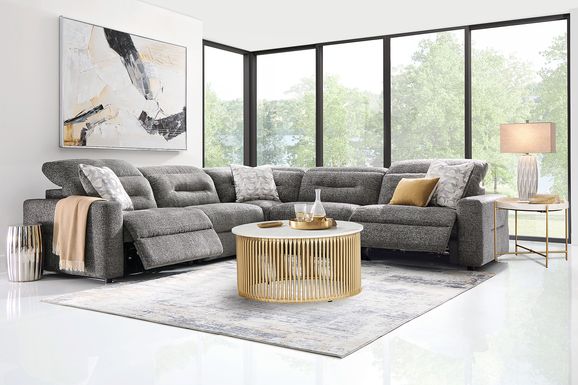
Credit: www.roomstogo.com
Common Fit Issues And Solutions
Choosing a reclining sectional for your living room requires careful planning. Fit issues can make delivery and placement difficult.
Knowing common challenges helps you prepare and adjust your space. This guide covers doorway and staircase challenges and room layout tips.
Doorway And Staircase Challenges
Reclining sectionals can be bulky and hard to move through narrow doorways or tight staircases. Measure all entry points before ordering.
- Measure the width and height of all doorways and hallways.
- Check stair width and ceiling height on staircases.
- Consider if the sectional can be disassembled or comes in smaller pieces.
- Plan the route from the entry to the living room carefully.
- Use furniture sliders or get professional help for tight spots.
Adjusting Room Layout
Sometimes a sectional fits the room but blocks doors or walkways. Adjusting the layout improves space and flow.
| Issue | Solution |
| Sectional blocks doorway | Move sectional away from door or choose smaller size |
| Limited walking space | Rearrange furniture to create clear paths |
| Room feels cramped | Use sectional with slimmer profile or modular pieces |
| TV viewing angle is poor | Rotate sectional or reposition TV for better sightlines |
Shopping Tips For Sectionals
Choosing the right sectional for your living room is important. It needs to fit and offer comfort. Consider size, design, and features before buying.
Reclining sectionals offer comfort with adjustable seating. Ensure it fits your space and meets your needs. Proper planning helps in making the right choice.
Testing Recline Features
Reclining sectionals have unique features. Test them in the store before buying. Check for comfort and ease of use.
- Test the reclining mechanism for smooth operation.
- Ensure the footrest extends easily and locks in place.
- Check if the backrest offers adequate support.
Delivery And Assembly Considerations
Delivery and assembly are key for sectionals. Know what to expect when the furniture arrives.
| Consideration | Details |
| Delivery Area | Measure doorways and paths for easy delivery. |
| Assembly | Check if assembly is included or requires extra cost. |
| Space Planning | Plan where each sectional piece will be placed. |
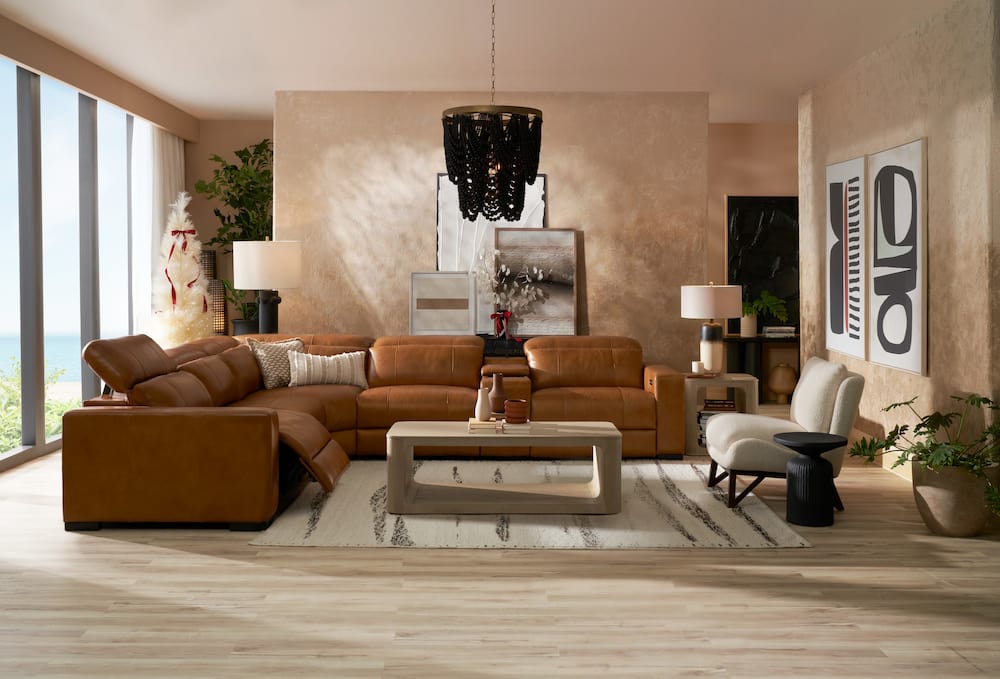
Credit: www.valuecityfurniture.com
Frequently Asked Questions
How To Measure My Living Room For A Reclining Sectional?
Measure your room’s length, width, and doorways carefully. Note the available space and consider walking paths. Ensure the sectional fits comfortably without crowding other furniture.
What Space Is Needed For Reclining Sectionals To Open?
Leave at least 18-24 inches behind the sectional for recliner clearance. This space allows the seats to fully recline without obstruction or damage.
Can A Reclining Sectional Fit In Small Living Rooms?
Yes, compact reclining sectionals are designed for smaller spaces. Choose models with slim arms and modular pieces to maximize room efficiency.
How To Choose The Right Reclining Sectional Style?
Consider your room size, decor style, and comfort needs. Select a sectional that complements your living room’s aesthetics and functional requirements.
Conclusion
Choosing a reclining sectional means balancing comfort and space. Measure your living room carefully before deciding. Think about how much space the recliner needs when open. Consider walking paths and other furniture in the room. A well-chosen sectional can add style and comfort.
Take your time to find the right fit for your space. This helps you enjoy your living room fully and comfortably.