Choosing the right sofa size for your living room can feel like a tricky puzzle. You want something that fits perfectly without crowding the space or looking too small.
But how do you know what size will work best for your room and lifestyle? This guide will help you find the ideal sofa size that matches your space, style, and comfort needs. By the end, you’ll feel confident making a choice that transforms your living room into a cozy and inviting place you’ll love to spend time in.
Keep reading to discover easy tips and smart tricks tailored just for you.
Measure Your Space
Choosing the right sofa size depends on your room space. Measuring your area helps you pick a sofa that fits well.
Take accurate measurements before buying. This avoids problems with fitting or blocking other furniture.
Room Dimensions
Measure the length and width of your living room. Note the ceiling height to see how tall your sofa can be.
Leave space around the sofa for walking and other furniture. This keeps the room comfortable and open.
- Measure walls where the sofa will go
- Note windows and radiators
- Allow at least 2 feet of walking space
Doorways And Pathways
Measure doorways and hallways that the sofa must pass through. Check if the sofa can fit when moved inside.
Consider the sofa’s height, width, and length during delivery. Narrow paths can limit your sofa choices.
- Measure main entry door width and height
- Check hallway and stair width
- Think about turning corners with the sofa
Other Furniture
Measure any furniture near the sofa space. This helps you avoid overcrowding the room.
Plan for tables, chairs, and shelves. Leave enough room for people to move freely around the sofa.
- Note sizes of coffee tables and side tables
- Measure chairs or recliners nearby
- Keep paths clear for easy walking
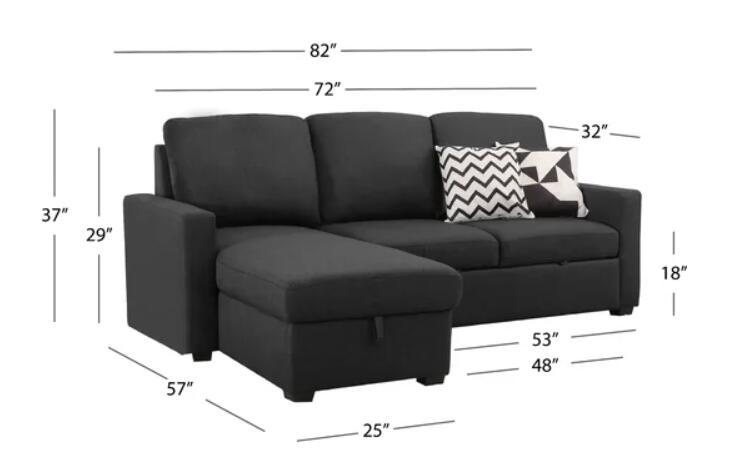
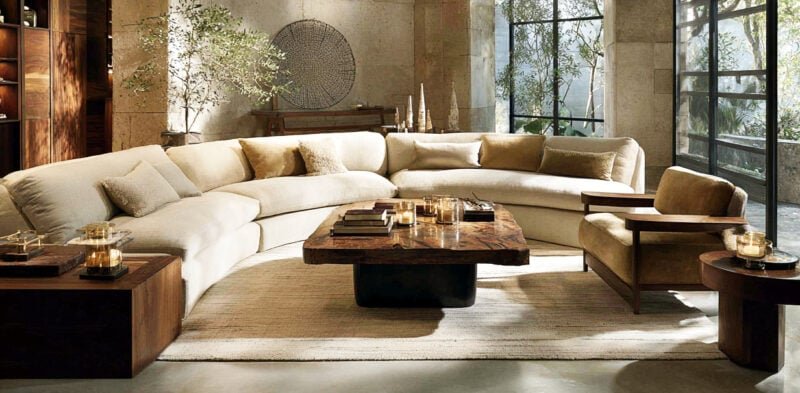
Credit: www.hbcollaborative.com
Choose Sofa Styles
Picking the right sofa style helps your living room look balanced and feel cozy. Size and shape affect comfort and room flow.
Consider your space and how you use it before choosing a sofa style. This guide covers popular options.
Sectional Sofas
Sectional sofas fit well in larger rooms. They offer plenty of seating and can define areas in open spaces.
- Great for family gatherings and parties
- Can be arranged in L, U, or straight shapes
- Choose modular sectionals to customize your layout
- Measure your room to avoid overcrowding
Loveseats And Chairs
Loveseats and chairs are perfect for small rooms or extra seating. They work well with other furniture.
| Type | Average Width | Best For |
| Loveseat | 50-70 inches | Small spaces, couples |
| Armchair | 30-40 inches | Extra seating, reading nooks |
| Recliner | 35-45 inches | Comfort and relaxation spots |
Sleeper Sofas
Sleeper sofas combine seating and sleeping space. They work well in guest rooms or small apartments.
- Saves space with dual function
- Easy to convert into a bed
- Available in many styles and sizes
- Choose a mattress type that suits guests
Consider Sofa Dimensions
Choosing the right sofa size is important for your living room. It must fit well without crowding the space.
Look closely at the sofa dimensions before buying. This helps you pick a comfortable and suitable sofa.
Length And Width
Length and width show how much floor space the sofa takes. Measure your room to see what fits best.
Make sure to leave space for walking and other furniture around the sofa.
- Measure the wall or area where the sofa will go
- Allow at least 2 feet of walking space around the sofa
- Consider if the sofa will fit through doors and hallways
Height And Depth
Sofa height affects how it looks and feels in your room. Depth impacts comfort and space.
Choose a sofa height that matches other furniture. Depth should suit your sitting habits and room size.
- Height includes legs and backrest
- Depth is the front to back measurement of the seat
- Shallow depth works well in small rooms
Seat Height
Seat height is the distance from the floor to the top of the seat cushion. It affects comfort.
Look for a seat height that fits your body size. Typical seats range from 17 to 19 inches tall.
- Lower seats suit casual lounging
- Higher seats help with easy standing up
- Test seat height before buying if possible
Balance Scale And Proportion
Choosing the right sofa size is important for your living room’s balance. A sofa that fits well creates a comfortable and attractive space.
Balance means making sure the sofa does not overpower the room or feel too small. Proportion helps keep the space feeling open and cozy.
Matching Sofa To Room Size
Measure your living room before buying a sofa. The sofa should leave enough space to move around freely.
A large room can hold a big sofa or sectional. Small rooms need smaller sofas or loveseats to avoid crowding.
- Leave at least 18 inches between sofa and walls
- Keep 24 to 30 inches for walkways
- Use smaller sofas for rooms under 150 square feet
Visual Weight And Bulk
Visual weight means how heavy or light the sofa looks in the room. A bulky sofa can make a space feel crowded.
Choose sofas with slim arms and legs for a lighter look. Avoid sofas with too much bulk in small rooms.
- Light fabrics and legs create less visual weight
- Low backs keep the room feeling open
- High and wide sofas add bulk to the space
Complementing Other Furniture
Your sofa should work well with other pieces in the room. It should not block or clash with tables, chairs, or shelves.
Keep similar styles and sizes to keep a balanced look. Mix shapes and heights to add interest but keep proportion in mind.
- Match sofa height to other seating
- Leave space between sofa and other furniture
- Use rugs and pillows to tie the look together
Plan Sofa Placement
Choosing the right sofa size depends on where you place it in your living room. Planning the sofa placement helps you use space well. It also makes the room look balanced and comfortable.
Think about the sofa’s position before buying. This helps you pick a sofa that fits well and suits your style.
Against Walls
Placing a sofa against a wall saves space and opens the room. It works well in small or narrow living rooms. You can use a longer sofa if the wall is wide.
This placement makes the room look bigger. Add side tables or lamps to complete the setup.
Floating Sofas
A floating sofa is set away from walls. It creates a cozy seating area in the center of the room. This works well in large or open spaces.
Use rugs or coffee tables to anchor the sofa. Make sure there is enough space to walk around it easily.
- Leave at least 2-3 feet of space around the sofa
- Choose a sofa size that fits well without crowding
- Use rugs to define the seating area
Corner Arrangements
Corner sofas fit snugly into room corners. They save space and provide extra seating. This option works well for family rooms or large spaces.
Measure your corner space before choosing the sofa size. You want the sofa to fit well without blocking pathways.
- Measure both walls forming the corner
- Pick a sofa that fits both lengths comfortably
- Consider sectional sofas for flexible arrangements
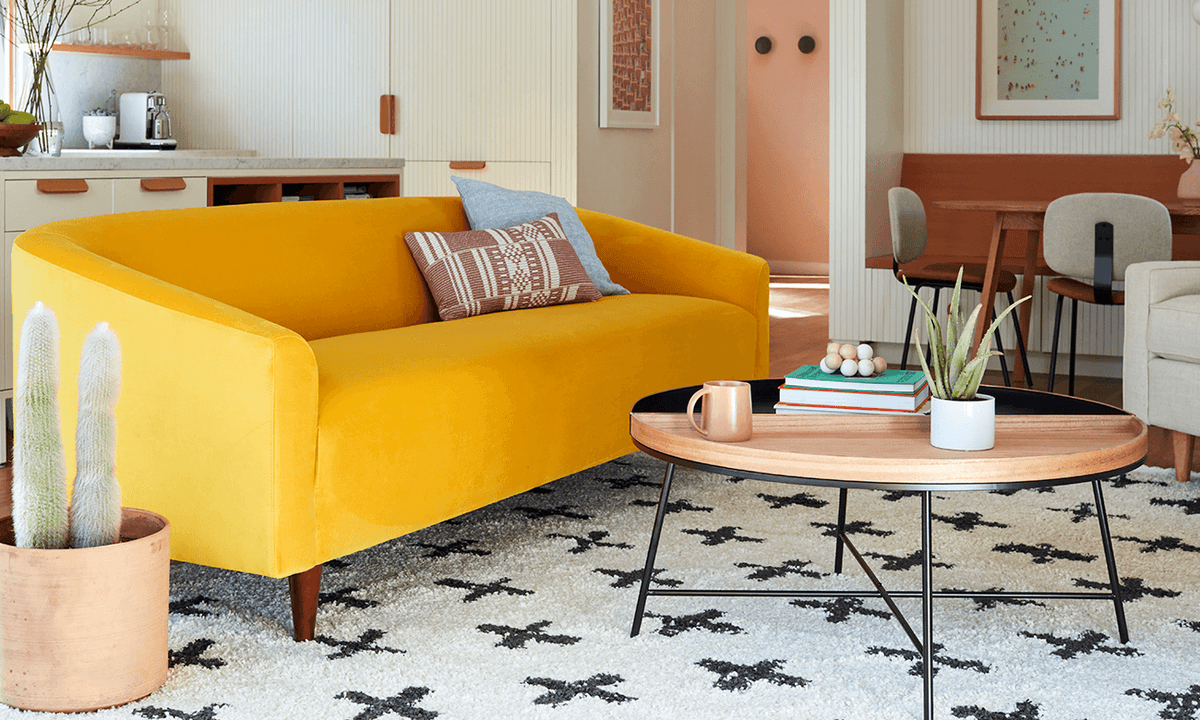
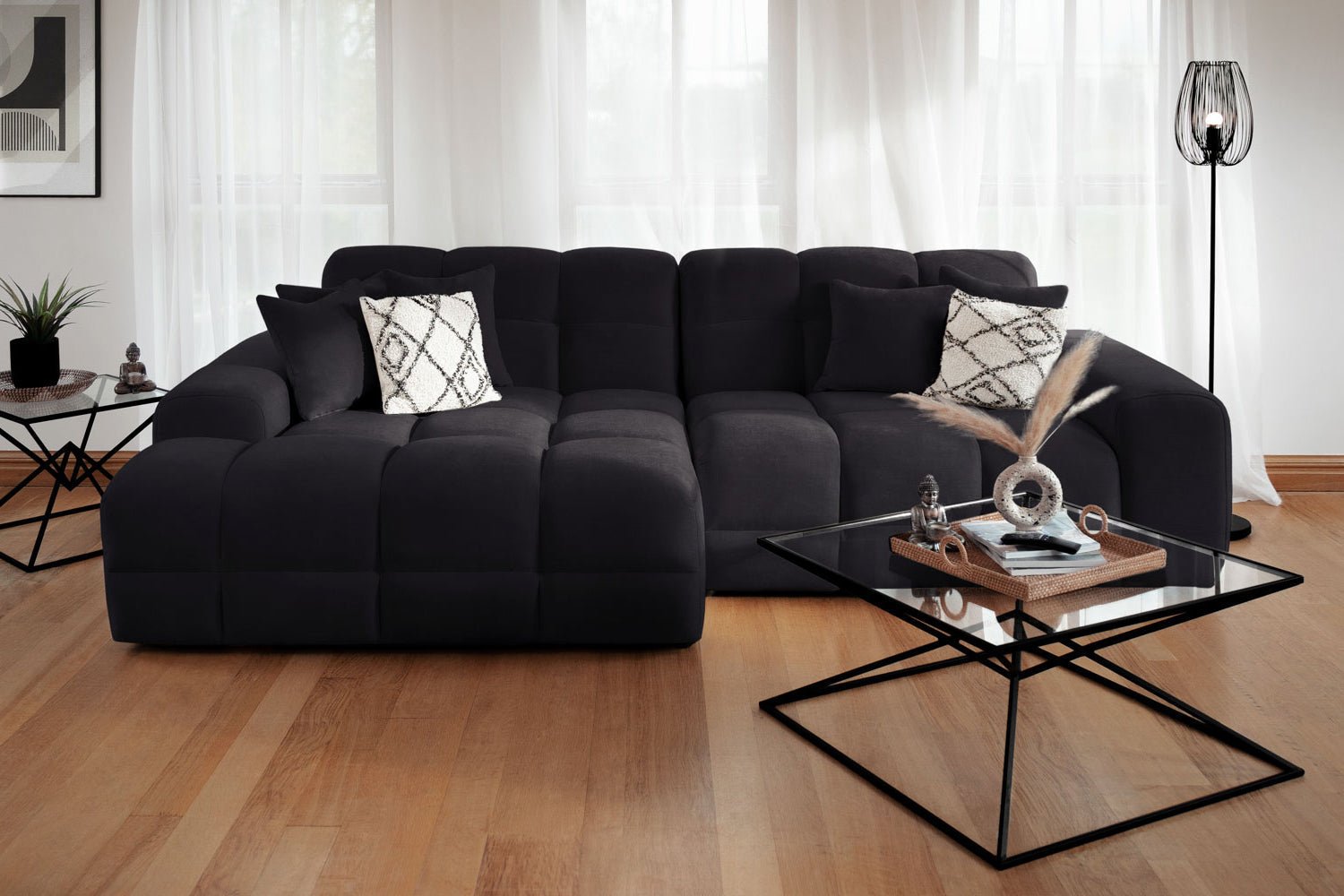
Credit: www.apt2b.com
Account For Traffic Flow
Choosing the right size sofa is crucial for maintaining a smooth traffic flow in your living room. Proper planning ensures that people can move around comfortably.
Consider how the sofa will fit into the overall layout without obstructing pathways or creating congestion.
Walking Space Around Sofa
Providing ample walking space around your sofa is essential for easy navigation. This helps everyone move freely without bumping into furniture.
- Leave at least 18 inches of space between the sofa and other furniture.
- Ensure pathways are clear and unobstructed.
- Consider foot traffic patterns in your living room.
Avoiding Obstructions
Avoid placing the sofa in a position that blocks doorways or walkways. This can disrupt movement and make the room feel cramped.
Consider the following tips:
- Position the sofa parallel to walls to maximize space.
- Use smaller furniture pieces to avoid crowding.
- Choose a sofa with a slim profile for narrow areas.
Test Comfort And Function
Choosing the right sofa size for your living room is important. It should fit well, offer comfort, and serve your needs.
Consider how the sofa will be used and who will use it. This will help you select the perfect size and style.
Seating Capacity
Think about how many people will regularly use the sofa. A larger family may need more seating options.
- Measure your living room space.
- Decide if you need a two-seater, three-seater, or sectional.
- Check if there's enough room to walk around.
Multi-purpose Use
Sofas can have multiple uses. Some serve as beds, others have storage options. Choose based on your needs.
| Feature | Benefit |
| Sofa Bed | Extra sleeping space |
| Storage Sofa | Store blankets and pillows |
| Recliner | Enhanced relaxation |
Family Needs
Consider the needs of your family when choosing a sofa. Pets, kids, and guests all affect your choice.
Customizing your sofa for family needs ensures everyone is happy. Choose durable fabrics for pets and kids.
Incorporate Style And Color
Choosing the right sofa size is important for your living room. Style and color also play a big role.
Your sofa should fit the space and match your room’s look. Color can make the room feel bright or calm.
Matching Room Decor
Pick a sofa that fits the style of your room. A modern sofa works well in a simple room.
Traditional rooms look good with classic sofa shapes and rich colors. Think about your walls and rugs too.
- Match sofa style with furniture style
- Choose colors that blend with walls and curtains
- Keep balance between sofa size and room space
Choosing Fabrics
Fabric choice affects the look and feel of your sofa. Soft fabrics add comfort and warmth.
Durable fabrics are good for busy rooms or homes with pets. Color and pattern also change the sofa’s style.
- Velvet gives a rich and elegant look
- Linen offers a fresh and casual style
- Leather feels classic and lasts long
- Patterns add interest but keep them simple
Accent Pieces
Use pillows and throws to add color and style to your sofa. These pieces can change the look easily.
Accent pieces help your sofa stand out or blend in. Choose colors that match your sofa and room.
- Bright pillows add a pop of color
- Neutral throws keep the look calm
- Mix textures for more interest
- Use patterns to create contrast
Budget And Quality
Choosing the right size sofa for your living room depends on your budget and quality needs. It is important to balance cost with comfort and durability.
Understanding how much to spend helps you pick the best sofa that fits your space and lasts long.
Setting A Budget
Decide how much money you want to spend on a sofa before shopping. This keeps your choices focused and prevents overspending.
Consider the sofa size and features you want. Bigger sofas usually cost more, so adjust your budget accordingly.
Material Choices
The material of a sofa affects its price and quality. Choose fabrics or leather that feel good and fit your budget.
Some common materials include cotton, polyester, and faux leather. Each has different costs and care needs.
- Cotton is soft but may wear out faster
- Polyester is durable and budget-friendly
- Faux leather looks stylish and cleans easily
Longevity And Warranty
Look for sofas that come with a warranty. This protects your investment if something breaks or wears out early.
High-quality sofas last longer. Check the frame and cushion materials to judge how durable the sofa will be.
- Solid wood frames last longer than particleboard
- High-density foam cushions keep shape better
- Warranties usually cover defects for 1 to 5 years

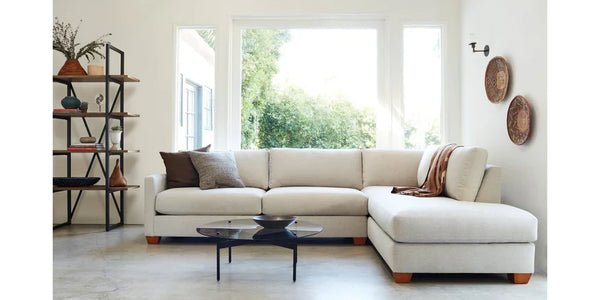
Credit: www.apt2b.com
Frequently Asked Questions
What Size Sofa Fits A Small Living Room?
For small living rooms, choose a compact sofa around 72-84 inches wide. It fits well without crowding space. Opt for slim arms and raised legs to create an airy feel. Measure your room and leave at least 18 inches for walkways.
How To Measure My Living Room For A Sofa?
Measure your living room’s length and width with a tape measure. Note doorways and pathways to ensure sofa access and movement. Subtract space for other furniture and leave 18-24 inches for walking areas around the sofa.
What Sofa Size Suits A Large Living Room?
Large living rooms can handle sofas 90 inches or wider. Consider sectional sofas to fill space and provide ample seating. Balance the sofa with other furniture pieces to avoid an empty or cluttered look.
Should I Consider Sofa Depth For My Living Room?
Yes, sofa depth affects comfort and room space. Standard depth is 35-38 inches; deeper sofas offer more comfort but take more room. Choose depth based on your room size and seating preferences.
Conclusion
Choosing the right sofa size shapes your living room’s comfort and style. Measure your space carefully before buying. Think about how many people will sit on it. Small rooms need compact sofas to avoid crowding. Large rooms welcome bigger sofas for extra seating.
Balance is key. A well-sized sofa makes your room inviting and neat. Take your time to find what fits best. Enjoy creating a cozy, beautiful living space with the perfect sofa.