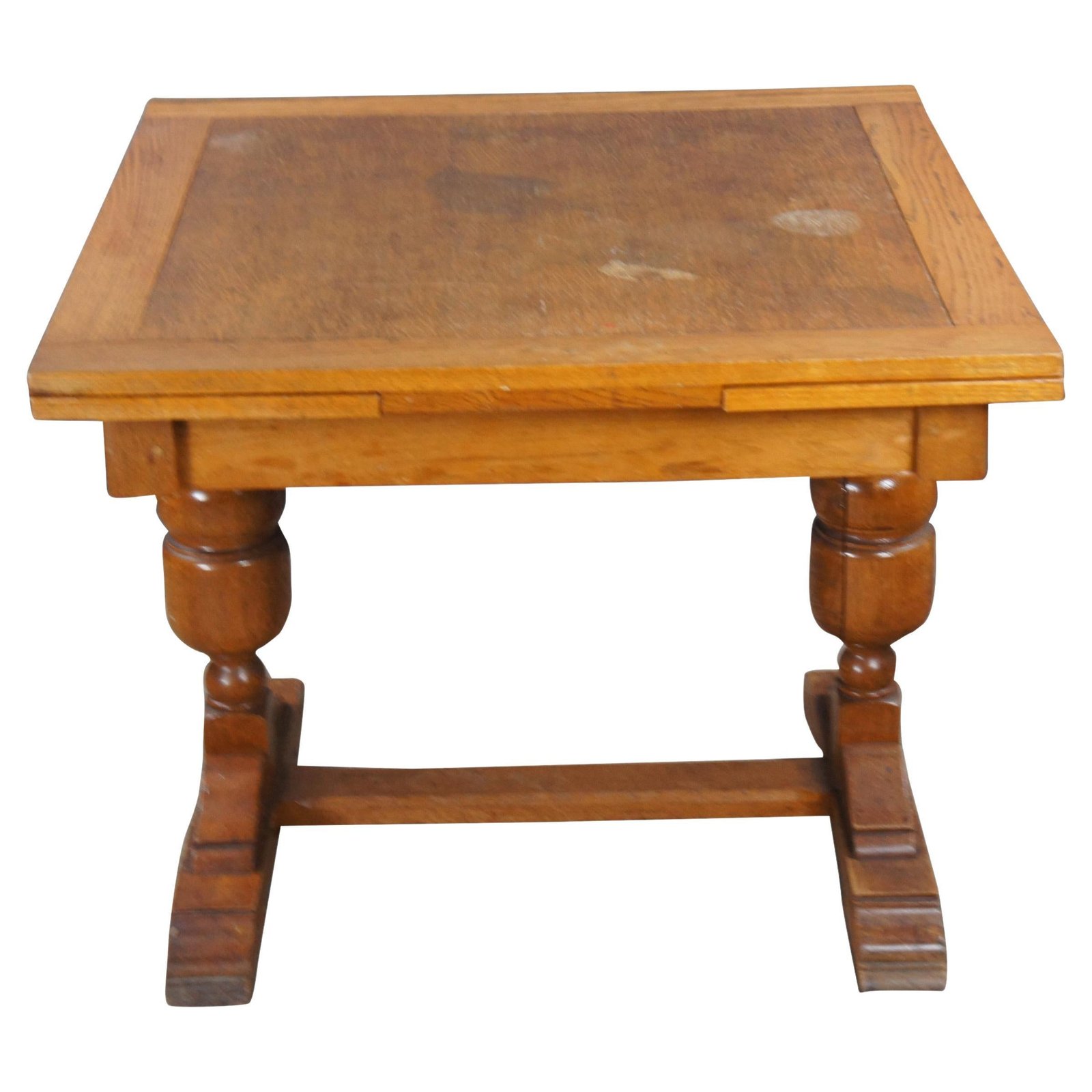
Have you ever stopped to wonder what the living room table you use every day is really called? You might think it’s just a table, but there’s actually a special name for it.
Knowing this name can help you choose the perfect piece for your space and even impress your guests with your home decor knowledge. Keep reading, because by the end of this article, you’ll understand exactly what your living room table is called—and why that matters for your home.
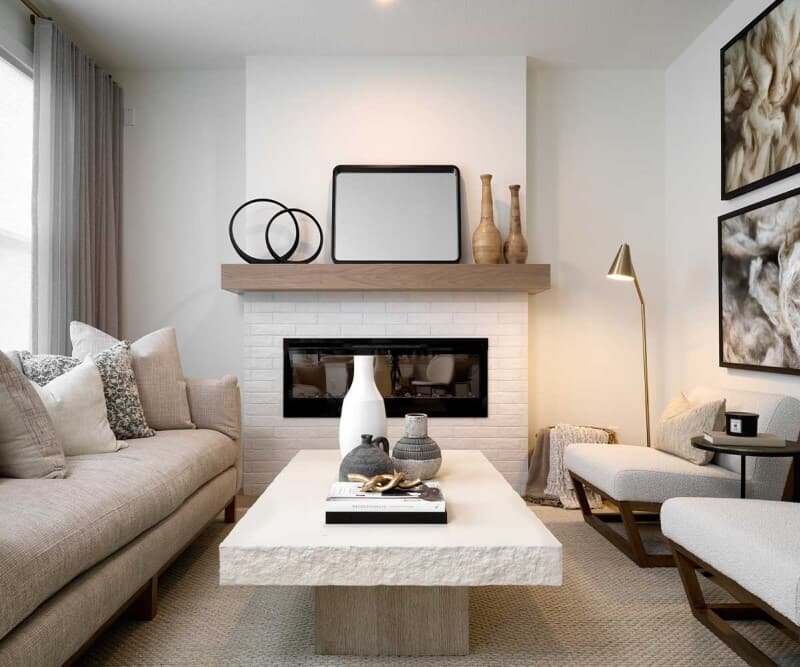
Credit: www.stylemeetscomfort.ca
Common Living Room Tables
Living room tables come in many shapes and sizes. They serve different purposes in your space.
Knowing the names helps you choose the right table for your living room.
Coffee Tables
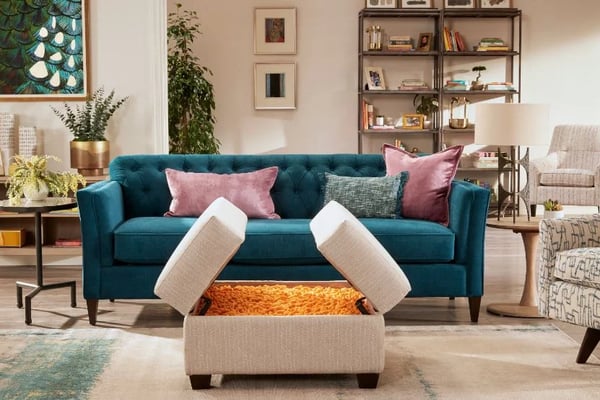
Coffee tables are low tables placed in front of sofas. They hold drinks, books, and decorations.
They often have storage space below or inside to keep items organized.
- Usually rectangular or round
- Height is lower than sofas
- Used for casual gatherings
Side Tables
Side tables sit next to chairs or sofas. They are smaller and hold lamps or drinks.
These tables add convenience and style to your seating area.
- Often square or round
- Easy to move around
- Perfect for small spaces
Console Tables
Console tables are narrow and tall. They fit well behind sofas or along walls.
These tables display decor or hold keys and mail near the entry.
- Long and slim design
- Used for decoration or storage
- Often placed in hallways
Accent Tables
Accent tables add style and function. They come in unique shapes and colors.
These tables highlight a room’s design or fill empty spaces.
- Various shapes and sizes
- Used as decorative pieces
- Can be functional or just for looks
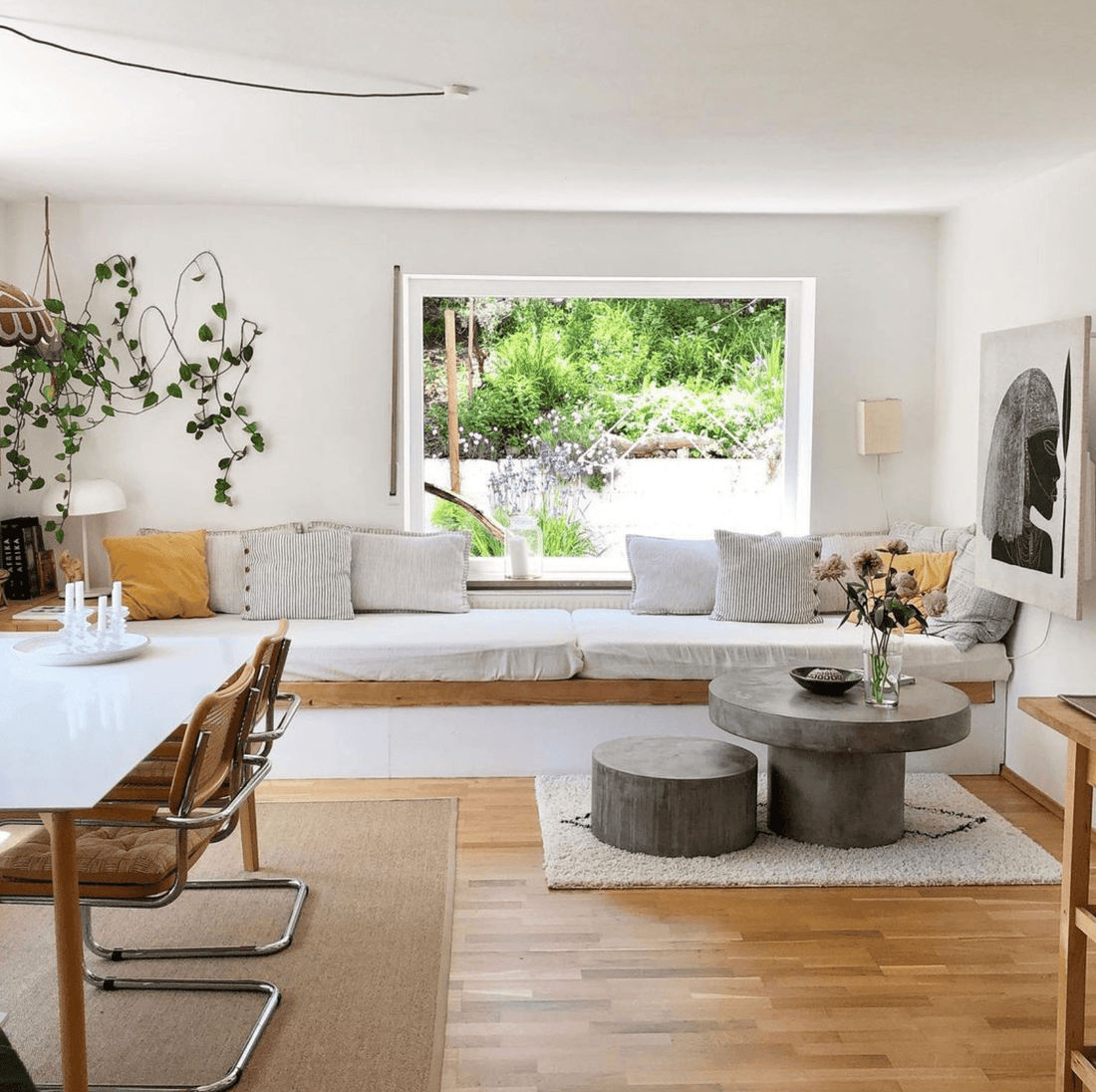
Credit: www.wayfair.ca
Styles Of Living Room Tables
Living room tables come in many styles. Each style fits different rooms and tastes.
Knowing the style helps you pick the right table for your space.
Modern Tables
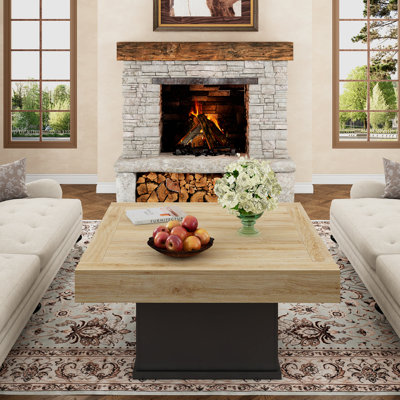
Modern tables have clean lines and simple shapes. They often use metal and glass.
These tables look sleek and fit well in minimalist homes.
- Use materials like steel, glass, or polished wood
- Focus on function and style
- Often have geometric shapes
Traditional Tables
Traditional tables have classic designs and rich wood finishes. They often feature carved details.
These tables bring warmth and elegance to living rooms.
- Made from dark woods like mahogany or cherry
- Decorative legs and edges
- Usually large and sturdy
Rustic Tables
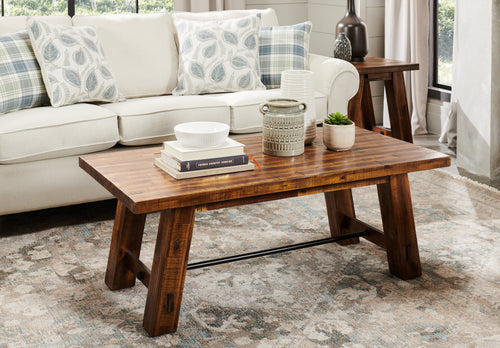
Rustic tables use natural wood with rough or distressed finishes. They have a cozy, earthy look.
These tables suit homes that want a natural and casual feel.
- Often made from reclaimed wood
- Show natural wood grain and knots
- Simple, sturdy designs
Mid-century Tables
Mid-century tables have smooth lines and tapered legs. They mix wood with metal or plastic.
These tables add a retro yet modern touch to rooms.
- Use light or walnut wood tones
- Feature clean, simple shapes
- Legs often angled or tapered
Materials Used In Tables
Living room tables come in many materials. Each material gives a different look and feel.
Choosing the right material helps match your table with your home style.
Wooden Tables
Wooden tables are classic and warm. They fit many decorating styles.
Wood types include oak, pine, walnut, and cherry. Each has unique colors and grains.
- Durable and long-lasting
- Can be stained or painted
- May scratch or dent over time
- Requires regular cleaning
Glass Tables
Glass tables look modern and light. They make rooms feel more open.
Tempered glass is strong and safe. It resists heat and scratches well.
- Easy to clean with glass cleaner
- Shows fingerprints and dust easily
- Can break if hit hard
- Works well with metal or wood bases
Metal Tables
Metal tables are sturdy and sleek. They suit industrial and modern homes.
Common metals include steel, iron, and aluminum. They may have different finishes.
- Very durable and strong
- Can feel cold or hard
- Often combined with glass or wood tops
- Resists damage from water and heat
Mixed Material Tables
Mixed material tables use two or more materials. They add style and function.
Common mixes are wood with metal legs or glass tops with wooden frames.
- Offer unique designs
- Combine strengths of each material
- Can fit many decorating styles
- May need extra care for each material
Choosing The Right Table
The living room table is often called a coffee table. It sits in front of the sofa. Choosing the right table makes your room look good and work well.
Think about the size, shape, and style. Also, consider how you will use it. The right table fits your space and needs.
Size And Shape
Measure the space where the table will go. The table should be smaller than the sofa area. Leave room to walk around it.
Round tables work well in small rooms. Rectangular or square tables fit bigger spaces. Choose a shape that fits your room layout.
- Round for tight spaces
- Rectangular for large rooms
- Square for balanced layouts
- Oval for soft edges
Functionality
Think about what you will use the table for. Do you need extra storage? Some tables have shelves or drawers.
If you like to eat or work on the table, pick one with a sturdy surface. Some tables can also lift up for more comfort.
- Storage shelves or drawers
- Lift-top for working or eating
- Simple flat surface for decor
Matching Decor
Choose a table that matches your room style. Wood tables fit well with classic or rustic rooms. Glass or metal suits modern styles.
Look at the color and texture. The table should blend with or nicely contrast your sofa and rugs.
- Wood for warm, classic looks
- Glass for light, modern feels
- Metal for industrial style
- Mixed materials for unique style
Budget Considerations
Set a budget before shopping. Tables come in many price ranges. Decide what features you need most.
You can find affordable tables that look good. Sometimes spending a bit more means better quality and longer use.
- Basic tables for small budgets
- Mid-range for good quality and style
- Higher-end for durability and design
Care And Maintenance Tips
Living room tables, often called coffee tables, need regular care to stay beautiful. Proper maintenance helps protect them from damage and wear.
Use simple cleaning and protection tips to keep your table looking fresh for years.
Cleaning Techniques
Clean your living room table regularly to remove dust and spills. Use a soft cloth to avoid scratches. For wood tables, use a damp cloth with mild soap.
Avoid harsh chemicals that can damage the table's finish. Dry the surface immediately after cleaning to prevent water marks.
Protecting Surfaces
Use coasters under drinks to prevent rings. Place mats or trays under hot items to avoid heat damage. Avoid placing sharp or rough objects directly on the table.
- Use coasters for all drinks
- Place mats for hot dishes
- Keep sharp objects away
- Use table covers for extra protection
Repairing Damage
Minor scratches can be fixed with a wood marker or wax stick that matches the table color. For small dents, use a damp cloth and iron to raise the wood fibers.
Deep scratches or cracks may need professional repair. Avoid using strong chemicals that may worsen the damage.
Seasonal Care
Wood tables react to humidity and temperature changes. Use a humidifier in dry winters and keep the table away from direct sunlight in summer.
- Keep table away from heaters and vents
- Use humidifiers to avoid drying out wood
- Cover table during extreme weather
- Check for cracks or warping seasonally
Credit: www.thebrick.com
Frequently Asked Questions
What Is A Living Room Table Called?
A living room table is commonly called a coffee table. It sits in front of a sofa. It holds drinks, books, and decor. It is usually low and wide, designed for convenience and style.
How Do Coffee Tables Differ From Side Tables?
Coffee tables are larger and placed centrally. Side tables are smaller and placed beside furniture. Coffee tables offer more surface area. Side tables provide easy access for items like lamps or remotes.
What Materials Are Used For Living Room Tables?
Living room tables are made from wood, glass, metal, or combinations. Wood offers warmth and durability. Glass adds elegance and lightness. Metal provides a modern, industrial look. Material choice depends on style and function.
Can Living Room Tables Have Storage Features?
Yes, many coffee tables include storage options. They may have shelves, drawers, or hidden compartments. Storage helps keep the area tidy. This adds functionality without sacrificing style.
Conclusion
A living room table often means a coffee table or center table. It holds drinks, books, and decorations. People choose styles that match their room’s look. Knowing the correct name helps you shop and talk about it. These tables bring comfort and function to any living space.
Simple yet useful furniture pieces make a big difference. Now, you can spot and name your living room table with ease.