Choosing the right color for your living room table can completely change the feel of your space. You might wonder how a simple color choice can make such a big difference.
The truth is, the color you pick can set the mood, tie your decor together, and even influence how comfortable you feel in your room. If you want your living room to feel cozy, stylish, or inviting, the color of your table plays a key role.
Keep reading to discover how to pick the perfect shade that matches your style and makes your living room truly yours.

Credit: homemadelovely.com
Choosing Table Colors For Different Styles
The color of your living room table sets the mood for the entire space. It helps tie the room’s look together.
Picking the right color depends on your style. Different styles call for different colors and tones.
Modern And Minimalist Palettes
Modern and minimalist rooms work best with simple and clean colors. Neutral shades like white, black, and gray are popular.
These colors create a calm, uncluttered look. Light wood tones also fit well in minimalist spaces.
- White tables brighten small spaces
- Black adds a sleek, bold touch
- Gray blends easily with most colors
- Light wood warms the room without clutter
Rustic And Vintage Shades
Rustic and vintage styles use warm, earthy colors. Browns, tans, and deep reds work great here.
These colors add a cozy and inviting feel. Distressed finishes also highlight the vintage charm.
- Dark brown wood adds richness
- Soft beige or tan offers warmth
- Burnt orange or deep red brings character
- Weathered wood looks authentic and lived-in
Bold And Eclectic Options
Bold and eclectic rooms welcome bright and unusual colors. Think rich blues, greens, or even bright yellows.
These colors create a lively, fun atmosphere. Mixing colors and patterns on the table can add personality.
- Bright blue tables energize the space
- Emerald green adds a natural, fresh vibe
- Yellow tables bring warmth and cheer
- Mixing colors creates a unique look
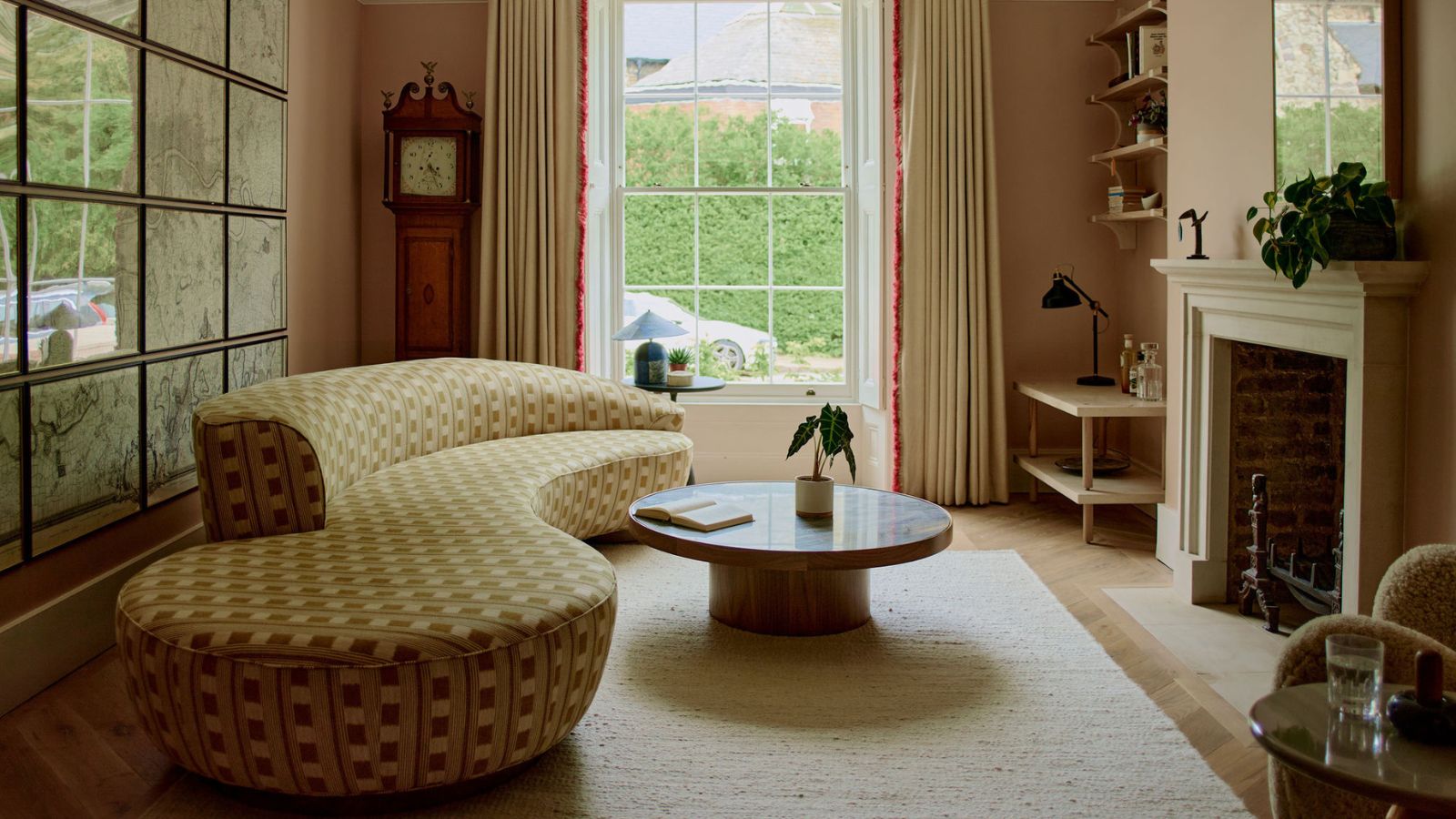
Credit: www.homesandgardens.com
Matching Table Colors With Wall And Floor
Choosing the right color for a living room table can change the whole look. The table should blend well with the walls and floors.
Matching colors helps create a balanced and cozy space. This guide explores good color choices for tables based on your walls and floors.
Complementary Color Combinations
Complementary colors sit opposite each other on the color wheel. Using these colors adds harmony and energy to your room.
- If your walls are blue, consider an orange table for warmth.
- Green walls look great with red or pink tables.
- Yellow walls pair well with purple or violet tables.
Contrasting Hues For Visual Interest
Contrasting colors catch the eye and make a bold statement. Pick table colors that stand out from walls and floors.
| Wall Color | Floor Color | Table Color |
| Light Grey | Dark Wood | Bright Red |
| White | Black Tile | Yellow |
| Beige | Light Oak | Navy Blue |
Neutral Bases For Flexibility
Neutral colors like white, black, gray, or brown fit most walls and floors. They give you more freedom to change décor later.
Here are popular neutral table colors and their matching wall and floor types:
- White:Pairs well with pastel walls and light floors.
- Black:Works with bright walls and dark floors.
- Gray:Matches cool-tone walls and floors.
- Natural Wood:Complements almost any wall color and wood floor.
Considering Room Size And Lighting
Choosing the right color for a living room table depends on your room size and lighting. These factors affect how colors look and feel in the space.
Light colors can make small rooms feel bigger. Dark shades add warmth and coziness. Lighting changes the table’s appearance throughout the day.
Light Colors To Open Small Spaces
Light-colored tables help open up small living rooms. They reflect light and make the space feel airy. Whites, creams, and pastels work well.
- White tables brighten the room
- Cream tones add softness without shrinking space
- Pastel shades bring gentle color without heaviness
- Light wood finishes keep a natural, open look
Dark Shades For Cozy Ambiance
Dark tables create a cozy and intimate feeling in a living room. They anchor the space and add depth. Choose dark wood, charcoal, or black tones.
| Dark Color | Effect on Room |
|---|---|
| Dark wood | Warm and classic feel |
| Charcoal gray | Modern and strong look |
| Black | Bold and elegant touch |
Impact Of Natural And Artificial Light
Lighting changes how table colors appear. Natural light shows true colors during the day. Artificial light can add warmth or coolness.
- Natural light makes colors look vibrant and clear
- Warm bulbs enhance reds, oranges, and browns
- Cool bulbs bring out blues and grays
- Consider where the table sits in relation to windows and lights
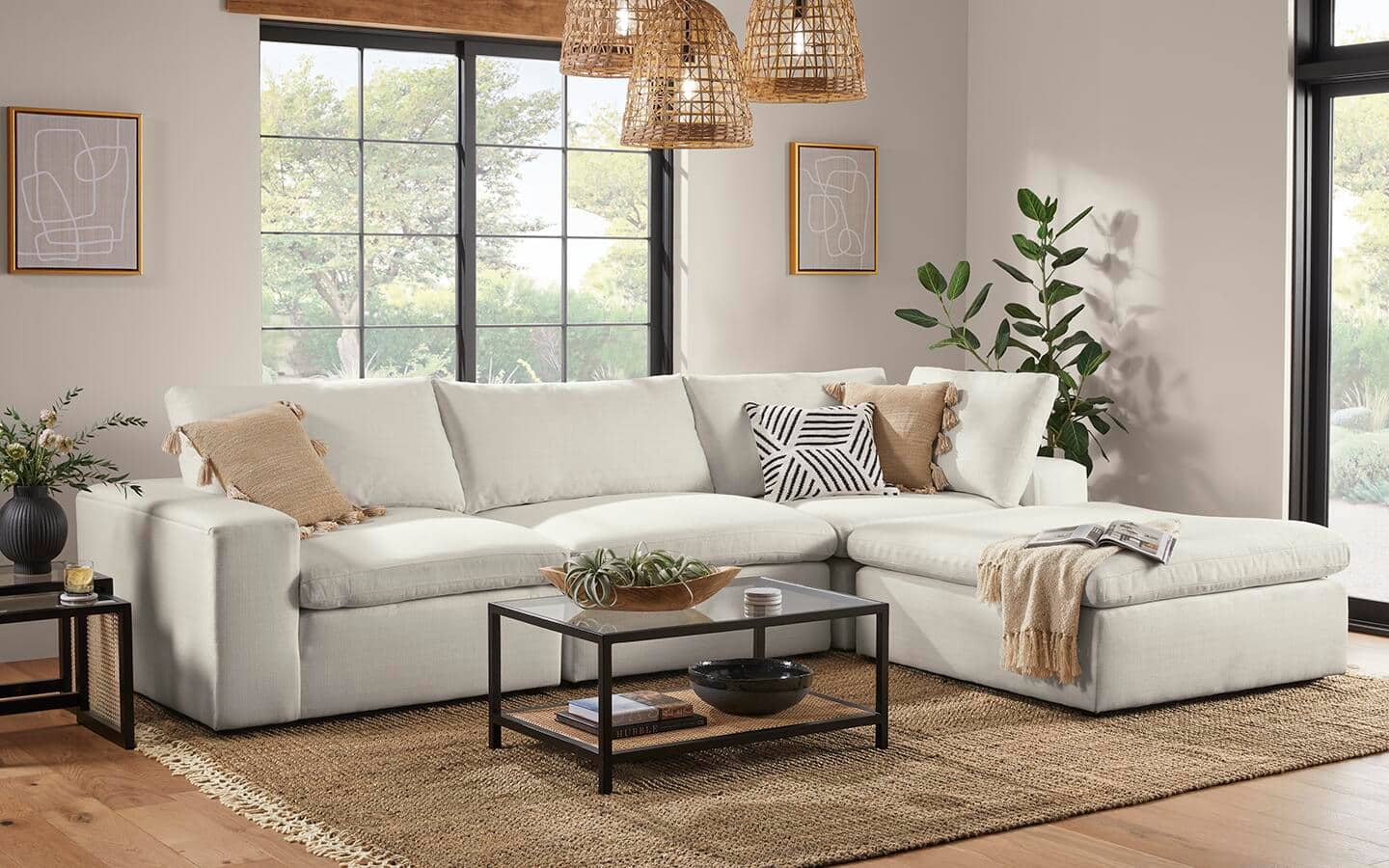
Credit: www.homedepot.com
Material Influence On Table Color
The color of a living room table depends largely on its material. Different materials offer unique tones and finishes that affect the room's look.
Understanding these materials helps you pick a table color that fits your style and space.
Wood Tones And Their Warmth
Wood tables bring natural warmth to a living room. Their colors range from light to dark, each creating a different mood.
- Light woods like oak and pine offer a fresh, airy feel.
- Medium woods such as cherry add a cozy and inviting tone.
- Dark woods like walnut and mahogany create a rich, elegant atmosphere.
Glass And Metal Finishes
Glass and metal tables often come in cool, sleek colors. These materials reflect light and add modern style.
| Material | Common Colors | Effect |
| Glass | Clear, Frosted | Brightens space, feels light |
| Metal | Silver, Black, Brass | Adds shine and industrial look |
Painted And Lacquered Surfaces
Painted or lacquered tables offer many color options. They provide bold or soft shades to match any decor.
Popular painted table colors include:
- White for a clean, classic look
- Black for a strong, modern style
- Bright colors like blue or red for a fun, vibrant touch
Balancing Functionality And Aesthetics
Choosing the right color for a living room table is about more than looks. It must fit your lifestyle and style.
The table color should match the room and stand up to daily use. This balance keeps your space both pretty and practical.
Durable Finishes For Everyday Use
Pick table colors with finishes that resist scratches and stains. This helps your table stay nice for longer.
Matte and semi-gloss finishes hide marks better than glossy ones. They are also easier to clean every day.
- Matte finishes show fewer fingerprints
- Semi-gloss finishes balance shine and durability
- Dark colors mask small stains well
- Light wood tones show less dust
Colors That Hide Wear And Tear
Choose colors that hide scratches and dirt. This helps your table look fresh without much upkeep.
Medium to dark shades like gray, brown, or muted blues work well. Avoid very light or very dark solid colors.
- Medium brown blends with wood grains
- Gray tones hide dust and scratches
- Muted blues mask small marks
- Neutral shades fit many styles
Styles That Enhance Room Flow
Pick table colors that match the room’s style and make space feel open. This keeps the room balanced.
Light colors and natural wood tones brighten the room. Dark colors add contrast but may make space feel smaller.
- Light wood for a soft, airy feel
- Neutral colors blend with walls and furniture
- Dark wood adds warmth and depth
- Colored tables can act as room accents
Tips For Testing Colors Before Buying
Choosing the right color for a living room table can transform your space. Testing colors before buying helps ensure satisfaction.
Here are some practical tips to help you make the best choice for your home.
Using Sample Swatches And Paints
Sample swatches and paints let you see colors in your home's lighting. This step is crucial for accuracy.
- Collect different color swatches from a store.
- Apply paint samples to a small piece of wood.
- Place them in your living room for a few days.
Visualizing With Digital Tools
Digital tools help visualize how colors look in your space. They can save time and help you avoid mistakes.
Try using online room design apps to test colors virtually.
Seeking Professional Advice
Professionals offer valuable insights into color selection. Their experience can guide your choices effectively.
| Service | Benefit |
| Interior Designer | Expert color matching |
| Color Consultant | Tailored advice for your space |
| Paint Specialist | Knowledge of paint finishes |
Frequently Asked Questions
What Color Makes A Living Room Table Stand Out?
Bold colors like navy blue or emerald green make tables stand out. They add personality and become focal points in the room. Choose shades that complement your overall decor to keep harmony and style balanced.
How To Match Living Room Table Color With Furniture?
Match your table color with dominant furniture tones or choose a contrasting shade. For example, dark wood tables suit light sofas well. This balance enhances visual appeal and creates a cohesive living room design.
Which Table Colors Suit Small Living Rooms Best?
Light colors like white, beige, or pastels suit small rooms. They reflect light and create an airy, spacious feel. Avoid dark shades as they may make the space appear cramped or heavy.
Are Neutral Colors Good For Living Room Tables?
Yes, neutral colors like gray, taupe, or cream work well. They blend with various decor styles and colors. Neutrals offer versatility and timeless elegance, making them a smart choice for any living room.
Conclusion
Choosing the right color for your living room table sets the room’s mood. Neutral shades like white, beige, or gray fit most styles easily. Dark colors add a touch of elegance and hide stains well. Bright colors bring energy and make the table a focal point.
Think about your wall color, sofa, and lighting before deciding. Your table color should feel comfortable and match your style. Small touches, like rugs and cushions, also help balance colors. Take time and enjoy creating a space that feels just right for you.