Have you ever wondered what those stylish storage pieces in your living room are really called? You might know them as shelves, cupboards, or just cabinets, but there’s actually a specific name that fits perfectly.
Understanding the right term can help you pick the perfect piece for your space and even impress your friends with your home decor knowledge. Keep reading, because by the end of this article, you’ll know exactly what living room cabinets are called—and how to choose the best one for your home.
Types Of Living Room Cabinets
Living room cabinets come in many styles and serve different purposes. They help keep your space tidy and stylish.
Choosing the right cabinet depends on what you want to store and how you want your room to look.
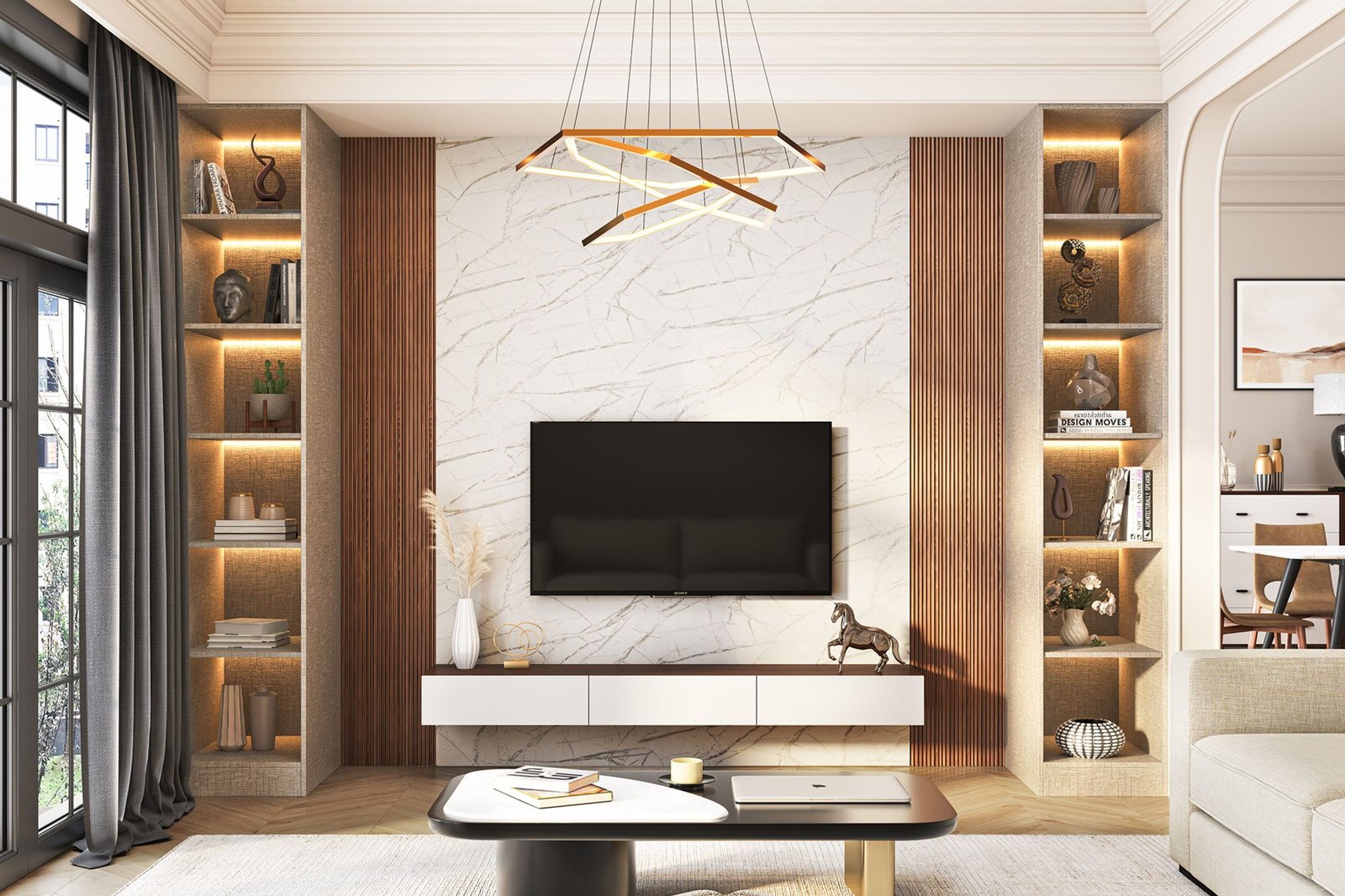
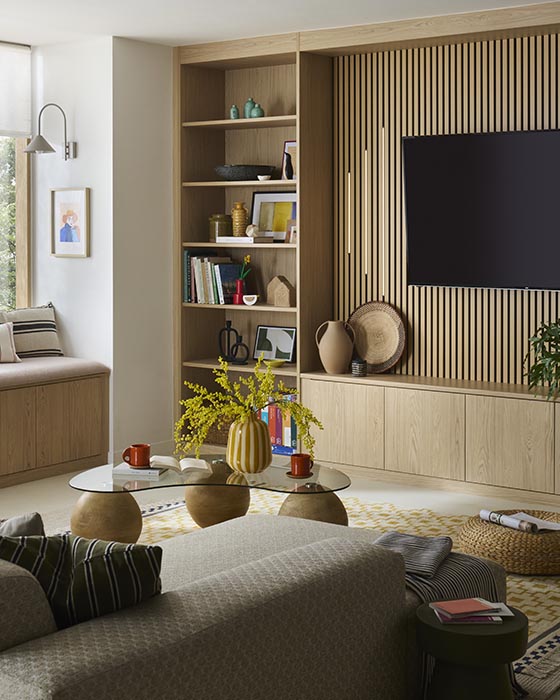
Media Consoles
Media consoles hold TVs and electronic devices. They often have shelves and compartments for cables and remotes.
These cabinets help organize your media gear and keep cords hidden for a clean look.
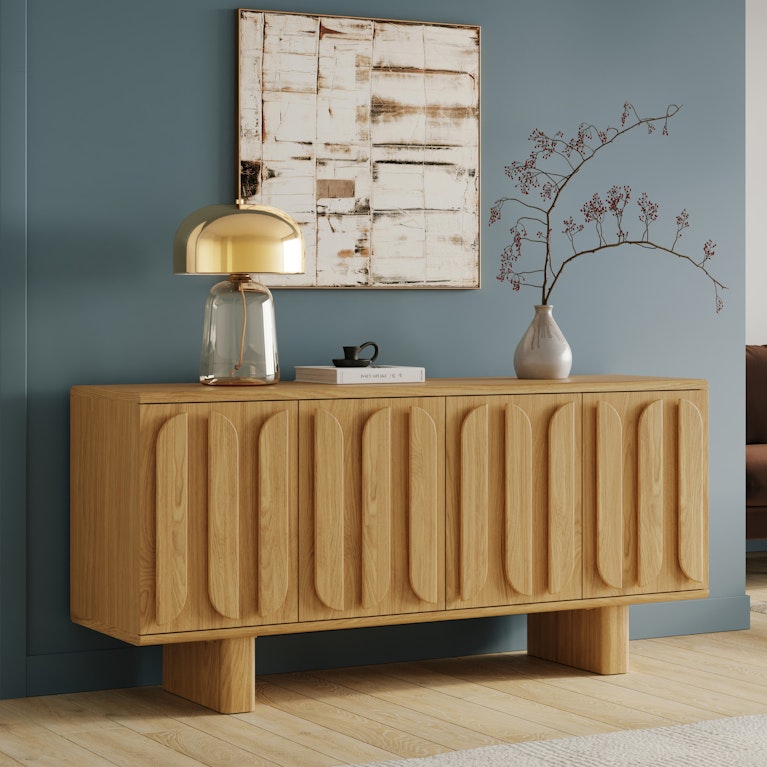
Buffets And Sideboards
Buffets and sideboards store dishes, linens, and small items. They are usually low and wide pieces of furniture.
These cabinets add extra storage and can also serve as a surface for decorations.
Display Cabinets
Display cabinets have glass doors to show off collectibles or fine dishes. They protect items from dust while keeping them visible.
These cabinets often have lights inside to highlight the displayed items.
Storage Cabinets
Storage cabinets offer closed space to hide clutter. They come in many sizes and styles.
Use them for toys, blankets, or anything you want out of sight but easy to reach.
Bookcases And Shelving Units
Bookcases and shelves store books, decorations, and small plants. They keep items organized and easy to find.
Open shelves create a light feel, while closed bookcases protect items from dust.
Credit: www.sharps.co.uk
Materials And Finishes
Living room cabinets come in many materials and finishes. They affect the look and feel of the space.
Choosing the right material and finish helps match your style and needs.
Wood Varieties
Wood is a popular choice for living room cabinets. It adds warmth and durability.
- Oak: Strong and has a classic grain pattern.
- Maple: Smooth texture and light color.
- Cherry: Rich color that darkens with age.
- Pine: Softwood, affordable and easy to paint.
- Walnut: Dark, elegant, and very durable.
Metal And Glass Options
Metal and glass add a modern touch to cabinets. They create a sleek and open look.
Metal frames give strength. Glass doors show off items stored inside.
| Material | Benefit | Common Use |
| Stainless Steel | Rust resistant, strong | Cabinet handles, frames |
| Aluminum | Lightweight, modern look | Cabinet edges, accents |
| Tempered Glass | Durable, shows contents | Cabinet doors, shelves |
Paint And Stain Finishes
Paint and stain change the cabinet’s color and protect the wood. They also affect the style.
- Paint: Offers many color choices and hides wood grain.
- Stain: Highlights wood grain and gives a natural look.
- Matte finish: Soft and subtle appearance.
- Glossy finish: Shiny and easy to clean.
- Satin finish: Between matte and glossy, smooth feel.
Modern Vs Traditional Styles
Modern cabinets use simple lines and smooth finishes. They often mix metal and glass.
Traditional cabinets use wood with detailed carvings and rich stains. They feel warm and classic.
| Style | Materials | Finishes | Look |
|---|---|---|---|
| Modern | Metal, glass, smooth wood | Matte or glossy paint | Clean, minimal |
| Traditional | Solid wood | Rich stains, satin finish | Warm, detailed |
Choosing The Right Cabinet
Living room cabinets come in many styles and types. Choosing the right one helps keep your room neat and beautiful.
Think about how you will use the cabinet and what fits best in your space.
Assessing Storage Needs
Look at what you need to store in the cabinet. This can be books, electronics, or decorations.
Choose a cabinet with enough shelves or drawers to hold your items safely and neatly.
- Large shelves for big items
- Drawers for small objects
- Closed doors to hide clutter
- Open shelves for display items
Measuring Your Space
Measure the wall or corner where you want to place the cabinet. This stops you from buying one that is too big or too small.
Write down the height, width, and depth of the space. Check for any obstacles like doors or windows.
- Use a tape measure for accuracy
- Note any power outlets or vents
- Leave room for walking space
- Think about future changes in the room
Matching Interior Decor
Pick a cabinet that matches your living room style. This makes the room look more balanced and nice.
Look at the color, material, and design of your furniture. Choose a cabinet that blends well or stands out as a feature.
- Wood cabinets for a classic look
- Metal or glass for modern style
- Neutral colors for easy matching
- Bright colors to add a pop
Budget Considerations
Decide how much money you want to spend on a cabinet. Prices vary by size, material, and brand.
Look for cabinets that fit your budget but still meet your needs for quality and style.
- Set a clear spending limit
- Compare prices from different stores
- Think about long-term use and durability
- Check for sales or discounts
Styling Living Room Cabinets
Living room cabinets add both storage and style to your space. Choosing the right style helps show your personality.
Use simple tricks to make your cabinets look great and fit your home’s vibe.
Arranging Decorative Items
Place decorative items carefully to create balance. Mix small and large pieces for interest.
- Use books stacked horizontally and vertically
- Add small sculptures or vases
- Group items in odd numbers
- Leave some empty space for a clean look
Using Lighting For Effect
Lighting can highlight your cabinets and make the room cozy. Use different light sources for depth.
- Install LED strips inside glass cabinets
- Use table lamps on or near cabinets
- Try spotlights to focus on art or decor
- Choose warm bulbs for a soft glow
Incorporating Plants And Art
Plants add life and color to cabinets. Art adds personality and style to the room.
| Type | Placement | Care Tips |
| Small Succulents | Top of cabinet | Low water, indirect light |
| Hanging Plants | Near cabinet sides | Regular watering, bright light |
| Framed Photos or Paintings | Above or on cabinet | Dust regularly |
Balancing Function And Aesthetics
Make sure your cabinets store what you need while looking good. Balance is key for a tidy space.
Tips for balance:
- Store everyday items behind closed doors
- Display favorite items in open shelves
- Keep surfaces clutter-free
- Use matching containers or baskets
Maintenance And Care Tips
Living room cabinets need regular care to stay nice and last long. Proper cleaning and handling keep them looking good.
Follow simple steps to protect your cabinets and keep their inside neat and safe.
Cleaning Different Materials
Cabinets come in wood, metal, glass, and laminate. Each needs a special way to clean it.
Use a soft cloth and mild cleaner for most surfaces. Avoid harsh chemicals that can cause damage.
- Wood: Dust often, wipe with damp cloth, use wood polish sometimes.
- Metal: Clean with mild soap and water, dry quickly to avoid rust.
- Glass: Use glass cleaner and a soft cloth for streak-free shine.
- Laminate: Use gentle soap, avoid abrasive sponges.
Preventing Damage
Protect your cabinets from scratches, water spots, and heat. These can cause lasting damage.
Use coasters and mats under hot or wet items. Avoid placing heavy objects that can warp shelves.
- Keep cabinets away from direct sunlight to avoid fading.
- Open and close doors gently to prevent loose hinges.
- Use felt pads under decorations or electronics.
- Check for spills quickly to stop stains.
Organizing Inside Cabinets
Keep the inside of your cabinets tidy. This helps find things fast and protects the cabinet walls.
Use shelves, baskets, or dividers to arrange items neatly. Avoid overloading the space.
- Group similar items together.
- Store heavy items on lower shelves.
- Use clear containers to see contents easily.
- Label baskets or boxes for quick access.
When To Repair Or Replace
Fix small problems early to avoid bigger damage. Replace parts if they no longer work well.
Look for cracks, broken hinges, or water damage. If repairs cost more than a new cabinet, consider replacement.
- Repair loose doors or handles promptly.
- Refinish scratched or faded wood surfaces.
- Replace damaged shelves or backing boards.
- Choose new cabinets if damage is widespread or severe.

Credit: www.designcafe.com
Credit: www.article.com
Frequently Asked Questions
What Are Common Names For Living Room Cabinets?
Living room cabinets are often called media cabinets, TV stands, or entertainment centers. These names reflect their function in storing electronics and decor.
How Do Living Room Cabinets Differ From Other Cabinets?
Living room cabinets focus on aesthetics and media storage. They usually have open shelves, cable management, and stylish designs.
What Materials Are Used For Living Room Cabinets?
Common materials include wood, MDF, metal, and glass. Each offers durability and complements different interior styles.
Can Living Room Cabinets Improve Room Organization?
Yes, they help organize electronics, books, and decor. This reduces clutter and enhances the room’s visual appeal.
Conclusion
Living room cabinets come in many styles and names. You might hear them called media consoles, sideboards, or storage cabinets. Each type helps keep your space neat and stylish. Choosing the right cabinet depends on your needs and room size.
These pieces add both function and charm to your living area. Now, you can find the perfect cabinet for your home with confidence. Simple storage can make a big difference in your living room.