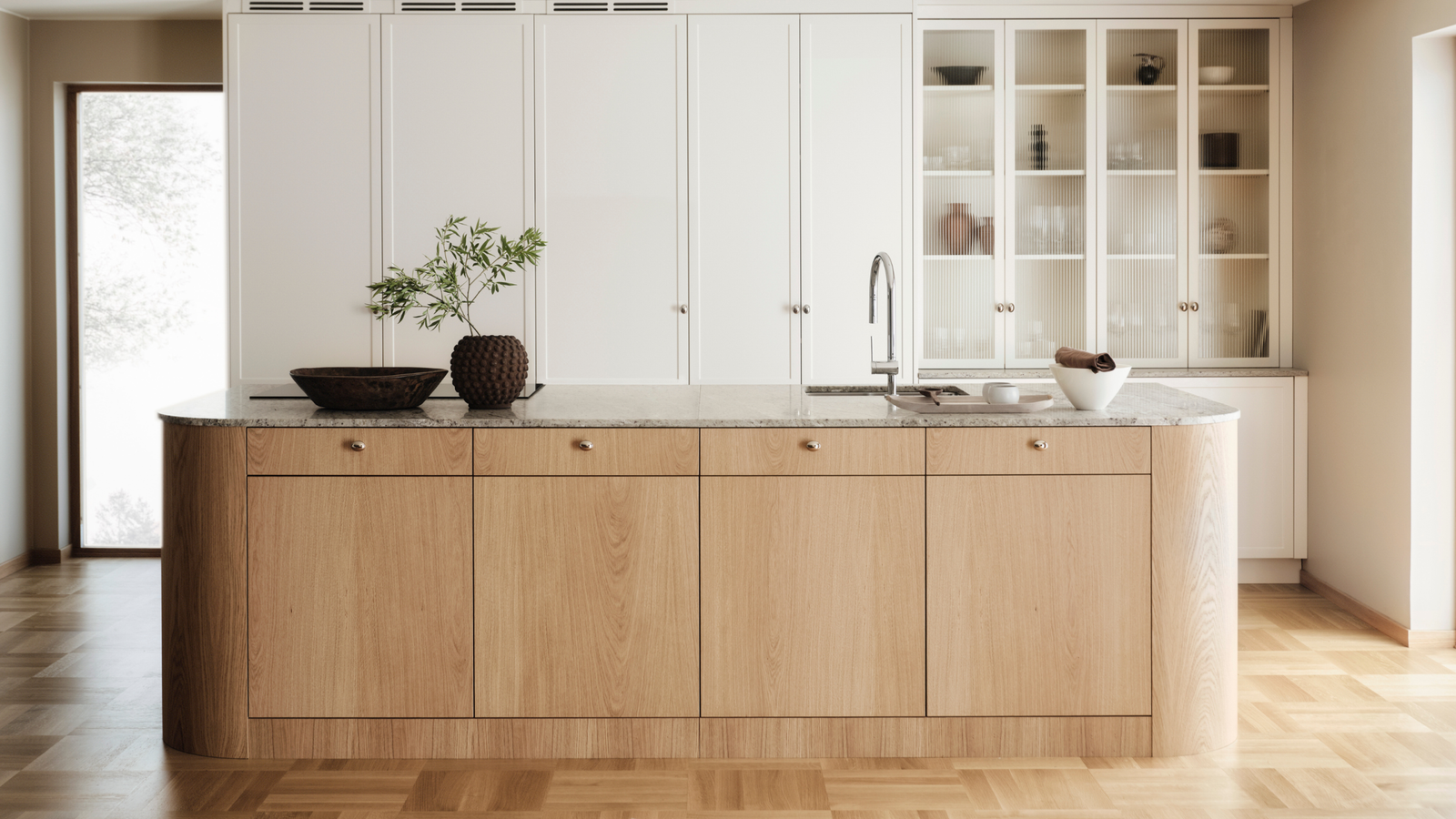
Are you wondering if your living room cabinets should match your kitchen cabinets? It’s a question many homeowners face when designing their space.
The answer isn’t always simple, but it can make a big difference in how your home feels. Matching cabinets can create a smooth, connected look, while mixing styles might add personality and uniqueness. You’ll discover what works best for your style, your space, and your lifestyle.
Keep reading to find the perfect balance for your home.
Benefits Of Matching Cabinets
Matching living room and kitchen cabinets create a smooth look in your home. The style flows well from one room to another.
This choice can make your space feel larger and more put together. It also adds value to your home.
Creating Visual Harmony
When cabinets match, rooms look balanced and neat. This harmony makes your home feel calm and inviting.
Matching colors, styles, and finishes help connect the living room and kitchen visually. This creates a smooth flow throughout your space.
Enhancing Home Value
Homes with matching cabinets often attract buyers more easily. The consistent design shows care and attention.
Matching cabinetry can increase your home's market value. It gives a fresh, modern look that buyers appreciate.
- Improves overall appearance
- Shows thoughtful design choices
- Appeals to a wider range of buyers
Streamlining Interior Design
Using the same cabinets in both rooms simplifies design decisions. You can focus on other décor elements.
This approach reduces the risk of clashing styles. It helps create a clear and simple design plan.
- Easier to choose matching hardware
- Saves time planning color schemes
- Creates a cohesive look throughout rooms

Credit: www.kylieminteriors.ca
When To Choose Different Styles
Deciding if living room cabinets should match kitchen cabinets depends on your home's layout and style. Sometimes, using different styles can make each space unique.
Choosing different cabinet styles helps highlight the purpose and look of each room. It can also bring more personality to your home.
Defining Separate Spaces
Different cabinet styles can clearly mark the boundary between the kitchen and living room. This works well in open floor plans where rooms flow into each other.
Using distinct cabinets helps guests and family recognize where one space ends and the other begins without walls.
Adding Character And Contrast
Choosing different cabinets adds charm and interest to your home. Contrasting styles create a fresh and dynamic look.
Mixing cabinet styles lets you express your taste. It can make each room feel special and inviting.
- Light cabinets in kitchen, dark in living room
- Modern kitchen, traditional living room
- Glossy finish in kitchen, matte in living room
Addressing Functional Needs
Kitchens and living rooms have different storage and use needs. Cabinets designed for each space work better.
Kitchen cabinets focus on durability and easy cleaning. Living room cabinets may highlight style and display space.
- Kitchen cabinets with strong shelves and drawers
- Living room cabinets with open shelves for decor
- Materials suited to each room’s use and humidity
Materials And Finishes To Consider
Choosing materials and finishes for living room and kitchen cabinets is important. These choices affect how the rooms look and feel.
Deciding if cabinets should match or complement each other starts with understanding materials and finishes.
Popular Cabinet Materials
Wood is a common material for cabinets. It looks warm and natural. There are different types like oak, maple, and cherry.
Other materials include plywood, MDF, and metal. Each offers unique styles and prices.
- Solid wood: strong and classic
- Plywood: affordable and sturdy
- MDF: smooth surface for paint
- Metal: modern and sleek
Matching Vs Complementary Finishes
Matching finishes use the same color and texture in both rooms. This creates a unified look.
Complementary finishes use different but harmonious colors and textures. This adds variety without clashing.
- Matching finishes make spaces feel connected
- Complementary finishes give each room its style
- Consider wood stains, paint colors, and gloss levels
Durability And Maintenance
Kitchen cabinets face heat, moisture, and spills. Choose materials that resist damage.
Living room cabinets have less wear but still need easy cleaning and long life.
- Wood with good finish resists scratches and stains
- Metal is durable and easy to clean
- MDF needs gentle care to avoid swelling
- Plywood balances strength and cost

Credit: 405cs.com
Color Coordination Tips
Choosing colors for your living room and kitchen cabinets affects your home's style. Matching colors can create harmony between spaces.
Think about how colors work together to make the rooms feel connected but not boring.
Neutral Palettes For Cohesion
Neutral colors like white, beige, and gray bring calmness to your rooms. They help cabinets blend smoothly with walls and furniture.
Using neutral tones for both living room and kitchen cabinets keeps the look simple and unified.
- Choose light grays or warm beiges for a soft background
- Use white cabinets for a clean and bright feel
- Mix different shades of the same neutral color for depth
Using Accent Colors
Accent colors add personality and interest to your space. A pop of color can link living room and kitchen cabinets subtly.
Pick one or two accent colors to repeat in both areas for a balanced look.
- Use navy or forest green for a rich touch
- Try soft blues or muted yellows for gentle accents
- Apply accent colors on cabinet doors or hardware
Balancing Bold And Subtle Tones
Mix bold and subtle colors to create energy without overwhelming the rooms. Let one space have stronger colors and the other softer shades.
This balance helps both rooms feel lively but connected.
- Choose dark cabinets in the kitchen and light ones in the living room
- Use soft neutral walls with bold cabinet colors for contrast
- Keep accessories simple to avoid clashing with bold tones
Design Trends Influencing Cabinet Choices
Choosing the right cabinets for your living room and kitchen can shape the home's look. Design trends help guide these choices.
Trends show how style and function work together in cabinet design. Let’s explore some popular ideas today.
Open Concept Living
Open concept homes combine kitchen and living spaces. Cabinets in both areas should fit well together.
Matching cabinets create a smooth flow, while different styles can mark each space’s purpose.
Mixed Material Designs
Using different materials in cabinets adds texture and interest. Wood, metal, and glass often appear together.
- Wood adds warmth and classic style
- Metal offers a modern, sleek look
- Glass doors create openness and light
- Mixing materials lets you customize your space
Smart Storage Solutions
| Storage Feature | Benefits |
| Pull-out drawers | Easy access to items in deep cabinets |
| Built-in organizers | Keeps small items neat and sorted |
| Hidden compartments | Provides extra space without clutter |
| Adjustable shelves | Allows customization for different items |
Smart storage makes cabinets more useful. These features fit both living room and kitchen needs.
Expert Tips For Seamless Integration
When designing your home, matching living room and kitchen cabinets can create harmony. This guide provides tips for seamless integration between these spaces.
From selecting hardware to choosing between custom or ready-made cabinets, these tips will help you achieve a cohesive look.
Consistent Hardware Selection
Using the same hardware in both rooms ties the spaces together. This includes handles, knobs, and hinges.
Consider the style and finish of your hardware. Match these elements to maintain a unified appearance.
- Choose matching metal finishes for a consistent look
- Select hardware that complements both cabinet styles
- Consider the size and shape of handles and knobs
Lighting To Unify Spaces
Lighting plays a key role in connecting living room and kitchen spaces. Use similar light fixtures to create flow.
Match the style and finish of lighting fixtures. This can help unify the spaces visually.
- Install matching pendant lights in both areas
- Use dimmable lights for flexibility
- Consider under-cabinet lighting for added warmth
Custom Vs Ready-made Cabinets
Decide between custom and ready-made cabinets based on your needs. Each option has its benefits.
Custom cabinets offer flexibility in design and materials. Ready-made cabinets are more budget-friendly and quicker to install.
| Custom Cabinets | Ready-Made Cabinets |
| Tailored to your design | Standard sizes and styles |
| Higher cost | More affordable |
| Longer lead time | Quick availability |
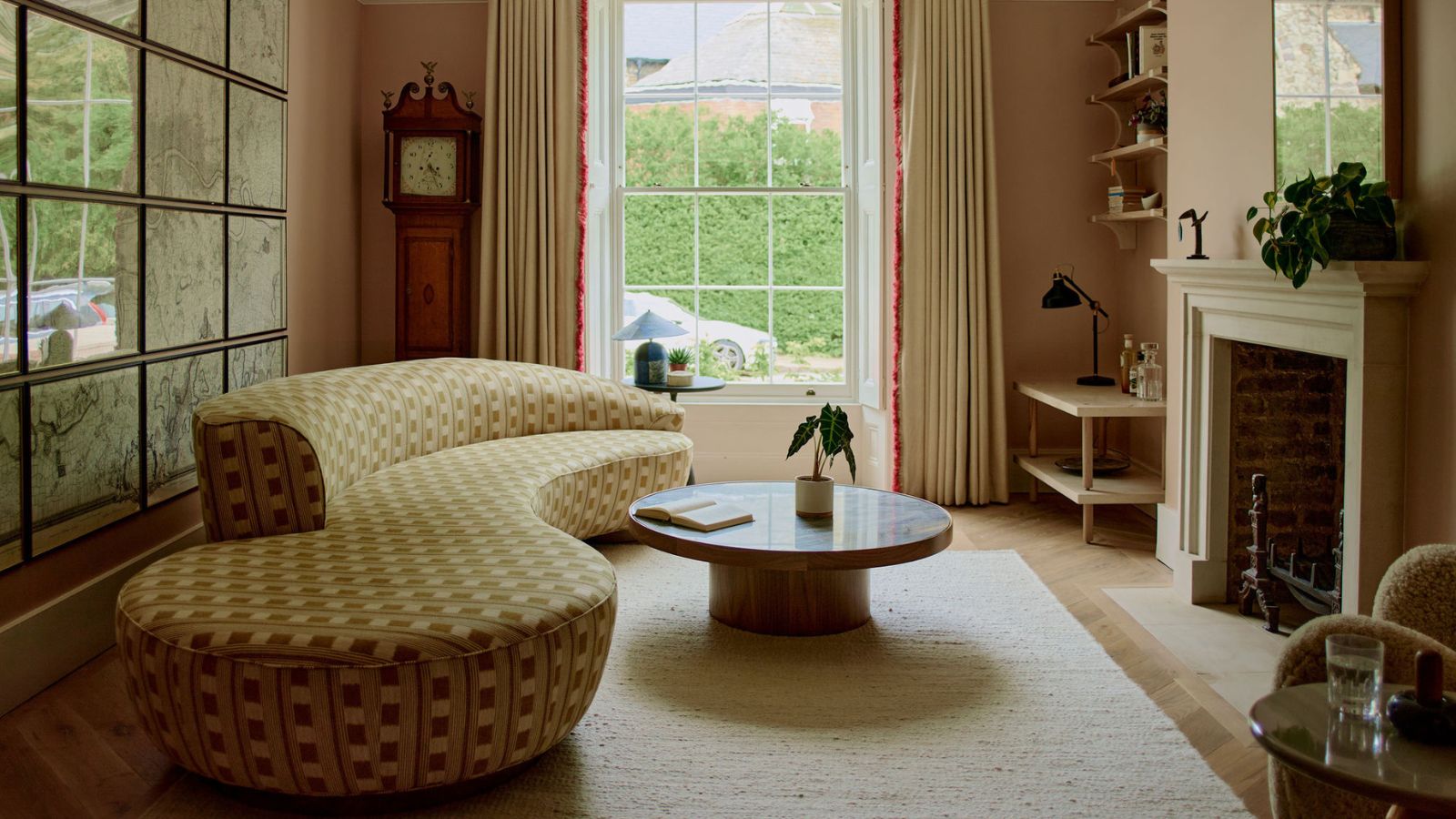
Credit: www.homesandgardens.com
Frequently Asked Questions
Should Living Room Cabinets Match Kitchen Cabinets?
Matching living room and kitchen cabinets creates a cohesive look and enhances home flow. However, contrasting styles can also add interest. Choose based on your design preference and overall home style.
What Are Benefits Of Matching Cabinets In Living Room And Kitchen?
Matching cabinets unify space, making rooms feel larger and more connected. It boosts home value and simplifies decorating. Consistency also eases furniture and color selection throughout the home.
Can Different Cabinet Styles Work Together In Open Spaces?
Yes, mixing cabinet styles can define areas while maintaining harmony. Use complementary colors or materials to blend styles. This approach adds personality without overwhelming the space.
How To Choose Cabinet Colors For Living Room And Kitchen?
Select colors that complement your home’s palette and lighting. Neutral tones offer flexibility, while bold colors create focal points. Consider finishes and textures to balance both rooms.
Conclusion
Choosing whether living room cabinets should match kitchen cabinets depends on your style. Matching cabinets create a smooth, connected look. Different cabinets can add contrast and interest. Think about your home's size and lighting too. Consistency feels calm; variety feels fresh.
Trust your taste and what feels right at home. Your cabinets should make you happy every day. Simple choices often bring the best results.