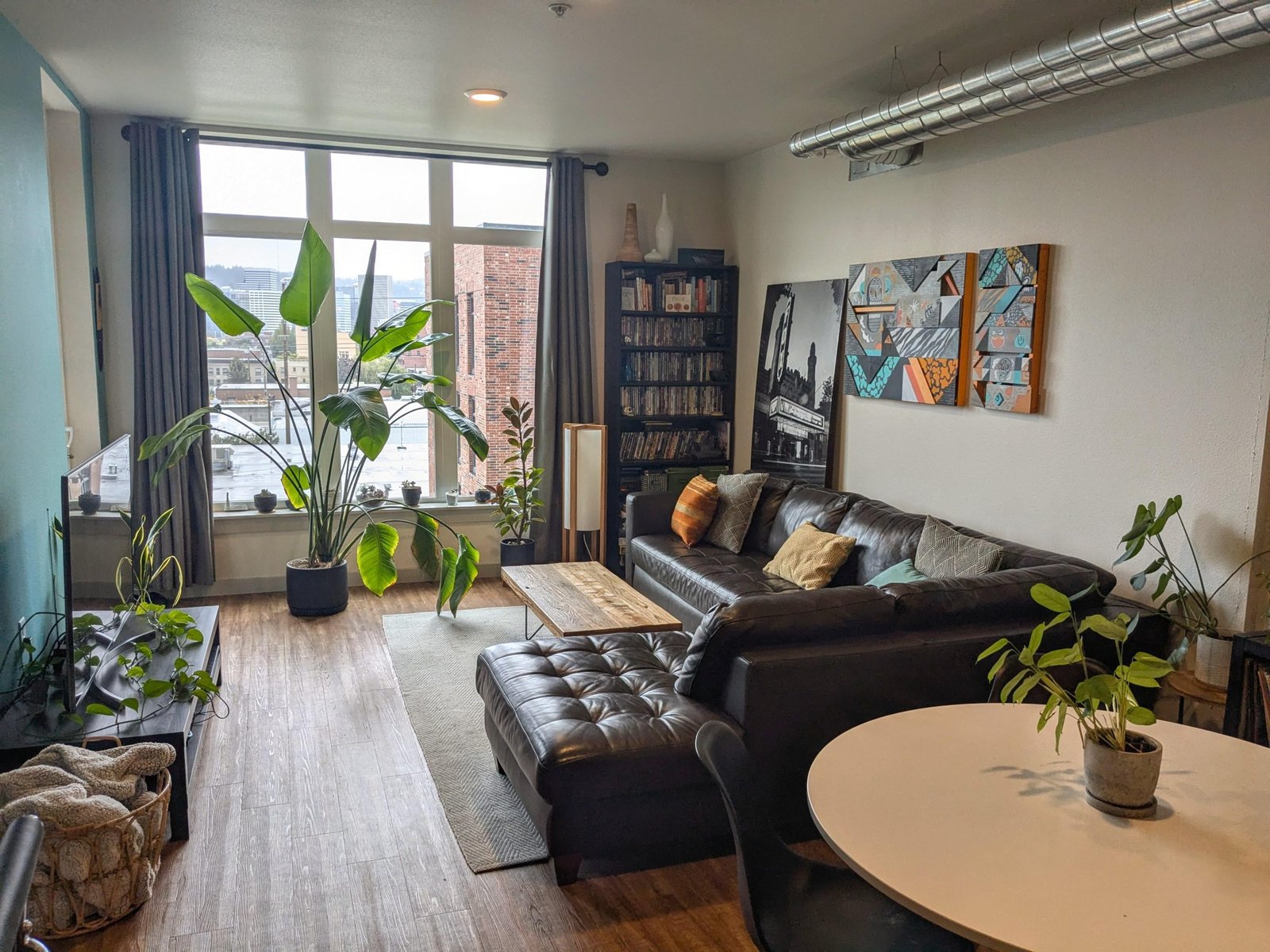
Are you wondering if a dining table belongs in your living room? It’s a question many face when trying to make the most of their space.
Adding a dining table can change how your room feels and works every day. But is it the right move for you? Before you decide, think about how you use your space, your lifestyle, and what makes you feel comfortable.
Keep reading to discover the key points that will help you choose the perfect setup for your home.
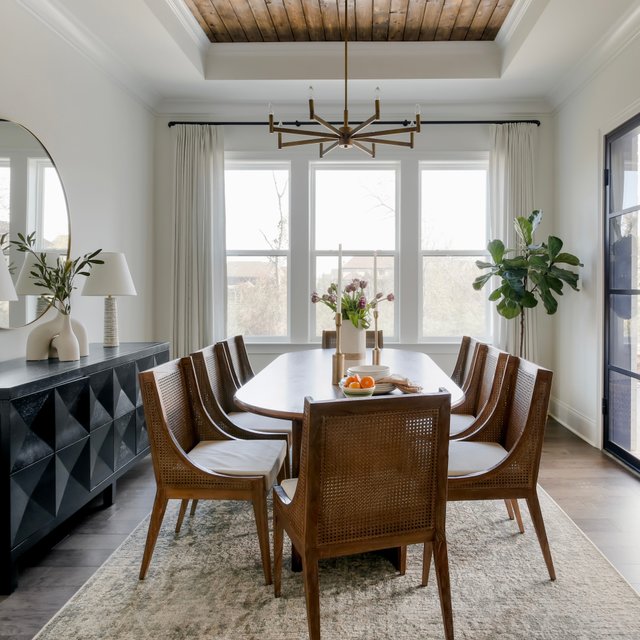
Credit: www.kathykuohome.com
Benefits Of A Dining Table In The Living Room
Adding a dining table to your living room can change how you use the space. It blends eating and relaxing areas into one spot.
This setup fits small homes and helps people spend more time together. Below are some key benefits of having a dining table in your living room.
Enhancing Social Interaction
A dining table in the living room invites people to gather and talk. It makes hosting friends and family easier and more fun.
Sharing meals or playing games at the table helps build stronger bonds. It creates a warm, welcoming space for everyone.
Maximizing Space Efficiency
In smaller homes, space is limited. A dining table in the living room uses space well without extra rooms.
- Combines dining and living areas
- Frees up room in the kitchen or dining room
- Fits small apartments or open floor plans
- Offers more seating options for guests
Creating A Multifunctional Area
A dining table can do more than hold meals. It can be a workspace, craft spot, or game table.
| Use | Benefits |
| Eating | Comfortable place for meals |
| Working | Quiet area for laptops or paperwork |
| Crafting | Space for arts and projects |
| Playing Games | Fun area for family and friends |
Choosing The Right Dining Table
Adding a dining table to your living room can save space and add style. It creates a cozy spot for meals and gatherings.
Picking the right table is important. It should fit the space and suit your lifestyle.
Size And Shape Considerations
Measure your living room before choosing a table. Make sure there is enough space to move around it comfortably.
Choose a shape that fits your room and needs. Round tables work well in small spaces. Rectangular tables fit longer rooms better.
- Round tables help with conversation and flow
- Square tables fit small square rooms
- Rectangular tables seat more people
- Oval tables soften sharp corners
Materials And Styles
Pick a material that matches your room’s look and your daily use. Wood tables add warmth and classic style.
Glass and metal tables offer a modern look. They are easy to clean but may show fingerprints.
- Wood: durable, classic, warm feel
- Glass: light, modern, easy to clean
- Metal: strong, industrial, sleek
- Mixed materials: combine style and function
Foldable And Extendable Options
Foldable tables save space when not in use. They are good for small rooms or occasional dining.
Extendable tables grow to seat more guests. They offer flexibility for daily use and special events.
- Foldable tables are compact and easy to store
- Extendable tables adjust length with leaves or folds
- Choose based on how often you host guests
- Check ease of use for folding or extending
Space-saving Layout Ideas
Adding a dining table in your living room can save space in small homes. It helps use the area better while keeping the room functional.
Smart layout ideas let you enjoy both dining and relaxing areas. You can create a cozy place for meals without crowding the space.
Integrating With Existing Furniture
Use furniture that matches your dining table for a smooth look. This makes the space feel bigger and less cluttered.
Choose chairs that fit well with your sofa or shelves. You can also use multipurpose furniture to save room.
- Pick similar colors and styles
- Use benches instead of chairs to save space
- Consider foldable or stackable chairs
Using Corners And Walls
Place the dining table near a corner or against a wall. This frees up the center space for movement.
Wall-mounted foldable tables are great for very small spaces. They open up when needed and fold away after meals.
- Use corner tables to use unused space
- Try wall-mounted or drop-leaf tables
- Keep enough space to walk around
Open Plan Vs Defined Zones
Open plan living rooms mix dining and seating areas freely. This design feels spacious but may reduce privacy.
Defined zones use rugs or furniture to separate dining from living areas. It creates clear spaces without walls.
- Open plan saves space and feels airy
- Defined zones help organize different activities
- Use rugs, lighting, or furniture to mark zones
Stylish Decor Tips
Adding a dining table to your living room can change the entire look and feel. It blends two important spaces into one stylish area. With the right tips, your living room will look cozy and modern.
Think about colors, lighting, and accessories to create a balanced and functional space. These elements help the dining table fit perfectly with your living room decor.
Coordinating Colors And Textures
Use colors that match or complement your living room walls and furniture. Soft tones like beige or gray work well for a calm look. Add texture with cushions or rugs to create a warm feeling.
- Pick table colors that blend with your sofa or curtains
- Use wooden or metal textures to add interest
- Mix soft fabrics with hard surfaces for balance
- Keep patterns simple to avoid clutter
Lighting To Define The Space
Good lighting helps separate the dining area from the living room. Use lamps or pendant lights to focus on the table. Soft, warm lights make the space inviting for meals and chats.
| Lighting Type | Best Use |
|---|---|
| Pendant Light | Above dining table for focus |
| Floor Lamp | Corner lighting for cozy feel |
| Table Lamp | Soft light near seating areas |
Adding Functional Accessories
Accessories add style and usefulness to the dining area. Choose items that fit your needs and look good. Keep the space tidy with smart storage solutions.
- Use a stylish centerpiece like a vase or bowl
- Add placemats for color and protection
- Include a small shelf or cart for utensils
- Choose chairs that are comfortable and match decor
Common Challenges And Solutions
Adding a dining table to your living room can bring many benefits. It creates a space to eat, work, and gather. Still, it also brings some challenges. These include space limits, room flow, and meeting both living and dining needs.
This guide covers common issues and ways to solve them. Use these ideas to make your living and dining areas work well together.
Dealing With Limited Space
Living rooms often have limited space. Adding a dining table might make the area feel crowded. Choosing the right table size and shape is key. Round or foldable tables save space and allow more movement.
- Use a small, round table for tight corners.
- Choose a foldable or extendable table to save room.
- Pick chairs that can tuck under the table.
- Consider benches instead of chairs to save floor space.
Maintaining Flow And Accessibility
It is important to keep a good flow in the living room. People should move easily without bumping into furniture. Plan the table placement to avoid blocking walkways. Leave at least 30 inches between the table and other furniture.
| Tip | Reason |
| Keep 30 inches of space around table | Allows easy movement |
| Place table near natural light | Makes dining area inviting |
| Use lightweight furniture | Easier to rearrange |
| Clear clutter regularly | Keeps room open |
Balancing Living And Dining Needs
The living room should feel welcoming for relaxing and dining. Pick furniture that fits both activities. Multi-use items like storage ottomans work well. Set clear zones for eating and lounging with rugs or lighting.
- Choose a table that suits daily use and special occasions.
- Use rugs to define dining and living zones.
- Keep dining chairs comfortable but easy to move.
- Use lighting to highlight the dining area without overpowering living space.

Credit: ca.transformertable.com

Credit: www.youtube.com
Frequently Asked Questions
Can A Dining Table Fit Well In A Living Room?
Yes, a dining table can fit well if space is planned smartly. Choose compact tables for small living rooms. Multi-functional furniture helps maximize space without clutter.
What Are Benefits Of Having A Dining Table In Living Room?
A dining table in the living room encourages family bonding and social interaction. It creates a cozy dining space and saves room in smaller homes.
How To Choose The Right Dining Table For Living Room?
Pick a dining table size that complements your living room layout. Opt for styles that match your decor. Consider extendable tables for flexibility during gatherings.
Will A Dining Table Affect Living Room Aesthetics?
If chosen carefully, a dining table enhances living room aesthetics. Select tables with designs and materials that blend well with existing furniture.
Conclusion
Adding a dining table in your living room can save space and add function. It fits well in small homes or open-plan areas. You can enjoy meals and gatherings comfortably in one spot. Think about your lifestyle and room size before deciding.
A dining table in the living room can create a warm, inviting space. Choose one that matches your style and needs. It’s a simple way to improve your home’s flow and use. Your living room can become more versatile and cozy with this change.